Department of Experimental Neuroendocrinology, Institute of Pharmacology, Polish Academy of Sciences, Smetna Street 12, 31-343, Krakow, Poland.
Department of Cell Biology and Imaging, Institute of Zoology, Jagiellonian University, Gronostajowa Street 9, 30-387, Krakow, Poland.
Mol Neurobiol. 2018 Jun;55(6):5059-5074. doi: 10.1007/s12035-017-0704-2. Epub 2017 Aug 16.
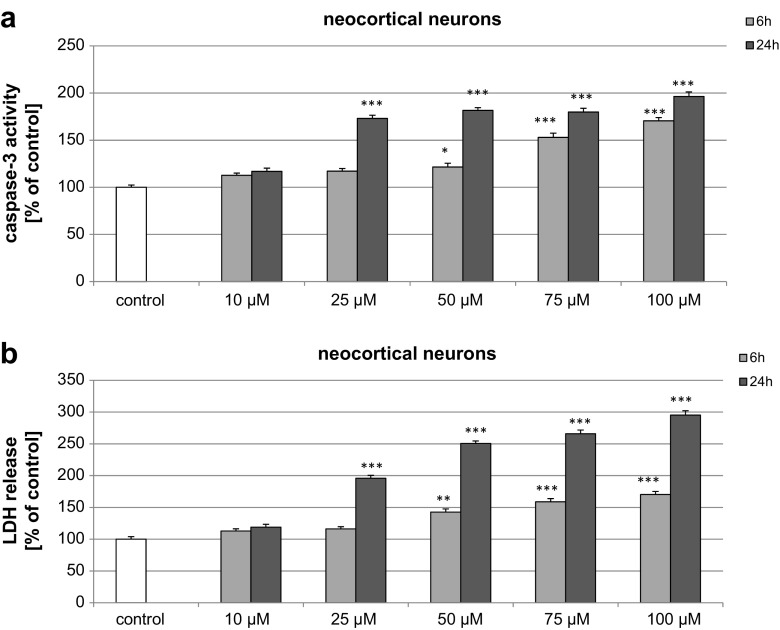
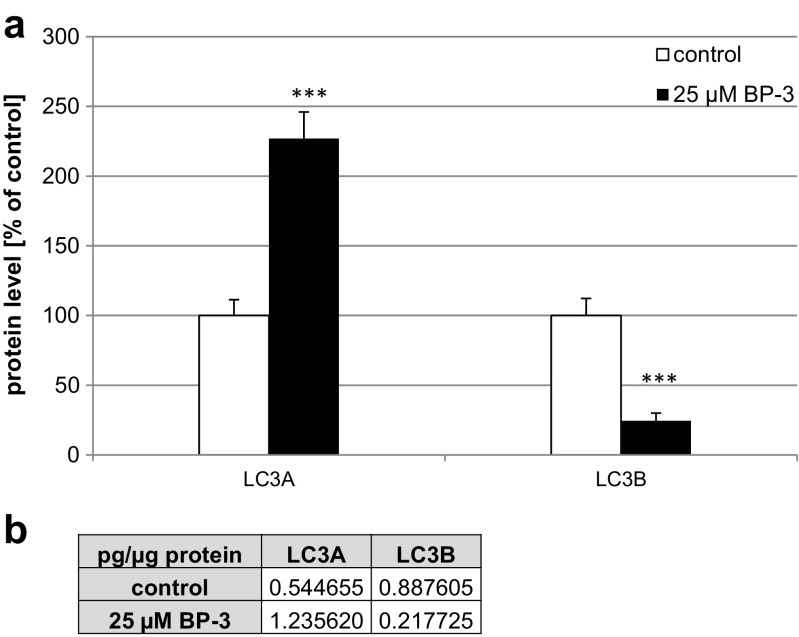
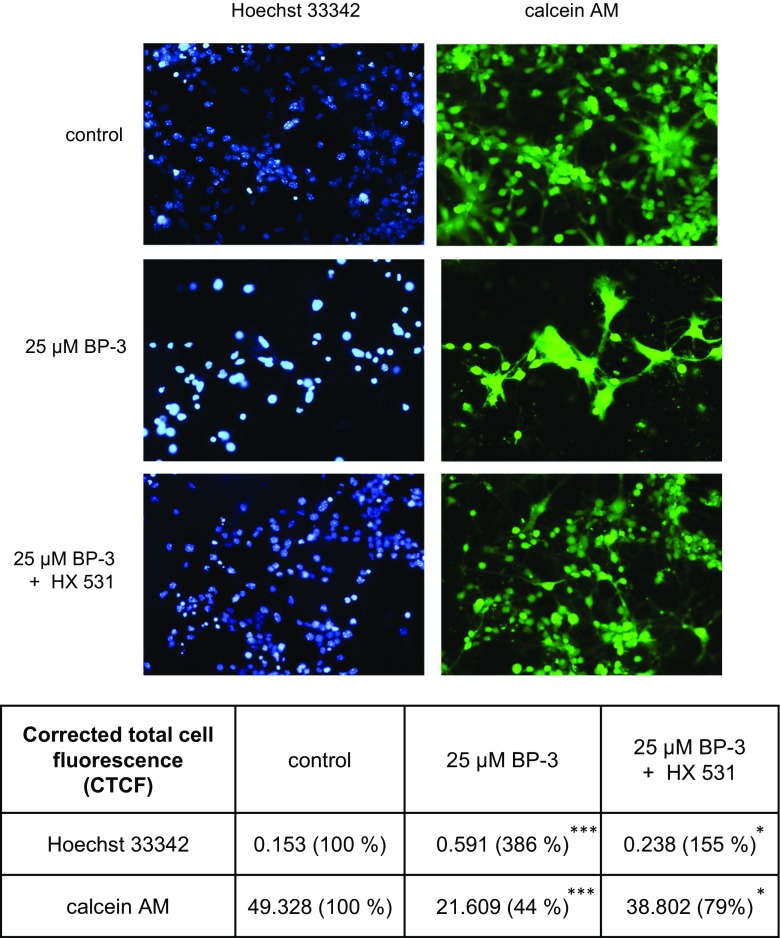
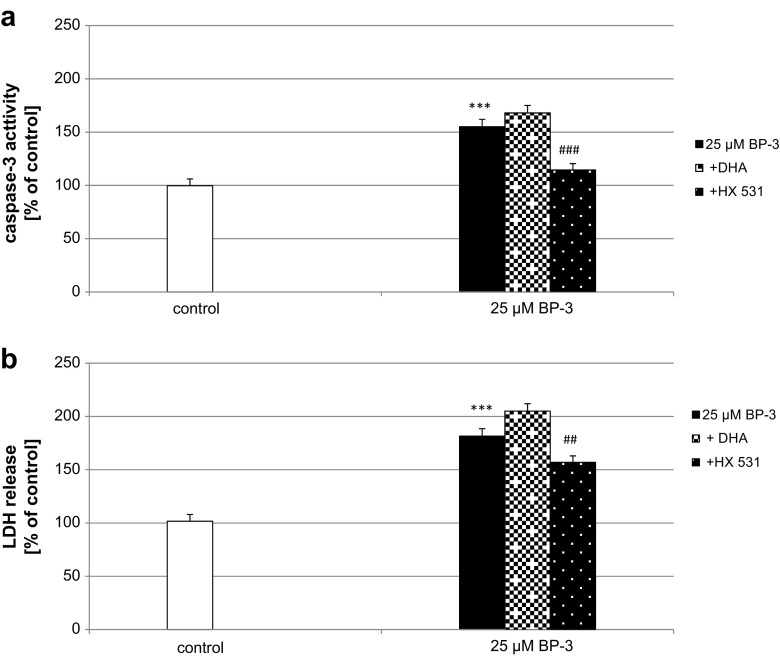
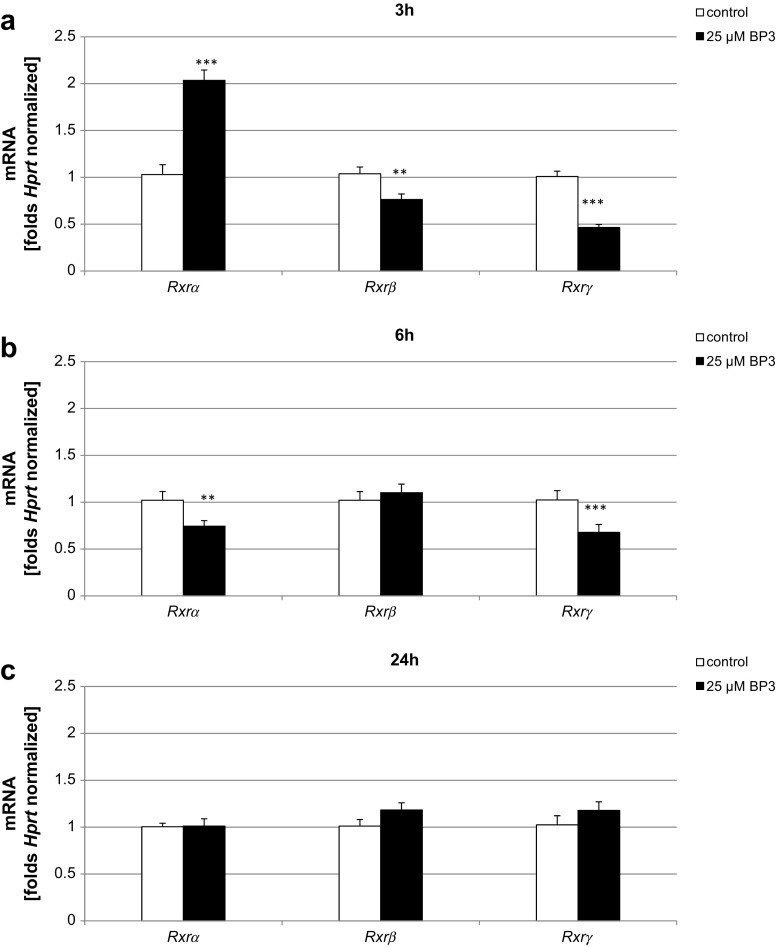
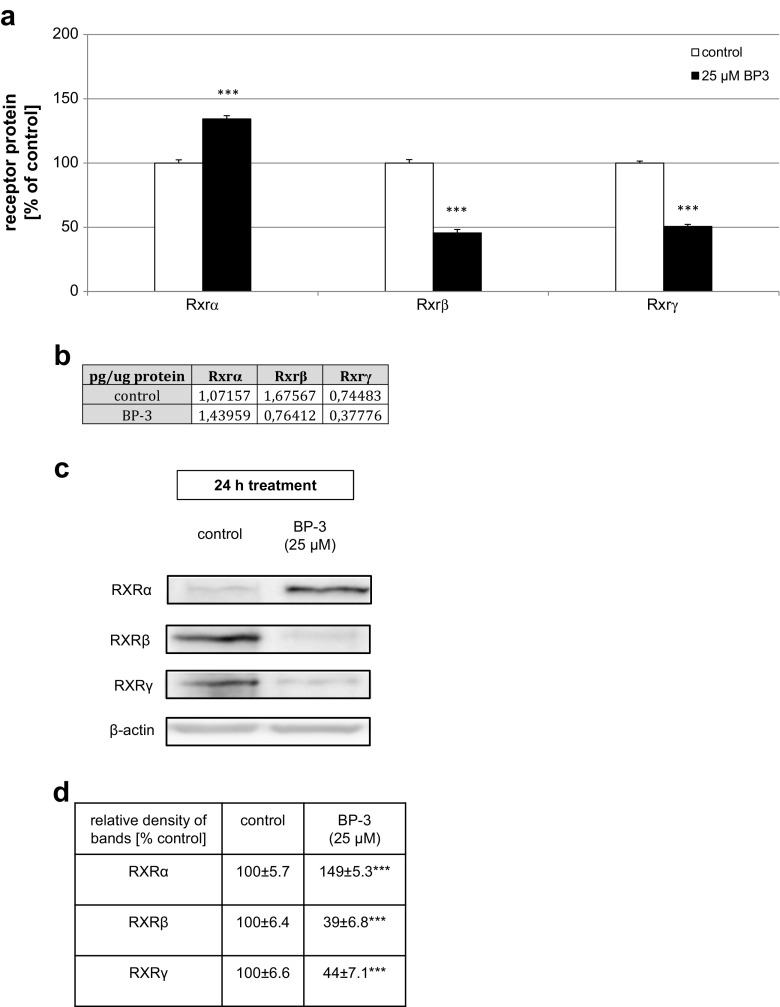
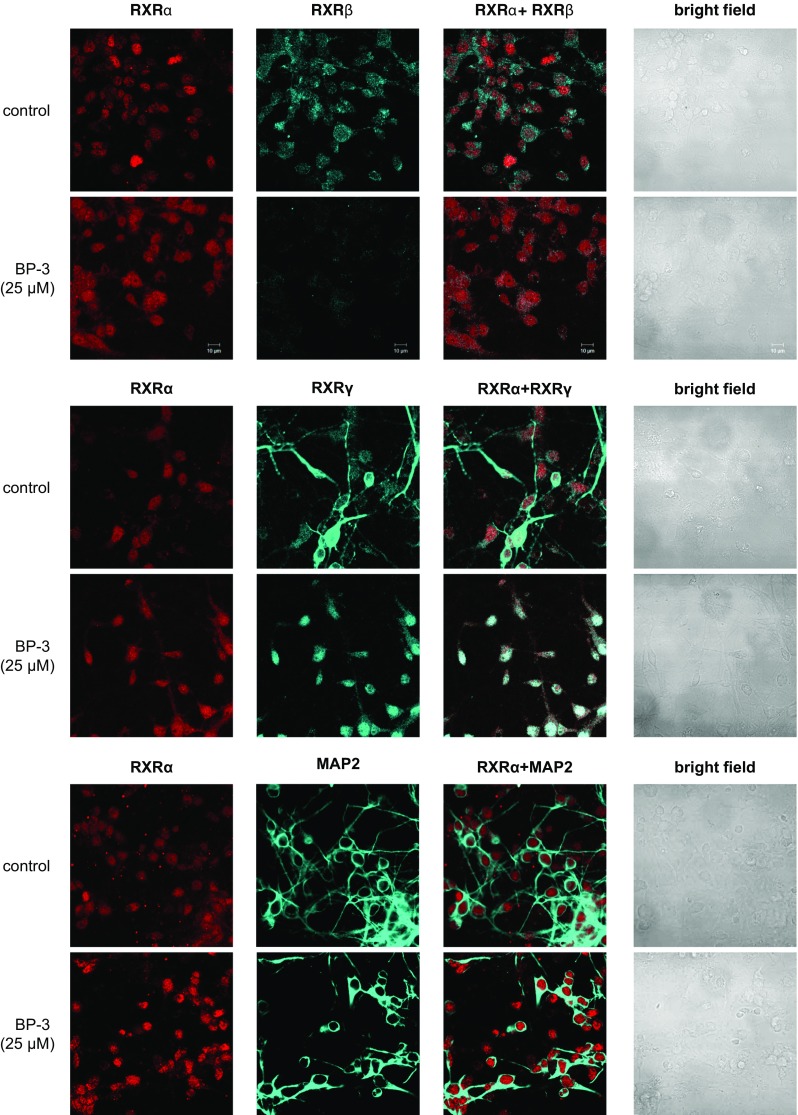
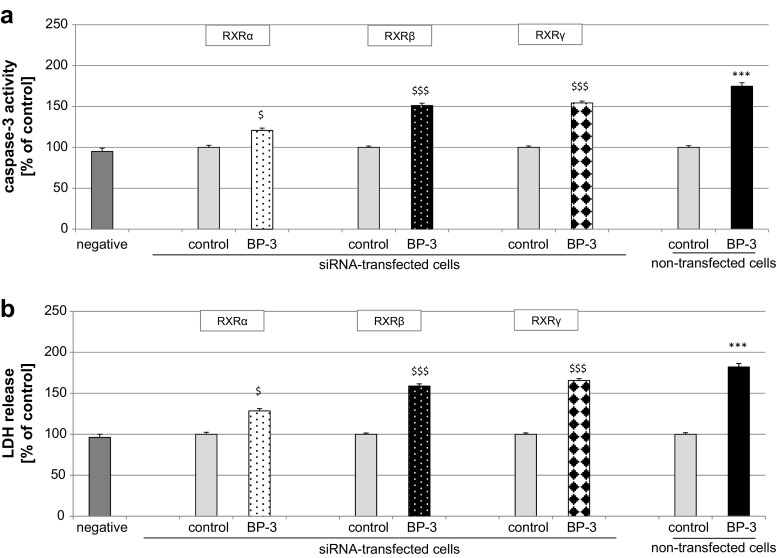
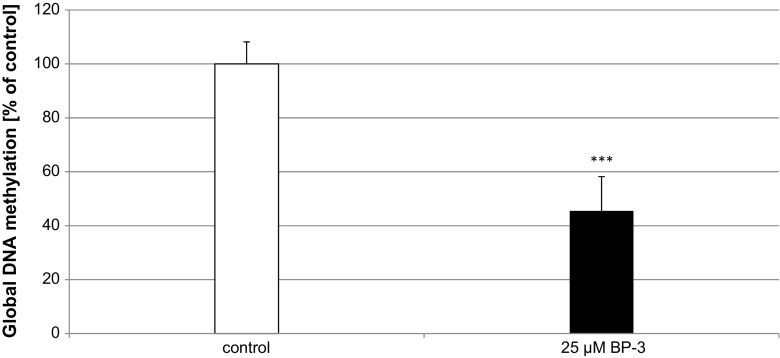
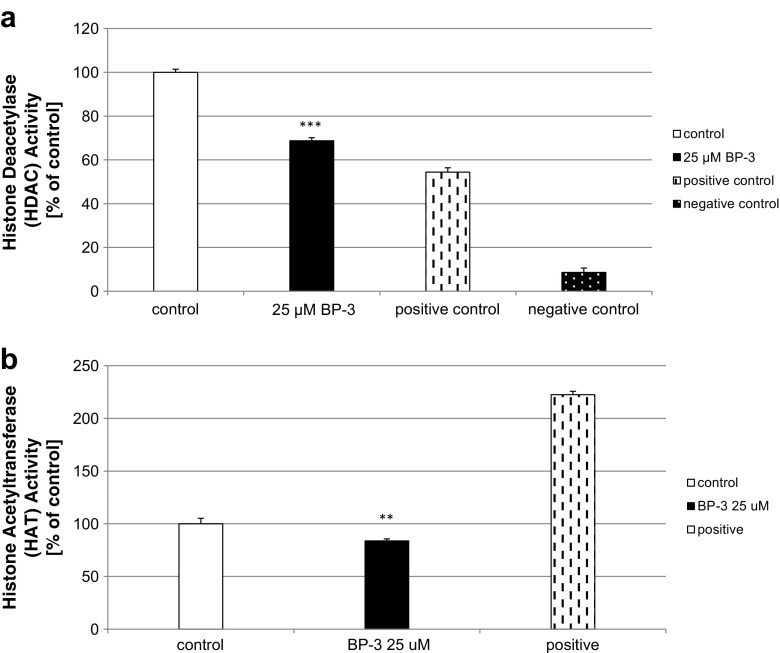
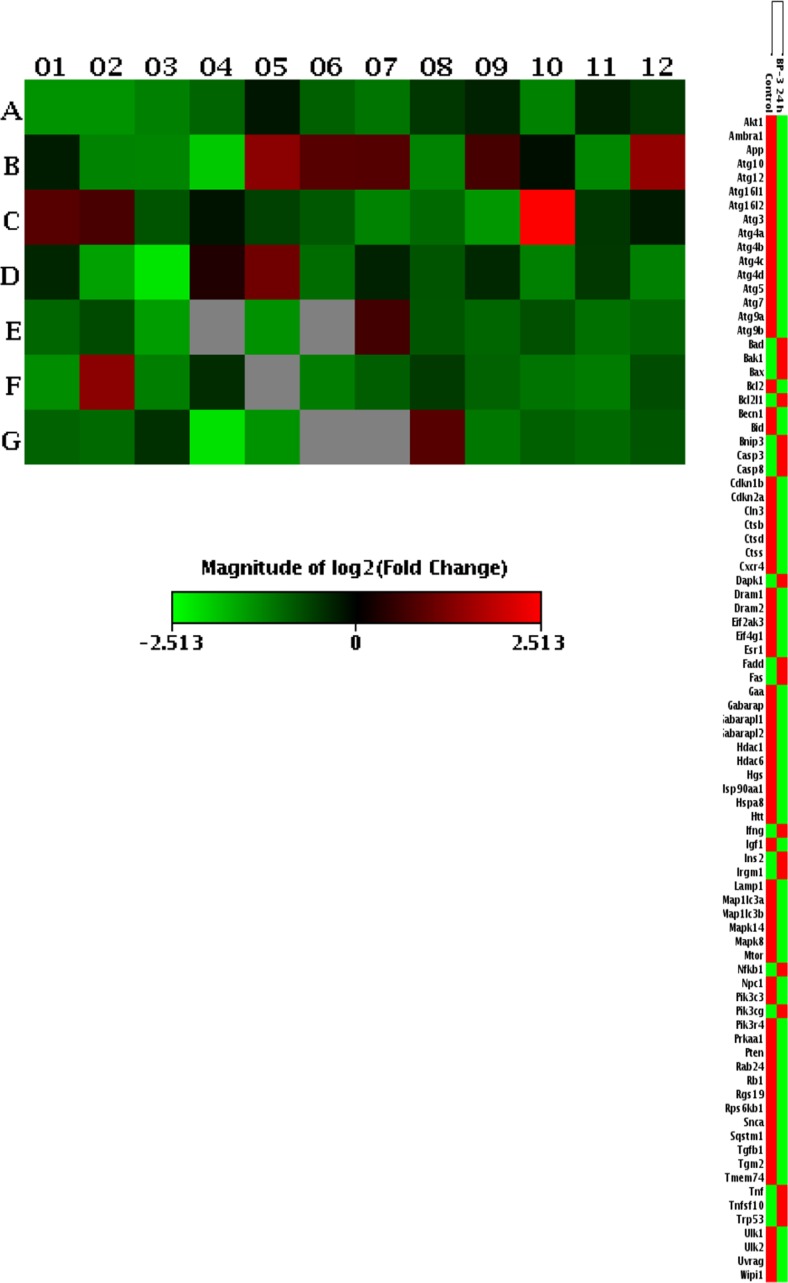
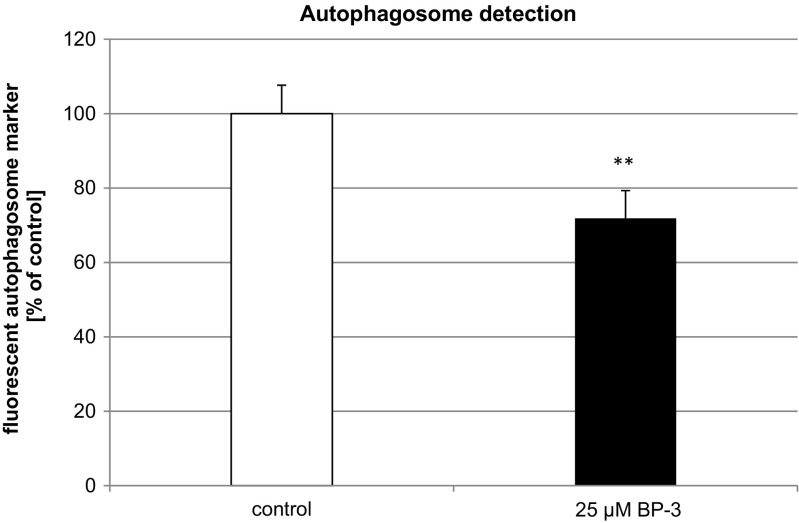
Benzophenone-3 (BP-3) is the most widely used compound among UV filters for the prevention of photodegradation. Population studies have demonstrated that it penetrates through the skin and crosses the blood-brain barrier. However, little is known about the impact of BP-3 on the nervous system and its possible adverse effects on the developing brain. We demonstrated that the neurotoxic effects of BP-3 were accompanied by the induction of apoptosis, as evidenced by apoptosis-related caspase-3 activation and apoptotic body formation as well as the inhibition of autophagy, as determined by the downregulation of autophagy-related genes, decreased autophagosome formation, and reduced LC3B-to-LC3A ratio. In this study, we showed for the first time that the BP-3-induced apoptosis of neuronal cells is mediated via the stimulation of RXRα signaling and the attenuation of RXRβ/RXRγ signaling, as demonstrated using selective antagonist and specific siRNAs as well as by measuring the mRNA and protein expression levels of the receptors. This study also demonstrated that environmentally relevant concentrations of BP-3 were able to inhibit autophagy and disrupt the epigenetic status of neuronal cells, as evidenced by the inhibition of global DNA methylation as well as the reduction of histone deacetylases and histone acetyl transferases activity, which may increase the risks of neurodevelopmental abnormalities and/or neural degenerations.
二苯甲酮-3(BP-3)是防晒产品中应用最广泛的紫外线滤光剂,用于防止光降解。人群研究表明 BP-3 可穿透皮肤并穿过血脑屏障。然而,关于 BP-3 对神经系统的影响及其对发育中大脑的潜在不良影响知之甚少。我们证明 BP-3 的神经毒性作用伴随着细胞凋亡的诱导,这表现在凋亡相关半胱氨酸天冬氨酸蛋白酶-3 的激活和凋亡小体的形成,以及自噬的抑制,这可以通过下调自噬相关基因、减少自噬小体的形成以及降低 LC3B 到 LC3A 的比例来确定。在这项研究中,我们首次表明,BP-3 诱导的神经元细胞凋亡是通过刺激 RXRα 信号和削弱 RXRβ/RXRγ 信号来介导的,这可以通过使用选择性拮抗剂和特定的 siRNA 以及测量受体的 mRNA 和蛋白表达水平来证明。这项研究还表明,环境相关浓度的 BP-3 能够抑制自噬并破坏神经元细胞的表观遗传状态,这可以通过抑制全基因组 DNA 甲基化以及减少组蛋白去乙酰化酶和组蛋白乙酰转移酶的活性来证明,这可能会增加神经发育异常和/或神经退行性疾病的风险。