Mari Lorenzo, Ciddio Manuela, Casagrandi Renato, Perez-Saez Javier, Bertuzzo Enrico, Rinaldo Andrea, Sokolow Susanne H, De Leo Giulio A, Gatto Marino
Dipartimento di Elettronica, Informazione e Bioingegneria, Politecnico di Milano, 20133 Milano, Italy.
Dipartimento di Elettronica, Informazione e Bioingegneria, Politecnico di Milano, 20133 Milano, Italy.
J Theor Biol. 2017 Nov 7;432:87-99. doi: 10.1016/j.jtbi.2017.08.015. Epub 2017 Aug 17.
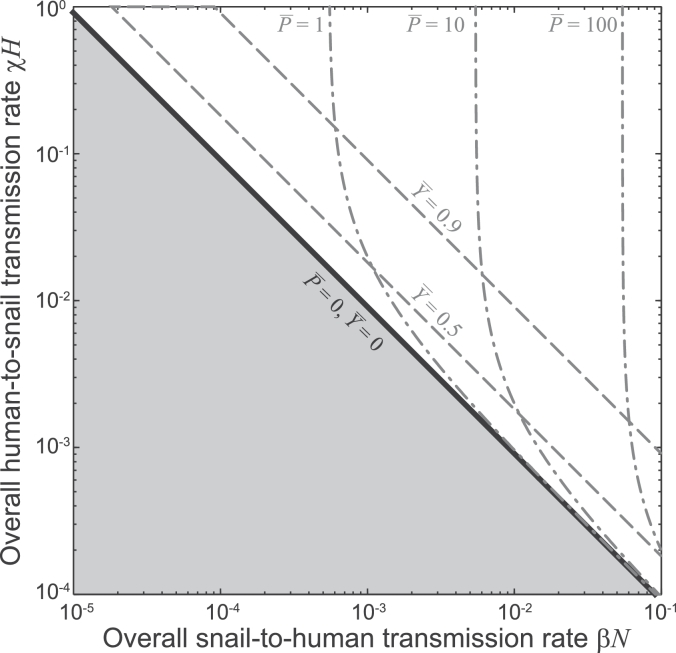
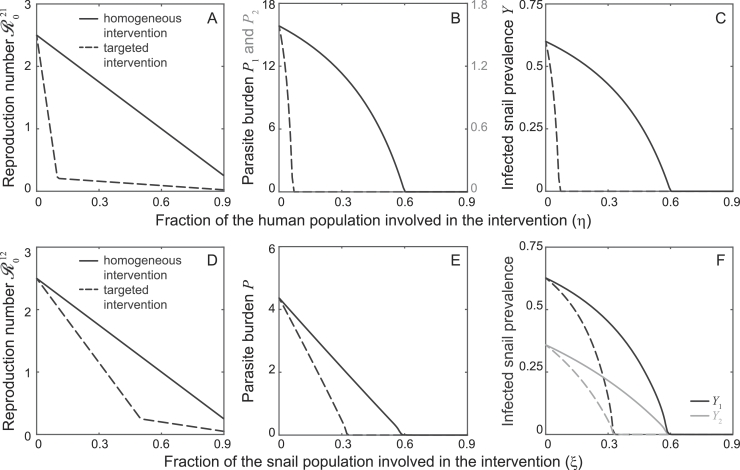
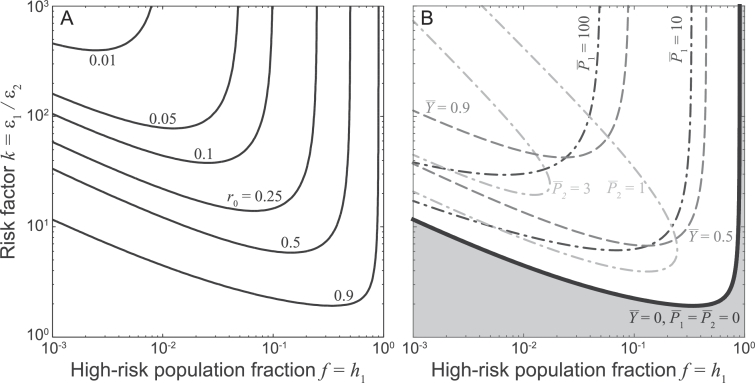
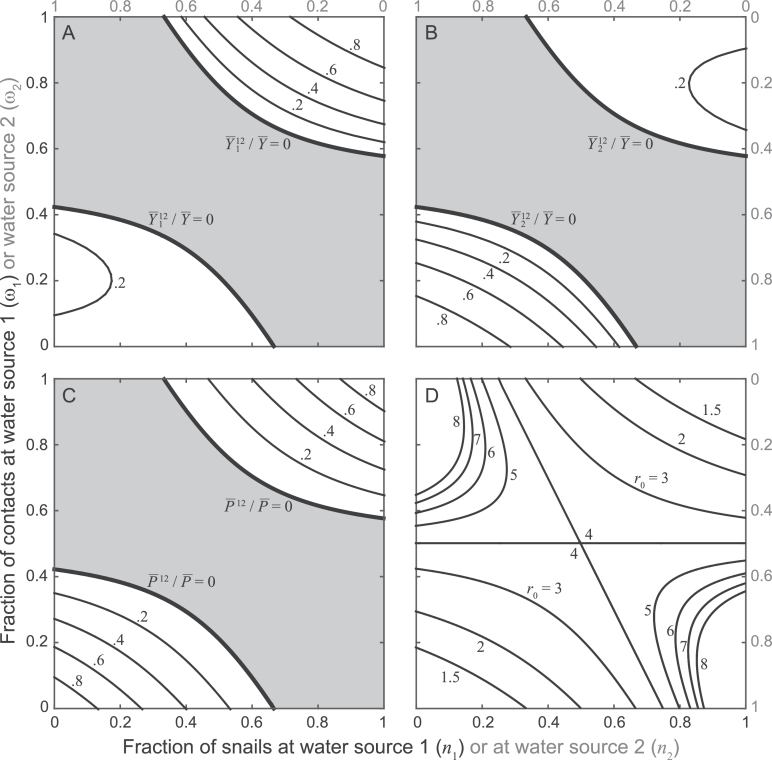
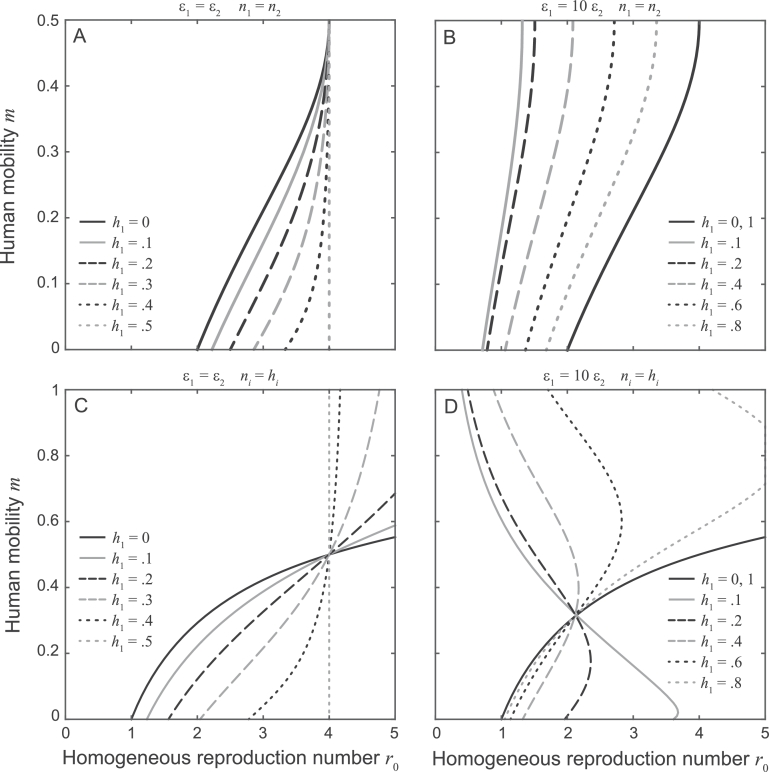
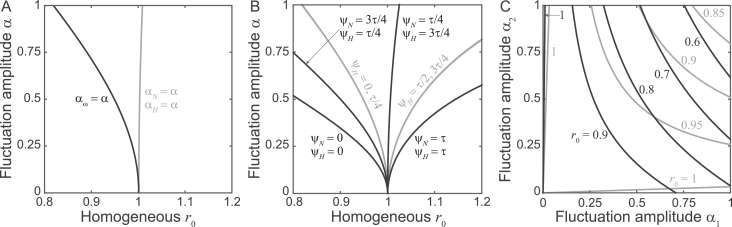
Simple models of disease propagation often disregard the effects of transmission heterogeneity on the ecological and epidemiological dynamics associated with host-parasite interactions. However, for some diseases like schistosomiasis, a widespread parasitic infection caused by Schistosoma worms, accounting for heterogeneity is crucial to both characterize long-term dynamics and evaluate opportunities for disease control. Elaborating on the classic Macdonald model for macroparasite transmission, we analyze families of models including explicit descriptions of heterogeneity related to differential transmission risk within a community, water contact patterns, the distribution of the snail host population, human mobility, and the seasonal fluctuations of the environment. Through simple numerical examples, we show that heterogeneous multigroup communities may be more prone to schistosomiasis than homogeneous ones, that the availability of multiple water sources can hinder parasite transmission, and that both spatial and temporal heterogeneities may have nontrivial implications for disease endemicity. Finally, we discuss the implications of heterogeneity for disease control. Although focused on schistosomiasis, results from this study may apply as well to other parasitic infections with complex transmission cycles, such as cysticercosis, dracunculiasis and fasciolosis.
疾病传播的简单模型往往忽视传播异质性对与宿主 - 寄生虫相互作用相关的生态和流行病学动态的影响。然而,对于一些疾病,如血吸虫病(一种由血吸虫引起的广泛传播的寄生虫感染),考虑异质性对于描述长期动态和评估疾病控制机会都至关重要。在阐述宏观寄生虫传播的经典麦克唐纳模型的基础上,我们分析了一系列模型,这些模型明确描述了与社区内不同传播风险、水接触模式、蜗牛宿主种群分布、人类流动性以及环境季节性波动相关的异质性。通过简单的数值示例,我们表明异质多群体社区可能比同质社区更容易感染血吸虫病,多个水源的存在会阻碍寄生虫传播,并且空间和时间异质性都可能对疾病流行产生重要影响。最后,我们讨论了异质性对疾病控制的影响。尽管本研究聚焦于血吸虫病,但研究结果也可能适用于其他具有复杂传播周期的寄生虫感染,如囊尾蚴病、麦地那龙线虫病和肝片吸虫病。