School of Food Science and Nutrition, University of Leeds , Leeds, United Kingdom .
Antioxid Redox Signal. 2018 Dec 1;29(16):1633-1659. doi: 10.1089/ars.2017.7086. Epub 2017 Sep 28.
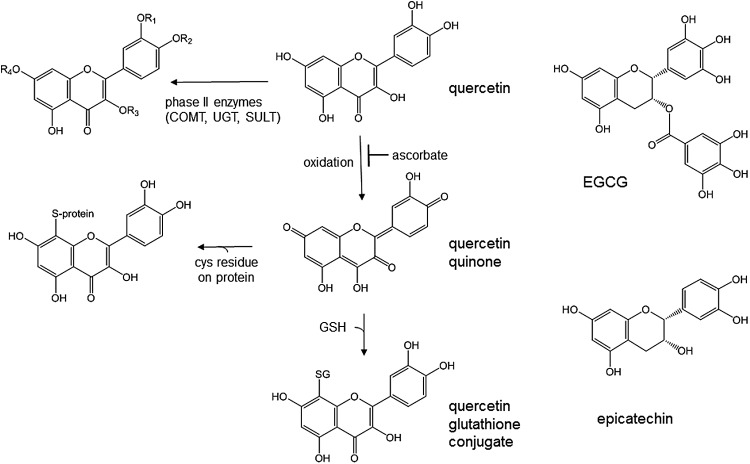
Flavonoids can interact with multiple molecular targets to elicit their cellular effects, leading to changes in signal transduction, gene expression, and/or metabolism, which can, subsequently, affect the entire cell and organism. Immortalized cell lines, derived from tumors, are routinely employed as a surrogate for mechanistic studies, with the results extrapolated to tissues in vivo. Recent Advances: We review the activities of selected flavonoids on cultured tumor cells derived from various tissues in comparison to corresponding primary cells or tissues in vivo, mainly using quercetin and flavanols (epicatechin and (-)-epigallocatechin gallate) as exemplars. Several studies have indicated that flavonoids could retard cancer progression in vivo in animal models as well as in tumor cell models.
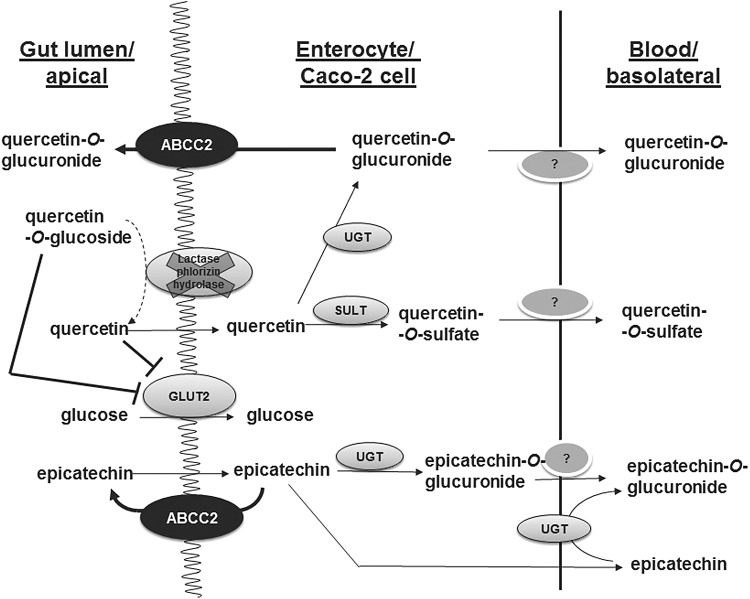
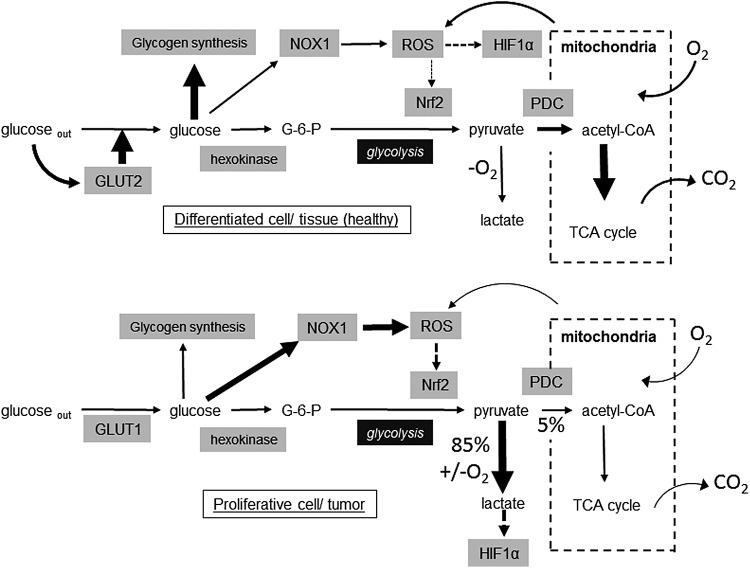
Extrapolation from in vitro and animal models to humans is not straightforward given both the extensive conjugation and complex microbiota-dependent metabolism of flavonoids after consumption, as well as the heterogeneous metabolism of different tumors.
Comparison of data from studies on primary cells or in vivo are essential not only to validate results obtained from cultured cell models, but also to highlight whether any differences may be further exploited in the clinical setting for chemoprevention. Tumor cell models can provide a useful mechanistic tool to study the effects of flavonoids, provided that the limitations of each model are understood and taken into account in interpretation of the data.
类黄酮可以与多个分子靶标相互作用,引发其细胞效应,导致信号转导、基因表达和/或代谢的变化,从而影响整个细胞和生物体。通常使用源自肿瘤的永生化细胞系作为机制研究的替代物,将结果推断至体内组织。
我们综述了一些选定的类黄酮在培养的源自不同组织的肿瘤细胞中的活性,并与体内相应的原代细胞或组织进行了比较,主要以槲皮素和黄烷醇(表儿茶素和(-)-表没食子儿茶素没食子酸酯)为例。有几项研究表明,类黄酮可以在动物模型和肿瘤细胞模型中延缓体内癌症的进展。
鉴于类黄酮在摄入后会发生广泛的共轭和复杂的微生物群依赖的代谢,以及不同肿瘤的代谢异质性,从体外和动物模型推断到人类并不简单。
对原代细胞或体内研究的数据进行比较不仅对于验证从培养细胞模型获得的结果至关重要,而且还可以突出任何差异是否可以在临床环境中进一步用于化学预防。肿瘤细胞模型可以提供一个有用的机制工具来研究类黄酮的作用,前提是理解每个模型的局限性,并在解释数据时考虑到这些局限性。