Wolfson Centre for Age-Related Diseases, King's College London, London, United Kingdom.
Elife. 2017 Aug 15;6:e26138. doi: 10.7554/eLife.26138.
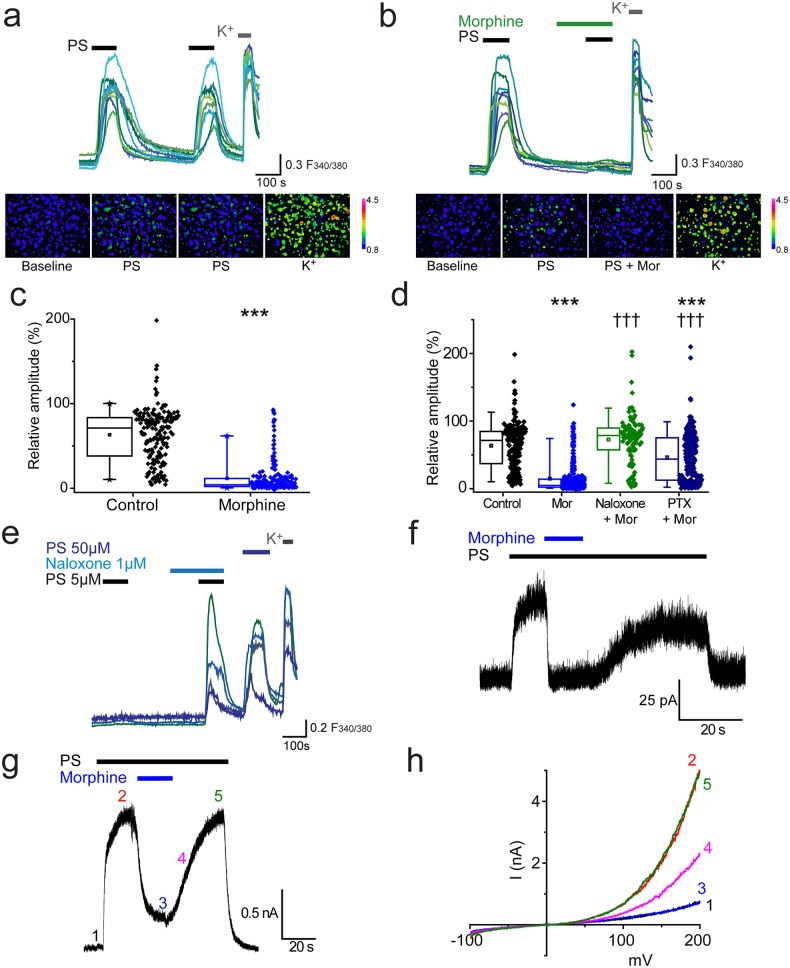
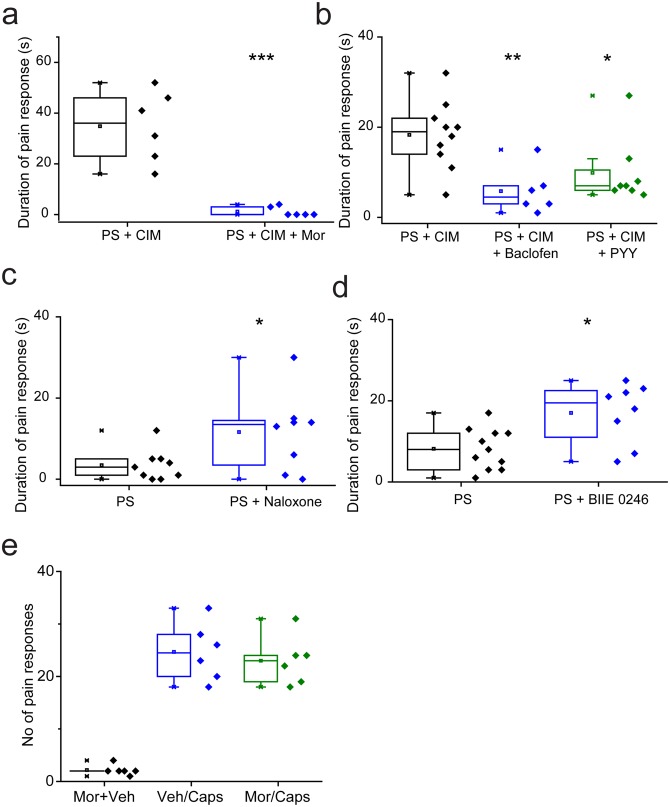
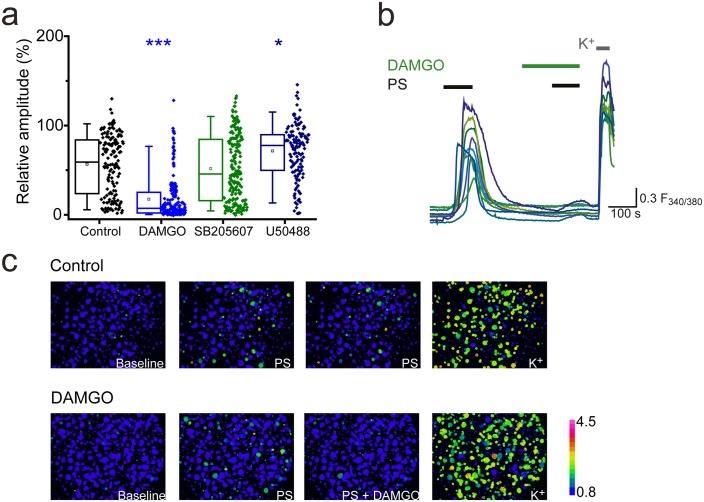
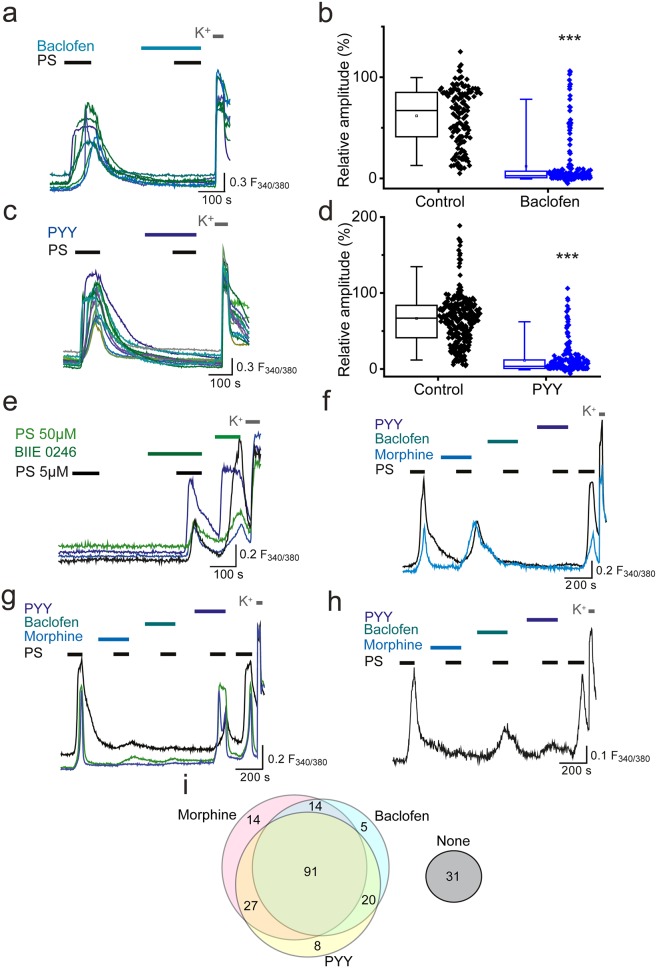
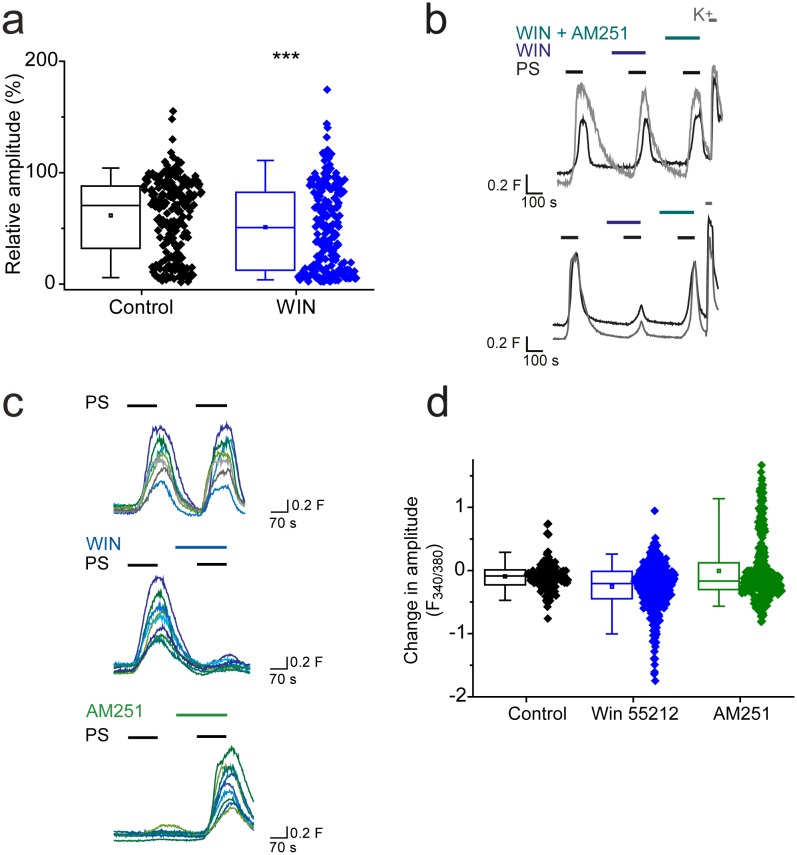
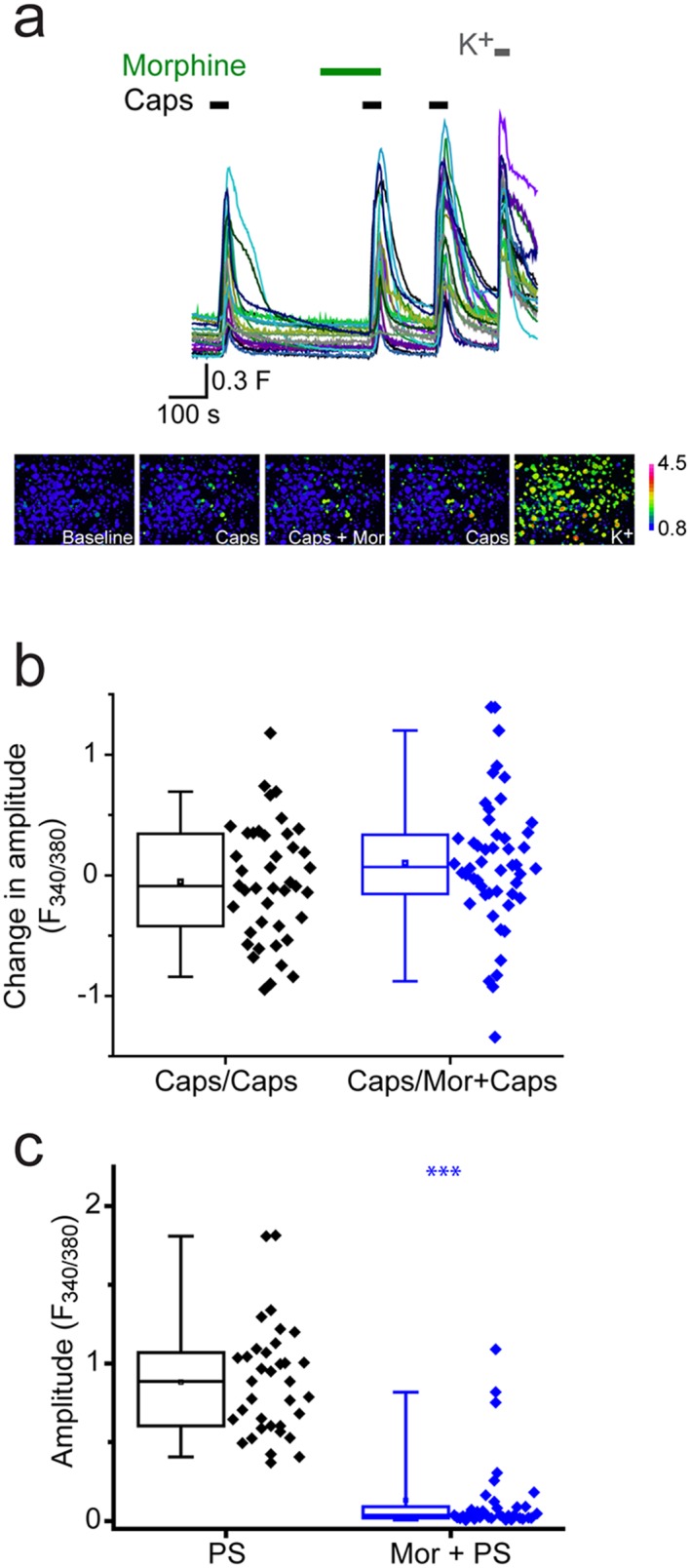
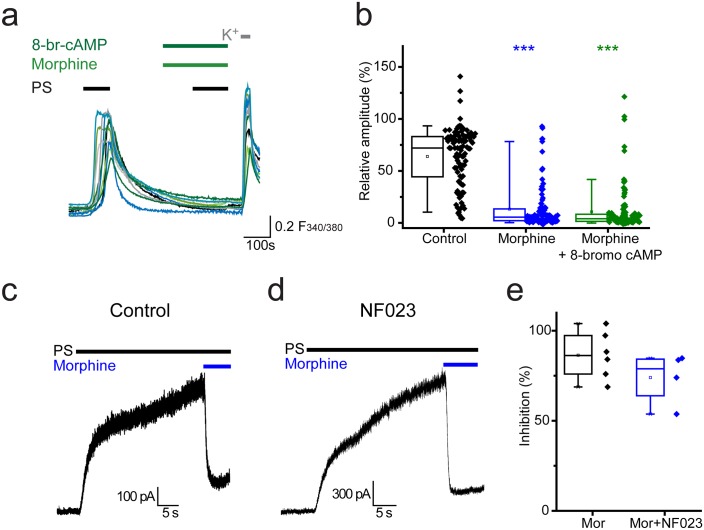
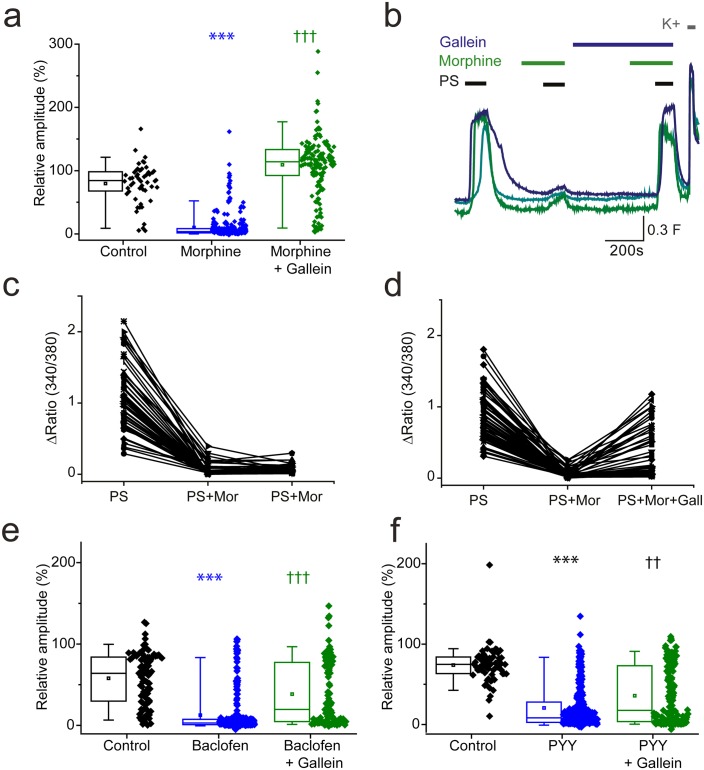
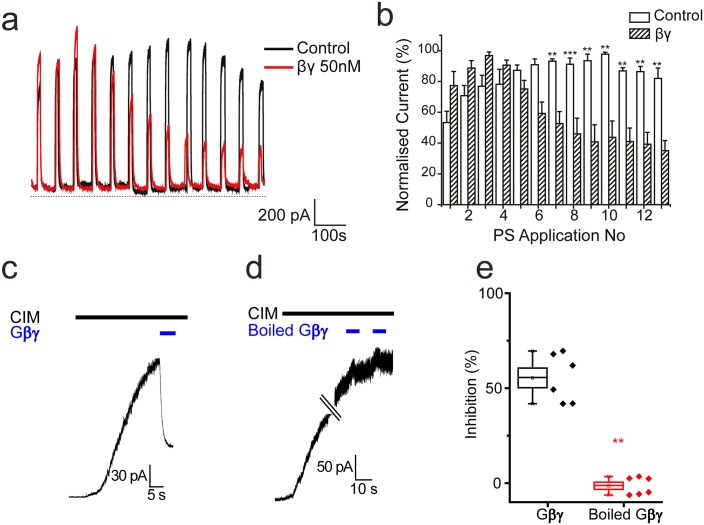
Transient receptor potential (TRP) ion channels in peripheral sensory neurons are functionally regulated by hydrolysis of the phosphoinositide PI(4,5)P and changes in the level of protein kinase mediated phosphorylation following activation of various G protein coupled receptors. We now show that the activity of TRPM3 expressed in mouse dorsal root ganglion (DRG) neurons is inhibited by agonists of the G-coupled µ opioid, GABA-B and NPY receptors. These agonist effects are mediated by direct inhibition of TRPM3 by Gβγ subunits, rather than by a canonical cAMP mediated mechanism. The activity of TRPM3 in DRG neurons is also negatively modulated by tonic, constitutive GPCR activity as TRPM3 responses can be potentiated by GPCR inverse agonists. GPCR regulation of TRPM3 is also seen in vivo where G GPCRs agonists inhibited and inverse agonists potentiated TRPM3 mediated nociceptive behavioural responses.
瞬时受体电位 (TRP) 离子通道在外周感觉神经元中受磷酸肌醇 PI(4,5)P 的水解和各种 G 蛋白偶联受体激活后蛋白激酶介导的磷酸化水平变化的功能调节。我们现在表明,在小鼠背根神经节 (DRG) 神经元中表达的 TRPM3 的活性受 G 偶联 µ 阿片受体、GABA-B 和 NPY 受体激动剂的抑制。这些激动剂作用是通过 Gβγ 亚基直接抑制 TRPM3 介导的,而不是通过典型的 cAMP 介导的机制。GPCR 反向激动剂可增强 DRG 神经元中 TRPM3 的活性,因此,DRG 神经元中 TRPM3 的活性也受到 tonic、组成性 GPCR 活性的负调节。在体内也观察到 GPCR 对 TRPM3 的调节,其中 G GPCR 激动剂抑制,反向激动剂增强 TRPM3 介导的痛觉行为反应。