Sawal Humaira Aziz, Asghar Kashif, Bureik Matthias, Jalal Nasir
Healthcare Biotechnology Department, Atta-ur-Rahman School of Applied Biosciences, National University of Sciences and Technology, Islamabad.
Basic Sciences Research, Shaukat Khanum Memorial Cancer Hospital and Research Centre, Lahore, Pakistan.
Onco Targets Ther. 2017 Aug 4;10:3925-3940. doi: 10.2147/OTT.S136076. eCollection 2017.
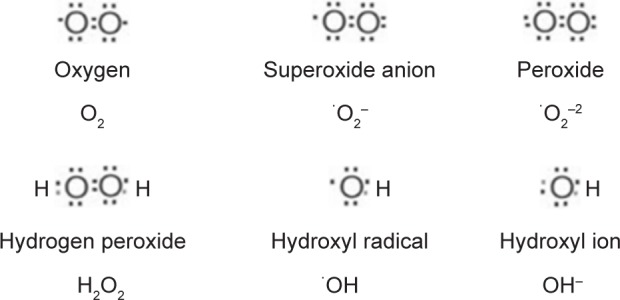
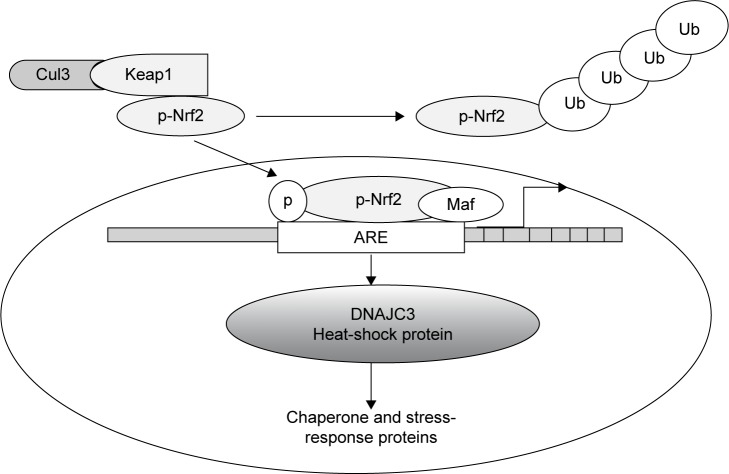
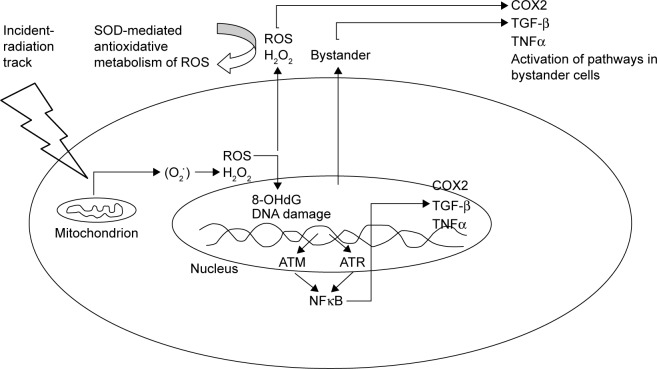
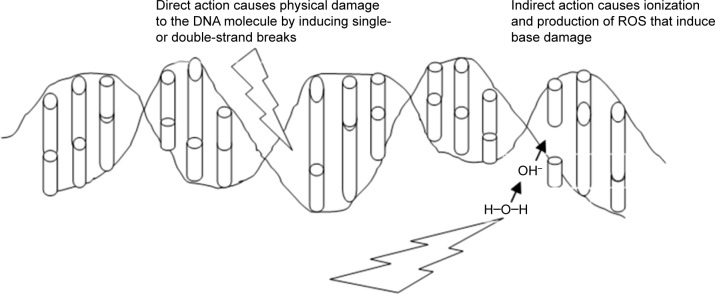
The radiation-induced bystander effect (RIBE) is the initiation of biological end points in cells (bystander cells) that are not directly traversed by an incident-radiation track, but are in close proximity to cells that are receiving the radiation. RIBE has been indicted of causing DNA damage via oxidative stress, besides causing direct damage, inducing tumorigenesis, producing micronuclei, and causing apoptosis. RIBE is regulated by signaling proteins that are either endogenous or secreted by cells as a means of communication between cells, and can activate intracellular or intercellular oxidative metabolism that can further trigger signaling pathways of inflammation. Bystander signals can pass through gap junctions in attached cell lines, while the suspended cell lines transmit these signals via hormones and soluble proteins. This review provides the background information on how reactive oxygen species (ROS) act as bystander signals. Although ROS have a very short half-life and have a nanometer-scale sphere of influence, the wide variety of ROS produced via various sources can exert a cumulative effect, not only in forming DNA adducts but also setting up signaling pathways of inflammation, apoptosis, cell-cycle arrest, aging, and even tumorigenesis. This review outlines the sources of the bystander effect linked to ROS in a cell, and provides methods of investigation for researchers who would like to pursue this field of science.
辐射诱导的旁观者效应(RIBE)是指在未被入射辐射径迹直接穿过,但与受到辐射的细胞紧邻的细胞(旁观者细胞)中引发生物学终点事件。除了造成直接损伤、诱导肿瘤发生、产生微核和导致细胞凋亡外,RIBE还被认为可通过氧化应激导致DNA损伤。RIBE受信号蛋白调控,这些信号蛋白要么是内源性的,要么是细胞分泌的,作为细胞间通讯的一种方式,并且可以激活细胞内或细胞间的氧化代谢,进而触发炎症信号通路。旁观者信号可以通过贴壁细胞系中的间隙连接传递,而悬浮细胞系则通过激素和可溶性蛋白传递这些信号。本综述提供了关于活性氧(ROS)如何作为旁观者信号发挥作用的背景信息。尽管ROS半衰期很短且影响范围在纳米尺度,但通过各种来源产生的多种ROS可产生累积效应,不仅可形成DNA加合物,还能建立炎症、细胞凋亡、细胞周期阻滞、衰老甚至肿瘤发生的信号通路。本综述概述了细胞中与ROS相关的旁观者效应的来源,并为希望从事该科学领域研究的人员提供了研究方法。