Bipolar Disorder Program, Laboratory of Molecular Psychiatry, Hospital de Clinicas de Porto Alegre (HCPA), Porto Alegre (RS), Brazil.
Department of Psychiatry, Federal University of Rio Grande do Sul (UFRGS), Porto Alegre (RS), Brazil.
Curr Neuropharmacol. 2018;16(5):519-532. doi: 10.2174/1570159X15666170828170921.
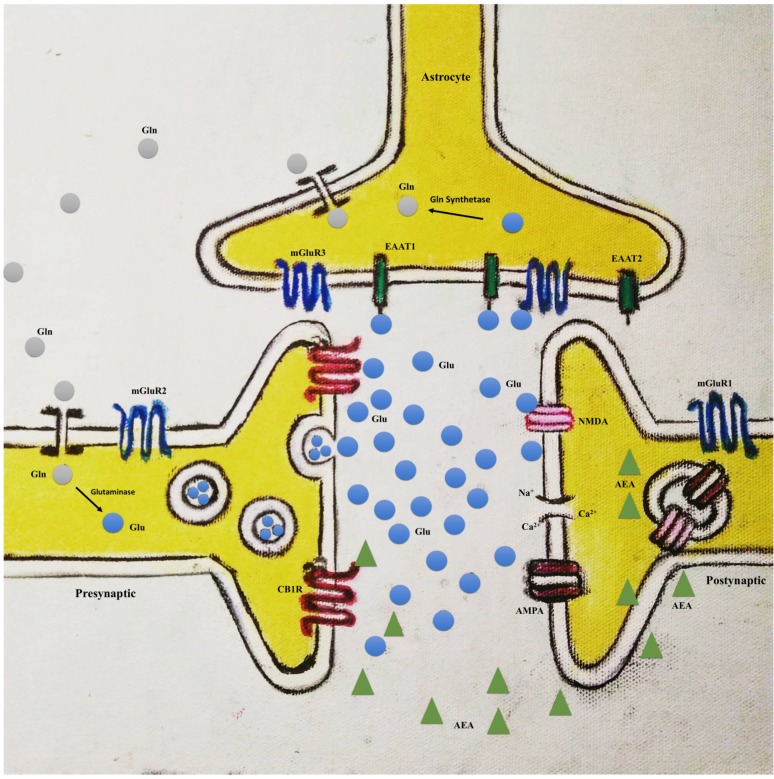
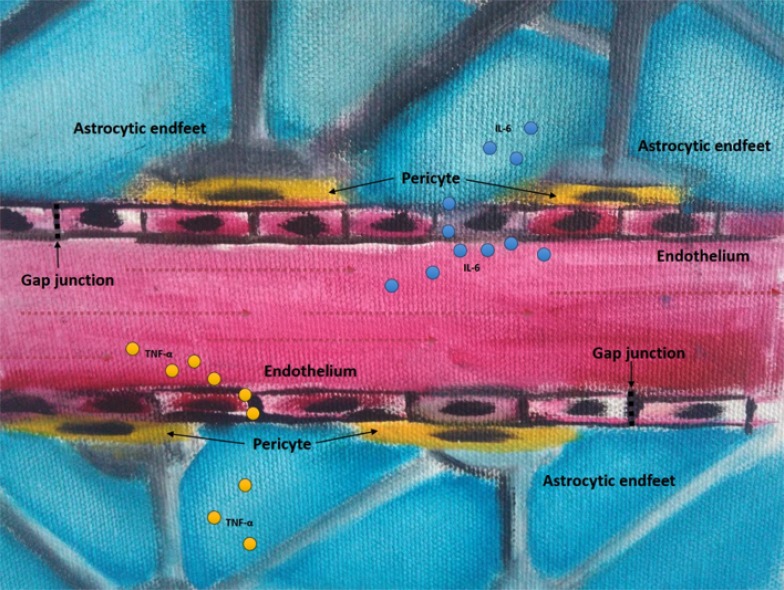
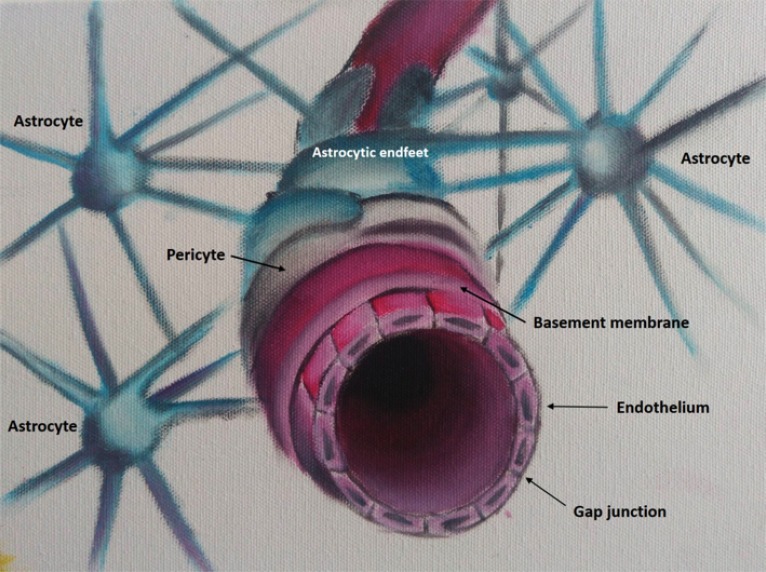
Accumulating evidence has shown the importance of glial cells in the neurobiology of bipolar disorder. Activated microglia and inflammatory cytokines have been pointed out as potential biomarkers of bipolar disorder. Indeed, recent studies have shown that bipolar disorder involves microglial activation in the hippocampus and alterations in peripheral cytokines, suggesting a potential link between neuroinflammation and peripheral toxicity. These abnormalities may also be the biological underpinnings of outcomes related to neuroprogression, such as cognitive impairment and brain changes. Additionally, astrocytes may have a role in the progression of bipolar disorder, as these cells amplify inflammatory response and maintain glutamate homeostasis, preventing excitotoxicity. The present review aims to discuss neuron-glia interactions and their role in the pathophysiology and treatment of bipolar disorder.
越来越多的证据表明神经胶质细胞在双相情感障碍的神经生物学中具有重要作用。已指出激活的小胶质细胞和炎症细胞因子可能是双相情感障碍的潜在生物标志物。事实上,最近的研究表明,双相情感障碍涉及海马体中小胶质细胞的激活和外周细胞因子的改变,提示神经炎症和外周毒性之间可能存在联系。这些异常也可能是与神经进展相关结果的生物学基础,如认知障碍和大脑变化。此外,星形胶质细胞可能在双相情感障碍的进展中发挥作用,因为这些细胞放大炎症反应并维持谷氨酸稳态,防止兴奋性毒性。本综述旨在讨论神经元-神经胶质细胞相互作用及其在双相情感障碍的病理生理学和治疗中的作用。