Singh Ashish K, Prakash Pradyot, Singh Ranjana, Nandy Nabarun, Firdaus Zeba, Bansal Monika, Singh Ranjan K, Srivastava Anchal, Roy Jagat K, Mishra Brahmeshwar, Singh Rakesh K
Bacterial Biofilm and Drug Resistance Research Group, Department of Microbiology, Institute of Medical Sciences, Banaras Hindu UniversityVaranasi, India.
Molecular Immunology Laboratory, Department of Biochemistry, Institute of Science, Banaras Hindu UniversityVaranasi, India.
Front Microbiol. 2017 Aug 9;8:1517. doi: 10.3389/fmicb.2017.01517. eCollection 2017.
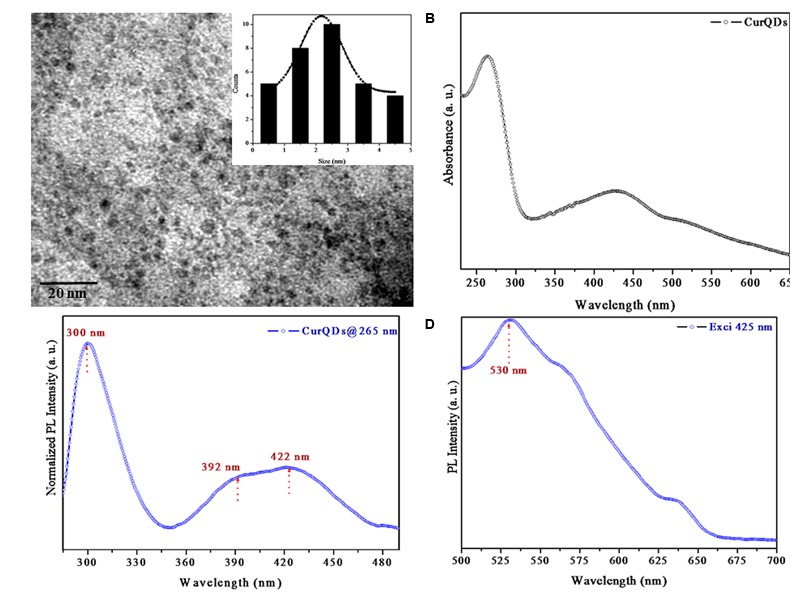
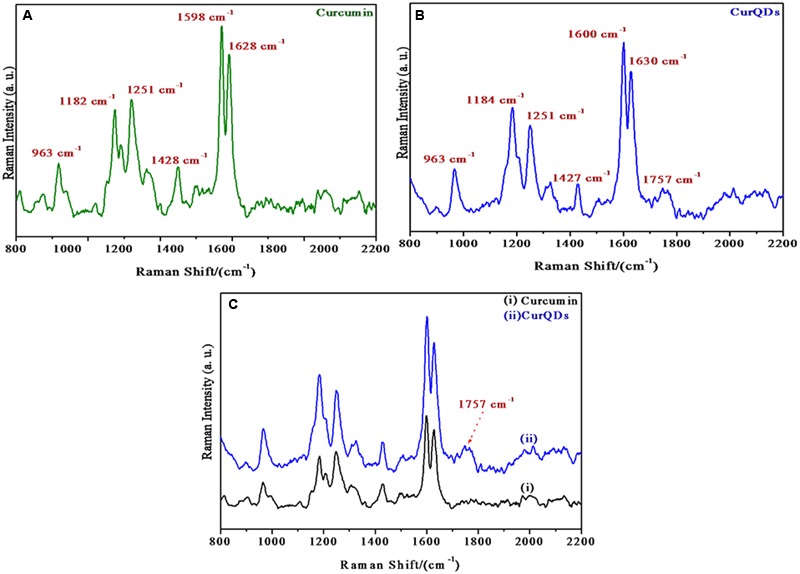
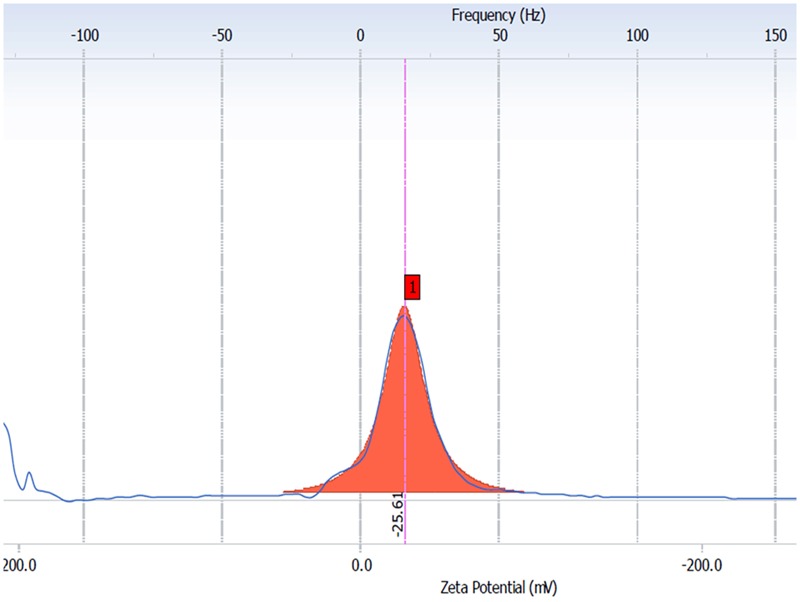
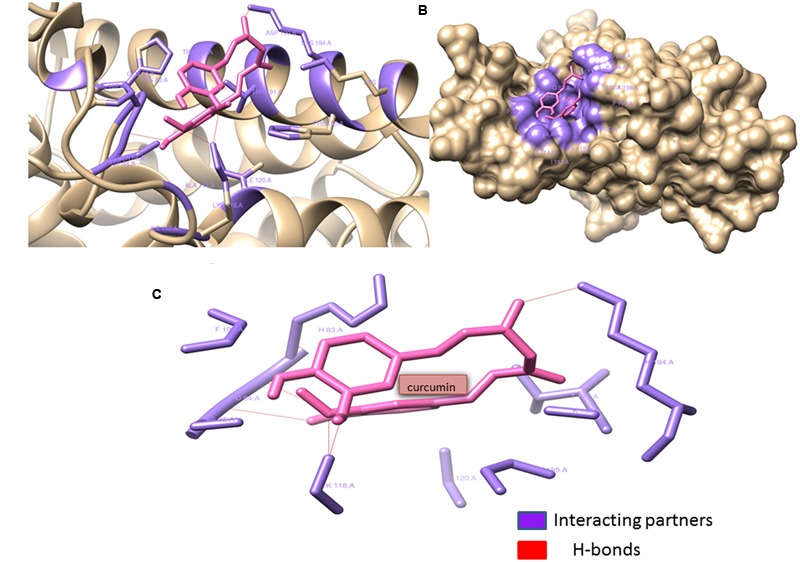
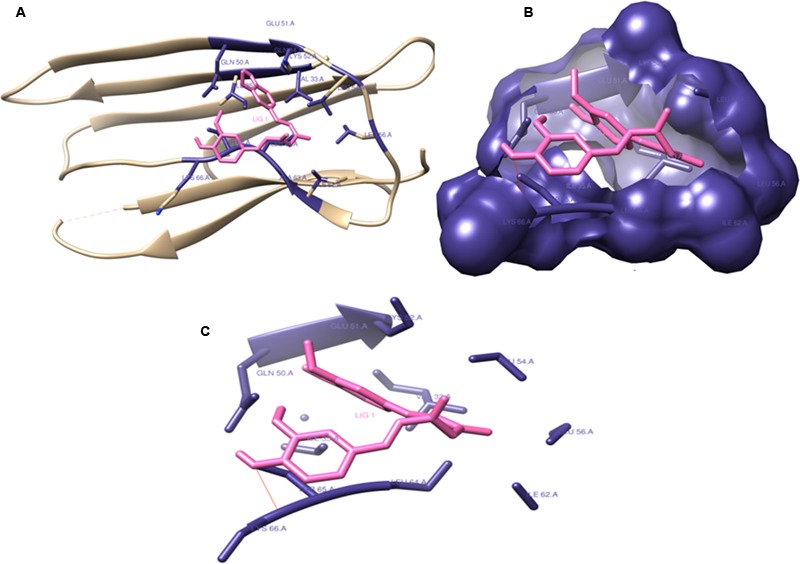
Bacterial biofilm has been reported to be associated with more than 80% of bacterial infections. Curcumin, a hydrophobic polyphenol compound, has anti-quorum sensing activity apart from having antimicrobial action. However, its use is limited by its poor aqueous solubility and rapid degradation. In this study, we attempted to prepare quantum dots of the drug curcumin in order to achieve enhanced solubility and stability and investigated for its antimicrobial and antibiofilm activity. We utilized a newer two-step bottom up wet milling approach to prepare Curcumin Quantum Dots (CurQDs) using acetone as a primary solvent. Minimum inhibitory concentration against select Gram-positive and Gram-negative bacteria was performed. The antibiofilm assay was performed at first using 96-well tissue culture plate and subsequently validated by Confocal Laser Scanning Microscopy. Further, biofilm matrix protein was isolated using formaldehyde sludge and TCA/Acetone precipitation method. Protein extracted was incubated with varying concentration of CurQDs for 4 h and was subjected to SDS-PAGE. Molecular docking study was performed to observe interaction between curcumin and phenol soluble modulins as well as curli proteins. The biophysical evidences obtained from TEM, SEM, UV-VIS, fluorescence, Raman spectroscopy, and zeta potential analysis confirmed the formation of curcumin quantum dots with increased stability and solubility. The MICs of curcumin quantum dots, as observed against both select gram positive and negative bacterial isolates, was observed to be significantly lower than native curcumin particles. On TCP assay, Curcumin observed to be having antibiofilm as well as biofilm degrading activity. Results of SDS-PAGE and molecular docking have shown interaction between biofilm matrix proteins and curcumin. The results indicate that aqueous solubility and stability of Curcumin can be achieved by preparing its quantum dots. The study also demonstrates that by sizing down the particle size has not only enhanced its antimicrobial properties but it has also shown its antibiofilm activities. Further, study is needed to elucidate the exact nature of interaction between curcumin and biofilm matrix proteins.
据报道,超过80%的细菌感染与细菌生物膜有关。姜黄素是一种疏水性多酚化合物,除了具有抗菌作用外,还具有抗群体感应活性。然而,其应用受到其水溶性差和快速降解的限制。在本研究中,我们试图制备姜黄素药物量子点以提高其溶解度和稳定性,并研究其抗菌和抗生物膜活性。我们采用一种新的两步自下而上的湿磨方法,以丙酮作为主要溶剂制备姜黄素量子点(CurQDs)。对选定的革兰氏阳性和革兰氏阴性细菌进行了最低抑菌浓度检测。首先使用96孔组织培养板进行抗生物膜检测,随后通过共聚焦激光扫描显微镜进行验证。此外,使用甲醛污泥和TCA/丙酮沉淀法分离生物膜基质蛋白。提取的蛋白质与不同浓度的CurQDs孵育4小时,然后进行SDS-PAGE。进行分子对接研究以观察姜黄素与酚溶性调节素以及卷曲蛋白之间的相互作用。从透射电子显微镜(TEM)、扫描电子显微镜(SEM)、紫外可见光谱、荧光光谱、拉曼光谱和zeta电位分析获得的生物物理证据证实了姜黄素量子点的形成,其稳定性和溶解度增加。观察到姜黄素量子点对选定的革兰氏阳性和阴性细菌分离株的最低抑菌浓度明显低于天然姜黄素颗粒。在TCP检测中,观察到姜黄素具有抗生物膜以及生物膜降解活性。SDS-PAGE和分子对接结果显示生物膜基质蛋白与姜黄素之间存在相互作用。结果表明,通过制备姜黄素量子点可以实现其水溶性和稳定性。该研究还表明,减小粒径不仅增强了其抗菌性能,还显示出其抗生物膜活性。此外,需要进一步研究以阐明姜黄素与生物膜基质蛋白之间相互作用的确切性质。