Carroll S M, Gaudray P, De Rose M L, Emery J F, Meinkoth J L, Nakkim E, Subler M, Von Hoff D D, Wahl G M
Mol Cell Biol. 1987 May;7(5):1740-50. doi: 10.1128/mcb.7.5.1740-1750.1987.
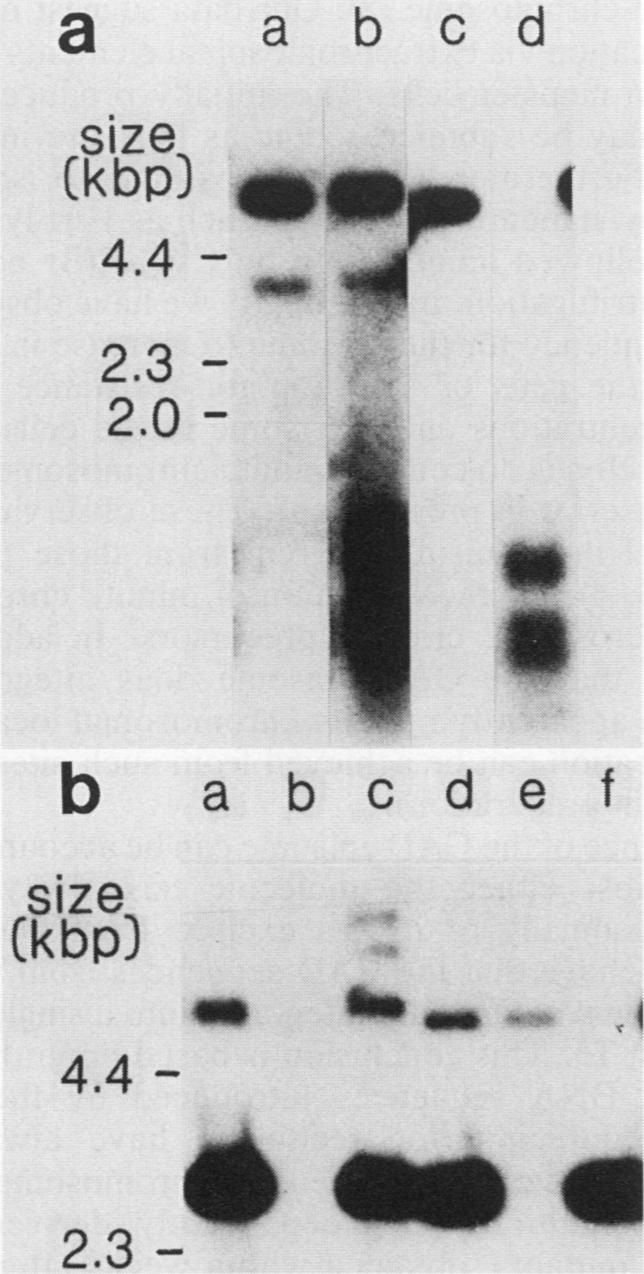
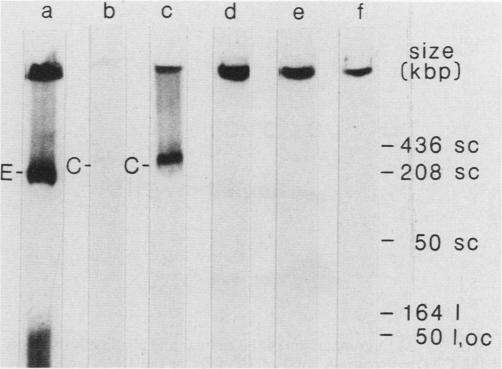
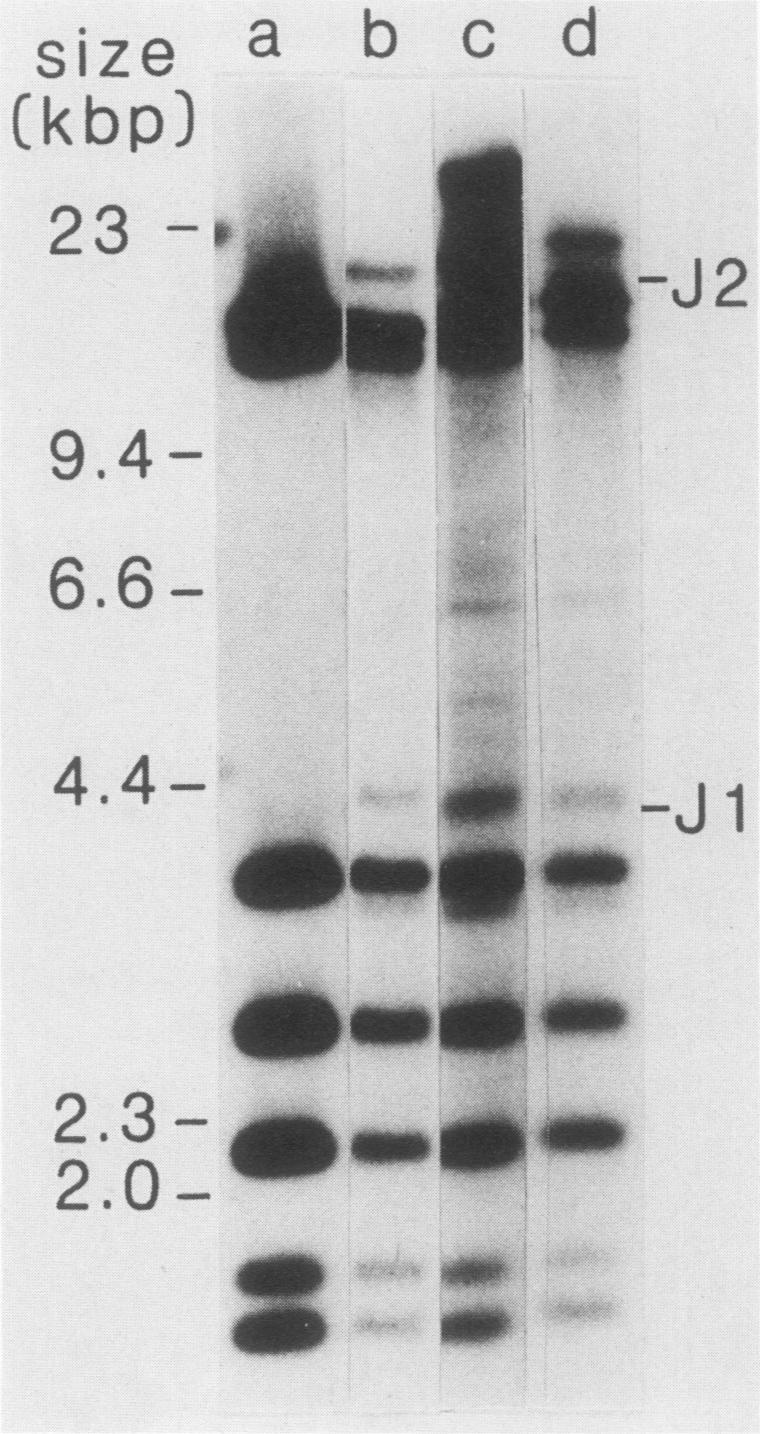
In a previous study (G. M. Wahl, B. Robert de Saint Vincent, and M. L. De Rose, Nature (London) 307:516-520, 1984), we used gene transfer of a CAD cosmid to demonstrate that gene position profoundly affects amplification frequency. One transformant, T5, amplified the donated CAD genes at a frequency at least 100-fold higher than did the other transformants analyzed. The CAD genes in T5 and two drug-resistant derivatives were chromosomally located. In this report, we show that a subclone of T5 gives rise to an extrachromosomal molecule (CAD episome) containing the donated CAD genes. Gel electrophoresis indicated that the CAD episome is approximately 250 to 300 kilobase pairs, and a variety of methods showed that it is a covalently closed circle. We show that the CAD episome replicates semiconservatively and approximately once per cell cycle. Since the CAD cosmid, which comprises most of the CAD episome, does not replicate autonomously when transfected into cells, our results indicate that either the process which generated the episome resulted in a cellular origin of DNA replication being linked to the CAD sequences or specific rearrangements within the episome generated a functional origin. The implications of these results for mechanisms of gene amplification and the genesis of minute chromosomes are discussed.
在之前的一项研究中(G.M.瓦尔、B.罗伯特·德·圣文森特和M.L.德罗丝,《自然》(伦敦)307:516 - 520,1984年),我们通过CAD黏粒的基因转移来证明基因位置对扩增频率有深远影响。一个转化体T5扩增所捐赠的CAD基因的频率至少比所分析的其他转化体高100倍。T5以及两个耐药衍生物中的CAD基因定位于染色体上。在本报告中,我们表明T5的一个亚克隆产生了一个含有所捐赠CAD基因的染色体外分子(CAD附加体)。凝胶电泳表明CAD附加体约为250至300千碱基对,并且多种方法显示它是一个共价闭合环。我们表明CAD附加体进行半保留复制,并且每个细胞周期大约复制一次。由于构成大部分CAD附加体的CAD黏粒转染到细胞中时不能自主复制,我们的结果表明,要么产生附加体的过程导致DNA复制的细胞起源与CAD序列相连,要么附加体内的特定重排产生了一个功能性起源。讨论了这些结果对基因扩增机制和微小染色体起源的意义。