Jiangsu Key Laboratory of Crop Genetics and Physiology, College of Horticulture and Plant Protection, Yangzhou University, Yangzhou, China.
Sci Rep. 2017 Sep 5;7(1):10423. doi: 10.1038/s41598-017-10799-9.
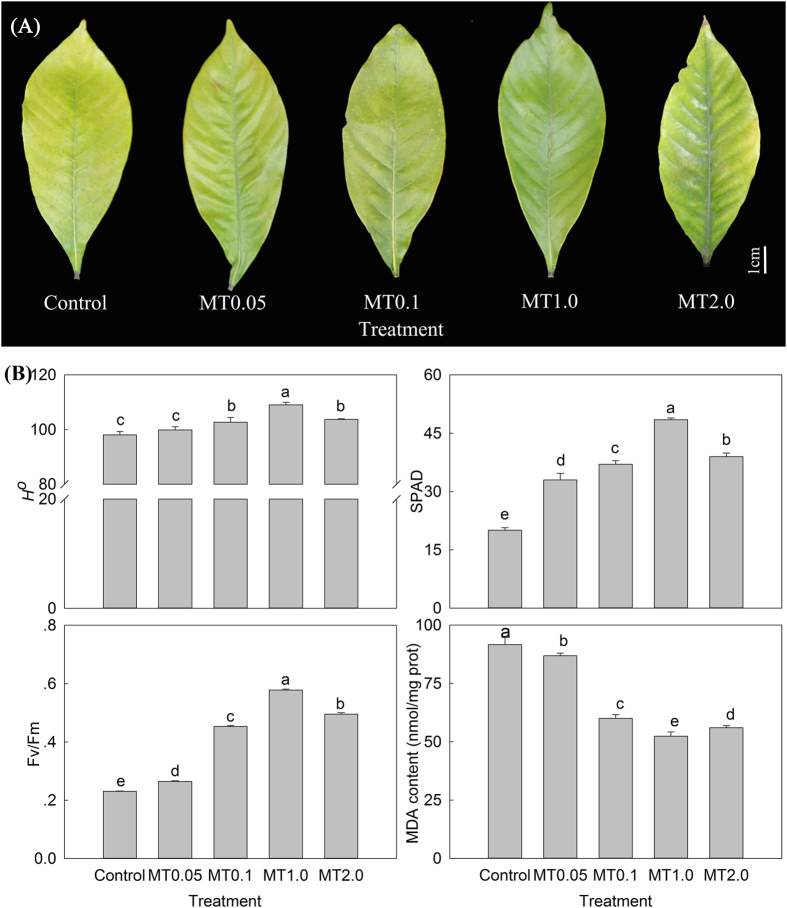
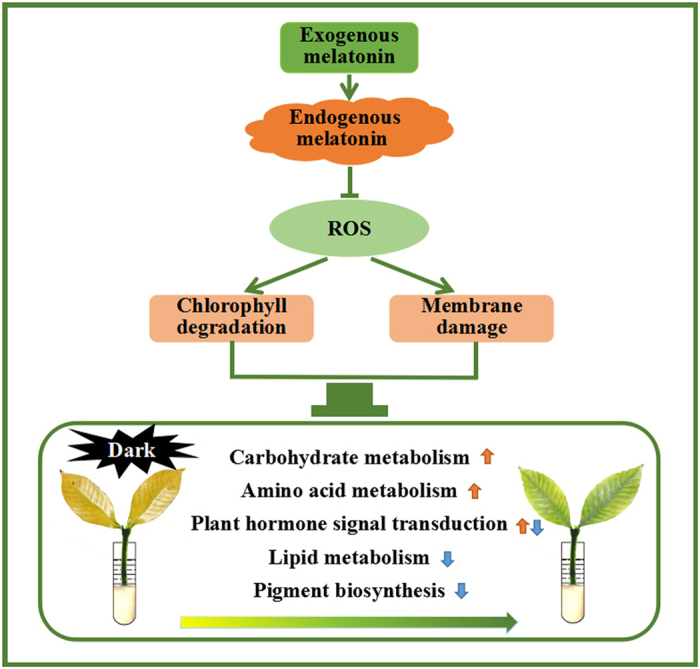
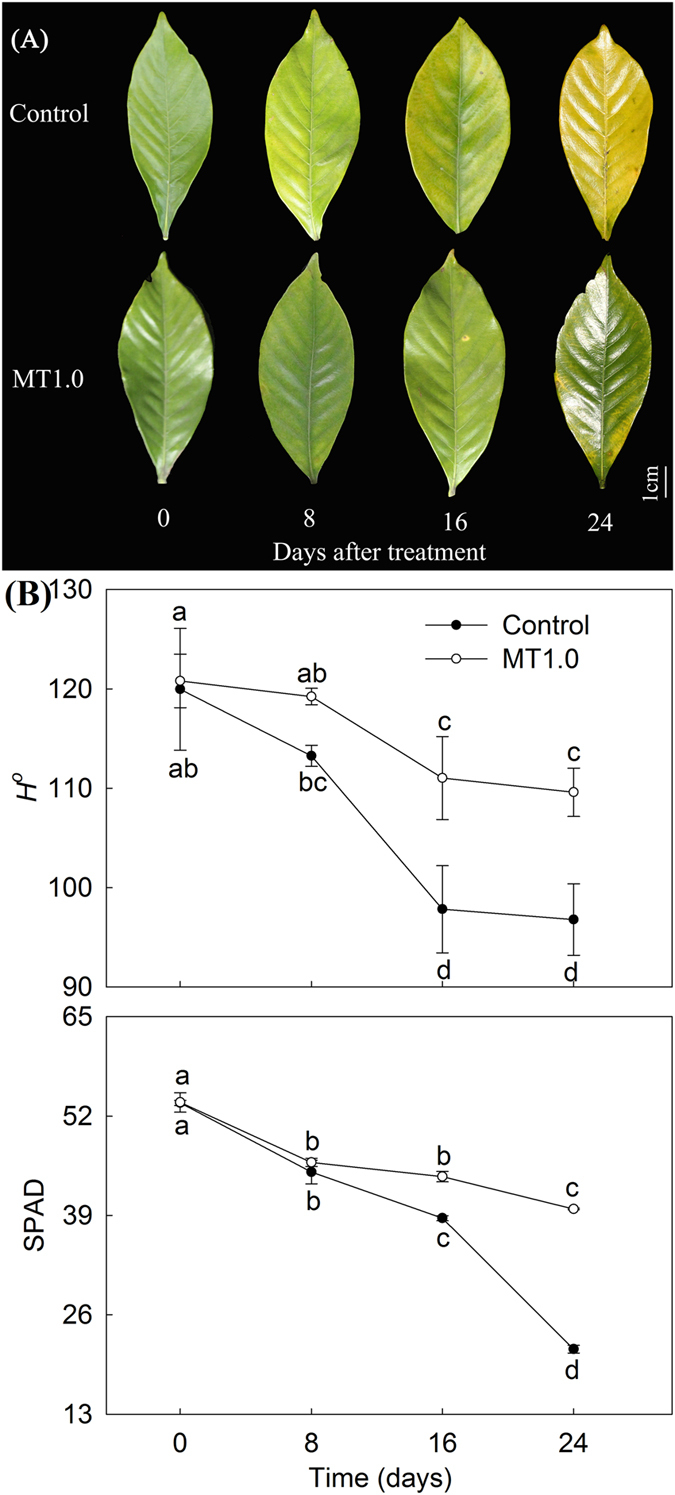
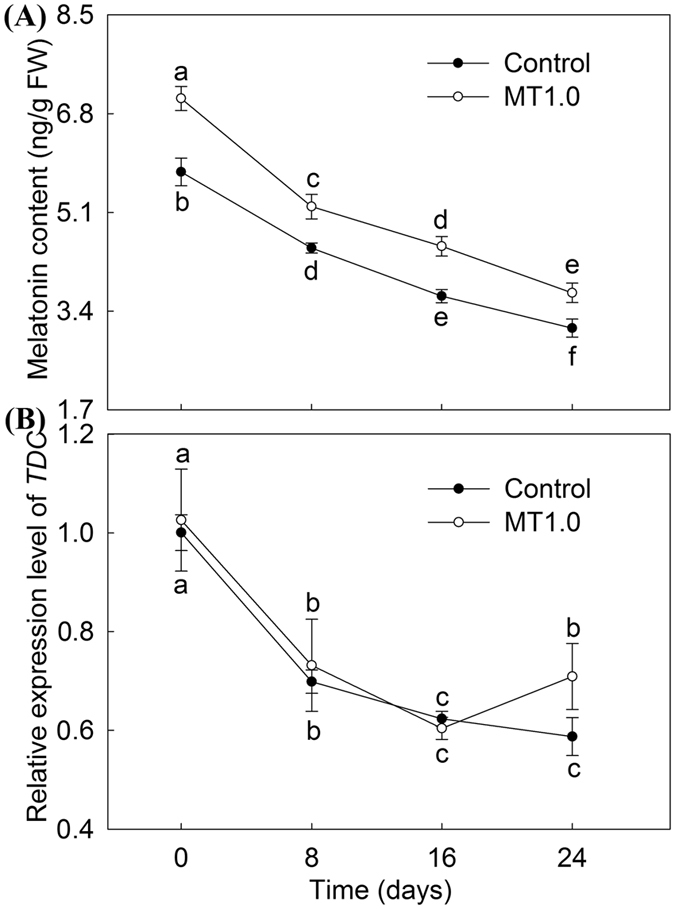
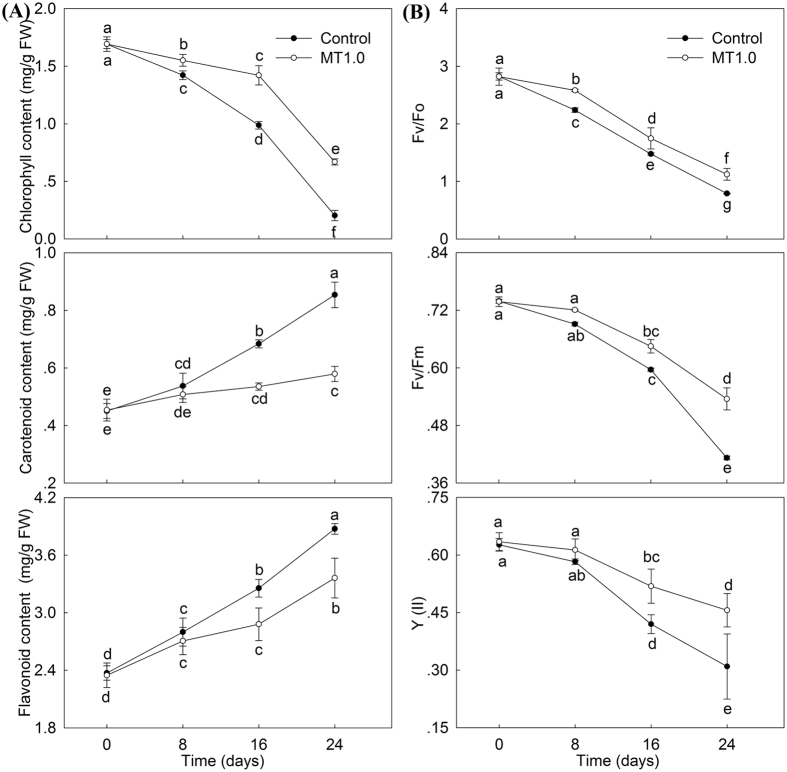
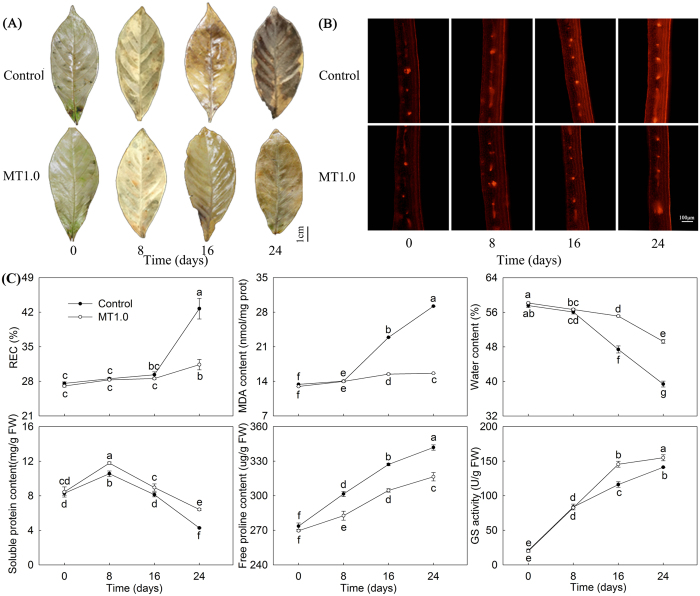
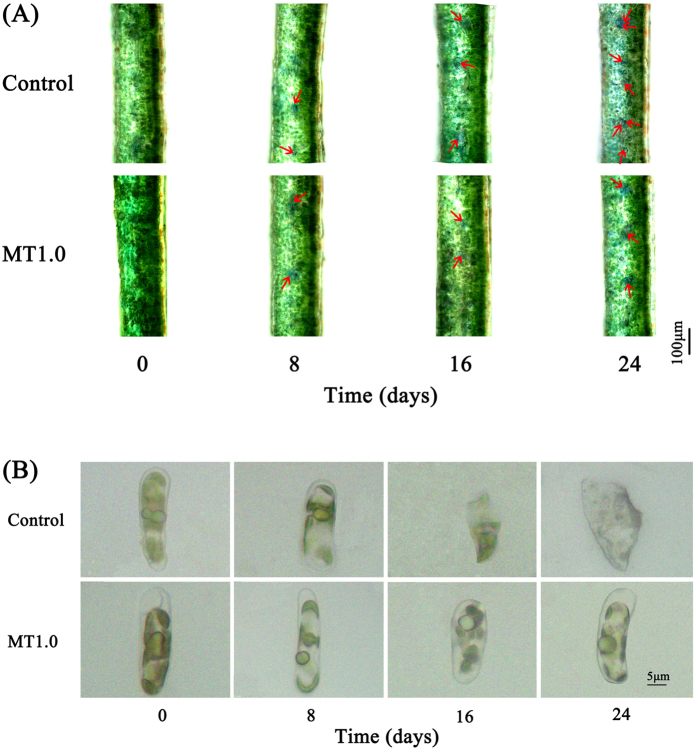
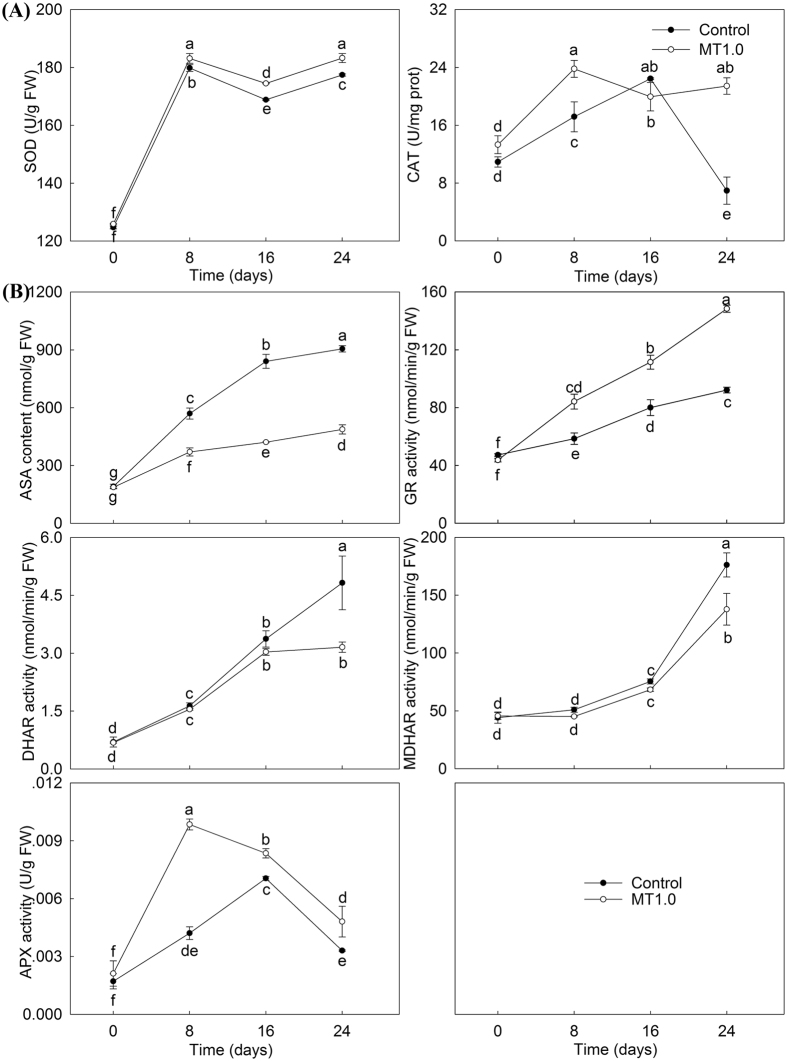
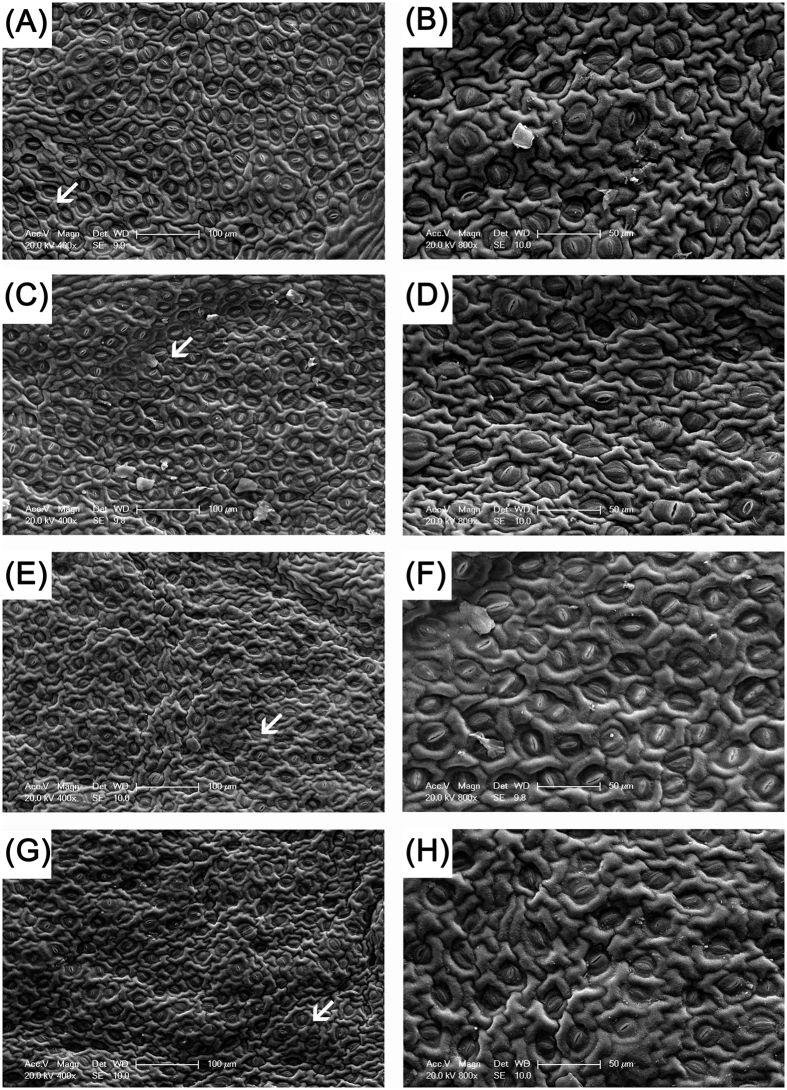
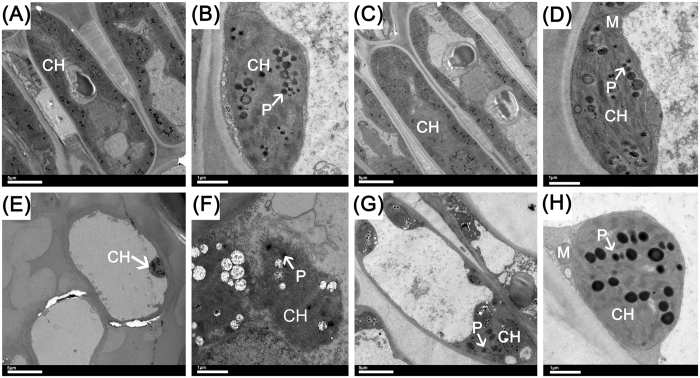
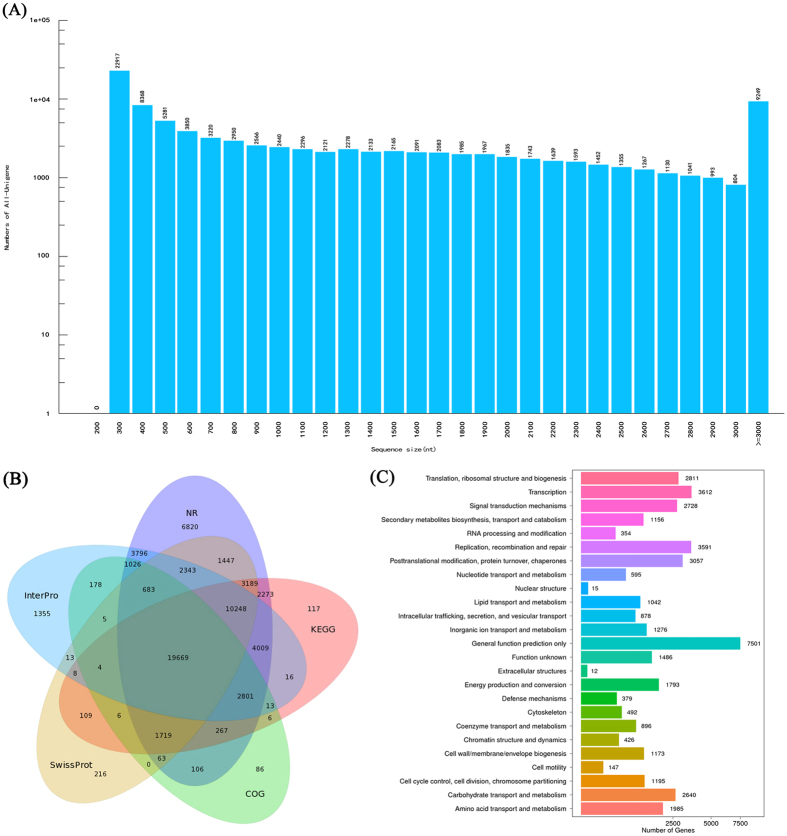
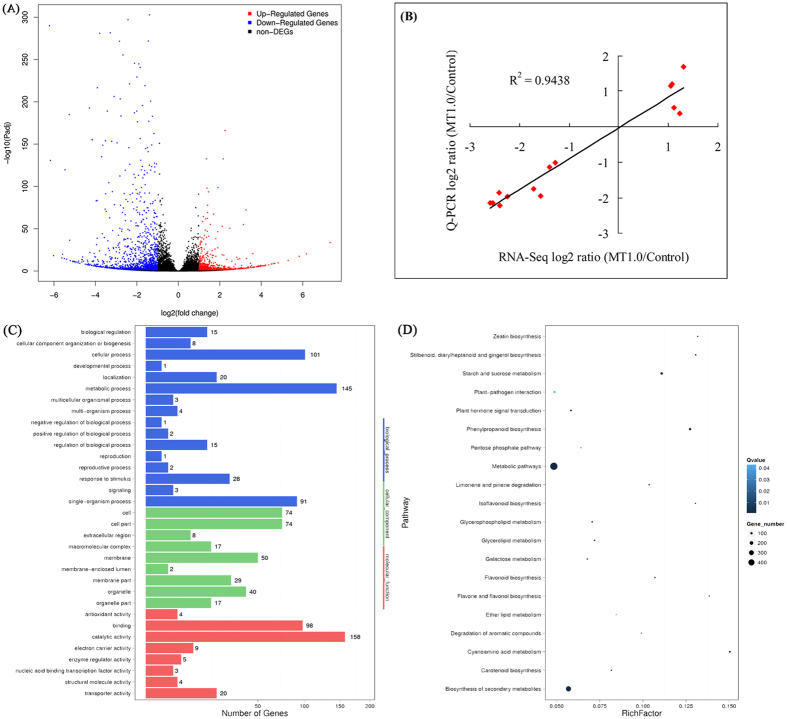
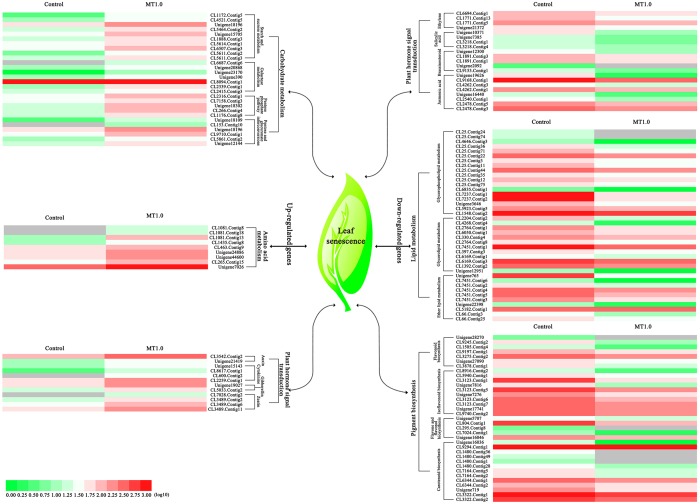
Cut gardenia (Gardenia jasminoides Ellis) foliage is widely used as a vase material or flower bouquet indoors; however, insufficient indoor light accelerates its senescence, which shortens its viewing time. In this study, applying melatonin to delay gardenia leaf senescence when exposed to extremely low light condition (darkness), and the results showed that 1.0 mM was the effective concentration. At this concentration, chlorophyll contents and chlorophyll fluorescence parameters (F/F, F/F and Y(II)) increased, while the carotenoid and flavonoid contents decreased. Meanwhile, stress physiological indices decreased in response to exogenous melatonin application, whereas an increase in glutamine synthetase activity, water and soluble protein contents was observed. Moreover, exogenous melatonin application also reduced leaf programmed cell death under darkness, increased the endogenous melatonin level, expression levels of tryptophan decarboxylase gene, superoxide dismutase and catalase activities and the ascorbate-glutathione cycle, and maintained more intact anatomical structures. Furthermore, transcriptome sequencing revealed that various biological processes responded to exogenous melatonin application, including carbohydrate metabolism, amino acid metabolism, lipid metabolism, plant hormone signal transduction and pigment biosynthesis. Consequently, dark-induced leaf senescence in gardenia was significantly delayed. These results provided a better understanding for improving the ornamental value of cut gardenia foliage using melatonin.
切花栀子(Gardenia jasminoides Ellis)叶片广泛用作室内花瓶材料或花束;然而,室内光照不足会加速其衰老,缩短观赏时间。在这项研究中,应用褪黑素来延缓栀子叶片在极低光照条件(黑暗)下的衰老,结果表明 1.0mM 是有效的浓度。在该浓度下,叶绿素含量和叶绿素荧光参数(F/F、F/F 和 Y(II))增加,而类胡萝卜素和类黄酮含量下降。同时,应激生理指标对外源褪黑素的应用有响应下降,而谷氨酰胺合成酶活性、水和可溶性蛋白含量增加。此外,外源褪黑素的应用还减少了黑暗下叶片程序性细胞死亡,增加了内源性褪黑素水平、色氨酸脱羧酶基因表达水平、超氧化物歧化酶和过氧化氢酶活性以及抗坏血酸-谷胱甘肽循环,并保持了更完整的解剖结构。此外,转录组测序表明,各种生物过程对外源褪黑素的应用有响应,包括碳水化合物代谢、氨基酸代谢、脂质代谢、植物激素信号转导和色素生物合成。因此,栀子叶片的黑暗诱导衰老明显延迟。这些结果为利用褪黑素提高切花栀子叶片的观赏价值提供了更好的理解。