Department of Pharmacology, University of Colorado School of Medicine, Aurora, United States.
Center for Psychiatry and Neurosciences, University Paris-Descartes, Paris, France.
Elife. 2017 Sep 6;6:e27362. doi: 10.7554/eLife.27362.
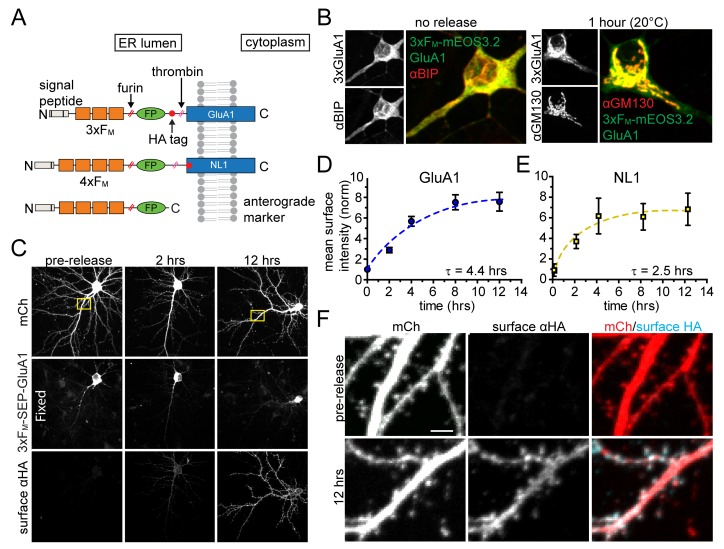
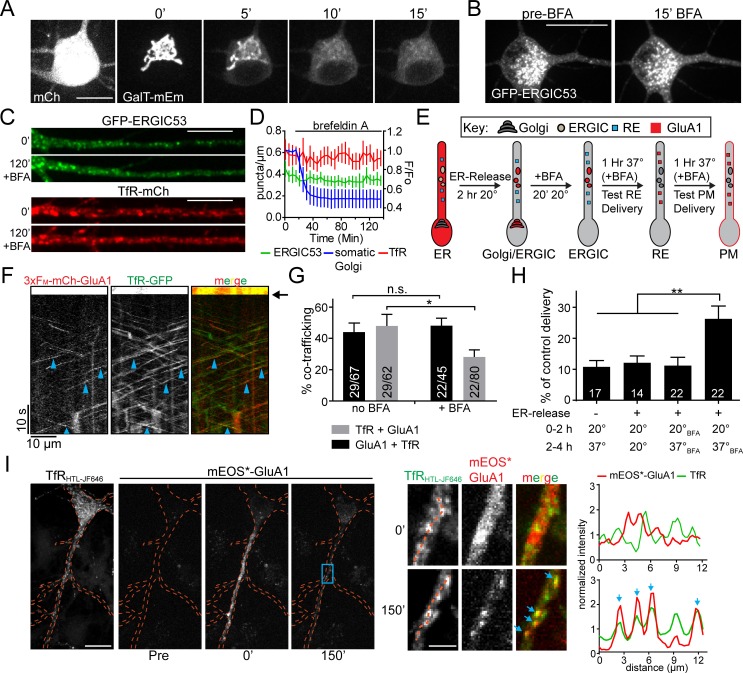
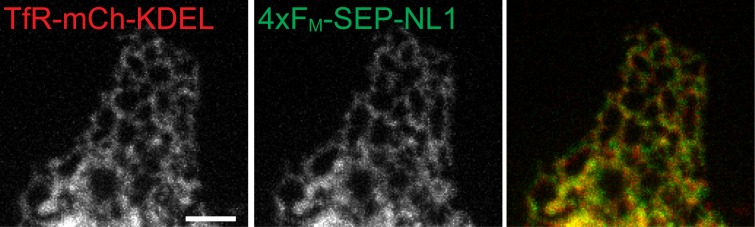
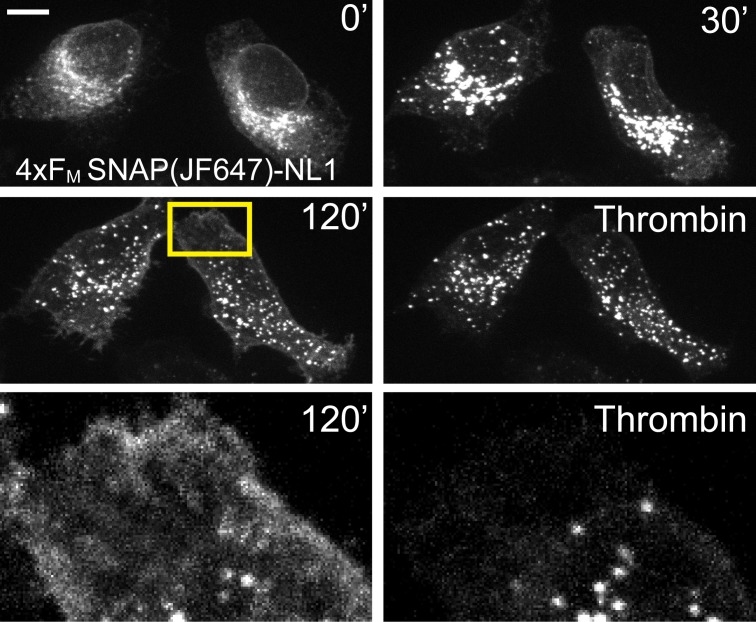
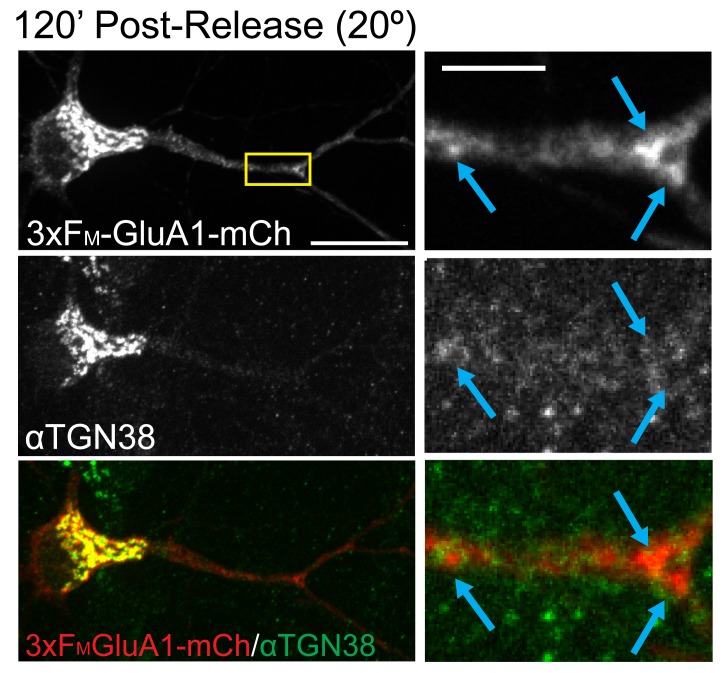
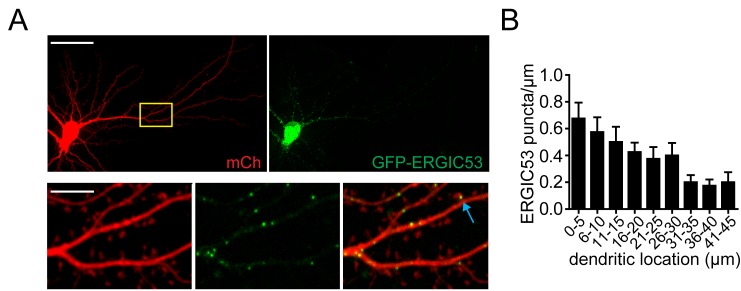
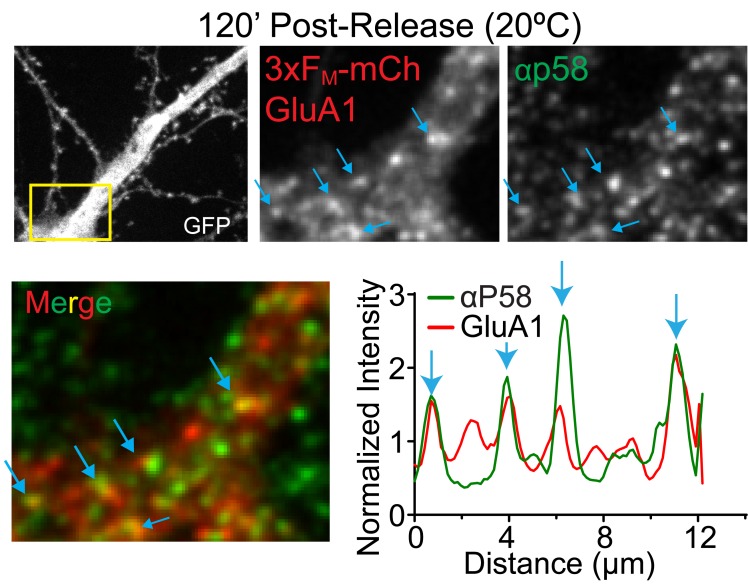
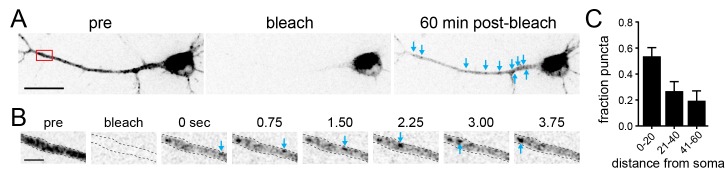
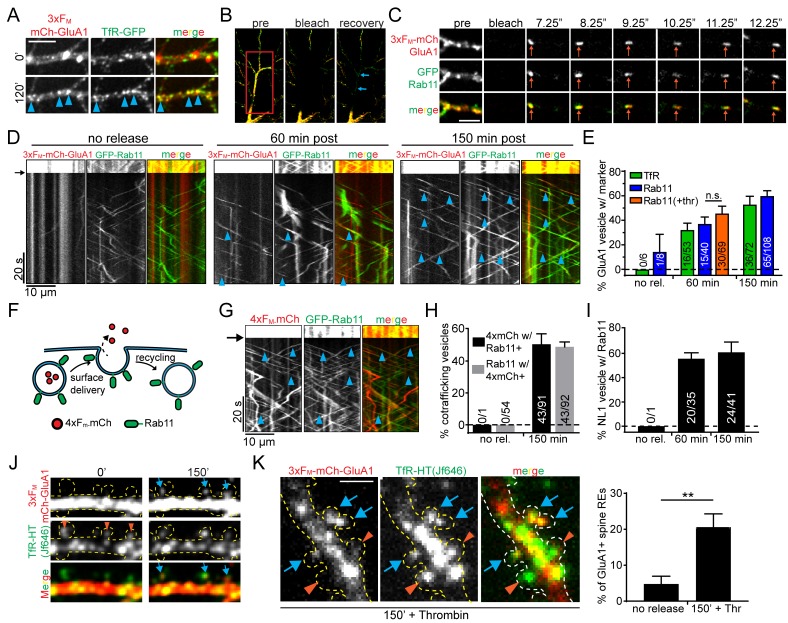
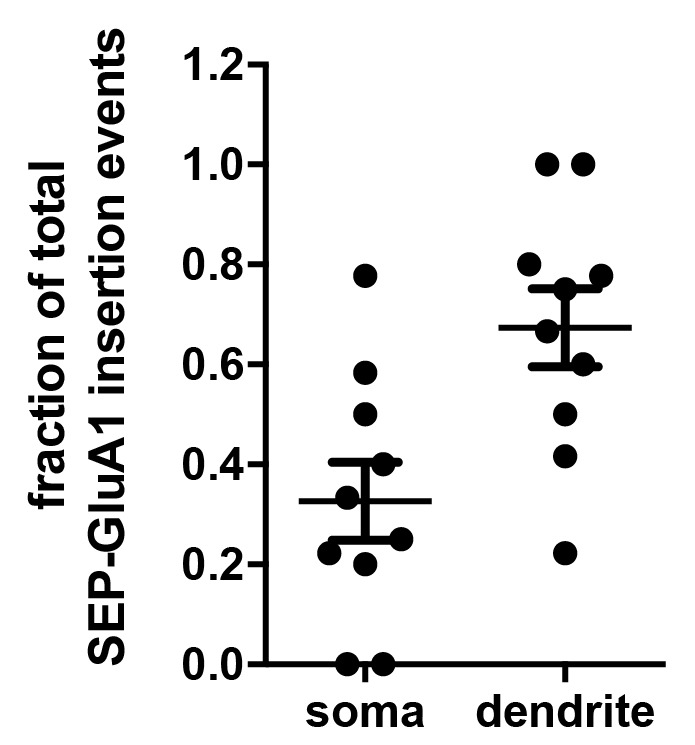
Neurons face the challenge of regulating the abundance, distribution and repertoire of integral membrane proteins within their immense, architecturally complex dendritic arbors. While the endoplasmic reticulum (ER) supports dendritic translation, most dendrites lack the Golgi apparatus (GA), an essential organelle for conventional secretory trafficking. Thus, whether secretory cargo is locally trafficked in dendrites through a non-canonical pathway remains a fundamental question. Here we define the dendritic trafficking itinerary for key synaptic molecules in rat cortical neurons. Following ER exit, the AMPA-type glutamate receptor GluA1 and neuroligin 1 undergo spatially restricted entry into the dendritic secretory pathway and accumulate in recycling endosomes (REs) located in dendrites and spines before reaching the plasma membrane. Surprisingly, GluA1 surface delivery occurred even when GA function was disrupted. Thus, in addition to their canonical role in protein recycling, REs also mediate forward secretory trafficking in neuronal dendrites and spines through a specialized GA-independent trafficking network.
神经元面临着在其巨大、结构复杂的树突状分支中调节整合膜蛋白的丰度、分布和库的挑战。虽然内质网 (ER) 支持树突状翻译,但大多数树突缺乏高尔基体 (GA),这是传统分泌运输的必需细胞器。因此,分泌货物是否通过非经典途径在树突中局部运输仍然是一个基本问题。在这里,我们定义了大鼠皮质神经元中关键突触分子的树突状运输途径。在 ER 出口后,AMPA 型谷氨酸受体 GluA1 和神经连接蛋白 1 经历空间受限进入树突状分泌途径,并在到达质膜之前积累在位于树突和棘突中的再循环内体 (RE) 中。令人惊讶的是,即使 GA 功能受到破坏,GluA1 表面的传递也会发生。因此,除了它们在蛋白质回收中的经典作用外,RE 还通过专门的 GA 独立的运输网络介导神经元树突和棘突中的正向分泌运输。