School of Life and Environmental Sciences, The University of Sydney, NSW 2006, Australia.
ANSTO, New Illawarra Road, Lucas Heights, NSW 2234, Australia.
Acta Crystallogr D Struct Biol. 2017 Sep 1;73(Pt 9):710-728. doi: 10.1107/S2059798317011597. Epub 2017 Aug 18.
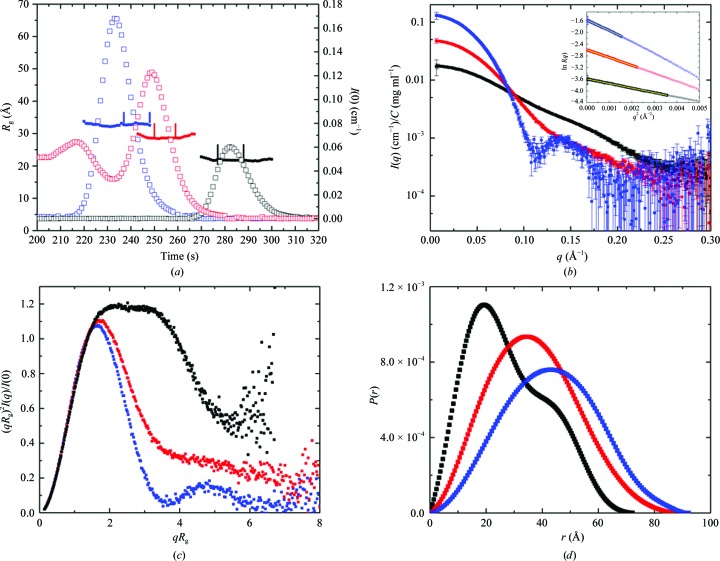
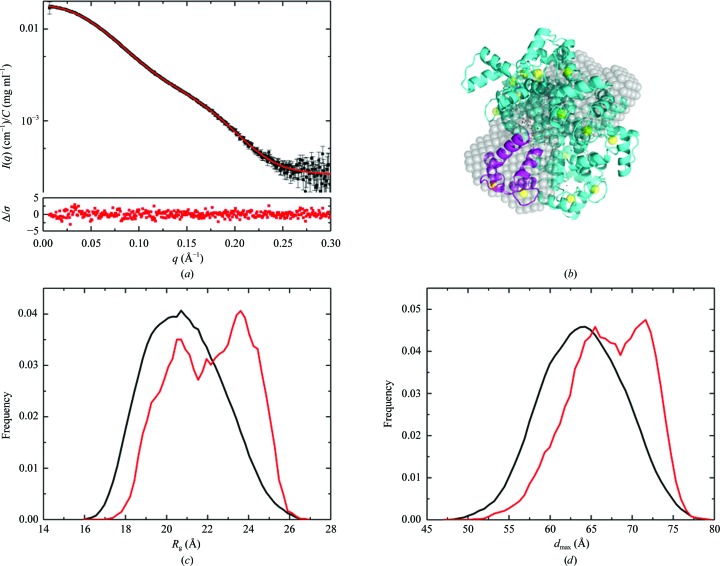
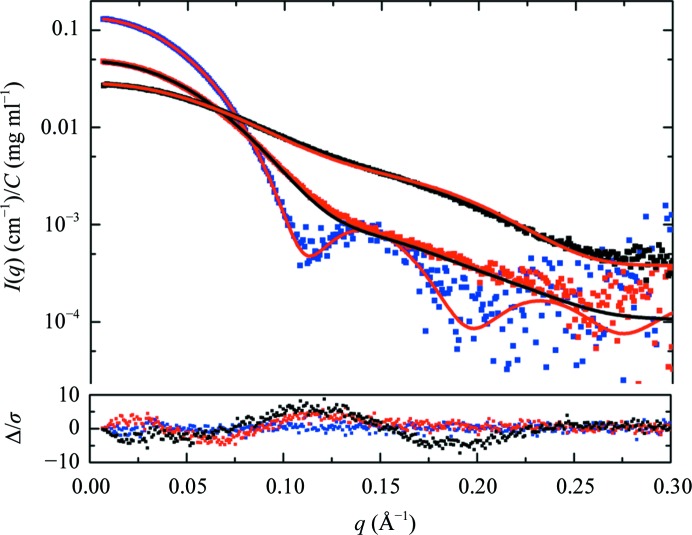
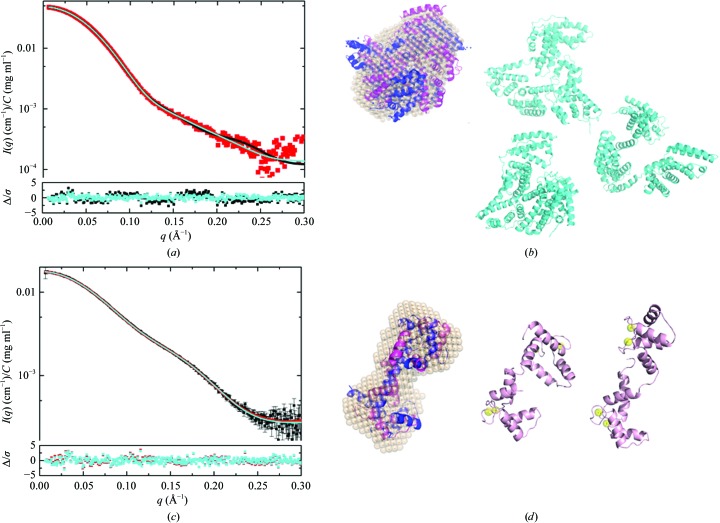
In 2012, preliminary guidelines were published addressing sample quality, data acquisition and reduction, presentation of scattering data and validation, and modelling for biomolecular small-angle scattering (SAS) experiments. Biomolecular SAS has since continued to grow and authors have increasingly adopted the preliminary guidelines. In parallel, integrative/hybrid determination of biomolecular structures is a rapidly growing field that is expanding the scope of structural biology. For SAS to contribute maximally to this field, it is essential to ensure open access to the information required for evaluation of the quality of SAS samples and data, as well as the validity of SAS-based structural models. To this end, the preliminary guidelines for data presentation in a publication are reviewed and updated, and the deposition of data and associated models in a public archive is recommended. These guidelines and recommendations have been prepared in consultation with the members of the International Union of Crystallography (IUCr) Small-Angle Scattering and Journals Commissions, the Worldwide Protein Data Bank (wwPDB) Small-Angle Scattering Validation Task Force and additional experts in the field.
2012 年,发表了初步指南,涵盖了样品质量、数据获取和减少、散射数据的呈现和验证以及生物分子小角散射(SAS)实验的建模。自那以后,生物分子 SAS 持续发展,作者越来越多地采用了初步指南。与此同时,生物分子结构的综合/混合测定是一个快速发展的领域,正在扩大结构生物学的范围。为了使 SAS 最大限度地为该领域做出贡献,必须确保可以公开访问评估 SAS 样品和数据质量以及基于 SAS 的结构模型有效性所需的信息。为此,对出版物中数据呈现的初步指南进行了审查和更新,并建议将数据和相关模型提交到公共档案中。这些指南和建议是与国际晶体学联合会(IUCr)小角散射和期刊委员会、全球蛋白质数据库(wwPDB)小角散射验证工作组以及该领域的其他专家协商制定的。