Center for Molecular and Clinical Immunology, Chang Gung University, Taoyuan, Taiwan.
Laboratory of Nanomaterials, Chang Gung University, Taoyuan, Taiwan.
Sci Rep. 2017 Sep 6;7(1):10650. doi: 10.1038/s41598-017-10479-8.
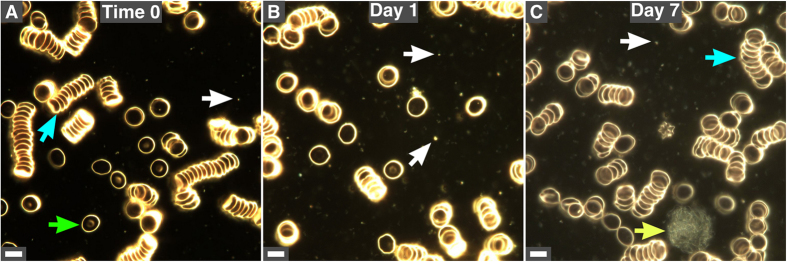
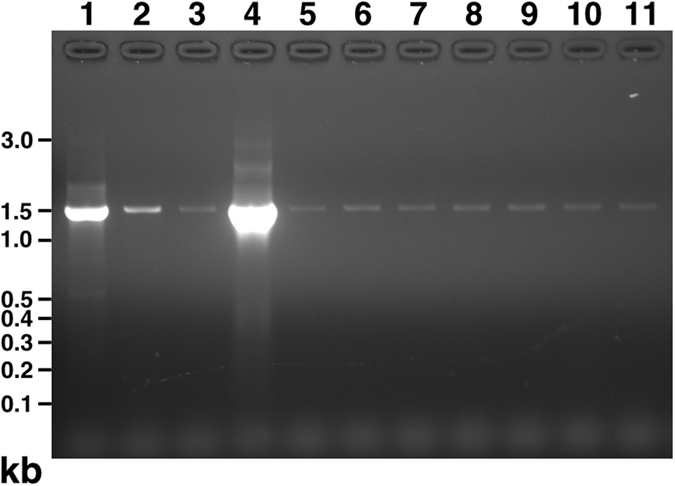
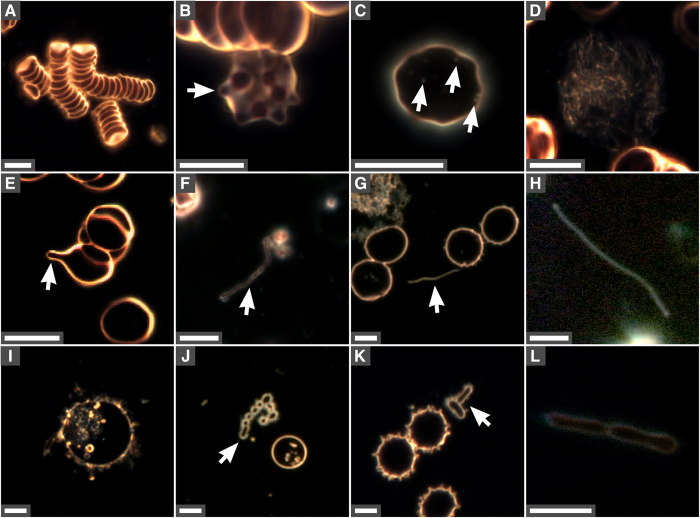
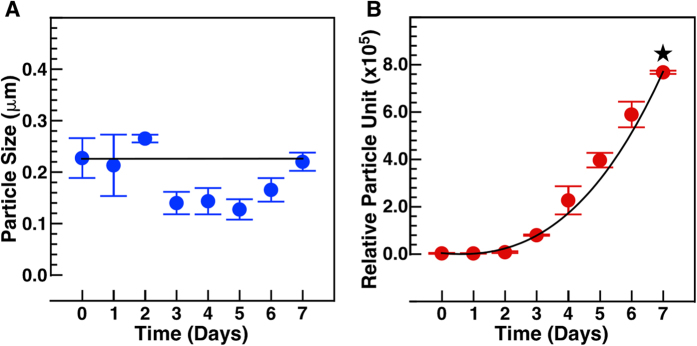
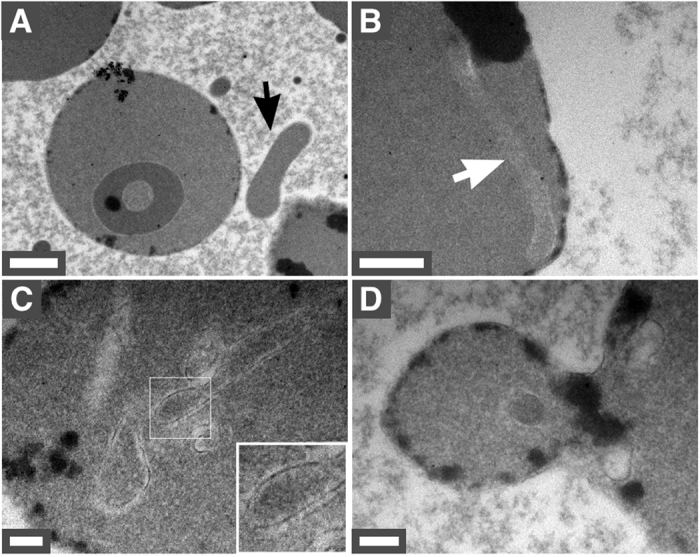
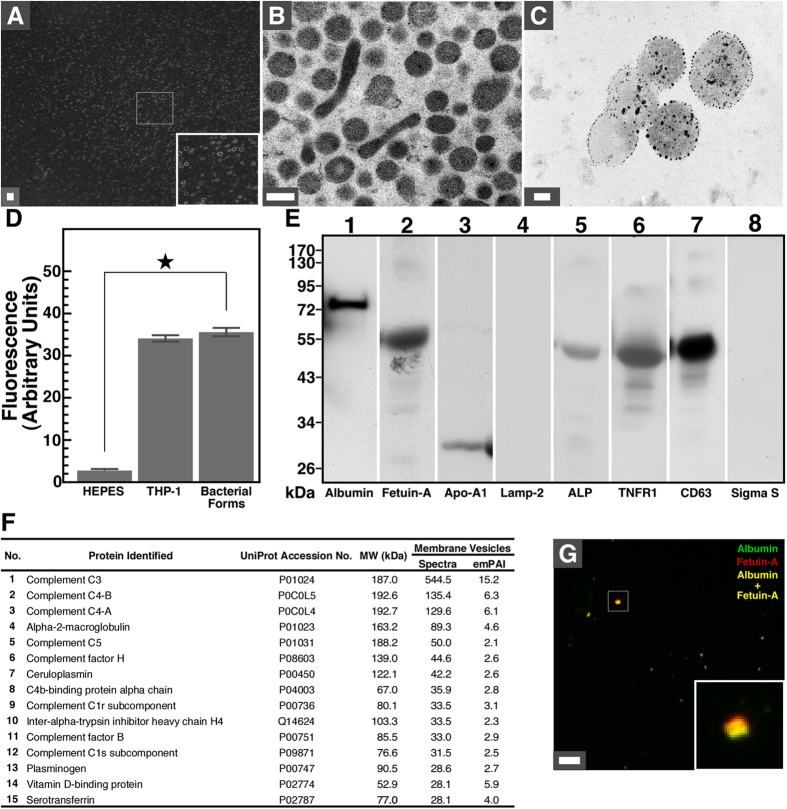
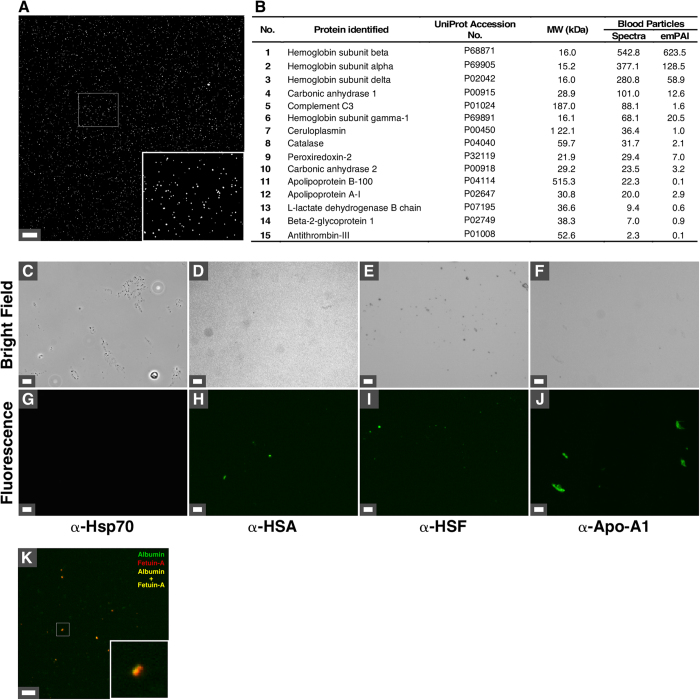
Although human blood is believed to be a sterile environment, recent studies suggest that pleomorphic bacteria exist in the blood of healthy humans. These studies have led to the development of "live-blood analysis," a technique used by alternative medicine practitioners to diagnose various human conditions, including allergies, cancer, cardiovascular disease and septicemia. We show here that bacteria-like vesicles and refringent particles form in healthy human blood observed under dark-field microscopy. These structures gradually increase in number during incubation and show morphologies reminiscent of cells undergoing division. Based on lipid analysis and Western blotting, we show that the bacteria-like entities consist of membrane vesicles containing serum and exosome proteins, including albumin, fetuin-A, apolipoprotein-A1, alkaline phosphatase, TNFR1 and CD63. In contrast, the refringent particles represent protein aggregates that contain several blood proteins. 16S rDNA PCR analysis reveals the presence of bacterial DNA in incubated blood samples but also in negative controls, indicating that the amplified sequences represent contaminants. These results suggest that the bacteria-like vesicles and refringent particles observed in human blood represent non-living membrane vesicles and protein aggregates derived from blood. The phenomena observed during live-blood analysis are therefore consistent with time-dependent decay of cells and body fluids during incubation ex vivo.
尽管人们认为血液是无菌的环境,但最近的研究表明,多形细菌存在于健康人体的血液中。这些研究导致了“活体血液分析”的发展,这是一种替代医学从业者用来诊断各种人类疾病的技术,包括过敏、癌症、心血管疾病和败血症。我们在这里展示,在暗场显微镜下观察到健康人血液中形成了类似细菌的囊泡和折射颗粒。这些结构在孵育过程中数量逐渐增加,并表现出类似于正在分裂的细胞的形态。基于脂质分析和 Western blot,我们表明类似细菌的实体由含有血清和外泌体蛋白的膜囊泡组成,包括白蛋白、胎球蛋白-A、载脂蛋白-A1、碱性磷酸酶、TNFR1 和 CD63。相比之下,折射颗粒代表含有几种血液蛋白的蛋白质聚集体。16S rDNA PCR 分析显示孵育血液样本中存在细菌 DNA,但阴性对照中也存在,表明扩增序列代表污染物。这些结果表明,在人血液中观察到的类似细菌的囊泡和折射颗粒代表源自血液的非生活膜囊泡和蛋白质聚集体。因此,活体血液分析中观察到的现象与体外孵育过程中细胞和体液的时间依赖性衰减是一致的。