Gainer P Jackson, Pound Helena L, Larkin Alyse A, LeCleir Gary R, DeBruyn Jennifer M, Zinser Erik R, Johnson Zackary I, Wilhelm Steven W
Department of Microbiology, The University of Tennessee, Knoxville, TN, United States of America.
Nicholas School of the Environment and Biology Department, Duke University Marine Laboratory, Beaufort, NC, United States of America.
PLoS One. 2017 Sep 7;12(9):e0184371. doi: 10.1371/journal.pone.0184371. eCollection 2017.
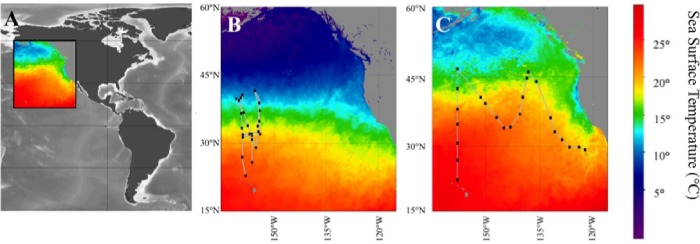
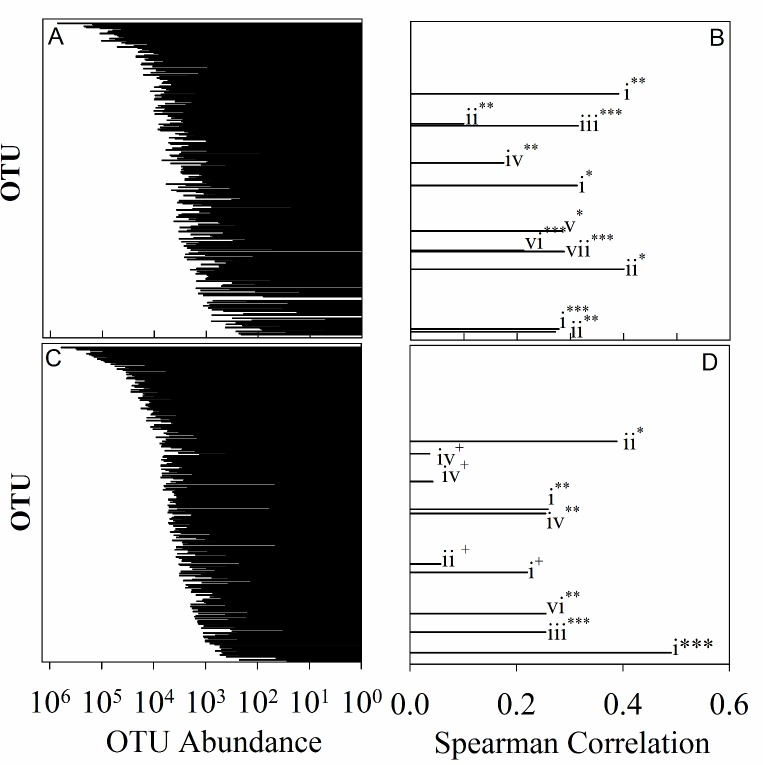
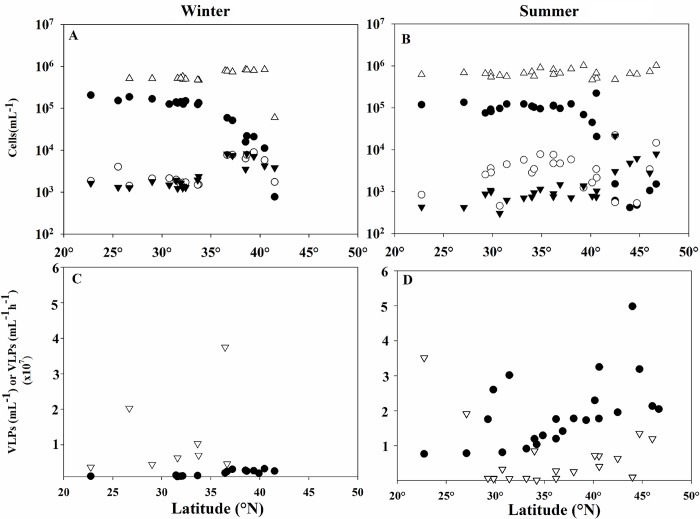
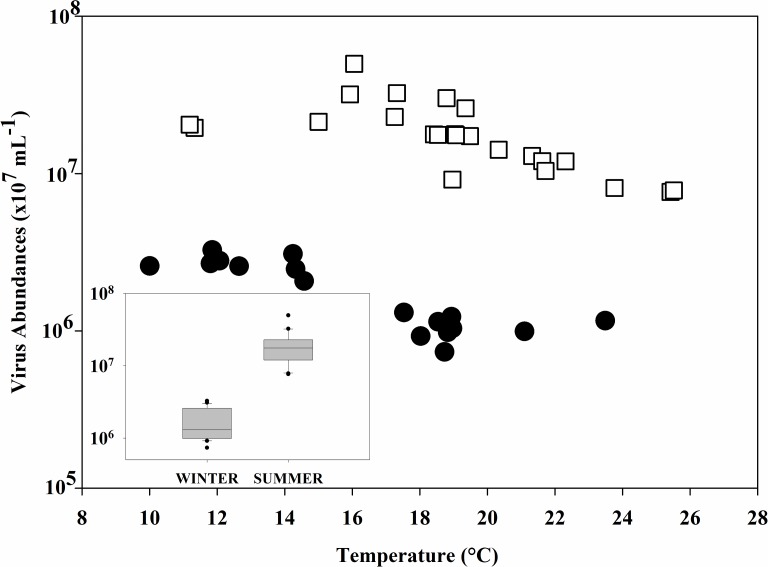
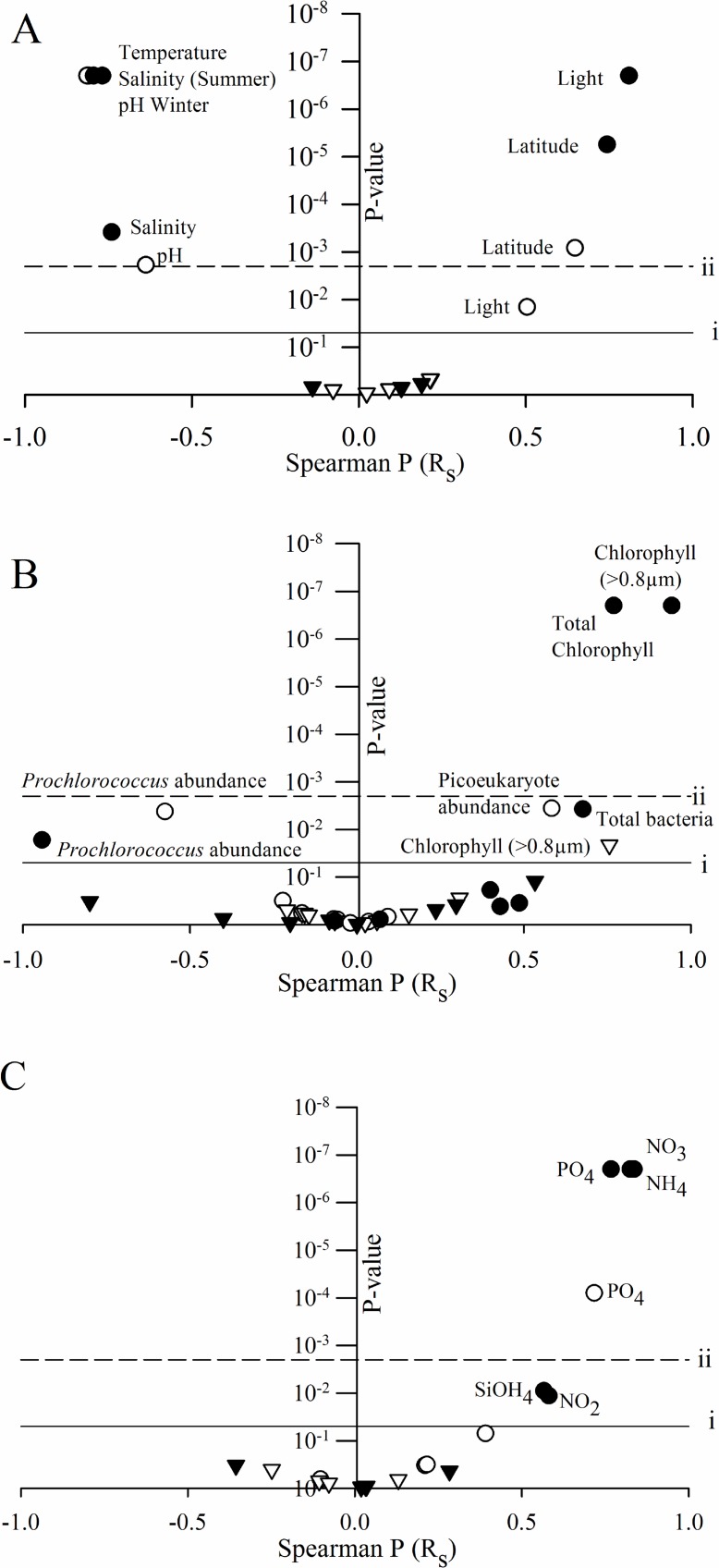
The North Pacific Ocean (between approximately 0°N and 50°N) contains the largest continuous ecosystem on Earth. This region plays a vital role in the cycling of globally important nutrients as well as carbon. Although the microbial communities in this region have been assessed, the dynamics of viruses (abundances and production rates) remains understudied. To address this gap, scientific cruises during the winter and summer seasons (2013) covered the North Pacific basin to determine factors that may drive virus abundances and production rates. Along with information on virus particle abundance and production, we collected a spectrum of oceanographic metrics as well as information on microbial diversity. The data suggest that both biotic and abiotic factors affect the distribution of virus particles. Factors influencing virus dynamics did not vary greatly between seasons, although the abundance of viruses was almost an order of magnitude greater in the summer. When considered in the context of microbial community structure, our observations suggest that members of the bacterial phyla Proteobacteria, Planctomycetes, and Bacteroidetes were correlated to both virus abundances and virus production rates: these phyla have been shown to be enriched in particle associated communities. The findings suggest that environmental factors influence virus community functions (e.g., virion particle degradation) and that particle-associated communities may be important drivers of virus activity.
北太平洋(约北纬0°至50°之间)拥有地球上最大的连续生态系统。该区域在全球重要营养物质以及碳的循环中发挥着至关重要的作用。尽管该区域的微生物群落已得到评估,但病毒的动态(丰度和生产率)仍研究不足。为填补这一空白,2013年冬夏两季的科学考察覆盖了北太平洋盆地,以确定可能驱动病毒丰度和生产率的因素。除了病毒颗粒丰度和生产率的信息外,我们还收集了一系列海洋学指标以及微生物多样性信息。数据表明,生物和非生物因素都会影响病毒颗粒的分布。影响病毒动态的因素在不同季节之间变化不大,尽管夏季病毒丰度几乎高出一个数量级。结合微生物群落结构来看,我们的观察结果表明,变形菌门、浮霉菌门和拟杆菌门的细菌成员与病毒丰度和病毒生产率均相关:这些门类已被证明在与颗粒相关的群落中富集。研究结果表明,环境因素会影响病毒群落功能(如病毒粒子降解),且与颗粒相关的群落可能是病毒活动的重要驱动因素。