WestCHEM School of Chemistry, University of Glasgow, Glasgow G12 8QQ, UK.
MRC Mitochondrial Biology Unit, University of Cambridge, Hills Road, Cambridge CB2 0XY, UK.
Cell Chem Biol. 2017 Oct 19;24(10):1285-1298.e12. doi: 10.1016/j.chembiol.2017.08.003. Epub 2017 Sep 7.
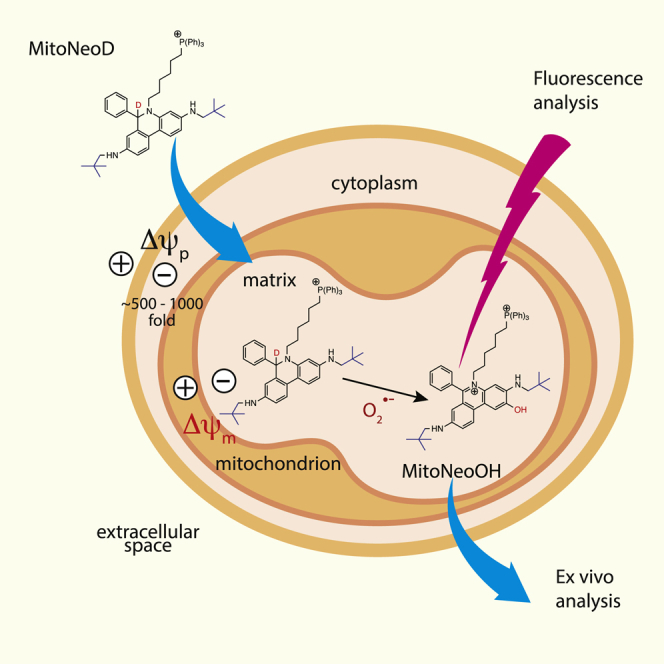
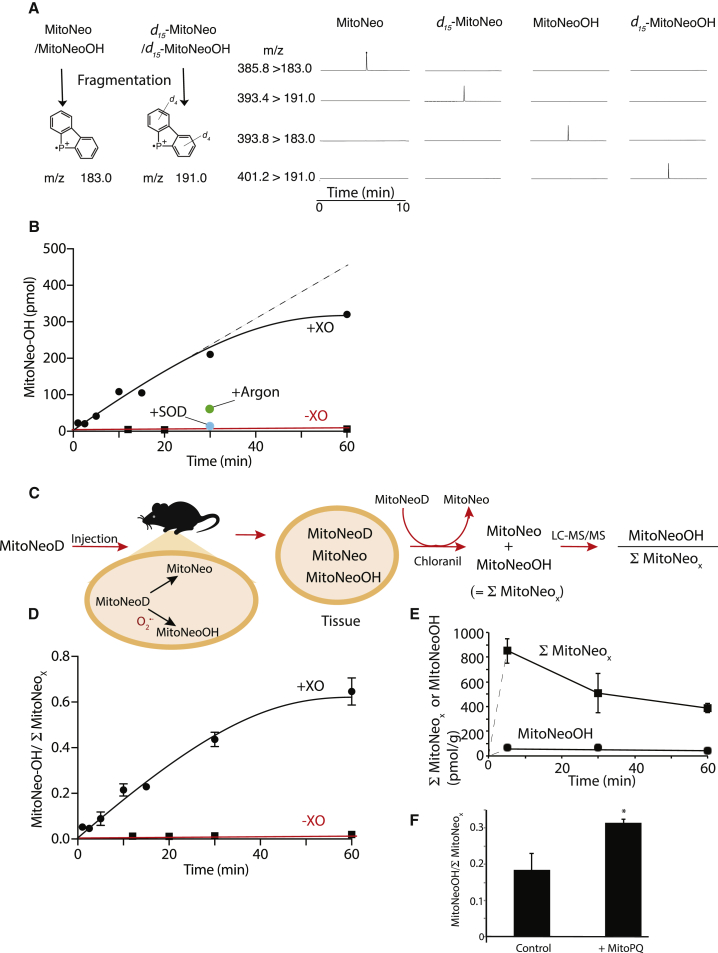
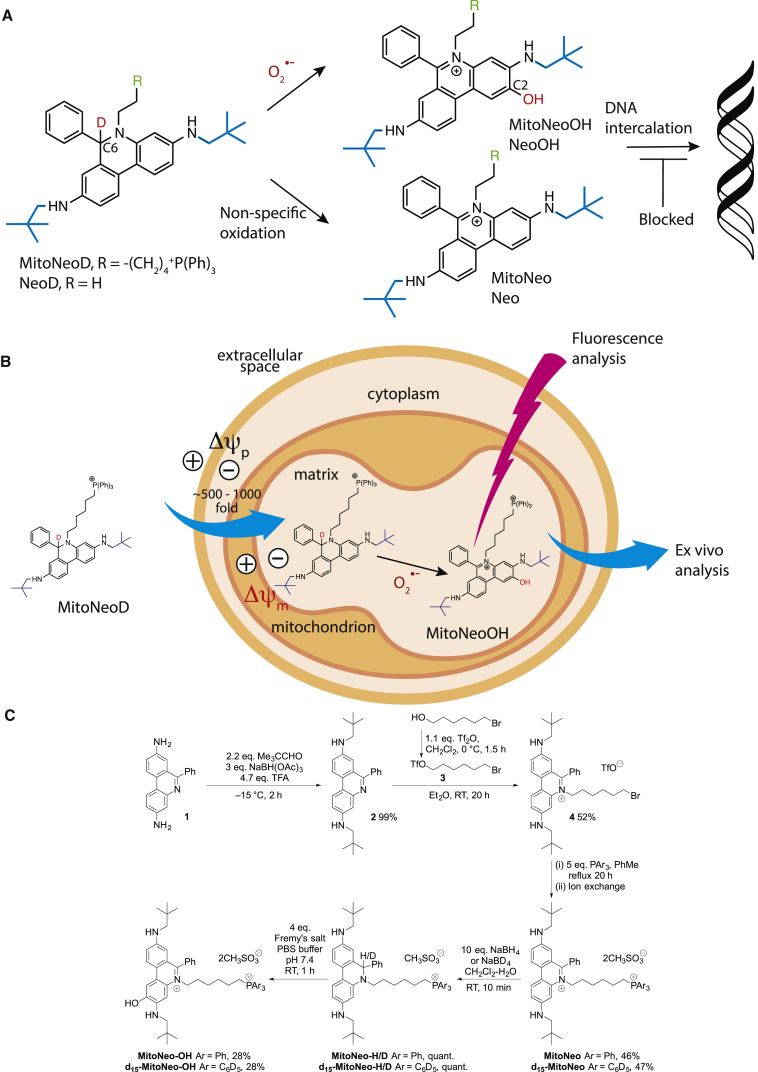
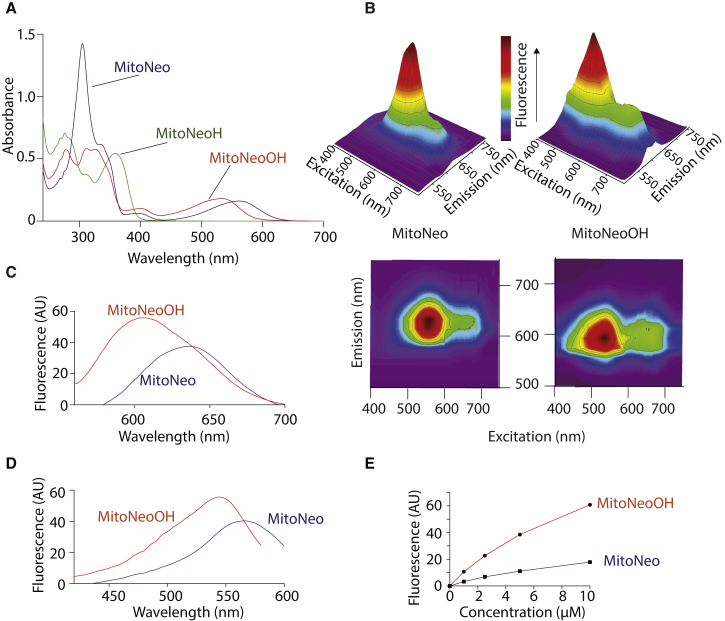
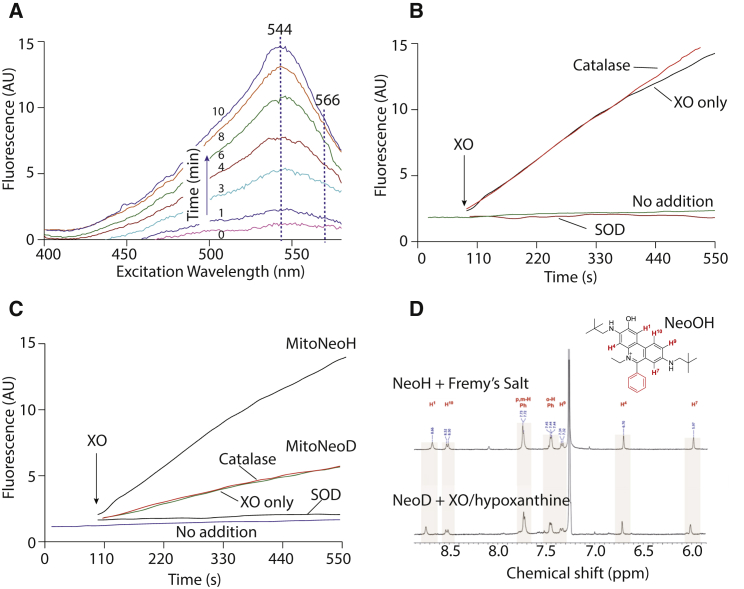
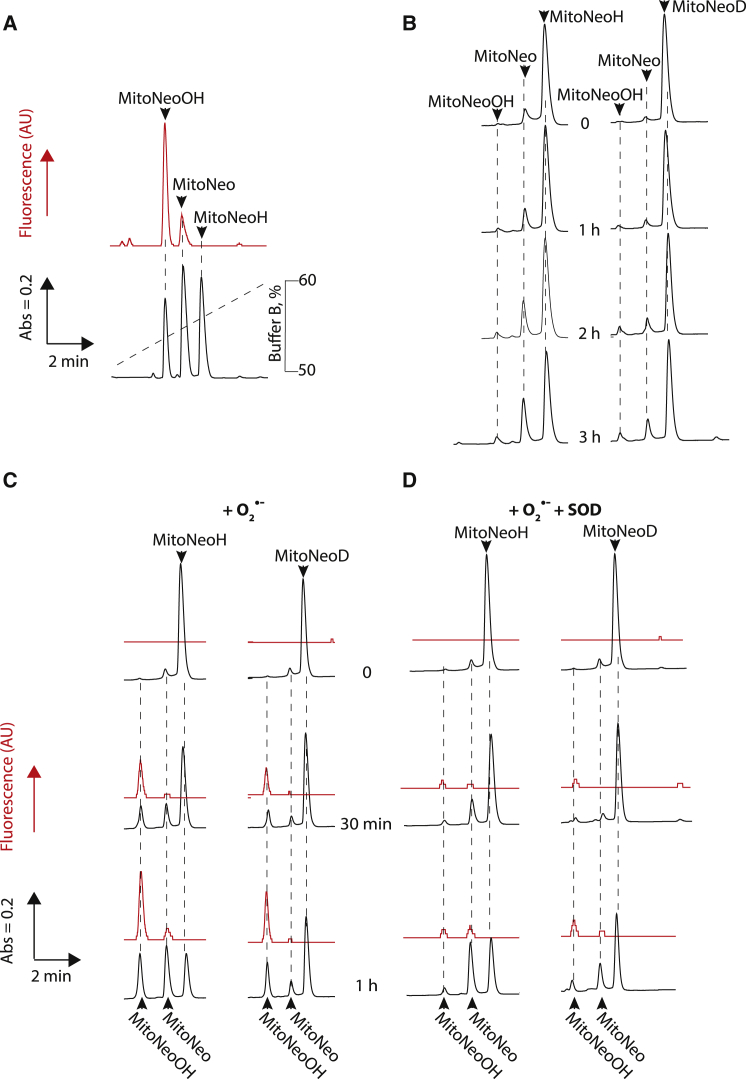
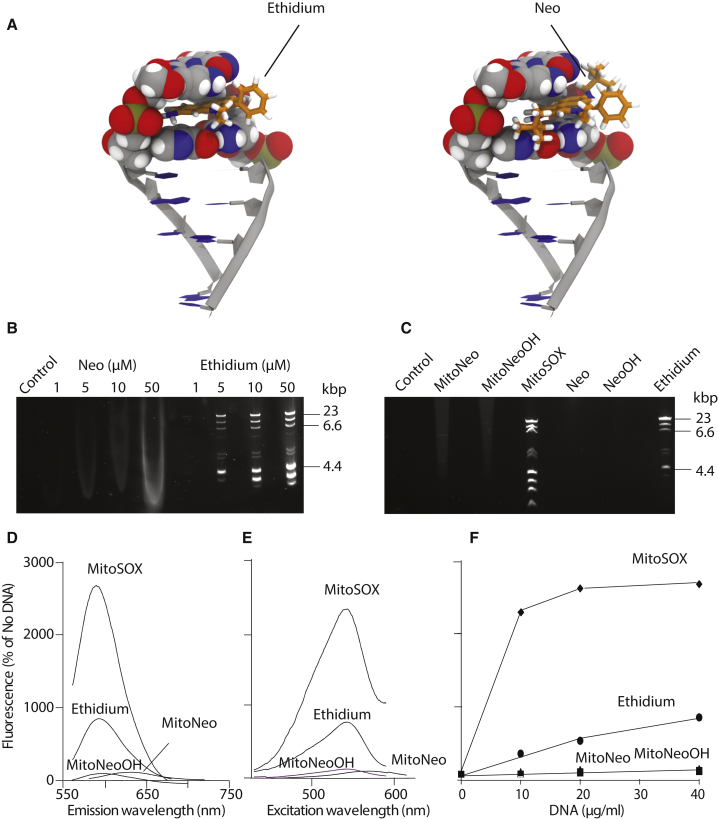
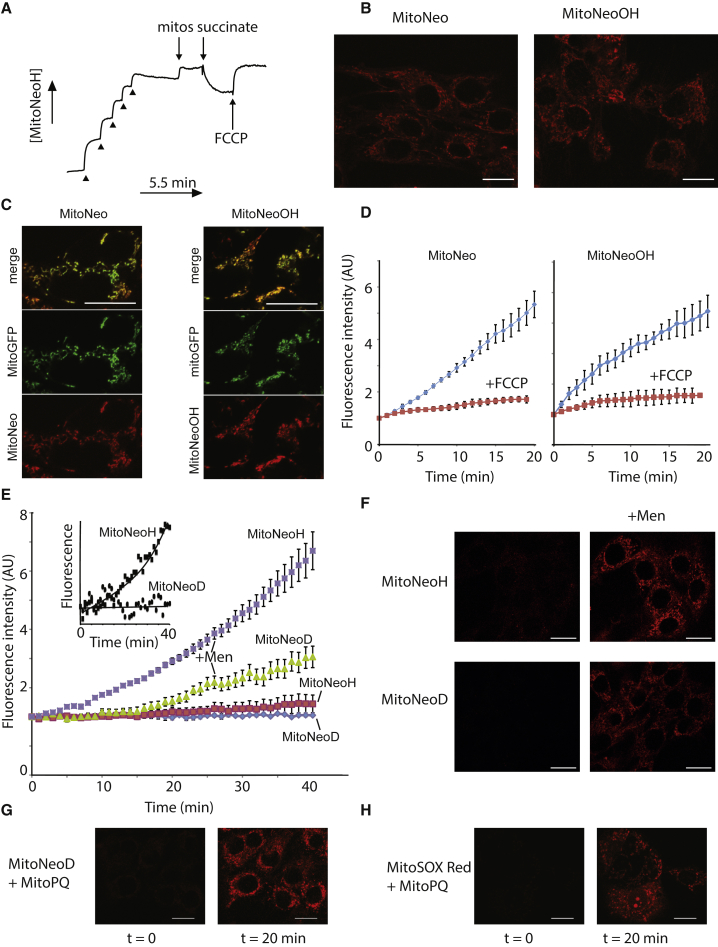
Mitochondrial superoxide (O) underlies much oxidative damage and redox signaling. Fluorescent probes can detect O, but are of limited applicability in vivo, while in cells their usefulness is constrained by side reactions and DNA intercalation. To overcome these limitations, we developed a dual-purpose mitochondrial O probe, MitoNeoD, which can assess O changes in vivo by mass spectrometry and in vitro by fluorescence. MitoNeoD comprises a O-sensitive reduced phenanthridinium moiety modified to prevent DNA intercalation, as well as a carbon-deuterium bond to enhance its selectivity for O over non-specific oxidation, and a triphenylphosphonium lipophilic cation moiety leading to the rapid accumulation within mitochondria. We demonstrated that MitoNeoD was a versatile and robust probe to assess changes in mitochondrial O from isolated mitochondria to animal models, thus offering a way to examine the many roles of mitochondrial O production in health and disease.
线粒体超氧阴离子(O)是氧化损伤和氧化还原信号的基础。荧光探针可以检测 O,但在体内的应用有限,而在细胞中,其用途受到副反应和 DNA 插入的限制。为了克服这些限制,我们开发了一种双重用途的线粒体 O 探针 MitoNeoD,它可以通过质谱法在体内和通过荧光法在体外评估 O 的变化。MitoNeoD 由一个 O 敏感的还原菲啶部分组成,该部分经过修饰以防止 DNA 插入,同时还具有碳-氘键,以增强其对 O 的选择性,而不是非特异性氧化,以及一个三苯基膦亲脂阳离子部分,导致其在线粒体中快速积累。我们证明了 MitoNeoD 是一种多功能且强大的探针,可以评估从分离的线粒体到动物模型的线粒体 O 的变化,从而为研究线粒体 O 产生在健康和疾病中的许多作用提供了一种方法。