Hammami Akil, Abidin Belma Melda, Charpentier Tania, Fabié Aymeric, Duguay Annie-Pier, Heinonen Krista M, Stäger Simona
INRS-Institut Armand-Frappier and Center for Host-Parasite interactions, 531 Boulevard des Prairies, Laval (QC), Canada.
PLoS Pathog. 2017 Sep 11;13(9):e1006616. doi: 10.1371/journal.ppat.1006616. eCollection 2017 Sep.
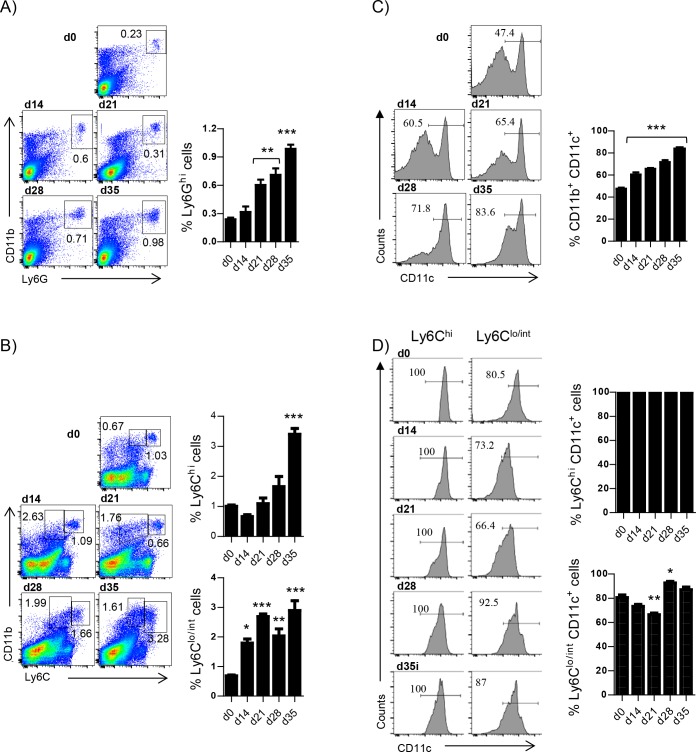
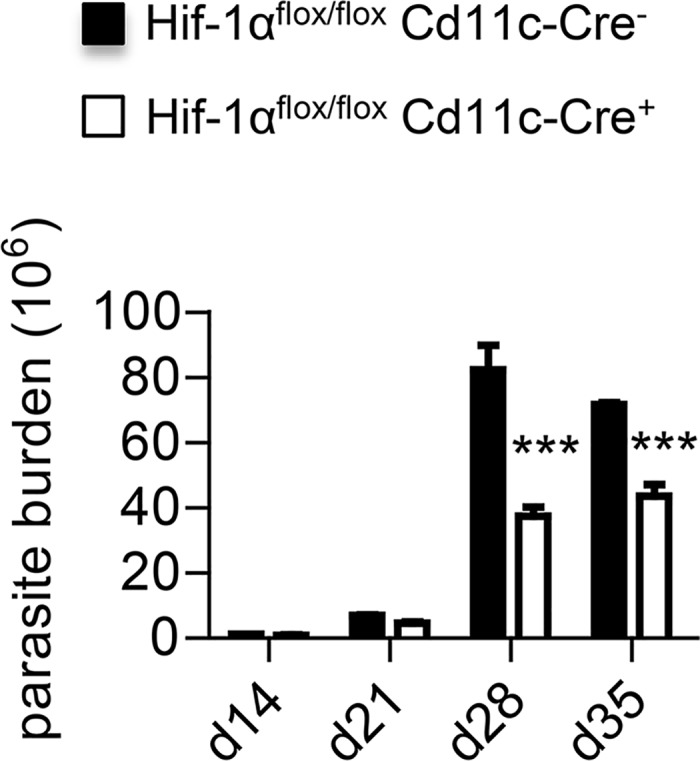
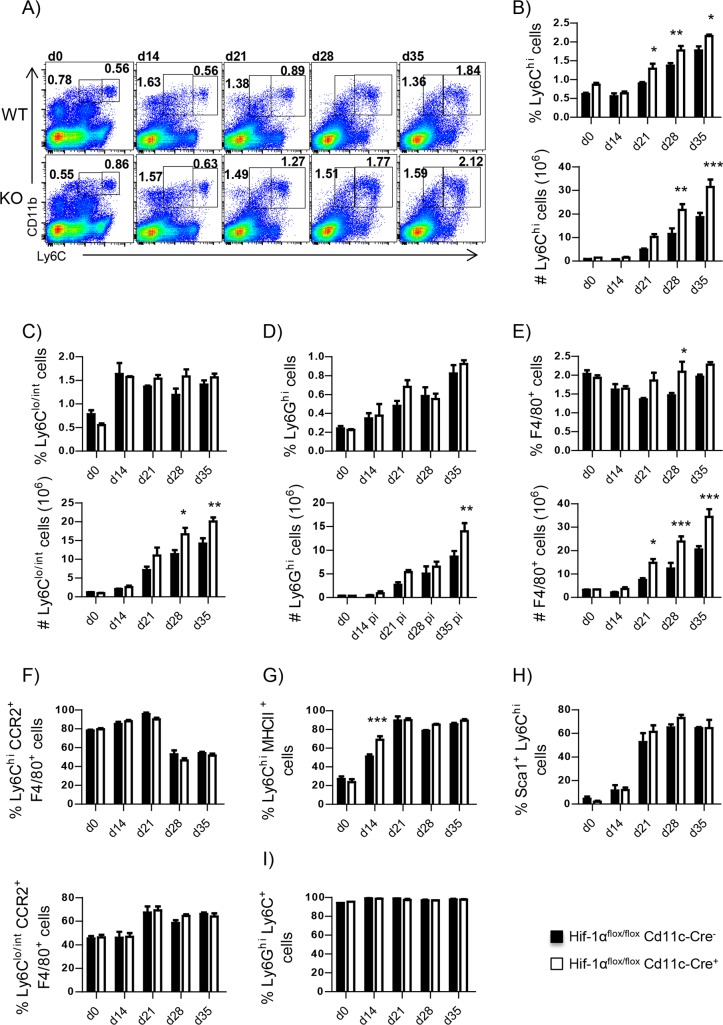
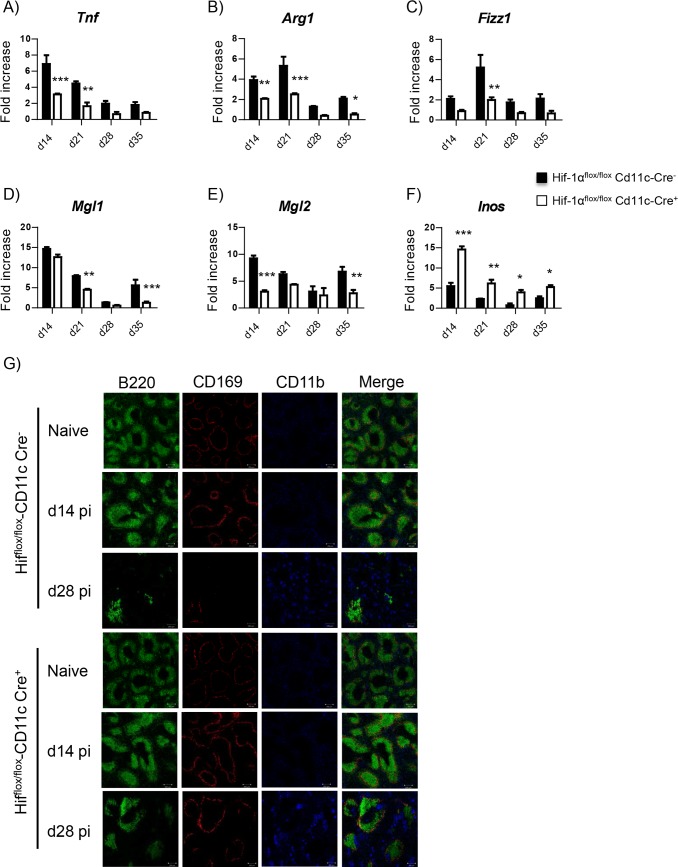
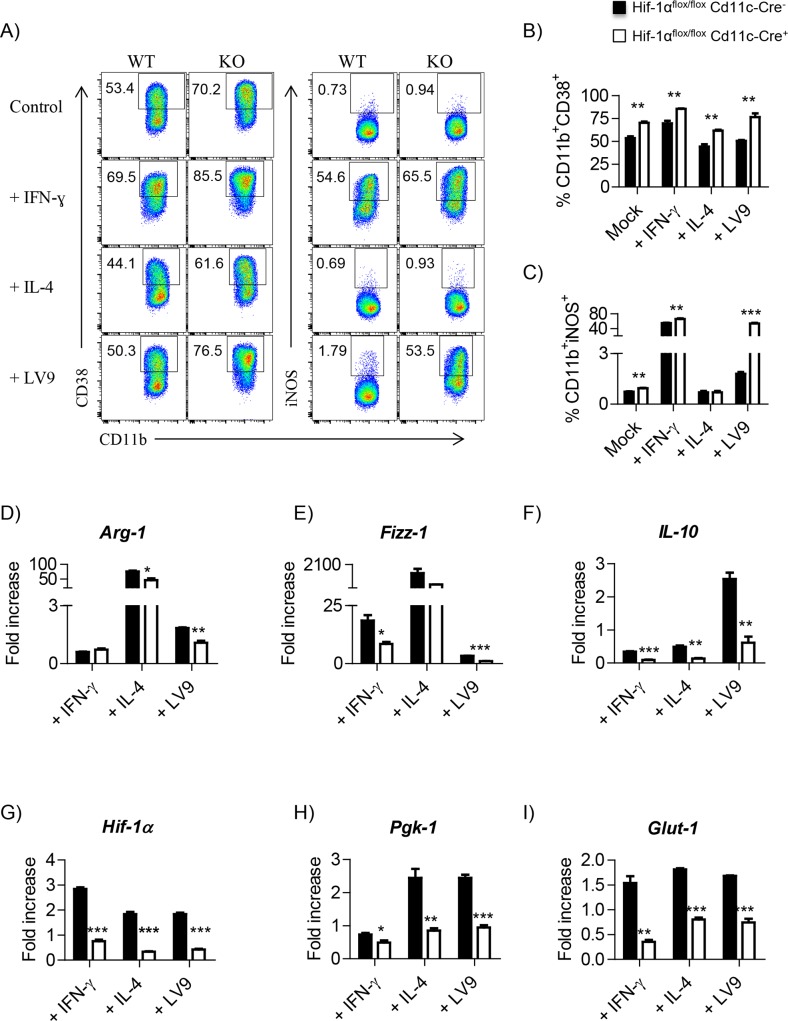
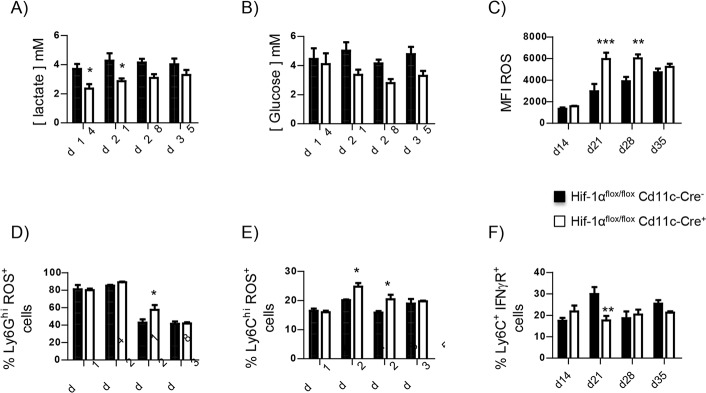
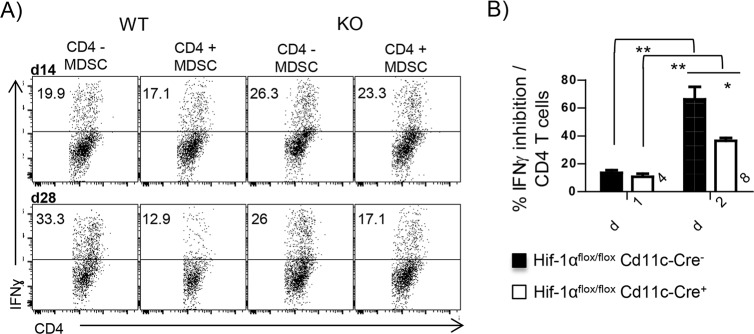
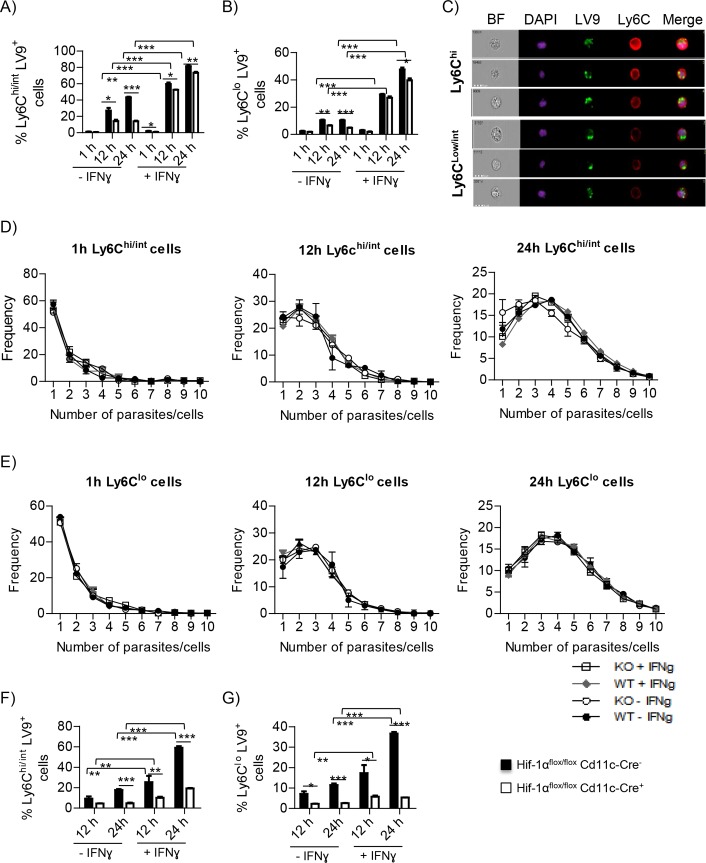
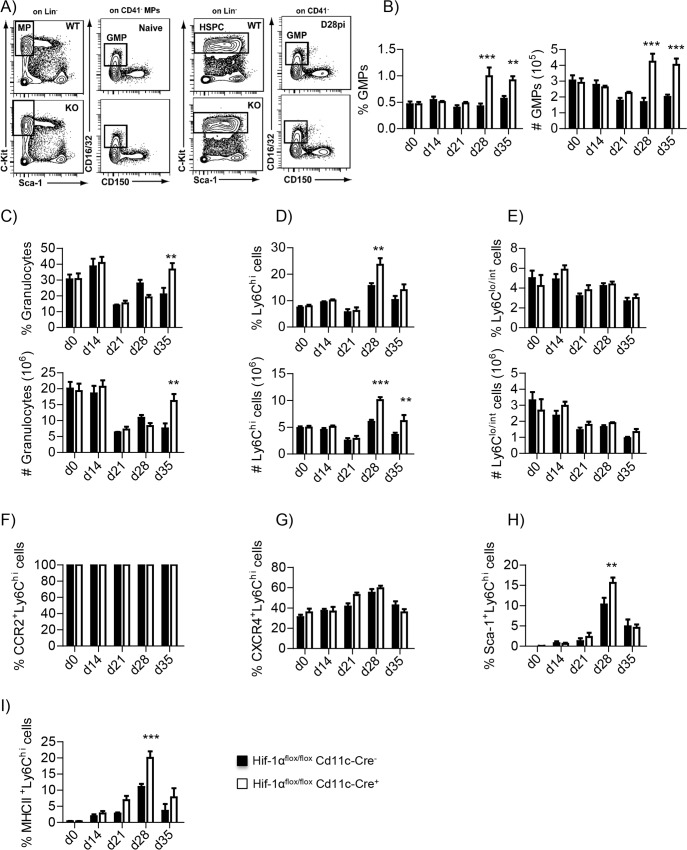
Leishmania donovani is known to induce myelopoiesis and to dramatically increase extramedullary myelopoiesis. This results in splenomegaly, which is then accompanied by disruption of the splenic microarchitecture, a chronic inflammatory environment, and immunosuppression. Chronically inflamed tissues are typically hypoxic. The role of hypoxia on myeloid cell functions during visceral leishmaniasis has not yet been studied. Here we show that L. donovani promotes the output from the bone marrow of monocytes with a regulatory phenotype that function as safe targets for the parasite. We also demonstrate that splenic myeloid cells acquire MDSC-like function in a HIF-1α-dependent manner. HIF-1α is also involved in driving the polarization towards M2-like macrophages and rendering intermediate stage monocytes more susceptible to L. donovani infection. Our results suggest that HIF-1α is a major player in the establishment of chronic Leishmania infection and is crucial for enhancing immunosuppressive functions and lowering leishmanicidal capacity of myeloid cells.
已知杜氏利什曼原虫可诱导骨髓生成,并显著增加髓外造血。这会导致脾肿大,随后伴随着脾脏微结构的破坏、慢性炎症环境和免疫抑制。慢性炎症组织通常处于缺氧状态。在内脏利什曼病期间,缺氧对髓样细胞功能的作用尚未得到研究。在此,我们表明杜氏利什曼原虫促进具有调节表型的单核细胞从骨髓输出,这些单核细胞是该寄生虫的安全靶点。我们还证明,脾脏髓样细胞以依赖缺氧诱导因子-1α(HIF-1α)的方式获得髓系来源的抑制细胞(MDSC)样功能。HIF-1α还参与驱动向M2样巨噬细胞的极化,并使中间阶段的单核细胞更容易受到杜氏利什曼原虫的感染。我们的结果表明,HIF-1α是慢性利什曼原虫感染建立过程中的主要参与者,对于增强免疫抑制功能和降低髓样细胞的杀利什曼原虫能力至关重要。