Sánchez Daniela, Melin Patricia, Castillo Oscar
Tijuana Institute of Technology, Tijuana, BC, Mexico.
Comput Intell Neurosci. 2017;2017:4180510. doi: 10.1155/2017/4180510. Epub 2017 Aug 14.
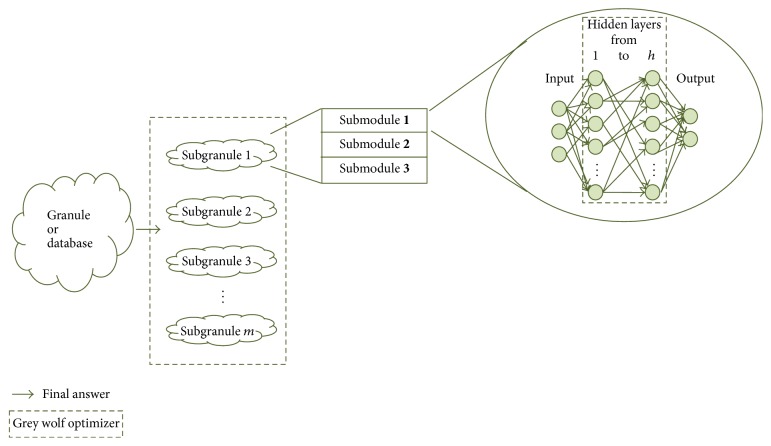
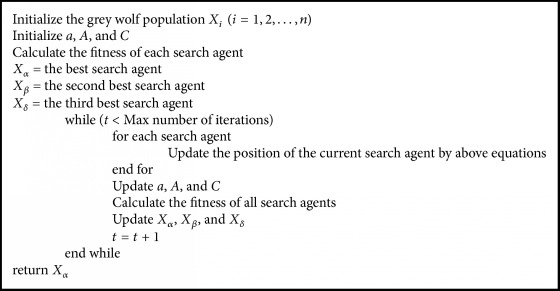
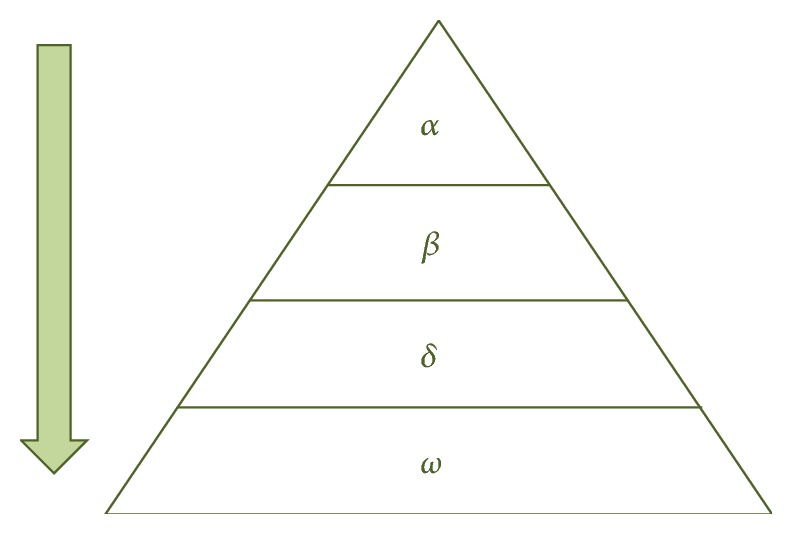
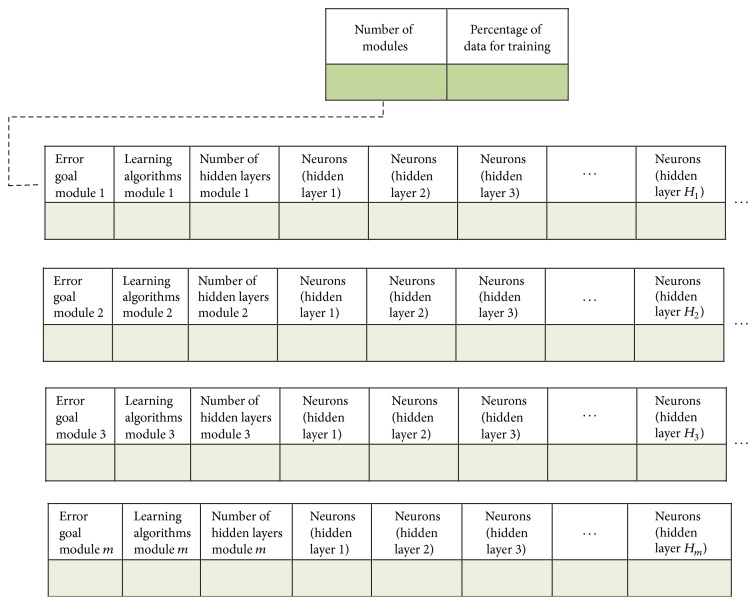
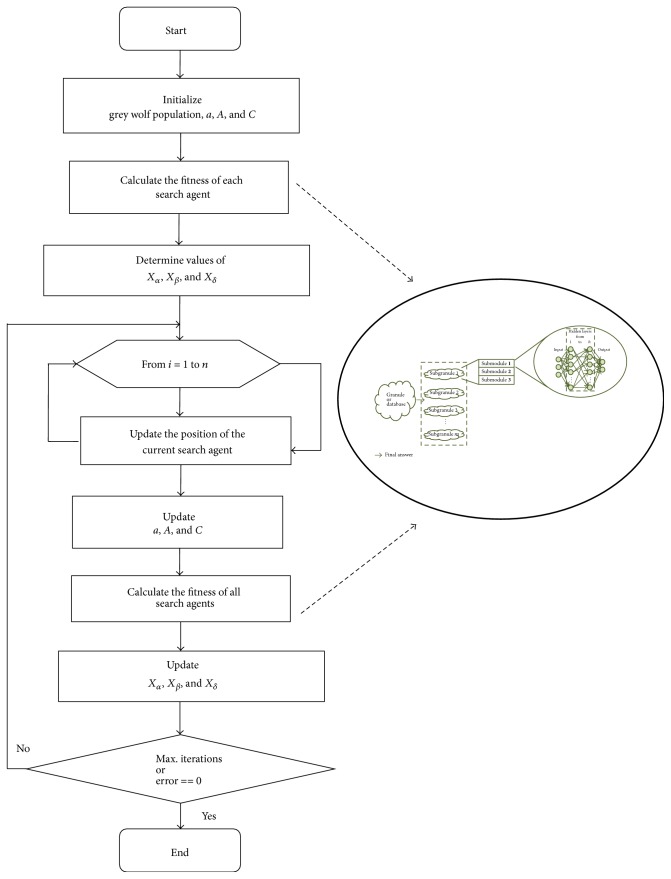
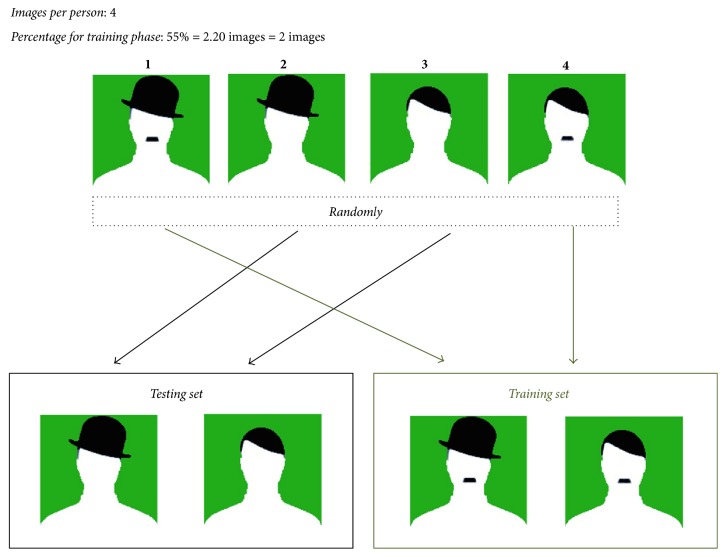
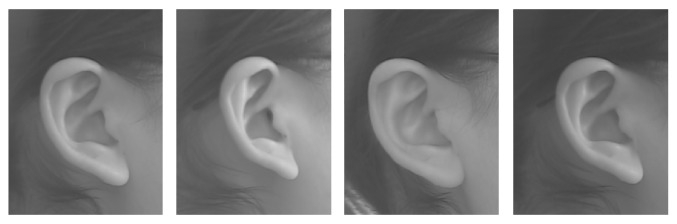
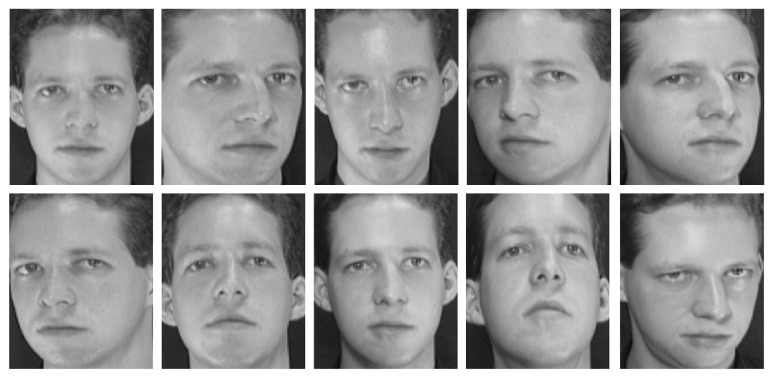
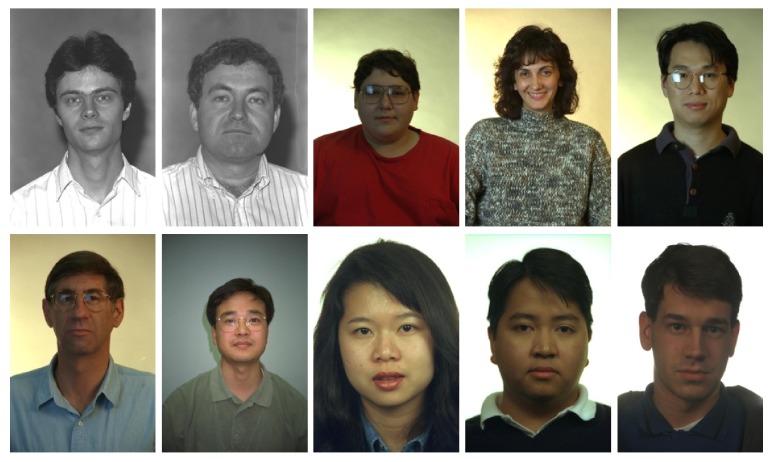
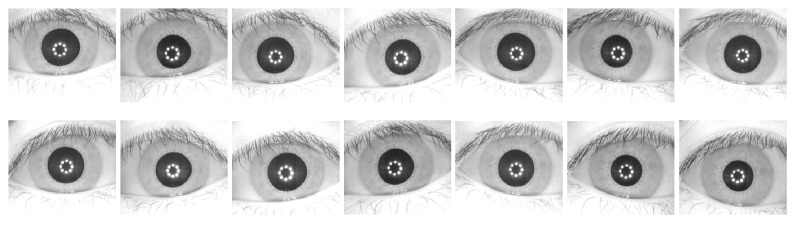
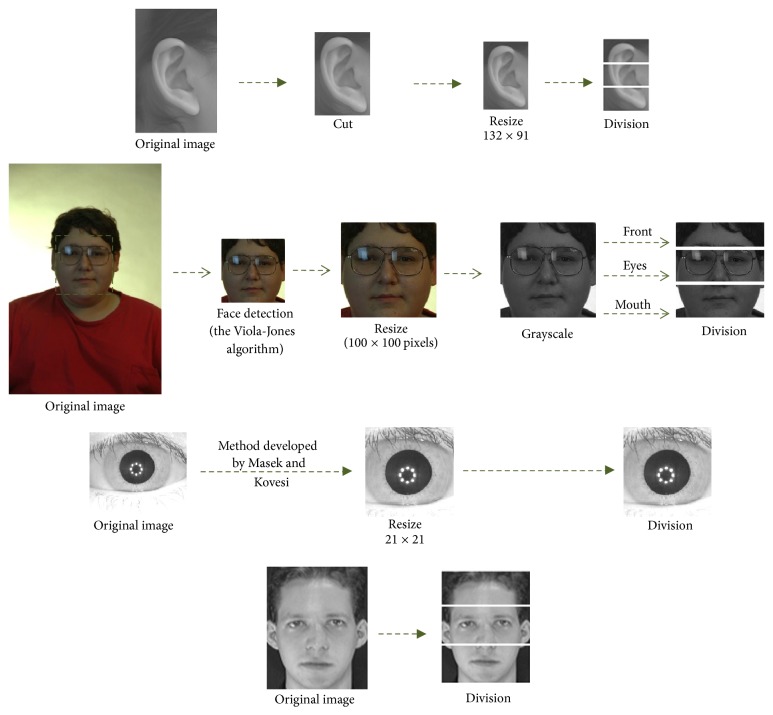
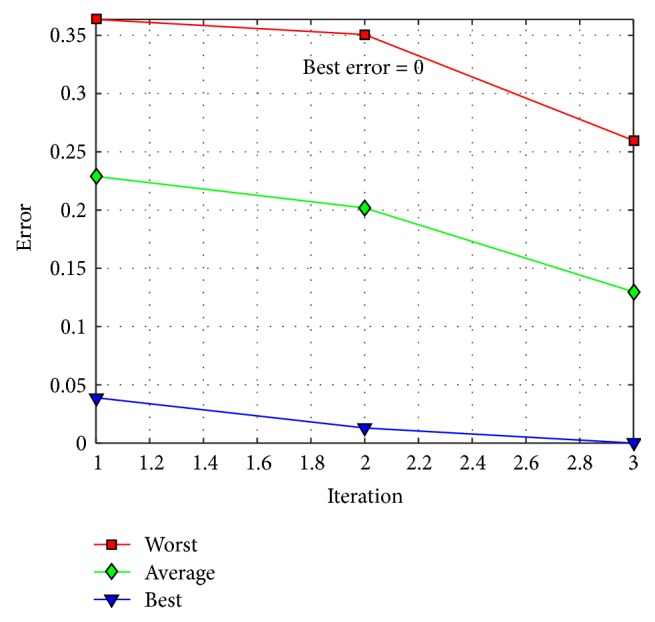
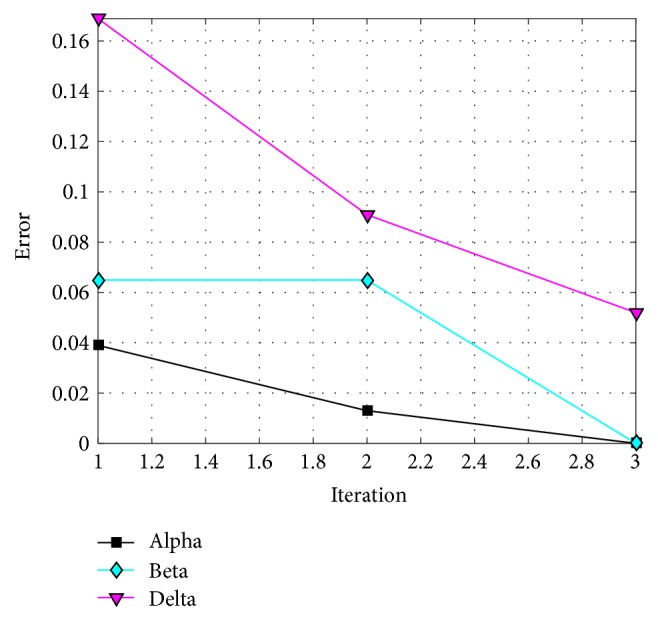
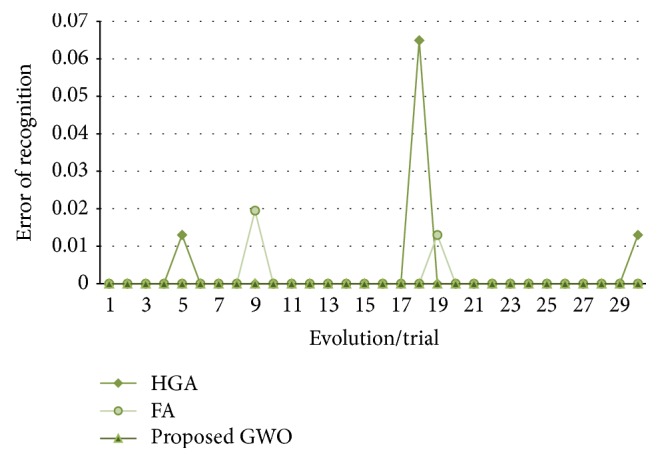
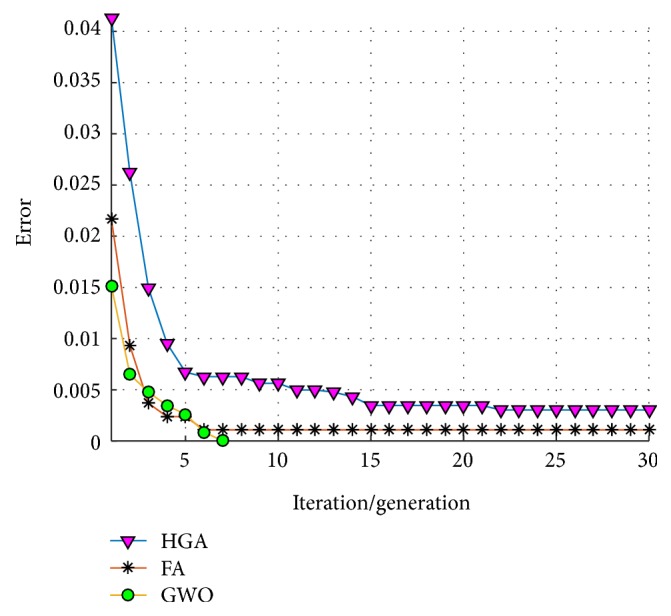
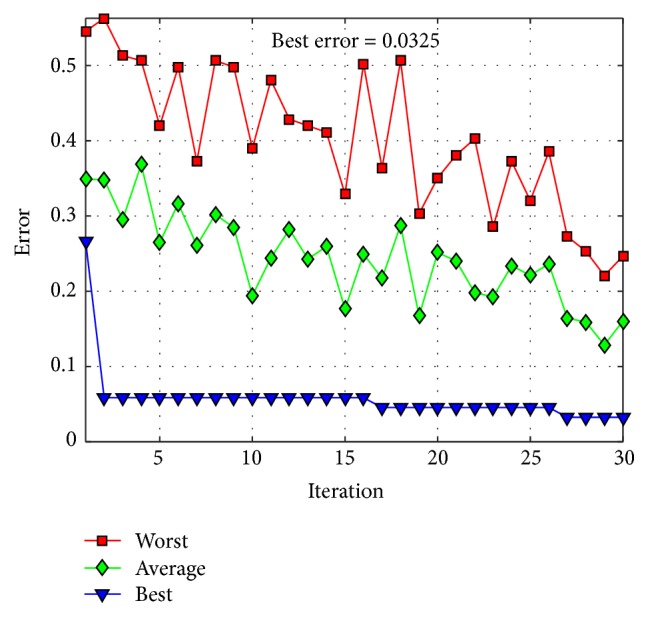
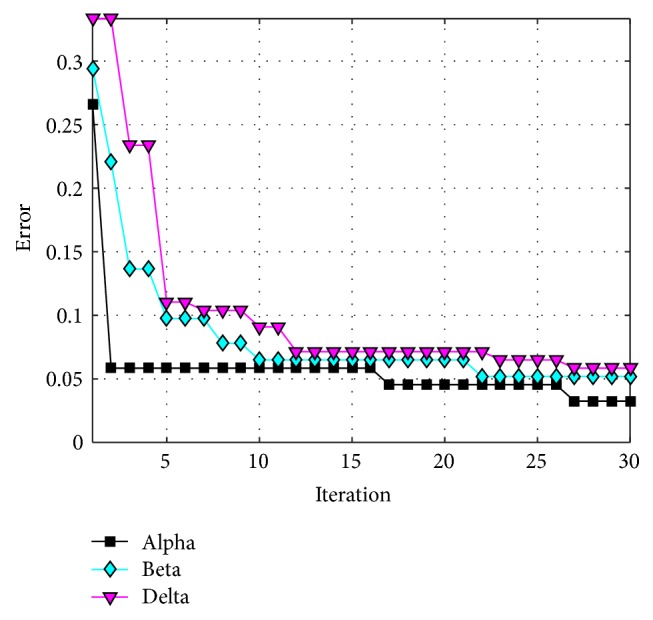
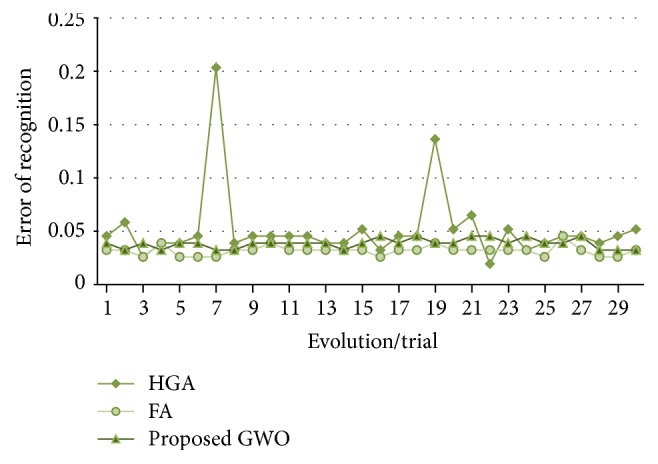
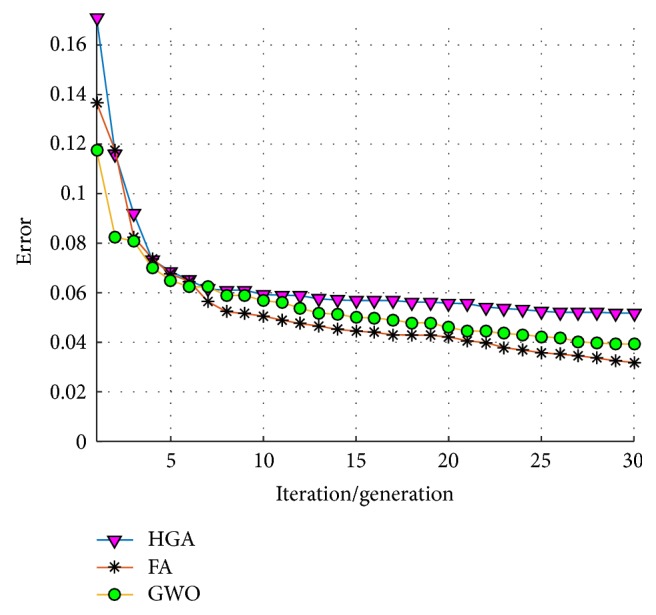
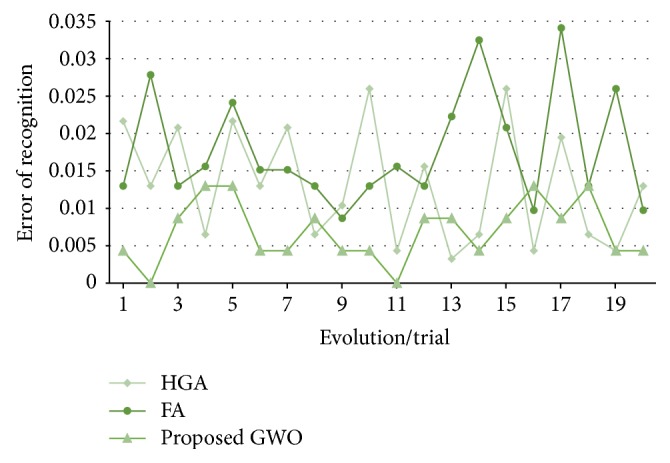
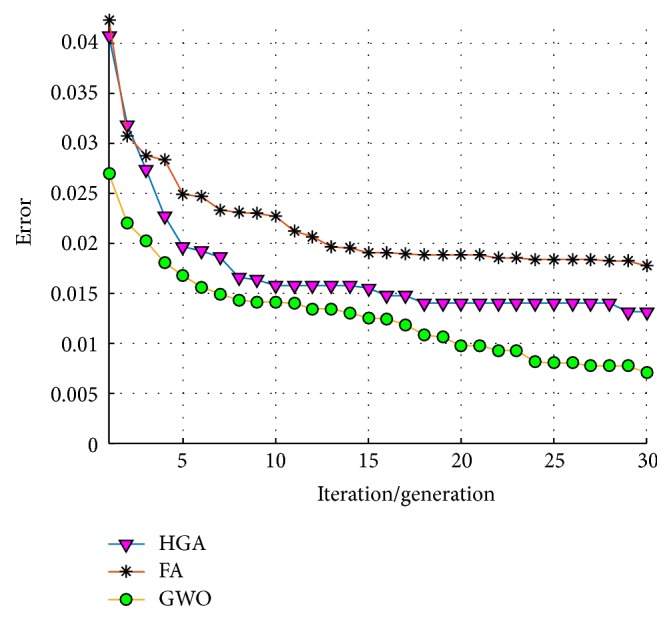
A grey wolf optimizer for modular neural network (MNN) with a granular approach is proposed. The proposed method performs optimal granulation of data and design of modular neural networks architectures to perform human recognition, and to prove its effectiveness benchmark databases of ear, iris, and face biometric measures are used to perform tests and comparisons against other works. The design of a modular granular neural network (MGNN) consists in finding optimal parameters of its architecture; these parameters are the number of subgranules, percentage of data for the training phase, learning algorithm, goal error, number of hidden layers, and their number of neurons. Nowadays, there is a great variety of approaches and new techniques within the evolutionary computing area, and these approaches and techniques have emerged to help find optimal solutions to problems or models and bioinspired algorithms are part of this area. In this work a grey wolf optimizer is proposed for the design of modular granular neural networks, and the results are compared against a genetic algorithm and a firefly algorithm in order to know which of these techniques provides better results when applied to human recognition.
提出了一种基于粒度方法的模块化神经网络(MNN)灰狼优化器。该方法对数据进行最优粒度划分,并设计模块化神经网络架构以进行人体识别。为证明其有效性,使用耳朵、虹膜和面部生物特征测量的基准数据库进行测试,并与其他研究进行比较。模块化粒度神经网络(MGNN)的设计在于找到其架构的最优参数;这些参数包括子粒度数量、训练阶段的数据百分比、学习算法、目标误差、隐藏层数及其神经元数量。如今,进化计算领域有各种各样的方法和新技术,这些方法和技术的出现是为了帮助找到问题或模型的最优解,而生物启发算法是该领域的一部分。在这项工作中,提出了一种用于模块化粒度神经网络设计的灰狼优化器,并将结果与遗传算法和萤火虫算法进行比较,以了解这些技术在应用于人体识别时哪种能提供更好的结果。