Department of Macromolecular Science and Engineering, Case School of Engineering, ‡Department of Biomedical Engineering, Case School of Engineering, §School of Medicine, and ∥Case Comprehensive Cancer Center, Division of General Medical Sciences-Oncology, Case Western Reserve University , Cleveland, Ohio 44106, United States.
ACS Nano. 2017 Sep 26;11(9):8777-8789. doi: 10.1021/acsnano.7b02786. Epub 2017 Sep 13.
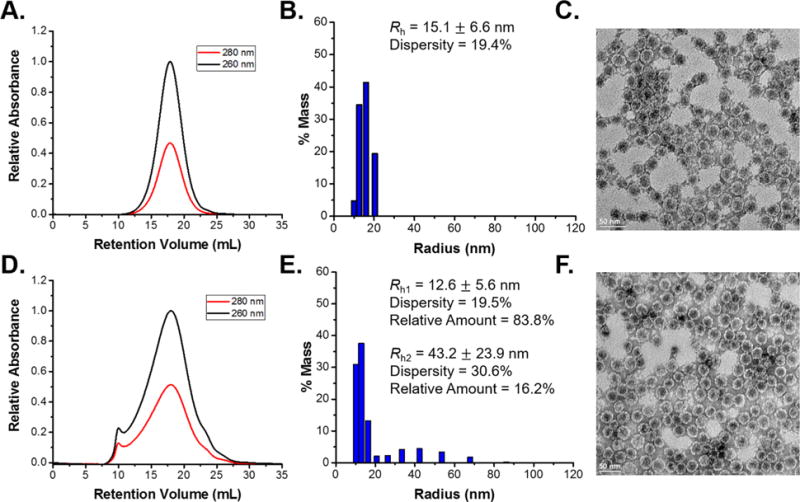
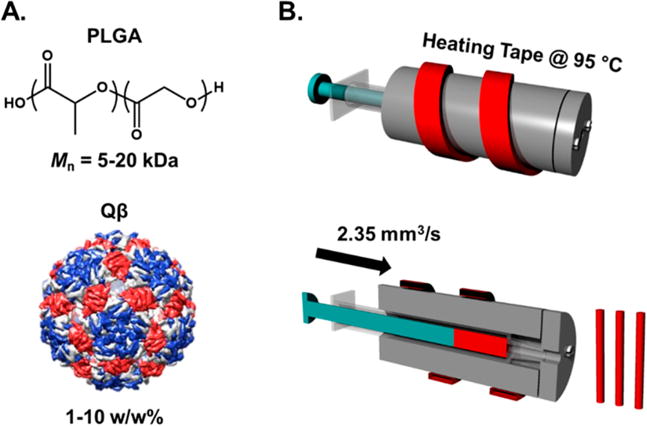
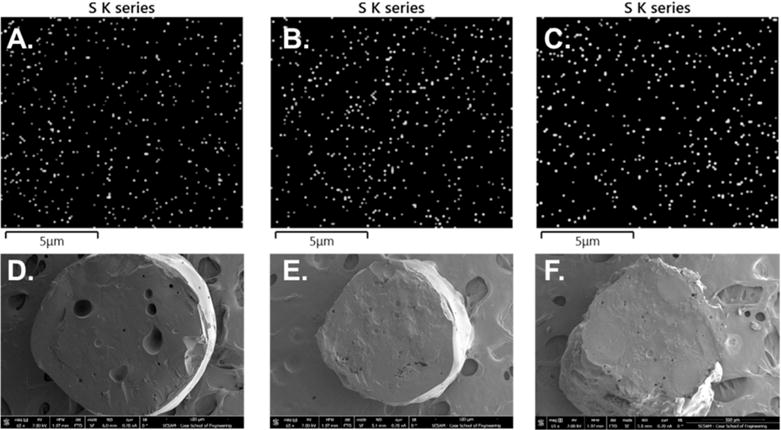
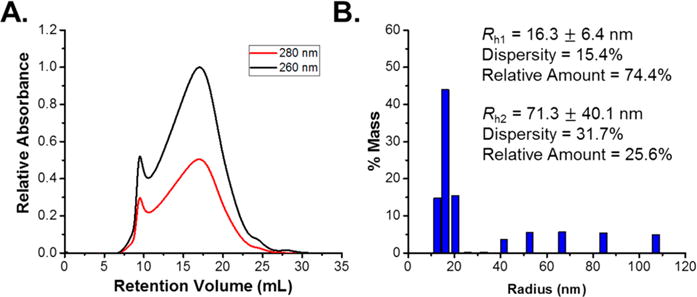
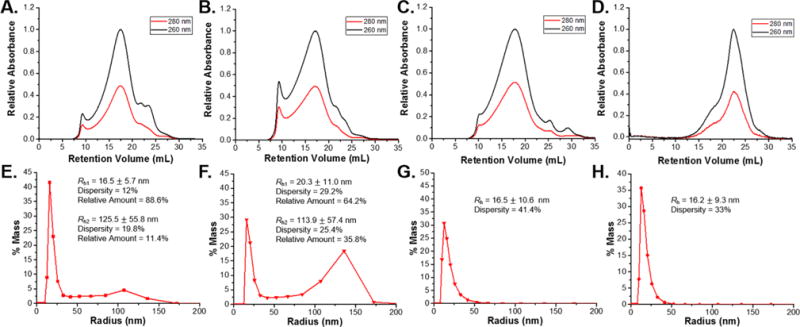
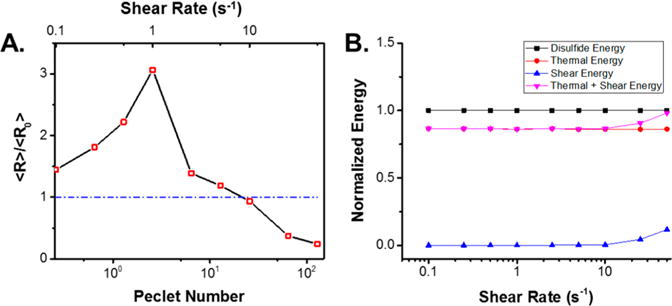
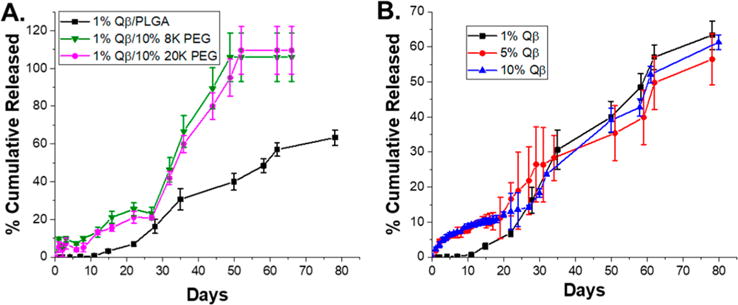
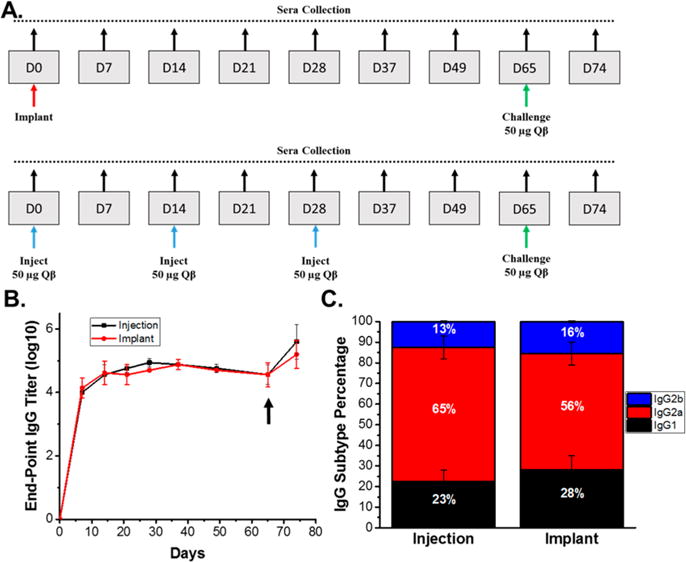
Viral nanoparticles have been utilized as a platform for vaccine development and are a versatile system for the display of antigenic epitopes for a variety of disease states. However, the induction of a clinically relevant immune response often requires multiple injections over an extended period of time, limiting patient compliance. Polymeric systems to deliver proteinaceous materials have been extensively researched to provide sustained release, which would limit administration to a single dose. Melt-processing is an emerging manufacturing method that has been utilized to create polymeric materials laden with proteins as an alternative to typical solvent-based production methods. Melt-processing is advantageous because it is continuous, solvent-free, and 100% of the therapeutic protein is encapsulated. In this study, we utilized melt-encapsulation to fabricate viral nanoparticle laden polymeric materials that effectively deliver intact particles and generate carrier specific antibodies in vivo. The effects of initial processing and postprocessing on particle integrity and aggregation were studied to develop processing windows for scale-up and the creation of more complex materials. The dispersion of particles within the PLGA matrix was studied, and the effect of additives and loading level on the release profile was determined. Overall, melt-encapsulation was found to be an effective method to produce composite materials that can deliver viral nanoparticles over an extended period and elicit an immune response comparable to typical administration schedules.
病毒纳米颗粒已被用作疫苗开发的平台,并且是展示各种疾病状态下抗原表位的多功能系统。然而,诱导临床相关的免疫反应通常需要在延长的时间内多次注射,这限制了患者的依从性。用于输送蛋白质材料的聚合系统已经被广泛研究,以提供持续释放,这将限制单次给药的剂量。熔融加工是一种新兴的制造方法,已被用于制造负载蛋白质的聚合物材料,作为典型溶剂型生产方法的替代方法。熔融加工具有连续、无溶剂和 100%封装治疗性蛋白质的优势。在这项研究中,我们利用熔融包封来制造负载病毒纳米颗粒的聚合物材料,这些材料能够有效地输送完整的颗粒,并在体内产生载体特异性抗体。研究了初始加工和后处理对颗粒完整性和聚集的影响,以开发用于扩大规模和制造更复杂材料的加工窗口。研究了颗粒在 PLGA 基质中的分散情况,并确定了添加剂和负载水平对释放曲线的影响。总的来说,熔融包封被发现是一种有效的方法,可以生产能够在延长的时间内输送病毒纳米颗粒并引起与典型给药方案相当的免疫反应的复合材料。