Gazzo Andrea, Raimondi Daniele, Daneels Dorien, Moreau Yves, Smits Guillaume, Van Dooren Sonia, Lenaerts Tom
Interuniversity Institute for Bioinformatics in Brussels, ULB-VUB, Boulevard du Triomphe CP 263, 1050 Brussels, Belgium.
MLG, Université Libre de Bruxelles, Boulevard du Triomphe, CP 212, 1050 Brussels, Belgium.
Nucleic Acids Res. 2017 Sep 6;45(15):e140. doi: 10.1093/nar/gkx557.
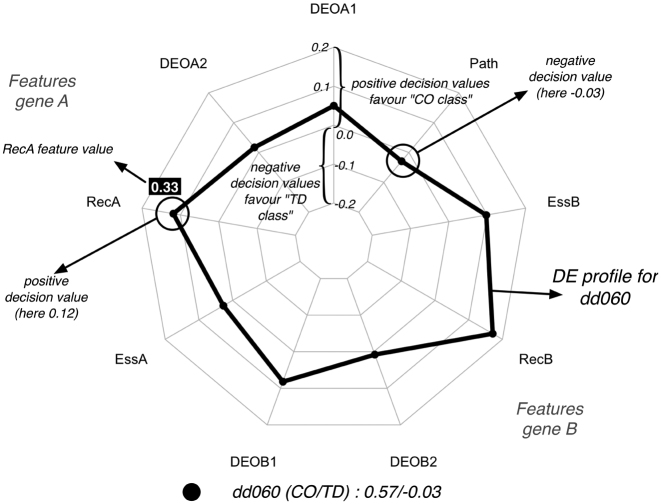
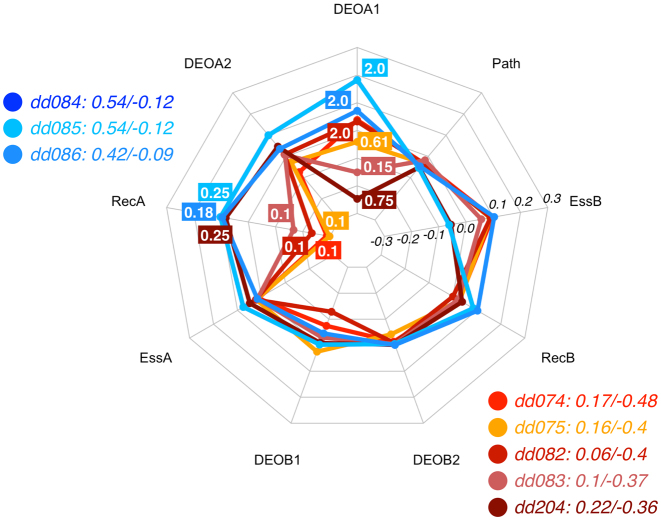
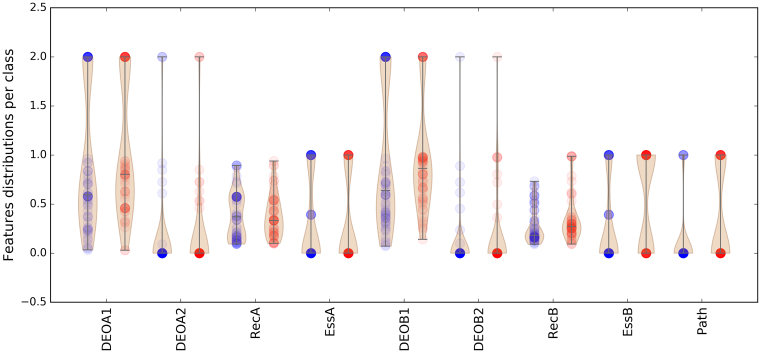
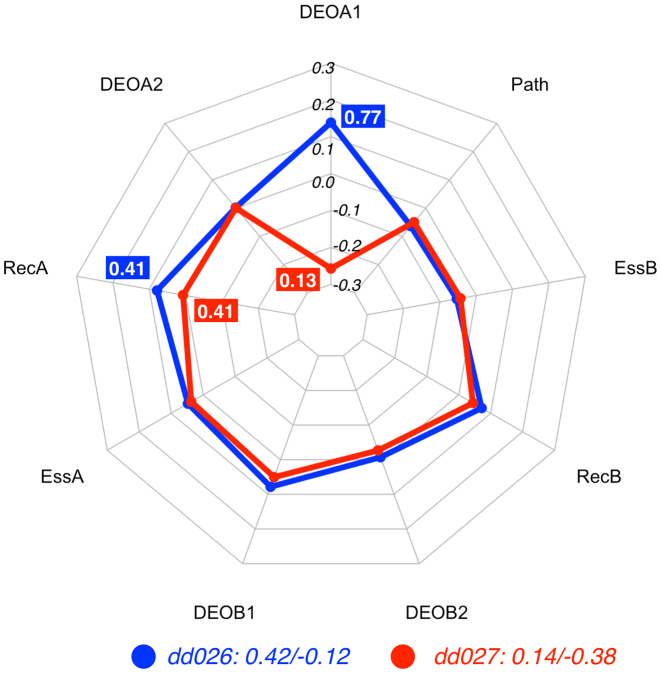
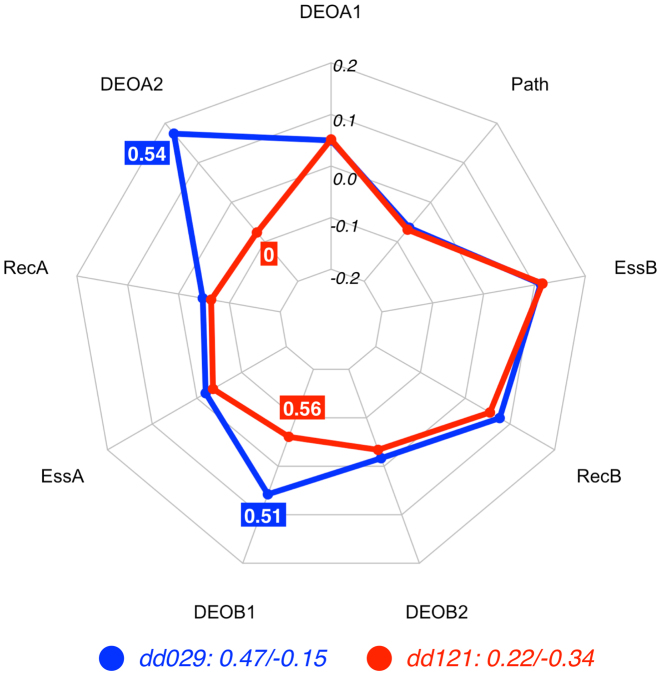
To further our understanding of the complexity and genetic heterogeneity of rare diseases, it has become essential to shed light on how combinations of variants in different genes are responsible for a disease phenotype. With the appearance of a resource on digenic diseases, it has become possible to evaluate how digenic combinations differ in terms of the phenotypes they produce. All instances in this resource were assigned to two classes of digenic effects, annotated as true digenic and composite classes. Whereas in the true digenic class variants in both genes are required for developing the disease, in the composite class, a variant in one gene is sufficient to produce the phenotype, but an additional variant in a second gene impacts the disease phenotype or alters the age of onset. We show that a combination of variant, gene and higher-level features can differentiate between these two classes with high accuracy. Moreover, we show via the analysis of three digenic disorders that a digenic effect decision profile, extracted from the predictive model, motivates why an instance was assigned to either of the two classes. Together, our results show that digenic disease data generates novel insights, providing a glimpse into the oligogenic realm.
为了进一步加深我们对罕见病的复杂性和基因异质性的理解,阐明不同基因中的变异组合如何导致疾病表型变得至关重要。随着双基因疾病资源的出现,评估双基因组合在其所产生的表型方面的差异成为可能。该资源中的所有实例都被分为两类双基因效应,分别标注为真正的双基因类和复合类。在真正的双基因类中,两个基因中的变异都是疾病发生所必需的;而在复合类中,一个基因中的变异足以产生表型,但第二个基因中的另一个变异会影响疾病表型或改变发病年龄。我们表明,变异、基因和更高层次特征的组合能够高精度地区分这两类。此外,通过对三种双基因疾病的分析,我们表明从预测模型中提取的双基因效应决策概况能够解释为什么一个实例被分配到这两类中的某一类。总之,我们的结果表明双基因疾病数据产生了新的见解,让我们得以一窥寡基因领域。