Ashley Rachel E, Dittmore Andrew, McPherson Sylvia A, Turnbough Charles L, Neuman Keir C, Osheroff Neil
Department of Biochemistry, Vanderbilt University School of Medicine, Nashville, TN 37232-0146, USA.
Laboratory of Single Molecule Biophysics, National Heart, Lung, and Blood Institute, National Institutes of Health, Bethesda, MD 20982, USA.
Nucleic Acids Res. 2017 Sep 19;45(16):9611-9624. doi: 10.1093/nar/gkx649.
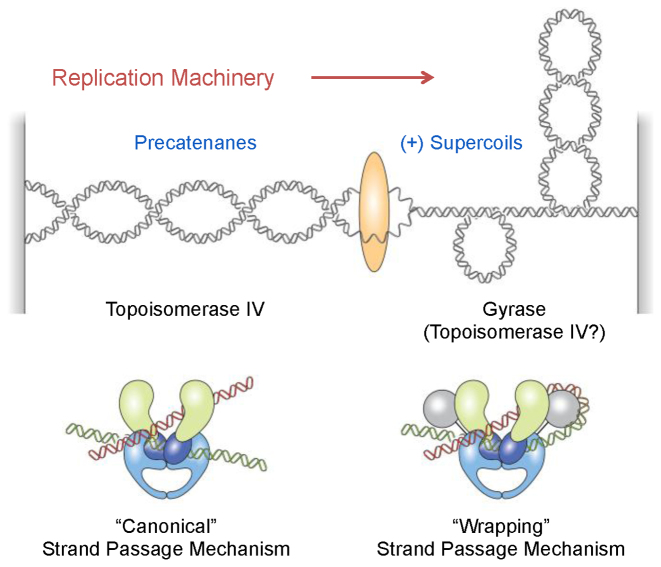
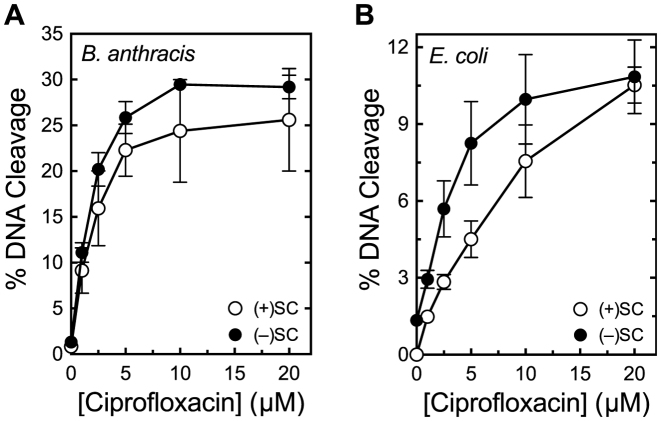
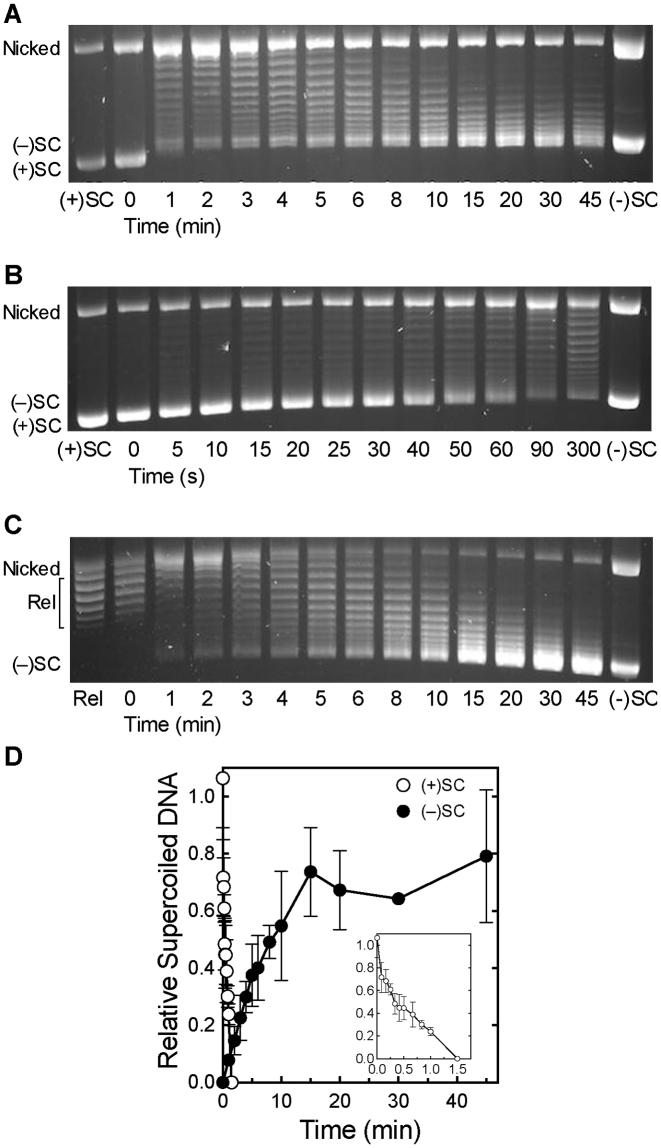
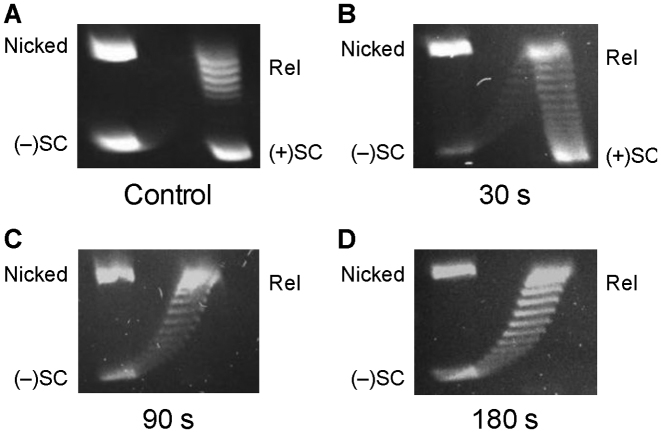
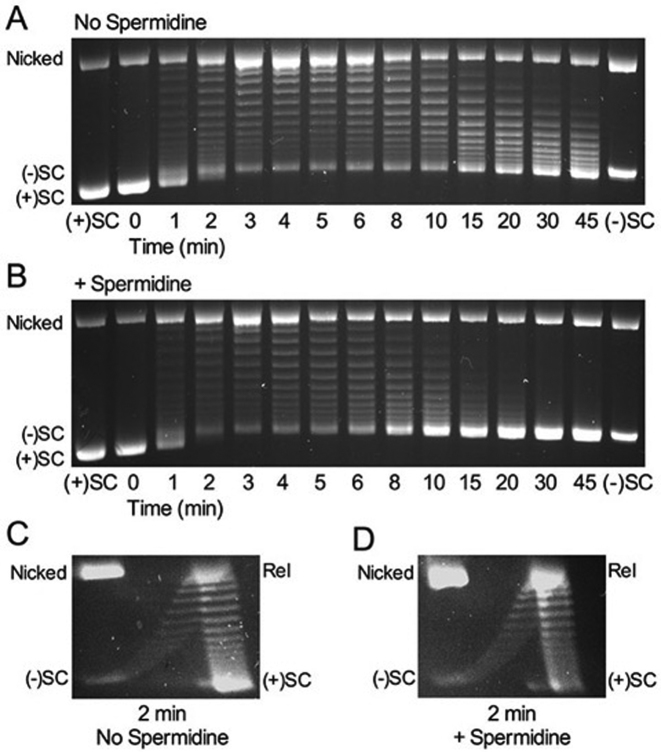
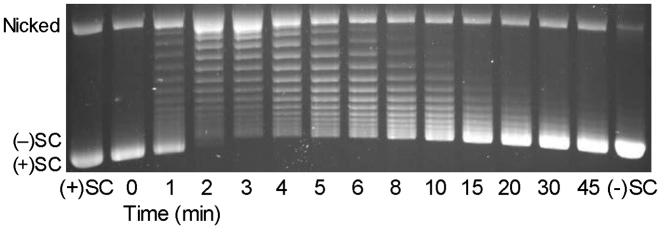
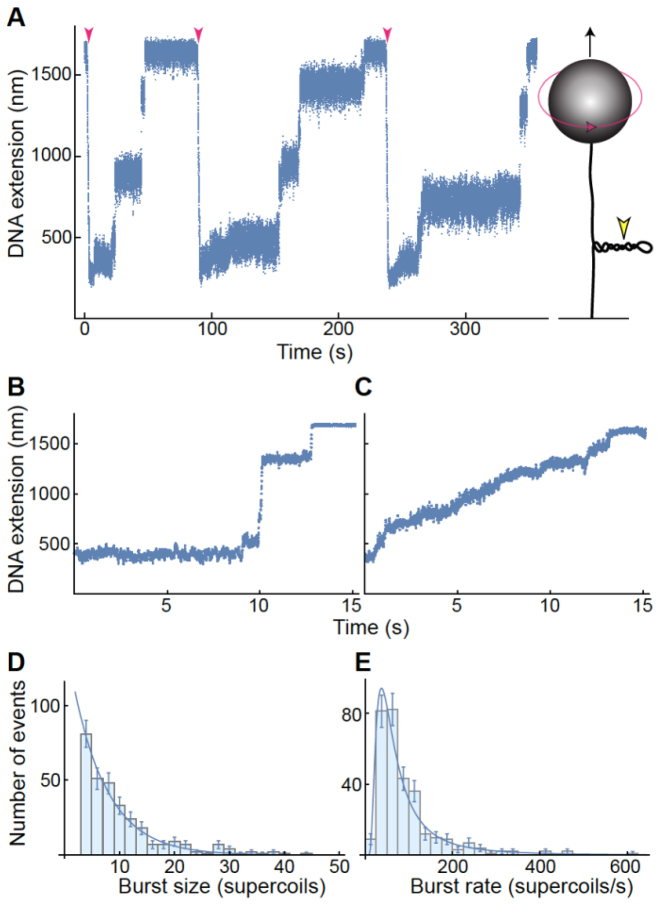
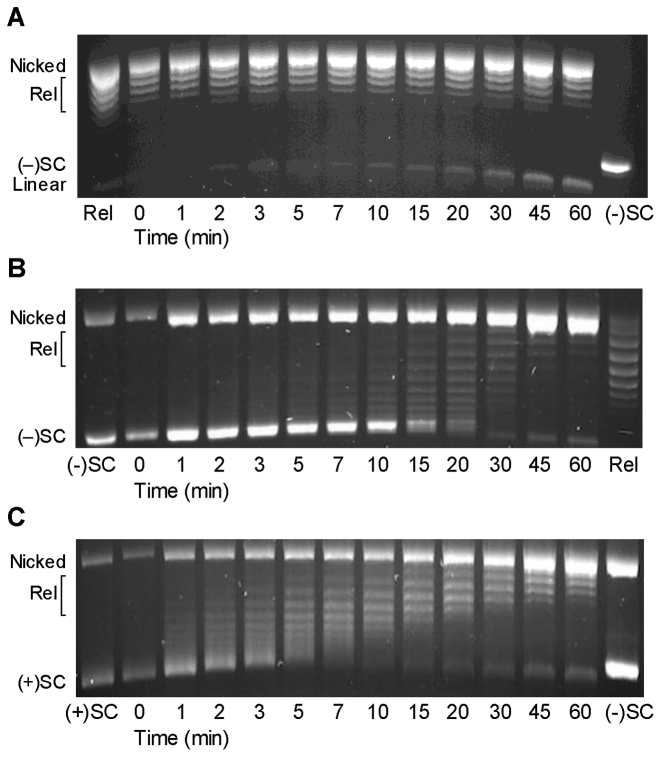
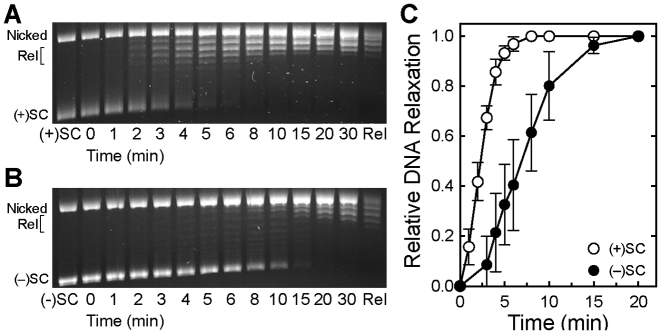
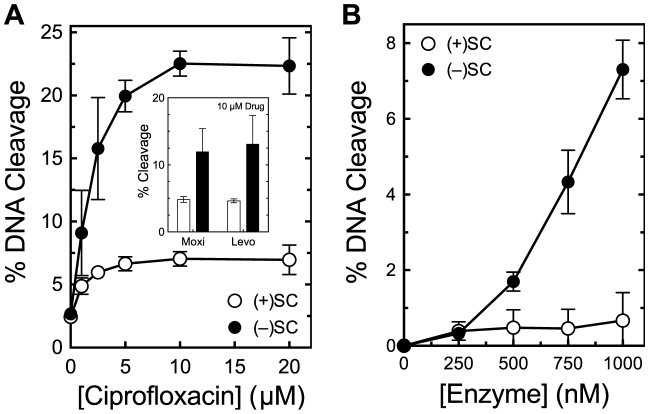
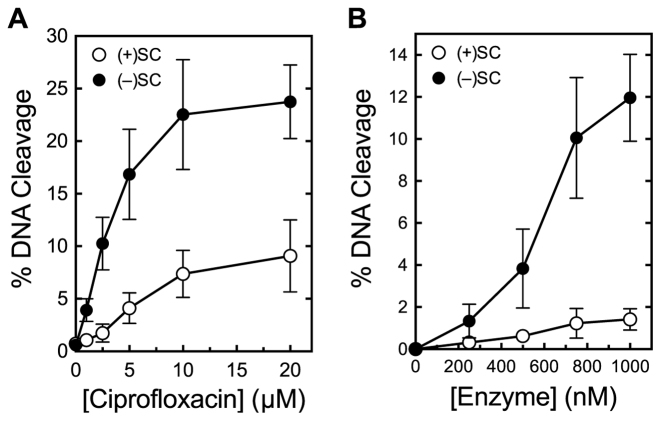
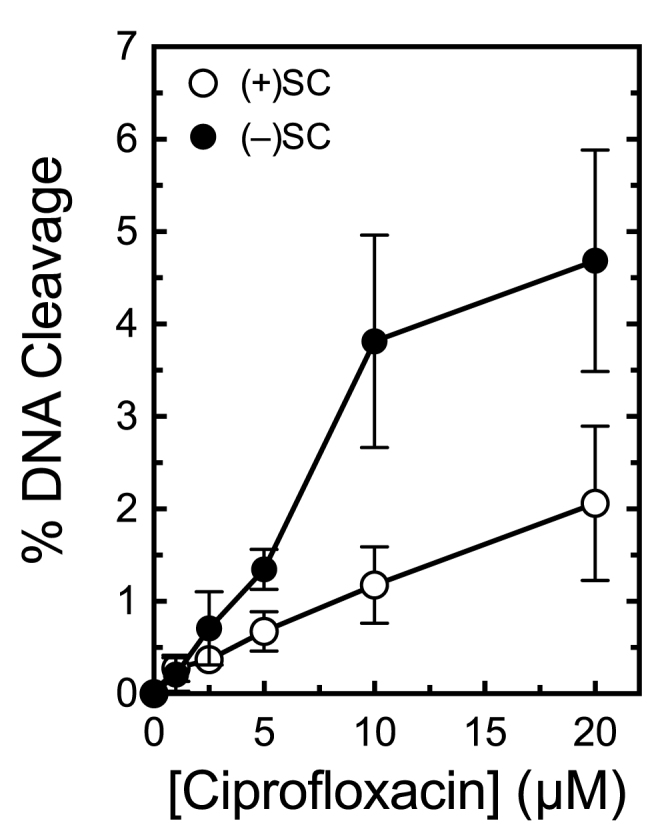
Although bacterial gyrase and topoisomerase IV have critical interactions with positively supercoiled DNA, little is known about the actions of these enzymes on overwound substrates. Therefore, the abilities of Bacillus anthracis and Escherichia coli gyrase and topoisomerase IV to relax and cleave positively supercoiled DNA were analyzed. Gyrase removed positive supercoils ∼10-fold more rapidly and more processively than it introduced negative supercoils into relaxed DNA. In time-resolved single-molecule measurements, gyrase relaxed overwound DNA with burst rates of ∼100 supercoils per second (average burst size was 6.2 supercoils). Efficient positive supercoil removal required the GyrA-box, which is necessary for DNA wrapping. Topoisomerase IV also was able to distinguish DNA geometry during strand passage and relaxed positively supercoiled substrates ∼3-fold faster than negatively supercoiled molecules. Gyrase maintained lower levels of cleavage complexes with positively supercoiled (compared with negatively supercoiled) DNA, whereas topoisomerase IV generated similar levels with both substrates. Results indicate that gyrase is better suited than topoisomerase IV to safely remove positive supercoils that accumulate ahead of replication forks. They also suggest that the wrapping mechanism of gyrase may have evolved to promote rapid removal of positive supercoils, rather than induction of negative supercoils.
尽管细菌的gyrase和拓扑异构酶IV与正超螺旋DNA有关键的相互作用,但对于这些酶在过度缠绕底物上的作用却知之甚少。因此,分析了炭疽芽孢杆菌和大肠杆菌的gyrase和拓扑异构酶IV对正超螺旋DNA进行松弛和切割的能力。与将负超螺旋引入松弛DNA相比,gyrase去除正超螺旋的速度快约10倍,且更具持续性。在时间分辨单分子测量中,gyrase以每秒约100个超螺旋的爆发速率(平均爆发大小为6.2个超螺旋)松弛过度缠绕的DNA。高效去除正超螺旋需要GyrA框,这是DNA缠绕所必需的。拓扑异构酶IV在链通过过程中也能够区分DNA的几何形状,并且松弛正超螺旋底物的速度比负超螺旋分子快约3倍。与负超螺旋DNA相比,gyrase与正超螺旋DNA形成的切割复合物水平更低,而拓扑异构酶IV在两种底物上形成的水平相似。结果表明,与拓扑异构酶IV相比,gyrase更适合安全地去除在复制叉前方积累的正超螺旋。它们还表明,gyrase的缠绕机制可能已经进化以促进正超螺旋的快速去除,而不是诱导负超螺旋。