35A Convent Dr., Rm 1F242A, NIDCD, National Institutes of Health, Bethesda, Maryland, 20892, USA.
Sci Rep. 2017 Sep 21;7(1):12118. doi: 10.1038/s41598-017-12411-6.
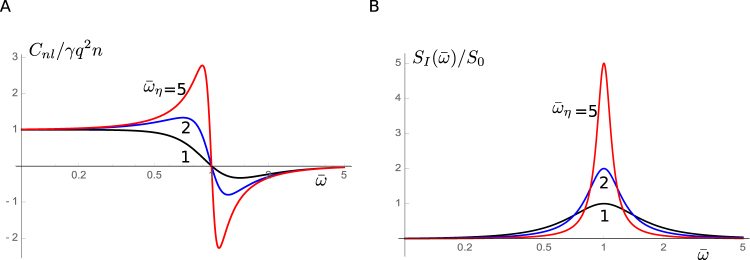
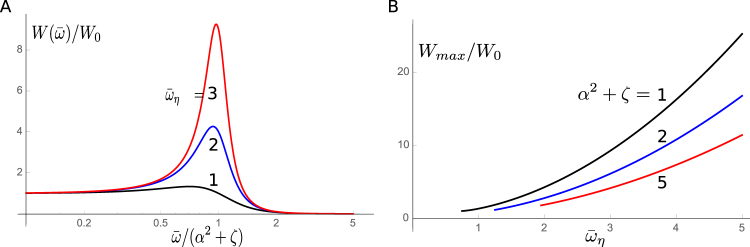
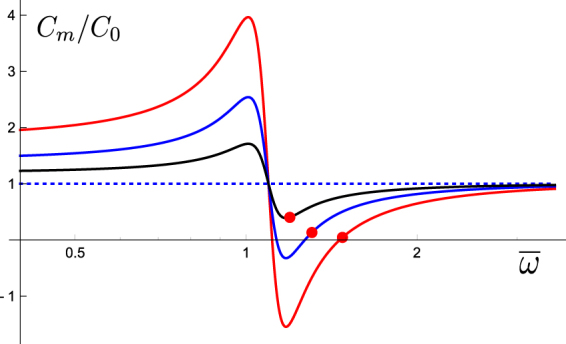
Outer hair cells in the cochlea have a unique motility in their cell body based on mechanoelectric coupling, with which voltage changes generated by stimuli at their hair bundles drive the cell body and, in turn, it has been assumed, amplifies the signal. In vitro experiments show that the movement of the charges of the motile element significantly increases the membrane capacitance, contributing to the attenuation of the driving voltage. That is indeed the case in the absence of mechanical load. Here it is predicted, however, that the movement of motile charges creates negative capacitance near the condition of mechanical resonance, such as those in the cochlea, enhancing energy output.
耳蜗中的外毛细胞在其细胞体中基于机电耦合具有独特的运动性,其毛束刺激产生的电压变化驱动细胞体,进而被认为是放大了信号。体外实验表明,运动元件的电荷运动显著增加了膜电容,有助于衰减驱动电压。在没有机械负载的情况下确实如此。然而,这里预测,运动电荷会在机械共振的条件下(如耳蜗中)产生负电容,从而增强能量输出。