Saheed Sabiu, Oladipipo Ajani E, Abdulazeez Abubakar A, Olarewaju Sulyman A, Ismaila Nurain O, Emmanuel Irondi A, Fatimah Quadri D, Aisha Abubakar Y
Phytomedicine, Food Factors and Toxicology Research Laboratory, Biochemistry Unit, Department of Biosciences and Biotechnology, Kwara State University, P.M.B. 1530, Ilorin, Nigeria.
Phytomedicine and Phytopharmacology Research Group, Department of Biochemical, Microbial and Food Biotechnology, University of the Free State, Bloemfontein, South Africa.
Toxicol Rep. 2015 Apr 17;2:638-644. doi: 10.1016/j.toxrep.2015.04.001. eCollection 2015.
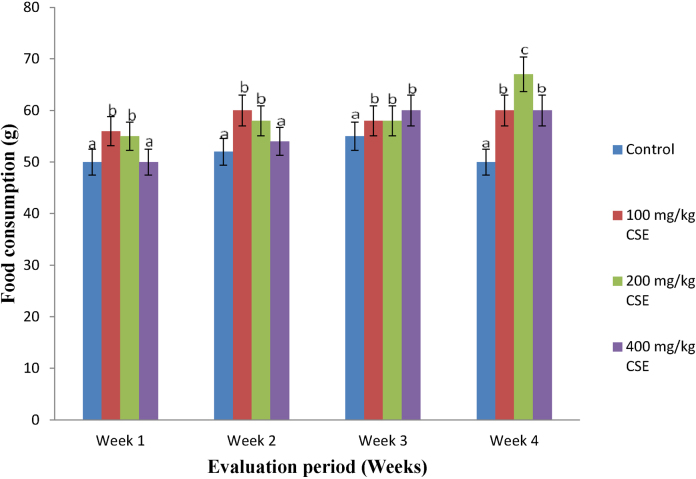
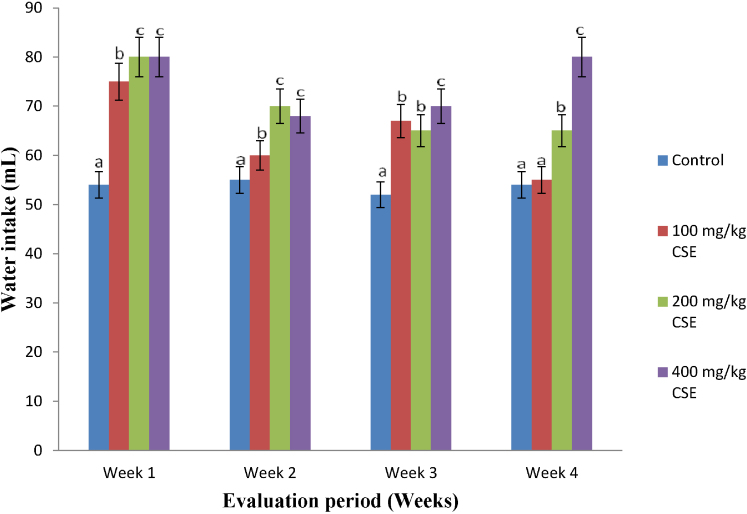
Despite the acclaimed phytotherapeutic attributes of in folkloric medicine, there is paucity of information on its toxicity profile on hematological and lipid parameters. The toxicological effect of aqueous extract of corn silk at 100, 200 and 400 mg/kg body weight on hematological indices in Wistar rats were evaluated progressively at 24 h after 1, 7, 14, 21 and 28 days. Lipid parameters were also analyzed at the end of the experimental period. We observed that the extract did not exhibit any significant ( > 0.05) effect on red blood cells, hematocrit, hemoglobin, mean corpuscular volume, mean corpuscular hemoglobin, mean corpuscular hemoglobin concentration, and mean platelet volume at all the tested doses. The study however showed a significant increase in the serum levels of white blood cell, platelet, lymphocytes, high-density lipoprotein cholesterol; as well as feeding pattern in the animals, while the concentrations of total cholesterol, low-density lipoprotein cholesterol, and artherogenic index value were significantly lowered. These findings are suggestive of non-hematotoxic potential of the extract. Overall, the effect exhibited by corn silk extract in this study proved that, it is unlikely to be hematotoxic and could be a good candidature in the management of coronary heart diseases if consumed at the doses investigated.
尽管玉米须在民间医学中具有公认的植物治疗特性,但关于其对血液学和脂质参数毒性的信息却很少。在第1、7、14、21和28天的24小时后,逐步评估了体重为100、200和400mg/kg的玉米须水提取物对Wistar大鼠血液学指标的毒理学作用。在实验期结束时还分析了脂质参数。我们观察到,在所有测试剂量下,该提取物对红细胞、血细胞比容、血红蛋白、平均红细胞体积、平均红细胞血红蛋白、平均红细胞血红蛋白浓度和平均血小板体积均未表现出任何显著(P>0.05)影响。然而,研究表明,动物血清中的白细胞、血小板、淋巴细胞、高密度脂蛋白胆固醇水平显著升高;以及动物的进食模式,而总胆固醇、低密度脂蛋白胆固醇和动脉粥样硬化指数值的浓度则显著降低。这些发现表明该提取物具有非血液毒性潜力。总体而言,本研究中玉米须提取物所表现出的作用证明,它不太可能具有血液毒性,如果按照所研究的剂量食用,可能是治疗冠心病的良好候选药物。