Karuppiah Vijaykumar, Ranaghan Kara E, Leferink Nicole G H, Johannissen Linus O, Shanmugam Muralidharan, Ní Cheallaigh Aisling, Bennett Nathan J, Kearsey Lewis J, Takano Eriko, Gardiner John M, van der Kamp Marc W, Hay Sam, Mulholland Adrian J, Leys David, Scrutton Nigel S
BBSRC/EPSRC Manchester Synthetic Biology Research Centre for Fine and Specialty Chemicals (SYNBIOCHEM), Manchester Institute of Biotechnology, School of Chemistry, Faculty of Science and Engineering, University of Manchester, 131 Princess Street, Manchester M1 7DN, U.K.
Centre for Computational Chemistry, School of Chemistry, University of Bristol, Cantock's Close, Bristol BS8 1TS, U.K.
ACS Catal. 2017 Sep 1;7(9):6268-6282. doi: 10.1021/acscatal.7b01924. Epub 2017 Aug 9.
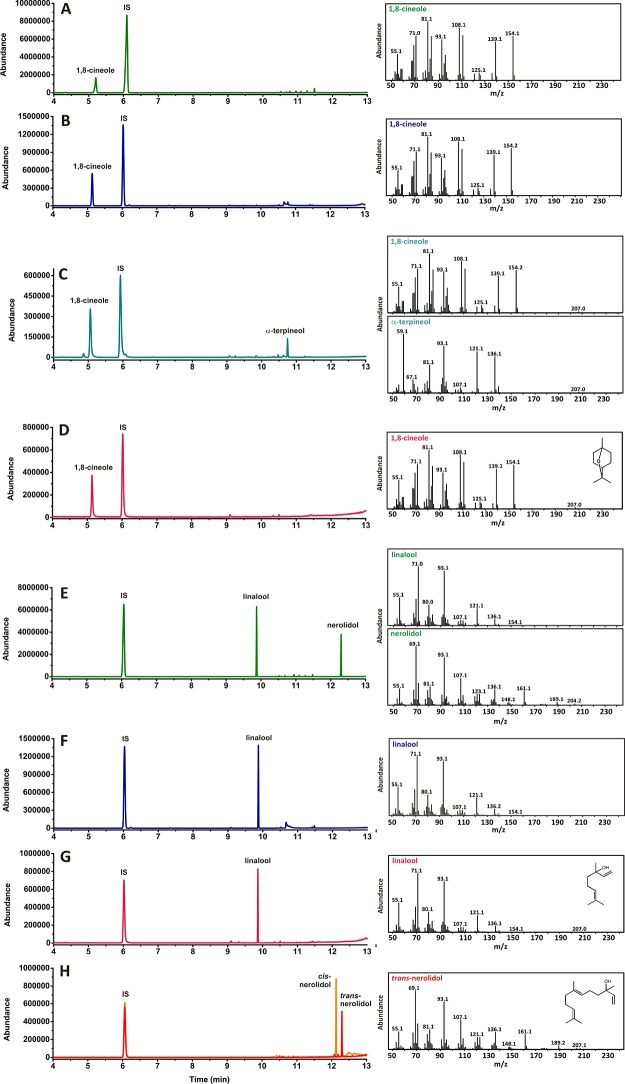
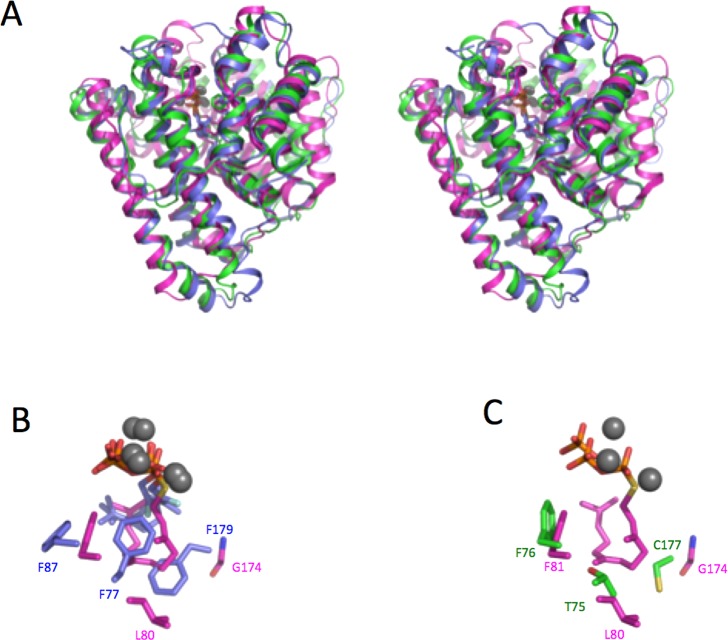
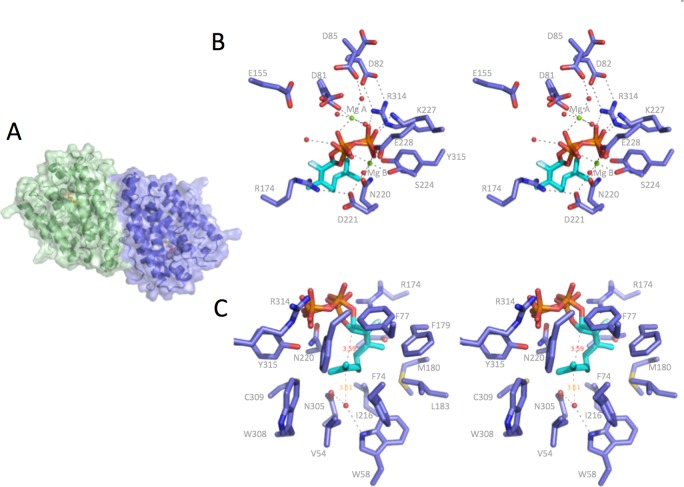
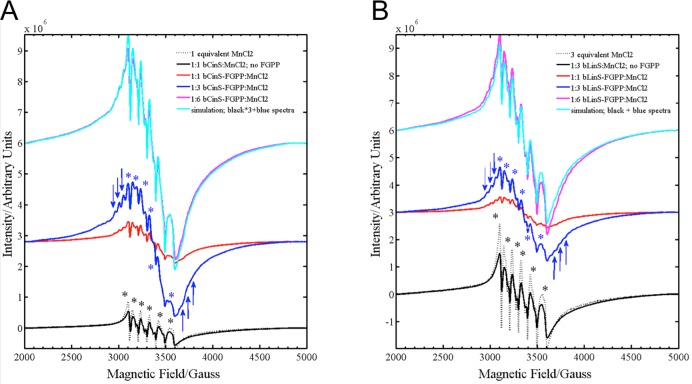
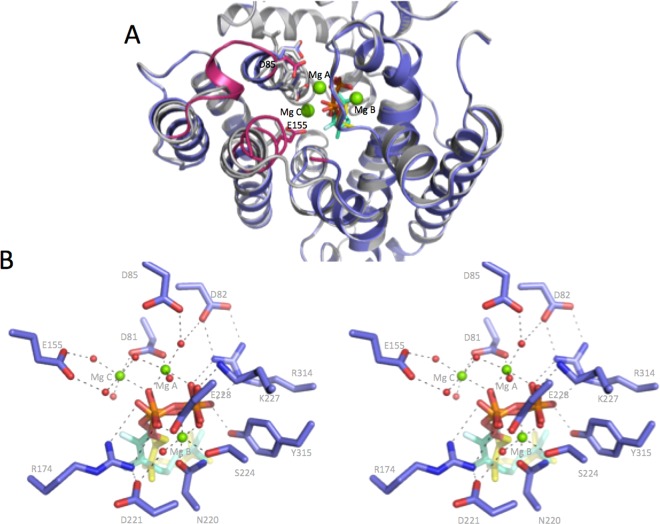
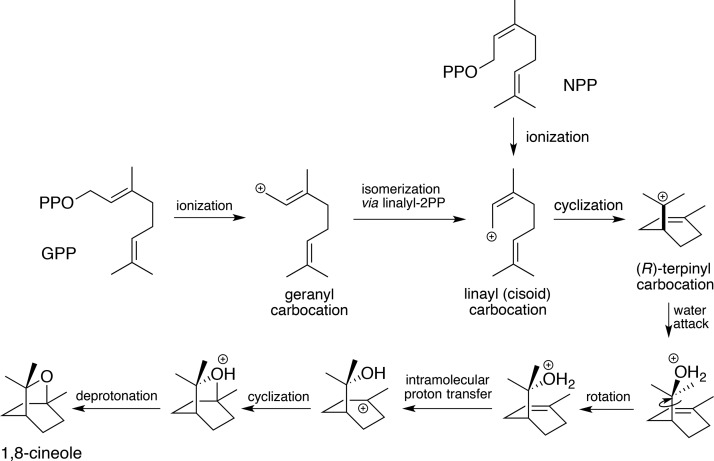
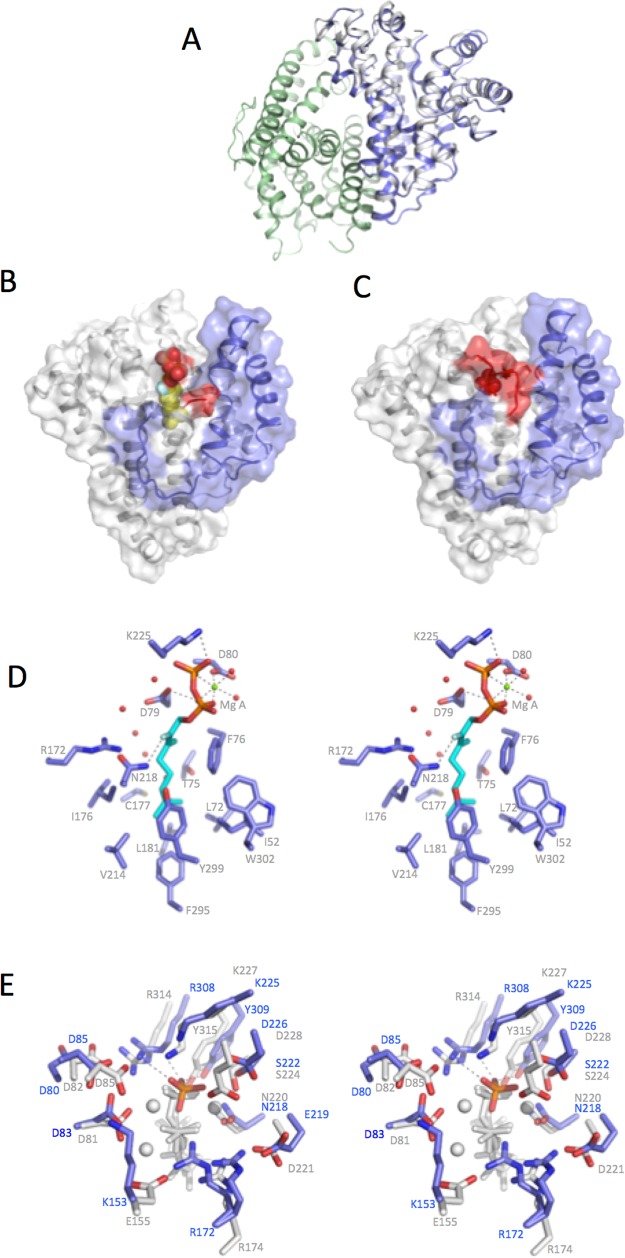
Terpenoids form the largest and stereochemically most diverse class of natural products, and there is considerable interest in producing these by biocatalysis with whole cells or purified enzymes, and by metabolic engineering. The monoterpenes are an important class of terpenes and are industrially important as flavors and fragrances. We report here structures for the recently discovered monoterpene synthases linalool synthase (bLinS) and 1,8-cineole synthase (bCinS), and we show that these are active biocatalysts for monoterpene production using biocatalysis and metabolic engineering platforms. In metabolically engineered monoterpene-producing strains, use of bLinS leads to 300-fold higher linalool production compared with the corresponding plant monoterpene synthase. With bCinS, 1,8-cineole is produced with 96% purity compared to 67% from plant species. Structures of bLinS and bCinS, and their complexes with fluorinated substrate analogues, show that these bacterial monoterpene synthases are similar to previously characterized sesquiterpene synthases. Molecular dynamics simulations suggest that these monoterpene synthases do not undergo large-scale conformational changes during the reaction cycle, making them attractive targets for structured-based protein engineering to expand the catalytic scope of these enzymes toward alternative monoterpene scaffolds. Comparison of the bLinS and bCinS structures indicates how their active sites steer reactive carbocation intermediates to the desired acyclic linalool (bLinS) or bicyclic 1,8-cineole (bCinS) products. The work reported here provides the analysis of structures for this important class of monoterpene synthase. This should now guide exploitation of the bacterial enzymes as gateway biocatalysts for the production of other monoterpenes and monoterpenoids.
萜类化合物是天然产物中数量最多、立体化学上最多样化的一类,人们对通过全细胞或纯化酶的生物催化以及代谢工程来生产这些化合物有着浓厚的兴趣。单萜是萜类化合物中的一个重要类别,在工业上作为香料和香精具有重要意义。我们在此报告了最近发现的单萜合酶芳樟醇合酶(bLinS)和1,8 - 桉叶素合酶(bCinS)的结构,并表明它们是使用生物催化和代谢工程平台生产单萜的活性生物催化剂。在经过代谢工程改造的产单萜菌株中,与相应的植物单萜合酶相比,使用bLinS可使芳樟醇产量提高300倍。使用bCinS时,1,8 - 桉叶素的纯度为96%,而植物来源的纯度为67%。bLinS和bCinS的结构及其与氟化底物类似物的复合物表明,这些细菌单萜合酶与先前表征的倍半萜合酶相似。分子动力学模拟表明,这些单萜合酶在反应循环中不会发生大规模构象变化,这使得它们成为基于结构的蛋白质工程的有吸引力的目标,以将这些酶的催化范围扩展到替代的单萜支架。bLinS和bCinS结构的比较表明了它们的活性位点如何将反应性碳正离子中间体导向所需的无环芳樟醇(bLinS)或双环1,8 - 桉叶素(bCinS)产物。本文报道的工作提供了对这一重要类别的单萜合酶结构的分析。这现在应该指导将这些细菌酶作为生产其他单萜和单萜类化合物的关键生物催化剂加以利用。