Miao Susheng, Mao Xionghui, Zhao Shu, Song Kaibin, Xiang Cheng, Lv Yuanjing, Jiang Huanyv, Wang Lei, Li Baojun, Yang Xianguang, Yuan Zhennan, Xiu Cheng, Meng Hongxue, Sun Ji
Department of Head and Neck Surgery, Harbin Medical University Cancer Hospital, Harbin 150081, China.
Department of Medical Oncology, Harbin Medical University Cancer Hospital, Harbin 150081, China.
Oncotarget. 2017 Jul 10;8(37):62143-62153. doi: 10.18632/oncotarget.19121. eCollection 2017 Sep 22.
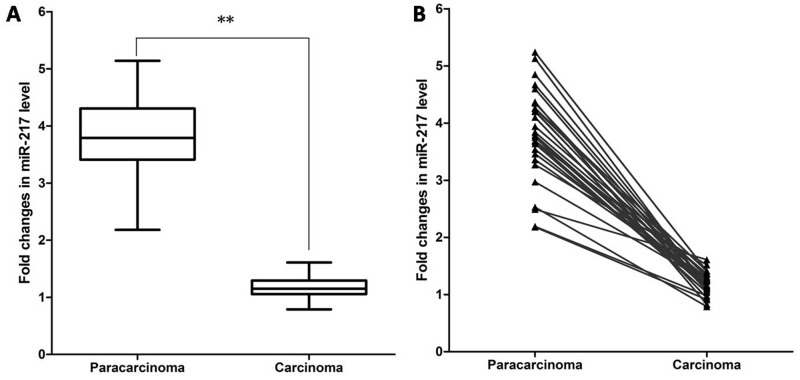
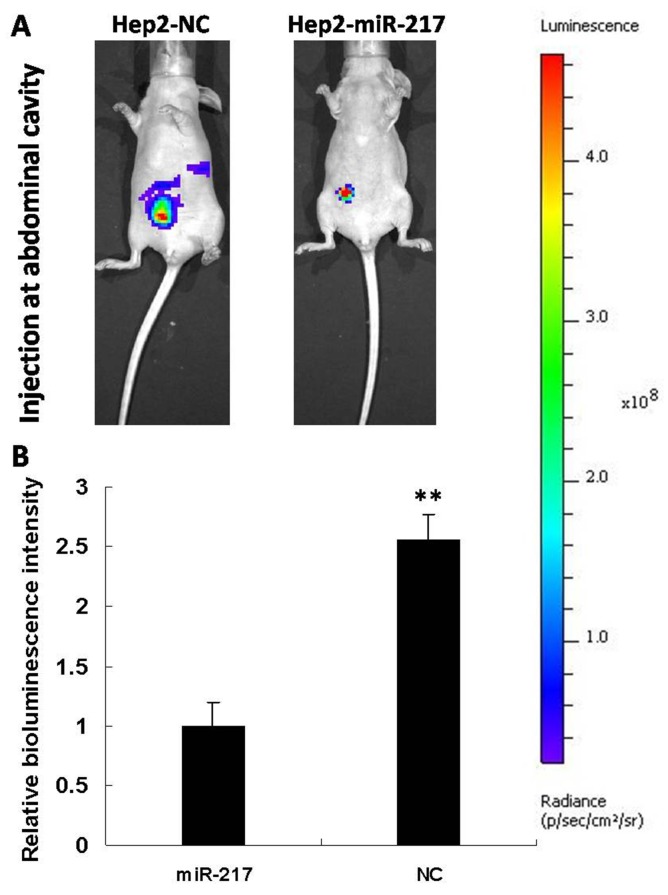
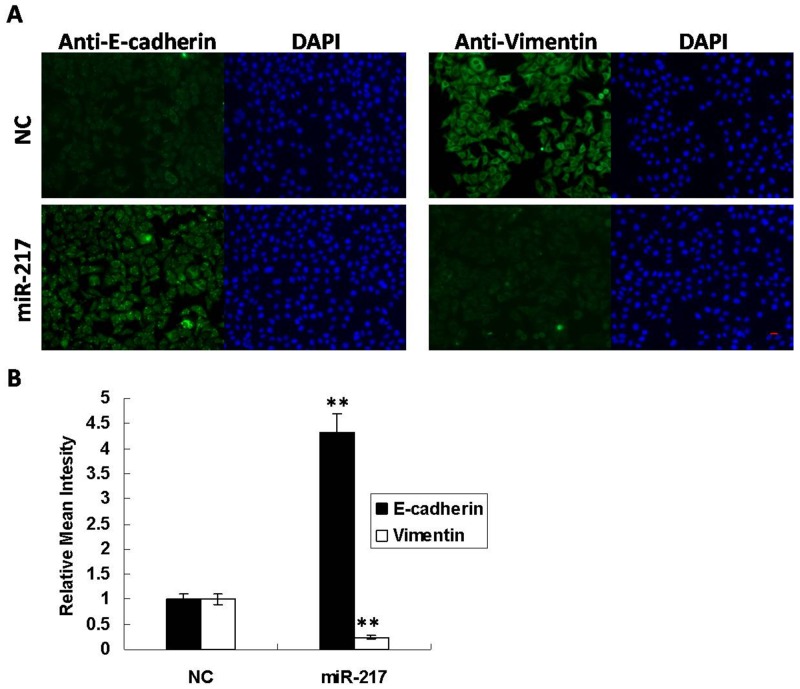
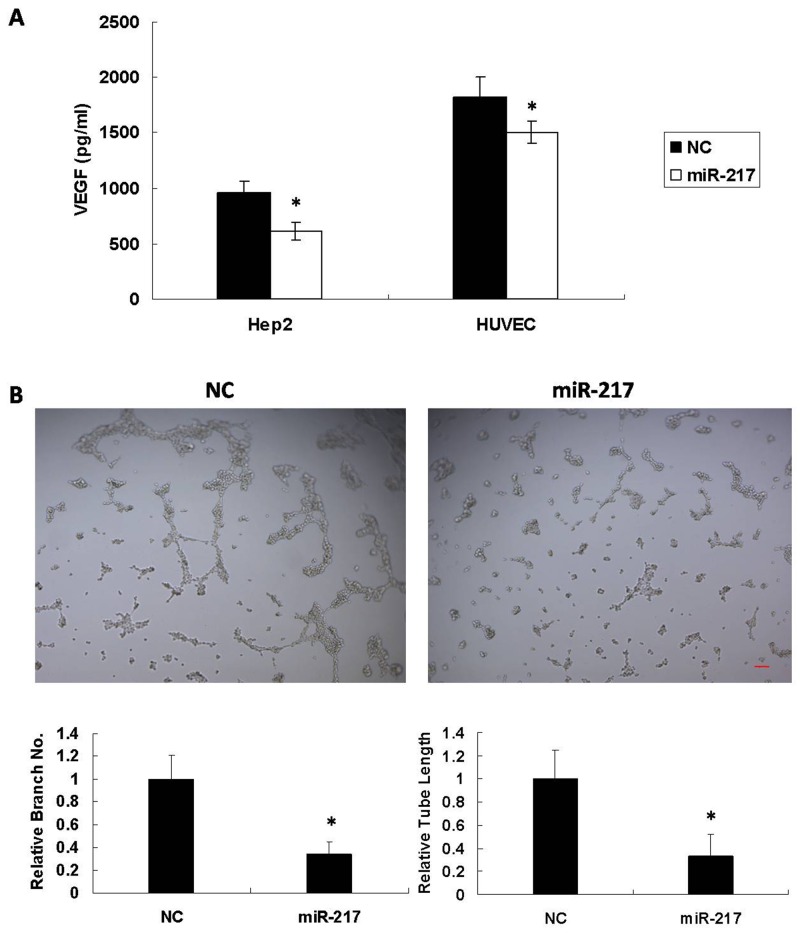
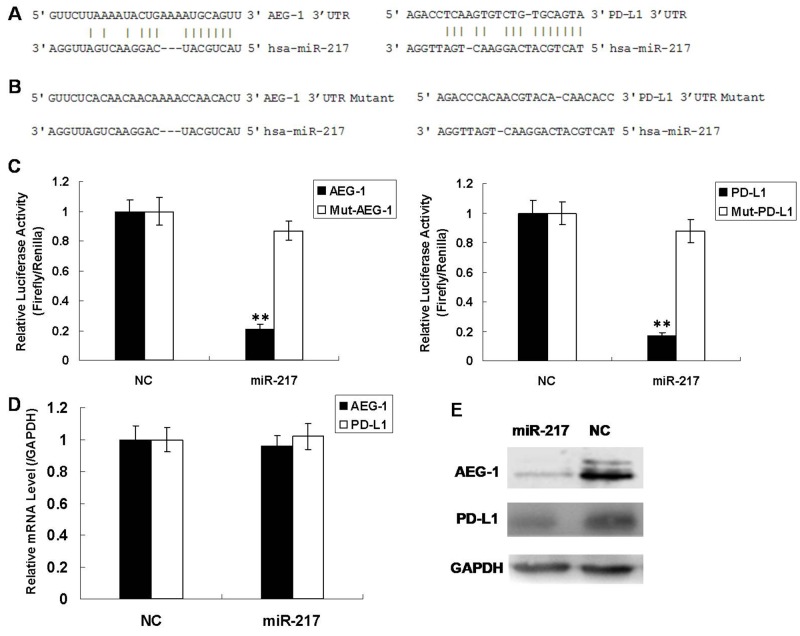
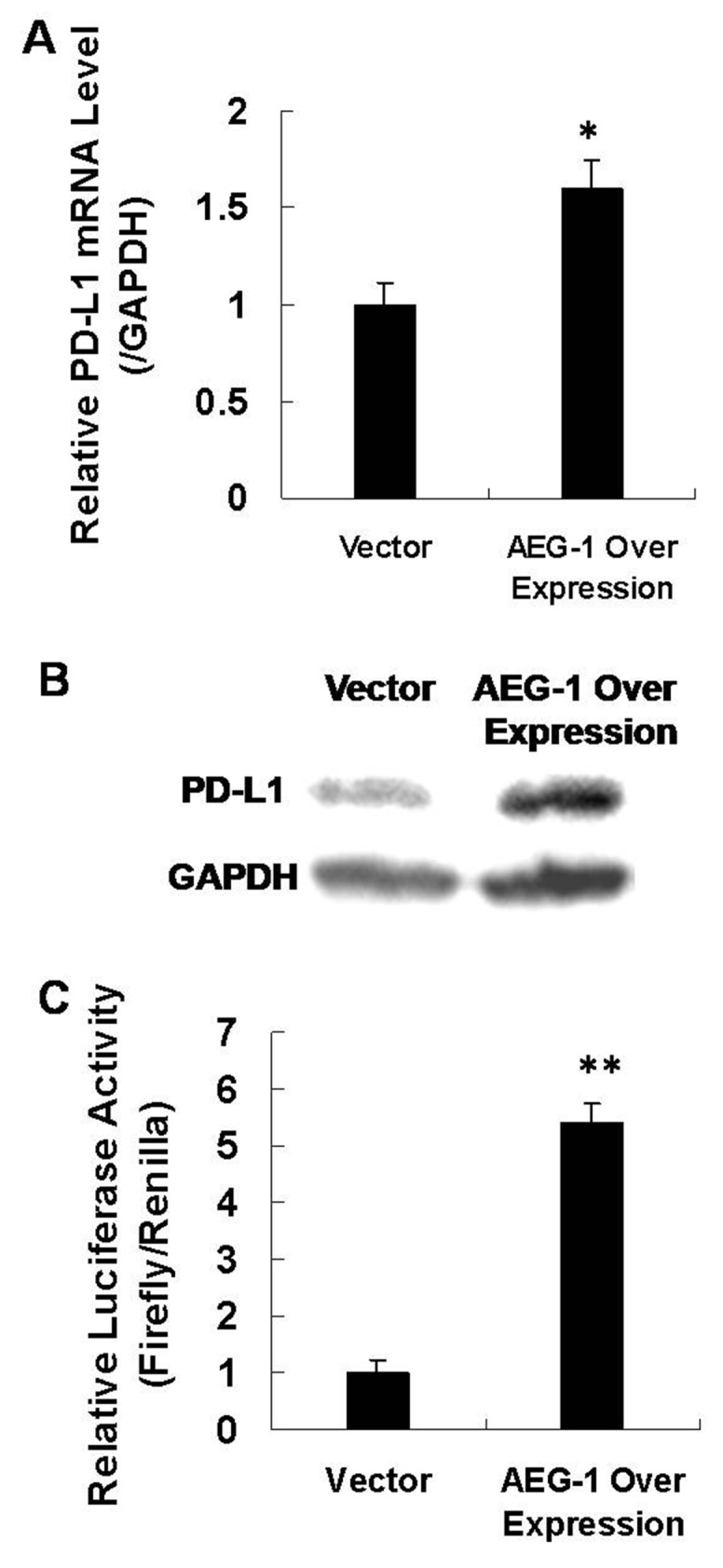
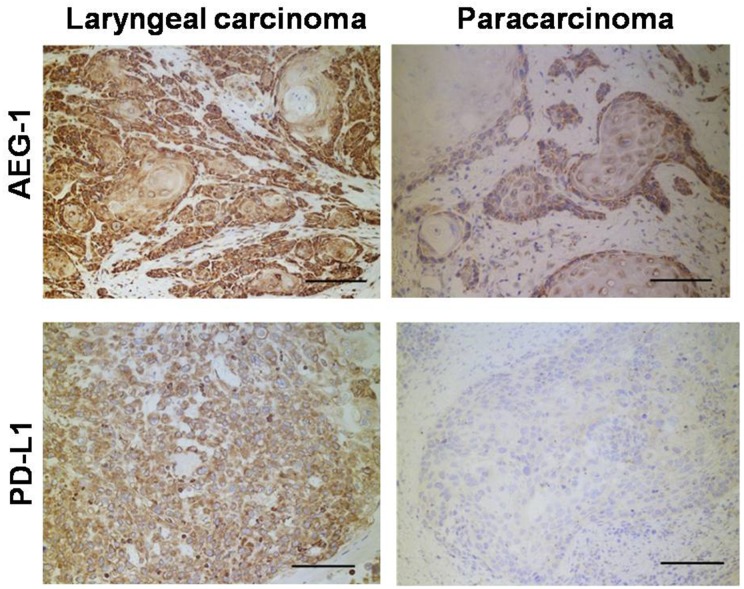
High incidences of laryngeal cancer have been reported recently. Increasing our understanding of the molecular mechanisms underlying this malignancy could reveal more effective approaches to treating laryngeal cancer patients and so improve their prognoses. In this study, we explored the biological effects of miR-217 on laryngeal cancer. miR-217 potently inhibited multiple metastatic traits, including cell migration, invasion, proliferation, apoptosis, and EMT, as well as angiogensis. These effects were achieved through downregulation of the miR-217 target gene, AEG-1 and PD-L1. Clinical expression and animal model studies further confirmed our results. These findings provide new insight into the physiological effects of miR-217 in laryngeal cancer and its potential therapeutic use.
最近有报道称喉癌的发病率很高。增进我们对这种恶性肿瘤潜在分子机制的了解,可能会揭示出更有效的治疗喉癌患者的方法,从而改善他们的预后。在本研究中,我们探究了miR-217对喉癌的生物学效应。miR-217能有效抑制多种转移特性,包括细胞迁移、侵袭、增殖、凋亡和上皮-间质转化(EMT)以及血管生成。这些效应是通过下调miR-217的靶基因AEG-1和PD-L1实现的。临床表达和动物模型研究进一步证实了我们的结果。这些发现为miR-217在喉癌中的生理效应及其潜在的治疗用途提供了新的见解。