Bird Yelena, Obidiya Olatunji, Mahmood Razi, Nwankwo Chijioke, Moraros John
School of Public Health, University of Saskatchewan, Saskatoon, Canada.
Int J Prev Med. 2017 Sep 14;8:71. doi: 10.4103/ijpvm.IJPVM_49_17. eCollection 2017.
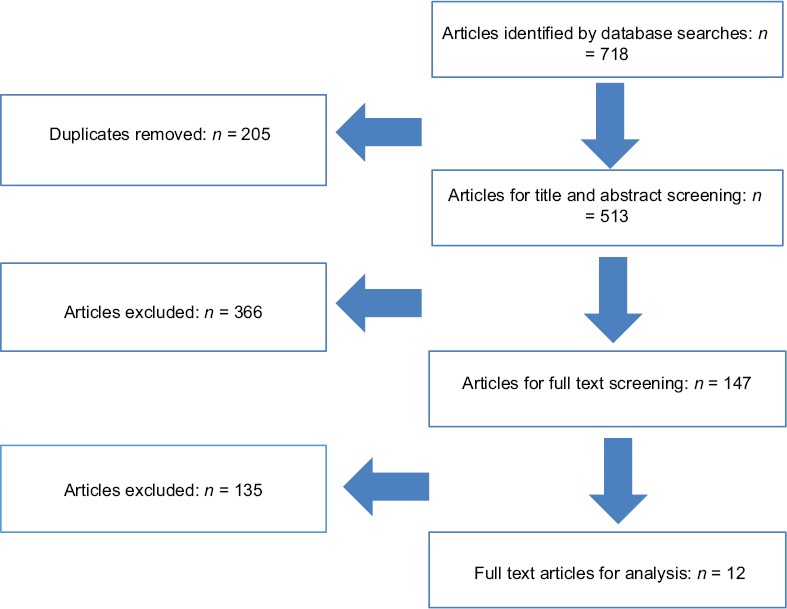
Human papillomavirus (HPV) is the most commonly sexually transmitted infection in the world and the primary cause of cervical cancer. Canada introduced publicly funded HPV vaccination programs in 2006. The objectives of this study are twofold and aim to (1) determine the levels and (2) examine the various factors influencing vaccine uptake among the general Canadian population. A literature search was conducted on seven databases, followed by screening, methodological quality review (using modified Newcastle-Ottawa Scale), and data extraction. Pooled meta-analysis and a subgroup analysis were conducted stratifying by a number of variables (age, sex, type of program, and method of payment) determined . A total of 718 peer-reviewed articles were initially identified with 12 remaining after screening and underwent methodological quality review. HPV vaccination uptake in Canada varied from 12.40% (95% confidence interval [CI] 6.77-20.26) to 88.20% (95% CI 85.72-90.39). The pooled random effects model showed the HPV vaccination uptake to be 55.92% (95% CI 44.87-66.65). The subgroup analysis showed that vaccination uptake was 66.95% (95% CI 55.00-77.89) in participants ≤ 18 years as compared to 13.58% (95% CI 10.93-16.46) in participants > 18 years. Uptake for females was higher 57.23% (95% CI: 45.40-68.66) when compared to that of 47.01% (95% CI: 0.82-97.75) in males. HPV vaccine uptake among school-based programs was 69.62% (95% CI 57.27-80.68) as compared to 18.66% (95% CI 6.66-34.92) for community-based programs. Vaccination uptake for publicly funded programs was significantly higher 66.95% (95% CI 55.00-77.89) when compared to 13.58% (95% CI 10.92-16.46) for programs where participants had to pay out of pocket. To prevent infections and reduce the burden of HPV-related diseases (including cervical cancer), communities should be made aware and encouraged to vaccinate their children. There is a documented need to direct effort and focus interventions toward improving HPV vaccination uptake in Canada.
人乳头瘤病毒(HPV)是世界上最常见的性传播感染,也是宫颈癌的主要病因。加拿大在2006年推出了公共资助的HPV疫苗接种计划。本研究有两个目标,旨在(1)确定加拿大普通人群中HPV疫苗的接种水平,以及(2)研究影响疫苗接种的各种因素。我们在七个数据库中进行了文献检索,随后进行筛选、方法学质量评估(使用改良的纽卡斯尔-渥太华量表)和数据提取。我们根据确定的多个变量(年龄、性别、计划类型和支付方式)进行了汇总荟萃分析和亚组分析。最初共识别出718篇经同行评审的文章,筛选后剩下12篇并进行了方法学质量评估。加拿大HPV疫苗的接种率从12.40%(95%置信区间[CI]6.77 - 20.26)到88.20%(95%CI 85.72 - 90.39)不等。汇总随机效应模型显示HPV疫苗接种率为55.92%(95%CI 44.87 - 66.65)。亚组分析显示,18岁及以下参与者的疫苗接种率为66.95%(95%CI 55.00 - 77.89),而18岁以上参与者的接种率为13.58%(95%CI 10.93 - 16.46)。女性的接种率更高,为57.23%(95%CI:45.40 - 68.66),而男性的接种率为47.01%(95%CI:0.82 - 97.75)。基于学校的计划中HPV疫苗接种率为69.62%(95%CI 57.27 - 80.68),而基于社区的计划中接种率为18.66%(95%CI 6.66 - 34.92)。公共资助计划的疫苗接种率显著更高,为66.95%(95%CI 55.00 - 77.89),而参与者需自掏腰包的计划接种率为13.58%(95%CI 10.92 - 16.46)。为预防感染并减轻HPV相关疾病(包括宫颈癌)的负担,应提高社区意识并鼓励为儿童接种疫苗。有记录表明需要努力并集中干预措施以提高加拿大的HPV疫苗接种率。