Miyano Masaru, Sayaman Rosalyn W, Stoiber Marcus H, Lin Chun-Han, Stampfer Martha R, Brown James B, LaBarge Mark A
Department of Population Sciences, City of Hope, Duarte, CA, 91010, USA.
Biological Systems and Engineering Division, Lawrence Berkeley National Laboratory, Berkeley, CA 94720, USA.
Aging (Albany NY). 2017 Oct 9;9(10):2026-2051. doi: 10.18632/aging.101298.
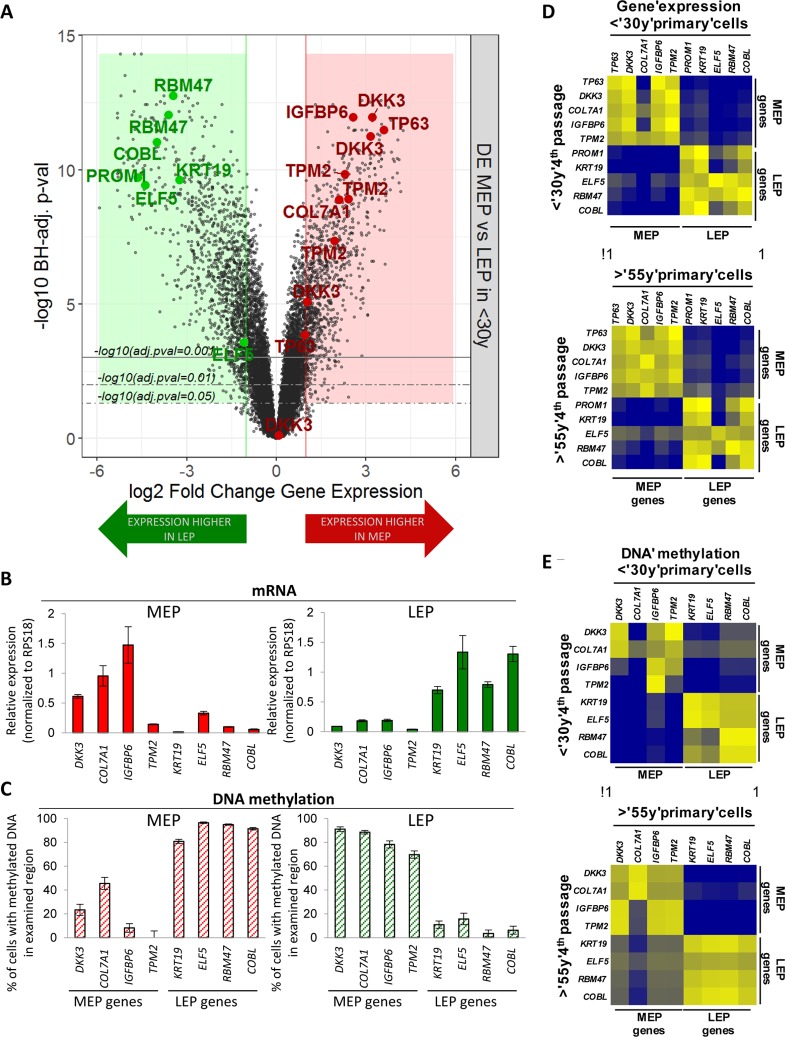
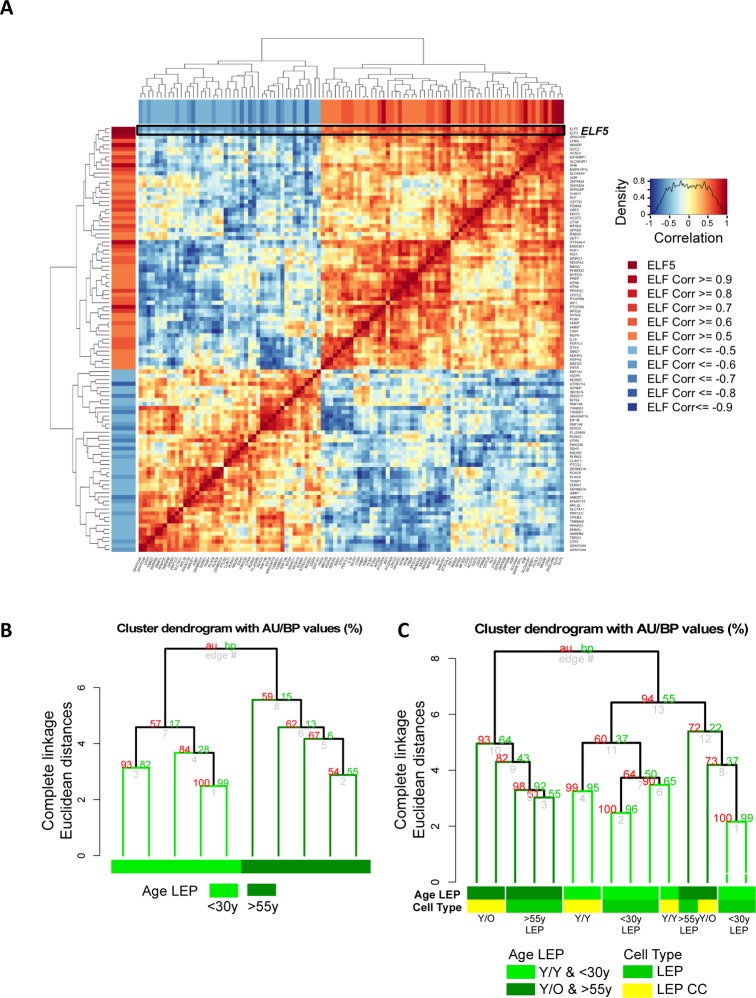
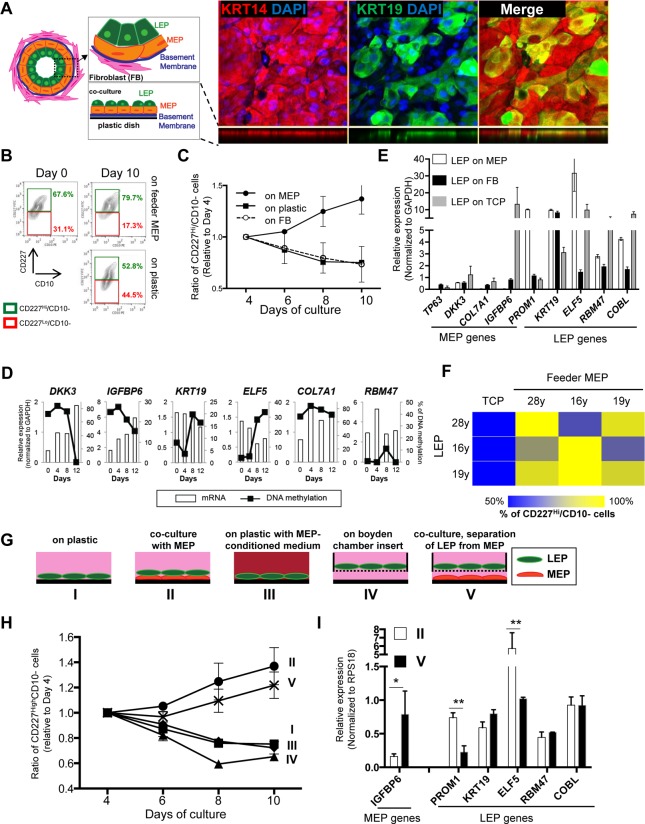
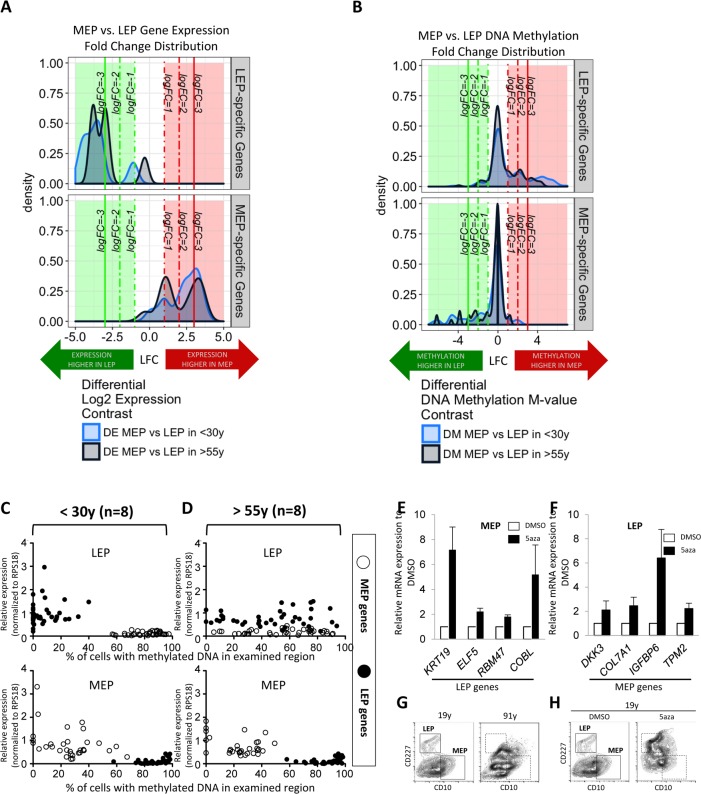
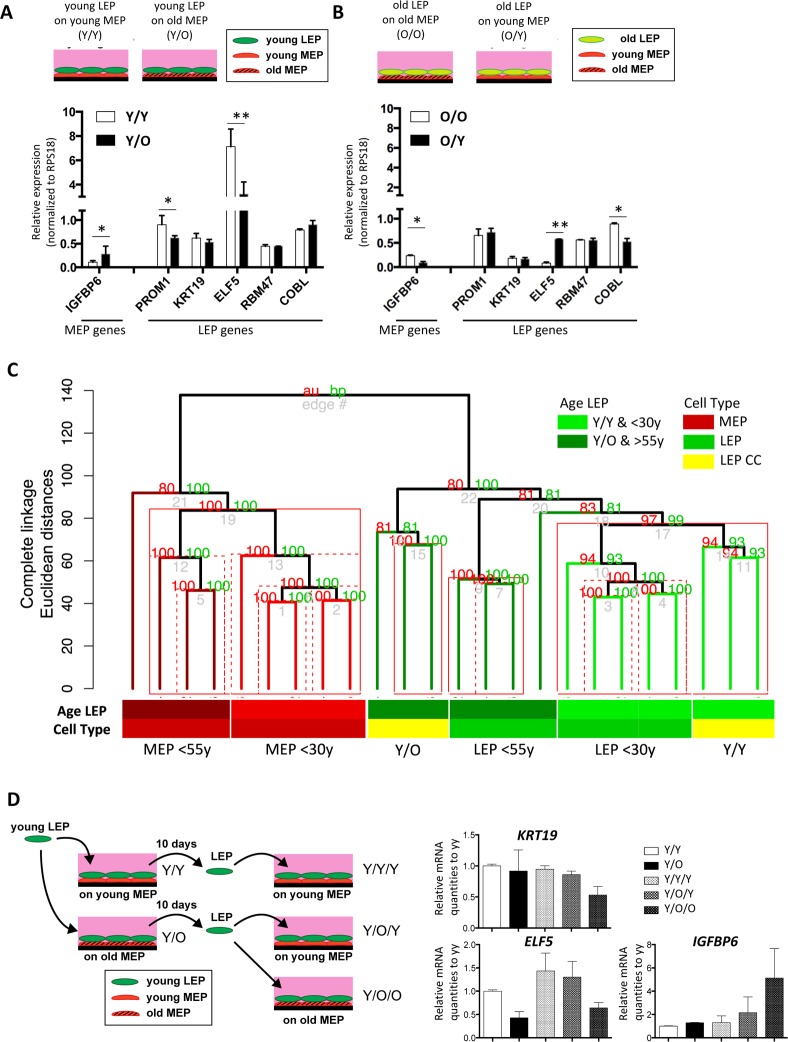
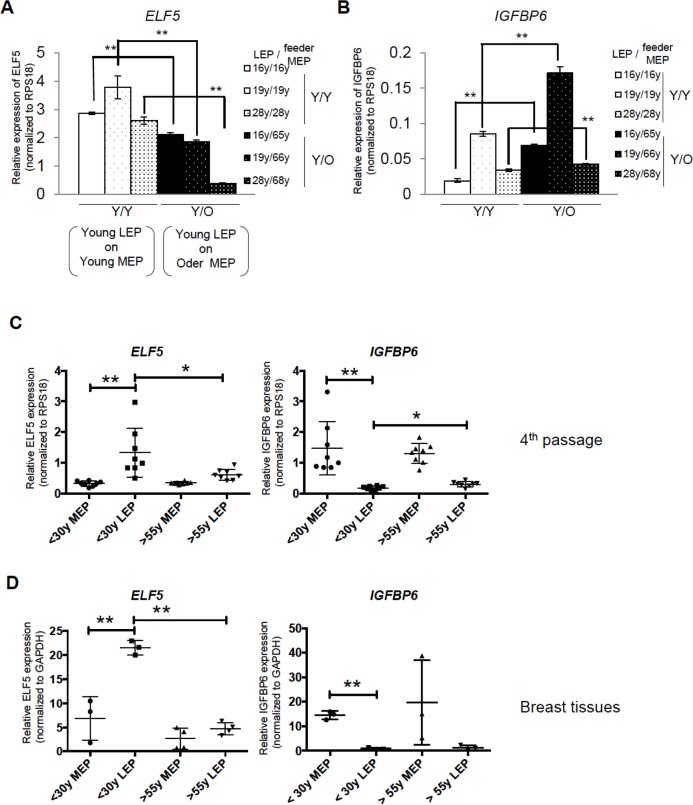
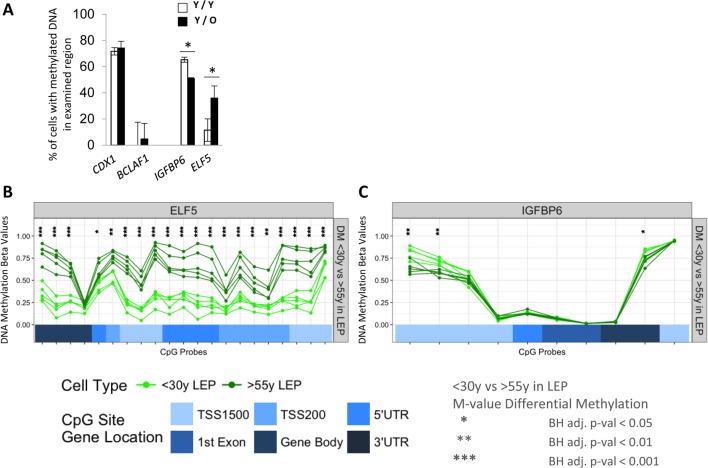
Luminal epithelial cells in the breast gradually alter gene and protein expression with age, appearing to lose lineage-specificity by acquiring myoepithelial-like characteristics. We hypothesize that the luminal lineage is particularly sensitive to microenvironment changes, and age-related microenvironment changes cause altered luminal cell phenotypes. To evaluate the effects of different microenvironments on the fidelity of epigenetically regulated luminal and myoepithelial gene expression, we generated a set of lineage-specific probes for genes that are controlled through DNA methylation. Culturing primary luminal cells under conditions that favor myoepithelial propogation led to their reprogramming at the level of gene methylation, and to a more myoepithelial-like expression profile. Primary luminal cells' lineage-specific gene expression could be maintained when they were cultured as bilayers with primary myoepithelial cells. Isogenic stromal fibroblast co-cultures were unable to maintain the luminal phenotype. Mixed-age luminal-myoepithelial bilayers revealed that luminal cells adopt transcription and methylation patterns consistent with the chronological age of the myoepithelial cells. We provide evidence that the luminal epithelial phenotype is exquisitely sensitive to microenvironment conditions, and that states of aging are cell non-autonomously communicated through microenvironment cues over at least one cell diameter.
乳腺中的管腔上皮细胞会随着年龄增长逐渐改变基因和蛋白质表达,似乎通过获得肌上皮样特征而丧失谱系特异性。我们推测管腔谱系对微环境变化特别敏感,与年龄相关的微环境变化会导致管腔细胞表型改变。为了评估不同微环境对表观遗传调控的管腔和肌上皮基因表达保真度的影响,我们针对通过DNA甲基化控制的基因生成了一组谱系特异性探针。在有利于肌上皮增殖的条件下培养原代管腔细胞,导致它们在基因甲基化水平上发生重编程,并呈现出更类似肌上皮的表达谱。当原代管腔细胞与原代肌上皮细胞双层培养时,其谱系特异性基因表达能够得以维持。同基因基质成纤维细胞共培养无法维持管腔表型。不同年龄的管腔 - 肌上皮双层培养显示,管腔细胞采用与肌上皮细胞实际年龄一致的转录和甲基化模式。我们提供的证据表明,管腔上皮表型对微环境条件极其敏感,并且衰老状态通过微环境信号在至少一个细胞直径的范围内进行非细胞自主性传递。