Hung Kuo-Yung, Lin Yi-Chih, Feng Hui-Ping
Department of Mechanical Engineering, Ming Chi University of Technology, 84 Gungjuan Rd., Taishan Dist., New Taipei City 24301, Taiwan.
Materials (Basel). 2017 Oct 11;10(10):1164. doi: 10.3390/ma10101164.
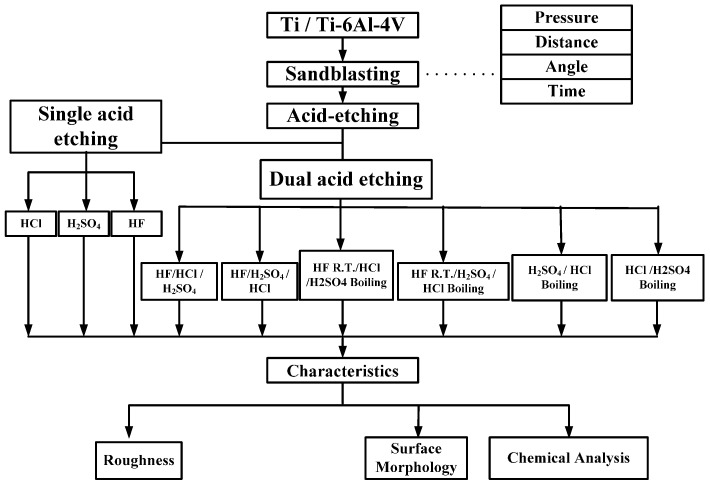
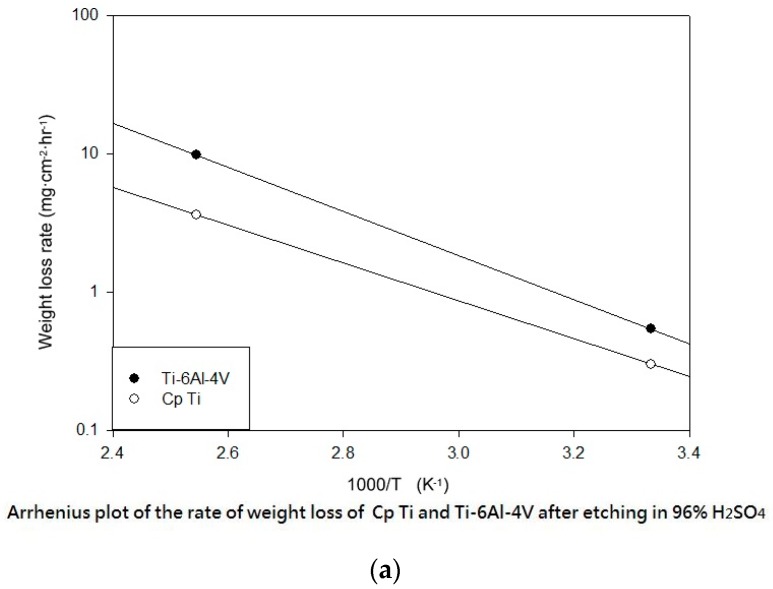
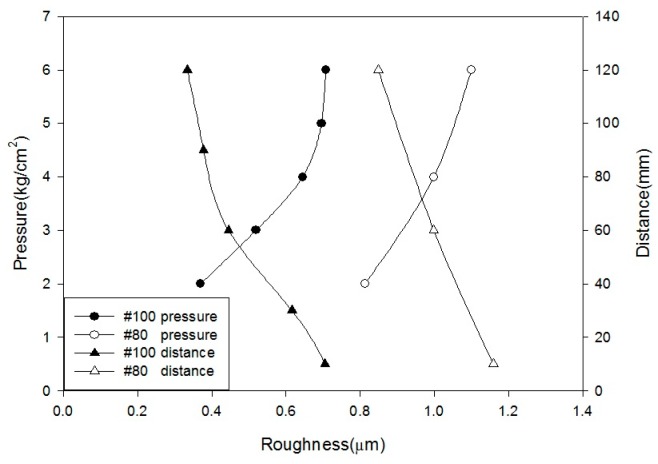
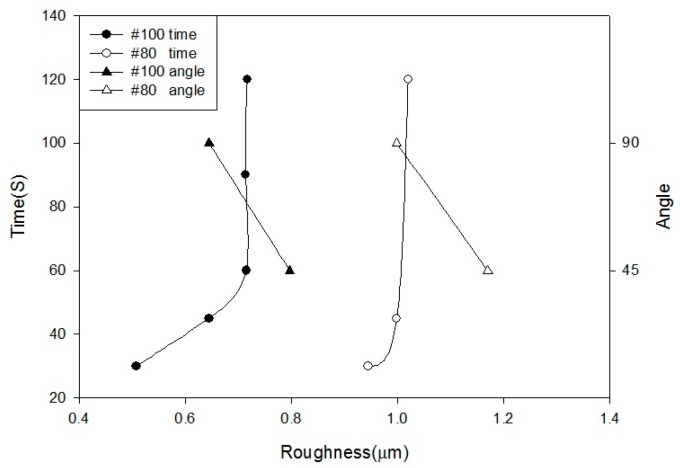
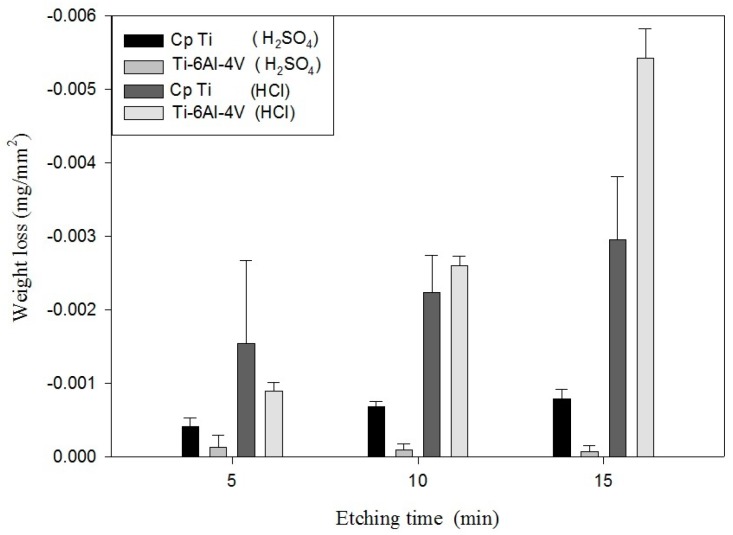
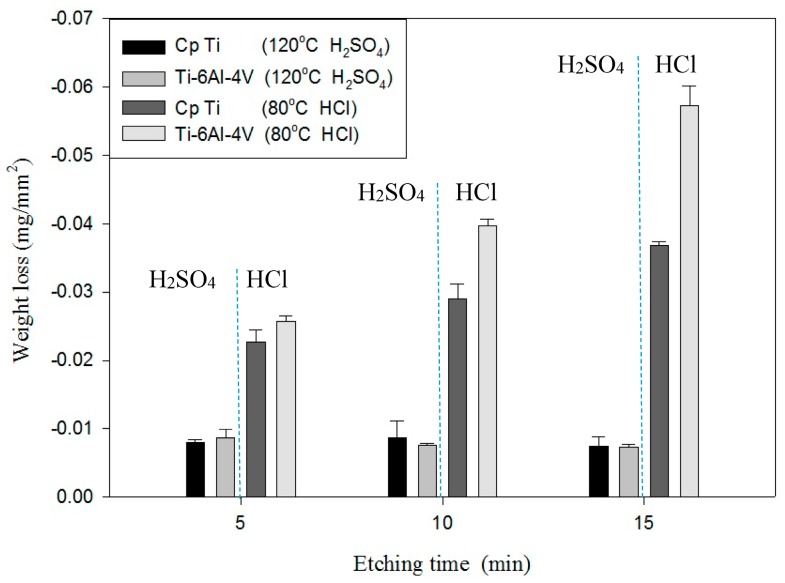
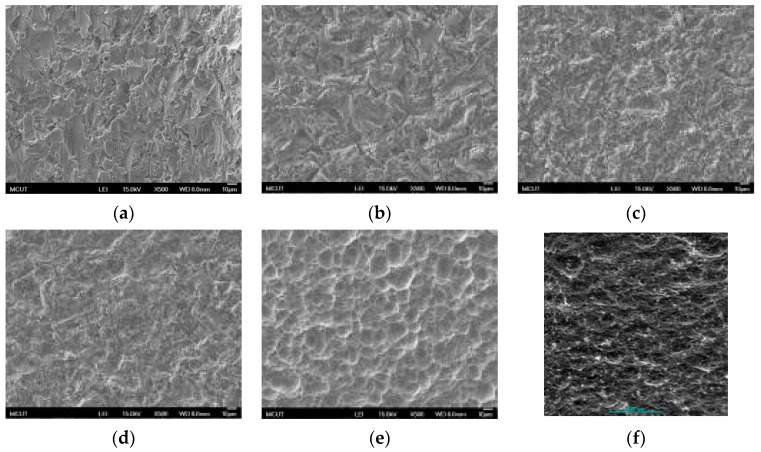
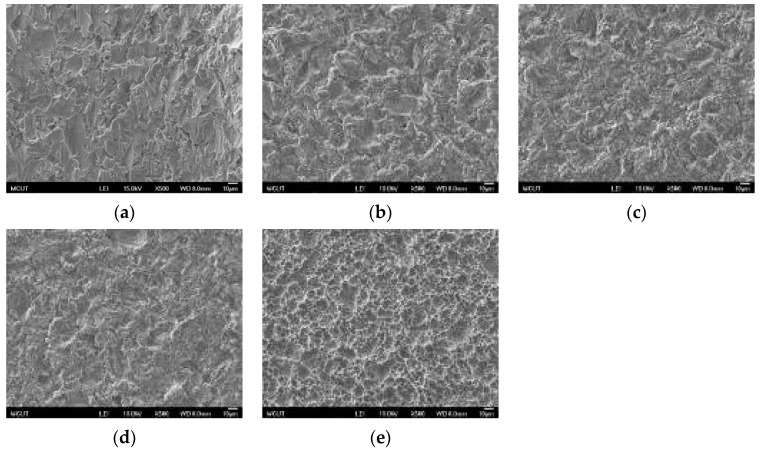
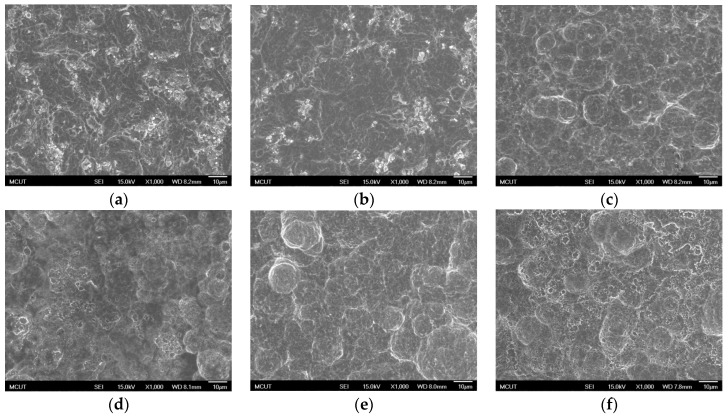
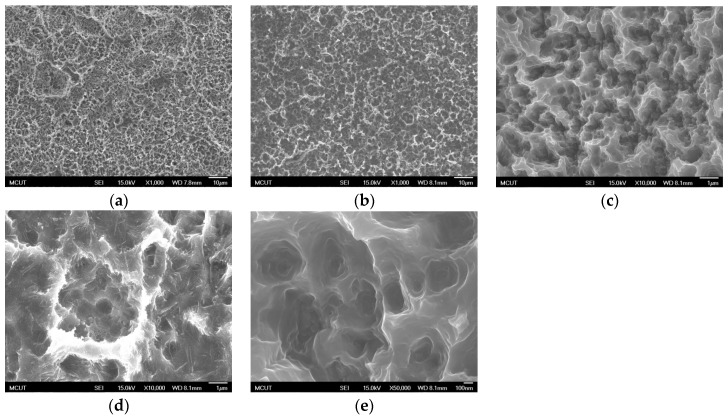
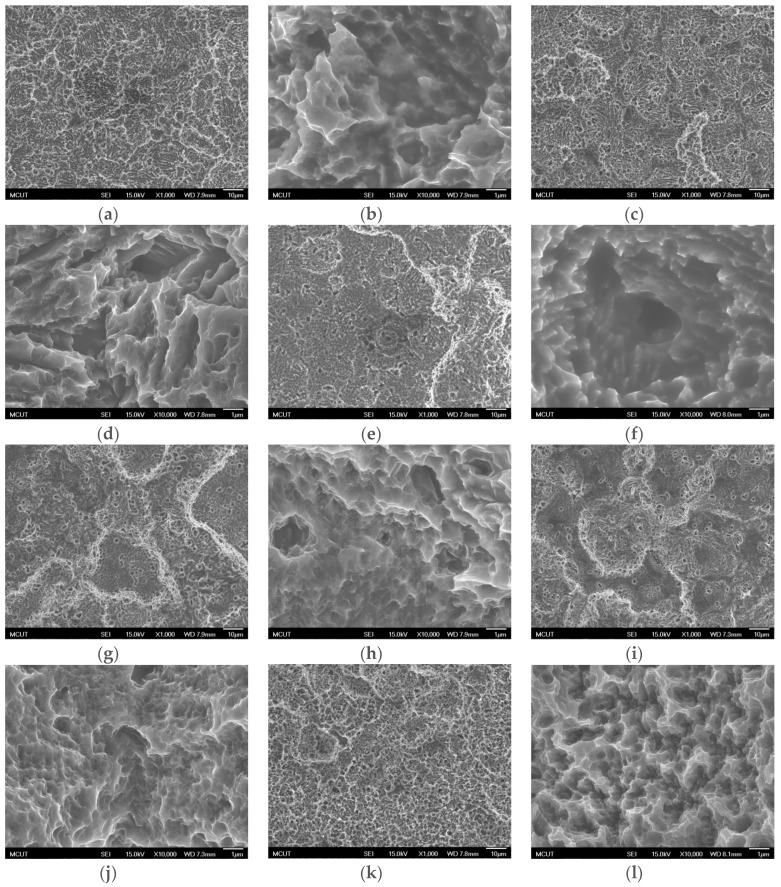
The purpose of this study was to characterize the etching mechanism, namely, the etching rate and the activation energy, of a titanium dental implant in concentrated acid and to construct the relation between the activation energy and the nanoscale surface topographies. A commercially-pure titanium (CP Ti) and Ti-6Al-4V ELI surface were tested by shot blasting (pressure, grain size, blasting distance, blasting angle, and time) and acid etching to study its topographical, weight loss, surface roughness, and activation energy. An Arrhenius equation was applied to derive the activation energy for the dissolution of CP Ti/Ti-6Al-4V ELI in sulfuric acid (H₂SO₄) and hydrochloric acid (HCl) at different temperatures. In addition, white-light interferometry was applied to measure the surface nanomorphology of the implant to obtain 2D or 3D roughness parameters (Sa, Sq, and St). The nanopore size that formed after etching was approximately 100-500 nm. The surface roughness of CP Ti and Ti-6Al-4V ELI decreased as the activation energy decreased but weight loss increased. Ti-6Al-4V ELI has a higher level of activation energy than Ti in HCl, which results in lower surface roughness after acid etching. This study also indicates that etching using a concentrated hydrochloric acid provided superior surface modification effects in titanium compared with H₂SO₄.
本研究的目的是表征牙科钛植入物在浓酸中的蚀刻机制,即蚀刻速率和活化能,并构建活化能与纳米级表面形貌之间的关系。通过喷丸处理(压力、粒度、喷丸距离、喷丸角度和时间)和酸蚀刻对商业纯钛(CP Ti)和Ti-6Al-4V ELI表面进行测试,以研究其形貌、重量损失、表面粗糙度和活化能。应用阿累尼乌斯方程推导不同温度下CP Ti/Ti-6Al-4V ELI在硫酸(H₂SO₄)和盐酸(HCl)中的溶解活化能。此外,应用白光干涉测量法测量植入物的表面纳米形貌,以获得二维或三维粗糙度参数(Sa、Sq和St)。蚀刻后形成的纳米孔径约为100-500nm。CP Ti和Ti-6Al-4V ELI的表面粗糙度随活化能降低而降低,但重量损失增加。在HCl中,Ti-6Al-4V ELI的活化能水平高于Ti,这导致酸蚀刻后表面粗糙度较低。本研究还表明,与H₂SO₄相比,使用浓盐酸蚀刻在钛表面提供了更好的表面改性效果。