Helmholtz Zentrum München, German Research Center for Environmental Health, Institute of Virology, Neuherberg, Germany.
Institute of Medical Virology and Epidemiology of Viral Diseases, University Hospital Tübingen, Tübingen, Germany.
Open Biol. 2017 Oct;7(10). doi: 10.1098/rsob.170115.
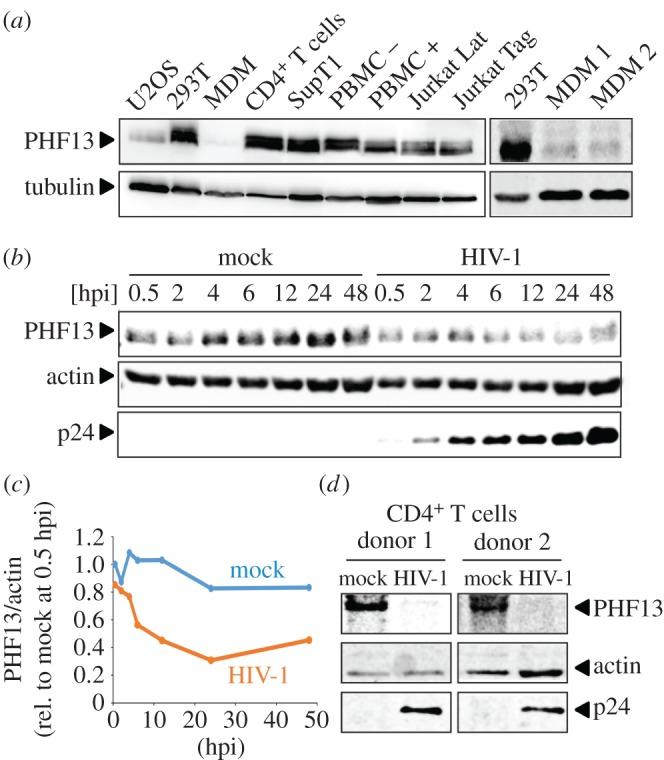
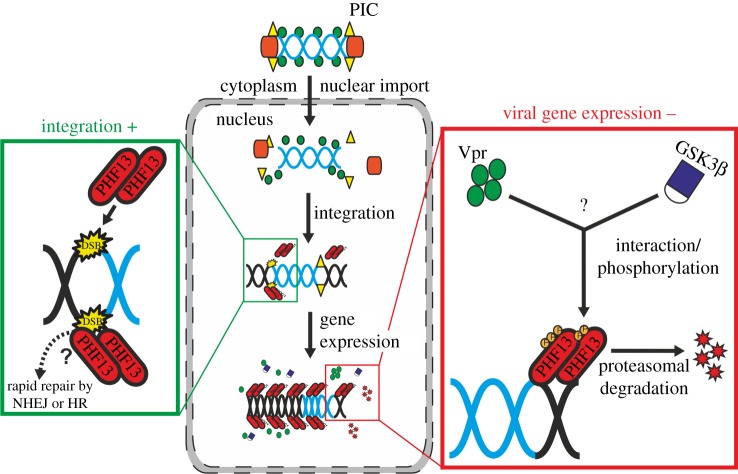
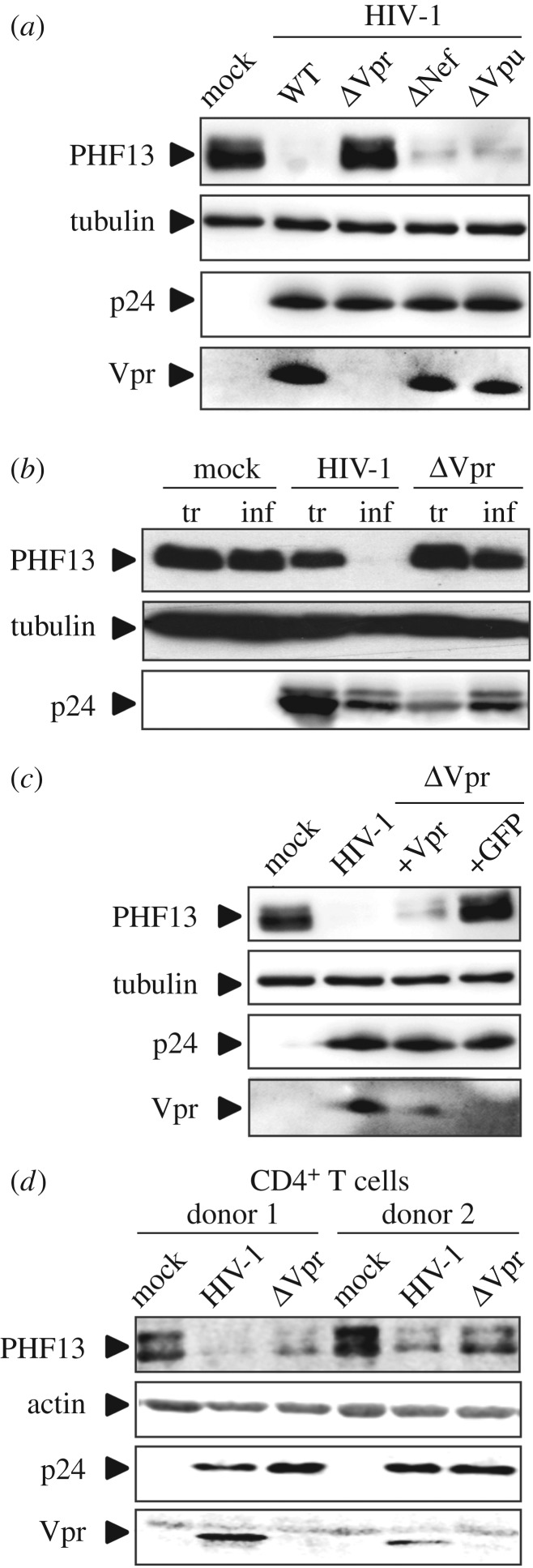
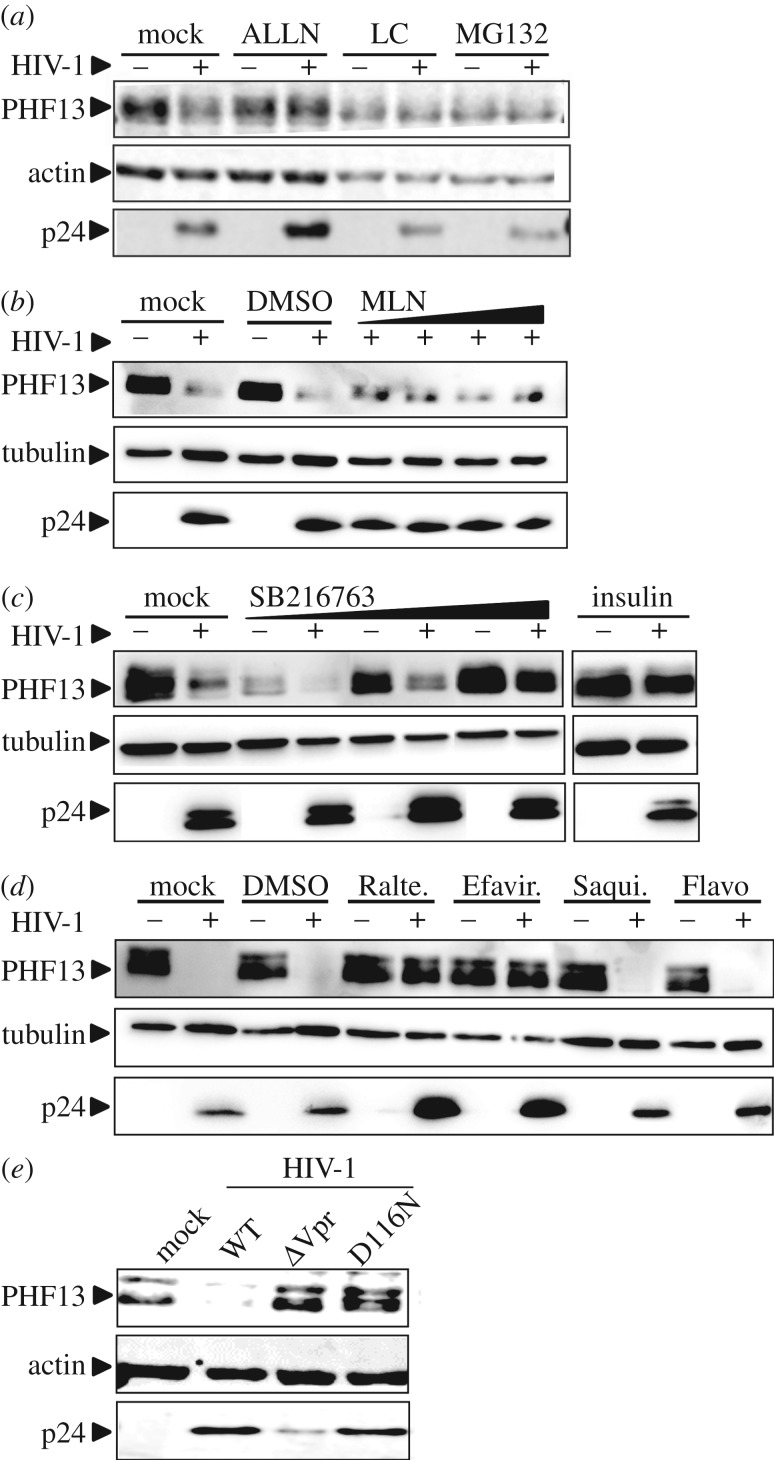
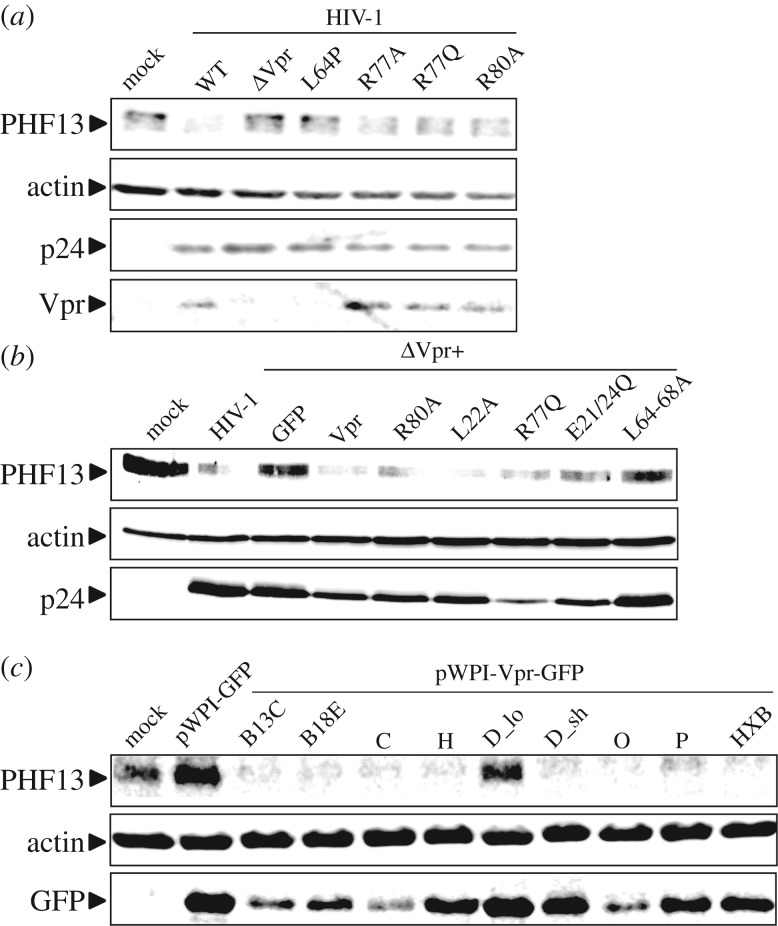
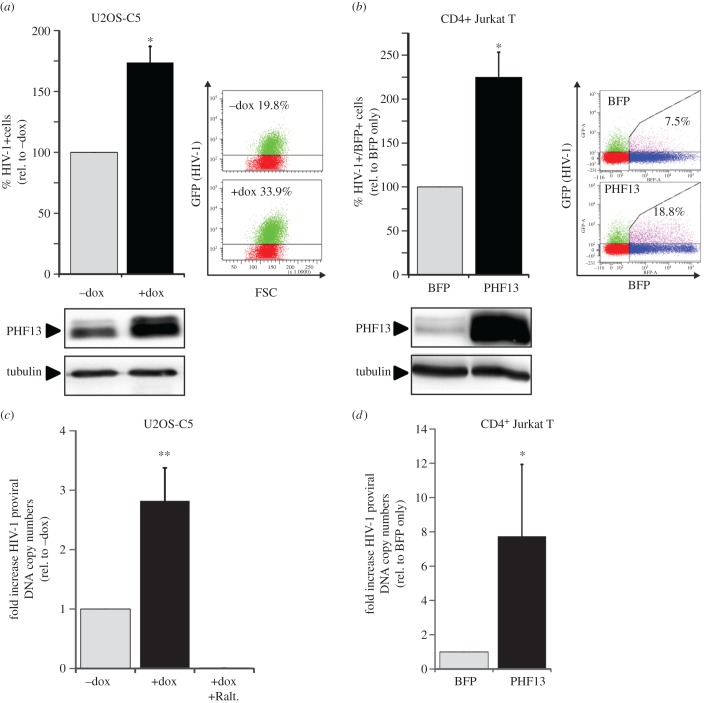
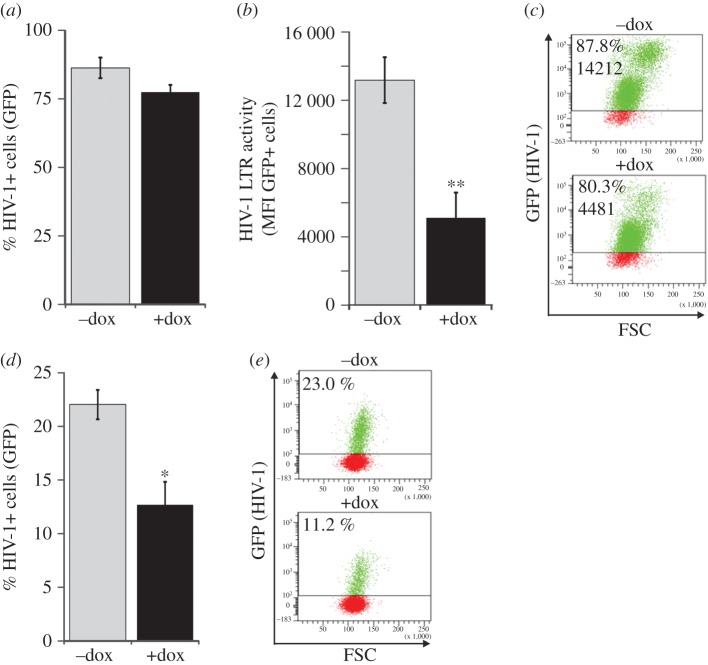
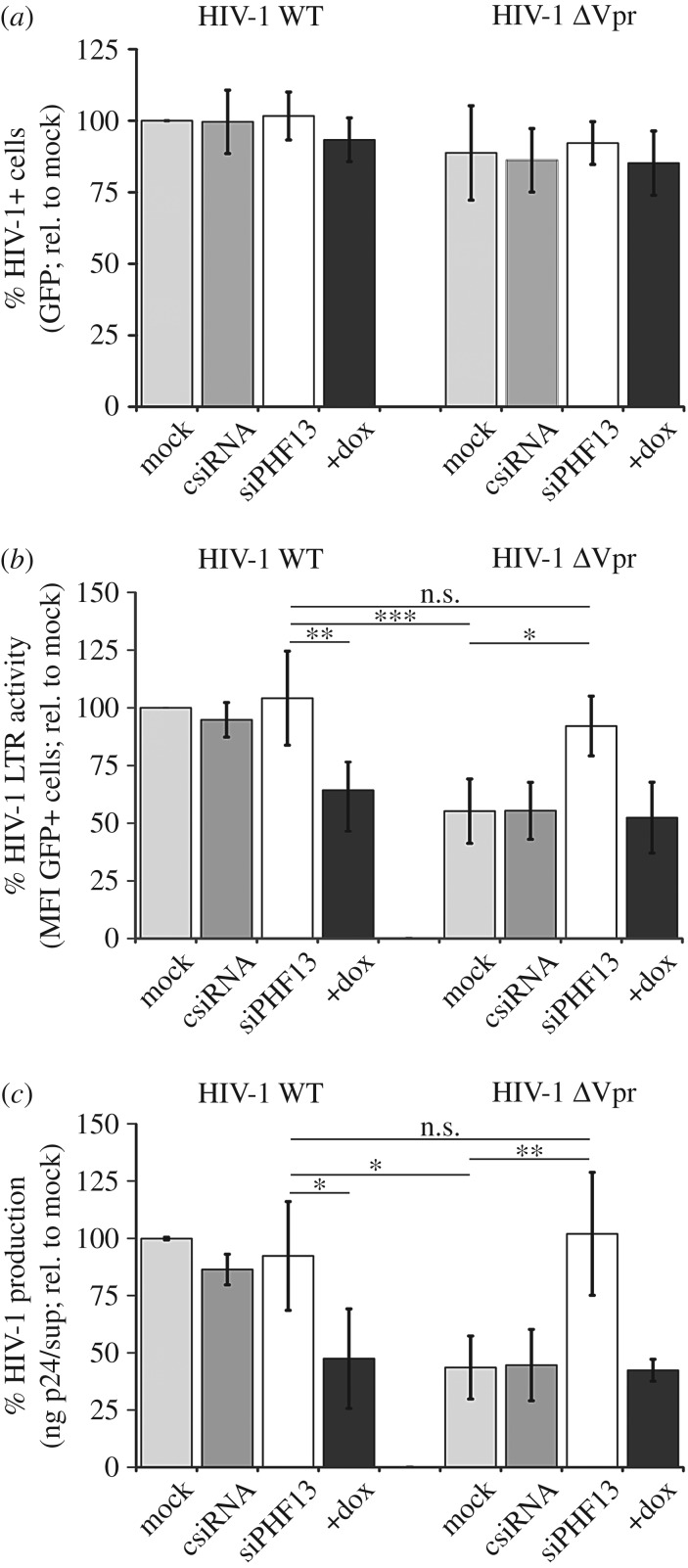
Viruses interact with multiple host cell factors. Some of these are required to promote viral propagation, others have roles in inhibiting infection. Here, we delineate the function of the cellular factor PHF13 (or SPOC1), a putative HIV-1 restriction factor. Early in the HIV-1 replication cycle PHF13 increased the number of integrated proviral copies and the number of infected cells. However, after HIV-1 integration, high levels of PHF13 suppressed viral gene expression. The antiviral activity of PHF13 is counteracted by the viral accessory protein Vpr, which mediates PHF13 degradation. Altogether, the transcriptional master regulator and chromatin binding protein PHF13 does not have purely repressive effects on HIV-1 replication, but also promotes viral integration. By the functional characterization of the dual role of PHF13 during the HIV-1 replication cycle, we reveal a surprising and intricate mechanism through which HIV-1 might regulate the switch from integration to viral gene expression. Furthermore, we identify PHF13 as a cellular target specifically degraded by HIV-1 Vpr.
病毒与多种宿主细胞因子相互作用。其中一些因子是促进病毒繁殖所必需的,而另一些因子则在抑制感染方面发挥作用。在这里,我们描述了细胞因子 PHF13(或 SPOC1)的功能,它是一种假定的 HIV-1 限制因子。在 HIV-1 复制周期的早期,PHF13 增加了整合的前病毒拷贝数和感染细胞的数量。然而,在 HIV-1 整合后,高水平的 PHF13 抑制了病毒基因的表达。PHF13 的抗病毒活性被病毒辅助蛋白 Vpr 拮抗,Vpr 介导 PHF13 的降解。总的来说,转录主控调节剂和染色质结合蛋白 PHF13 对 HIV-1 复制没有纯粹的抑制作用,反而促进了病毒的整合。通过对 PHF13 在 HIV-1 复制周期中的双重作用的功能表征,我们揭示了 HIV-1 可能调节从整合到病毒基因表达转换的惊人而复杂的机制。此外,我们确定 PHF13 是 HIV-1 Vpr 特异性降解的细胞靶标。