Kim Hong Joo, Taylor J Paul
Department of Cell and Molecular Biology, St. Jude Children's Research Hospital, Memphis, TN 38105, USA.
Department of Cell and Molecular Biology, St. Jude Children's Research Hospital, Memphis, TN 38105, USA; Howard Hughes Medical Institute, Chevy Chase, MD 20815, USA.
Neuron. 2017 Oct 11;96(2):285-297. doi: 10.1016/j.neuron.2017.07.029.
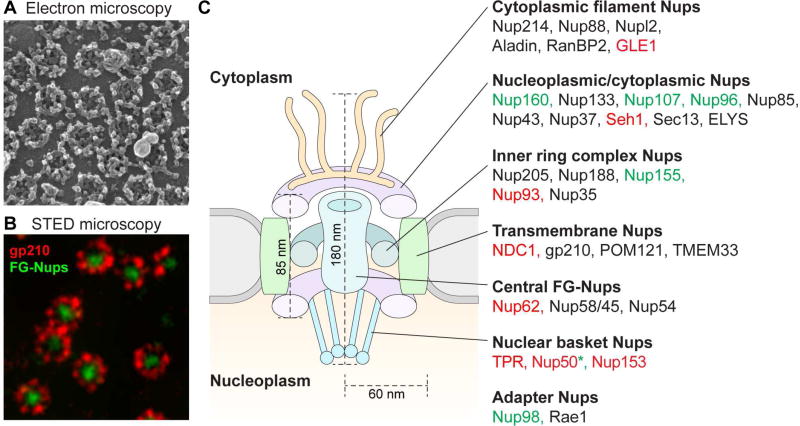
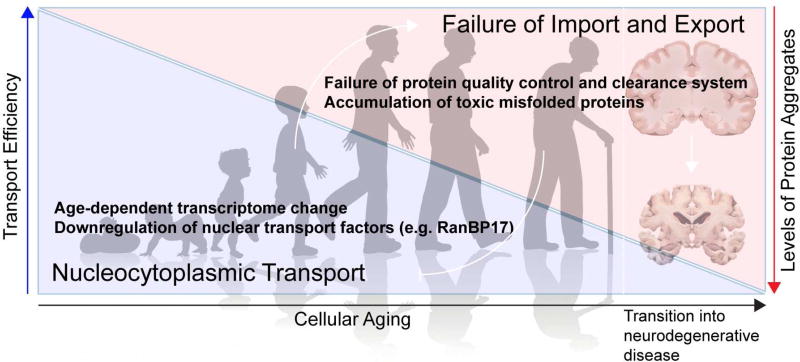
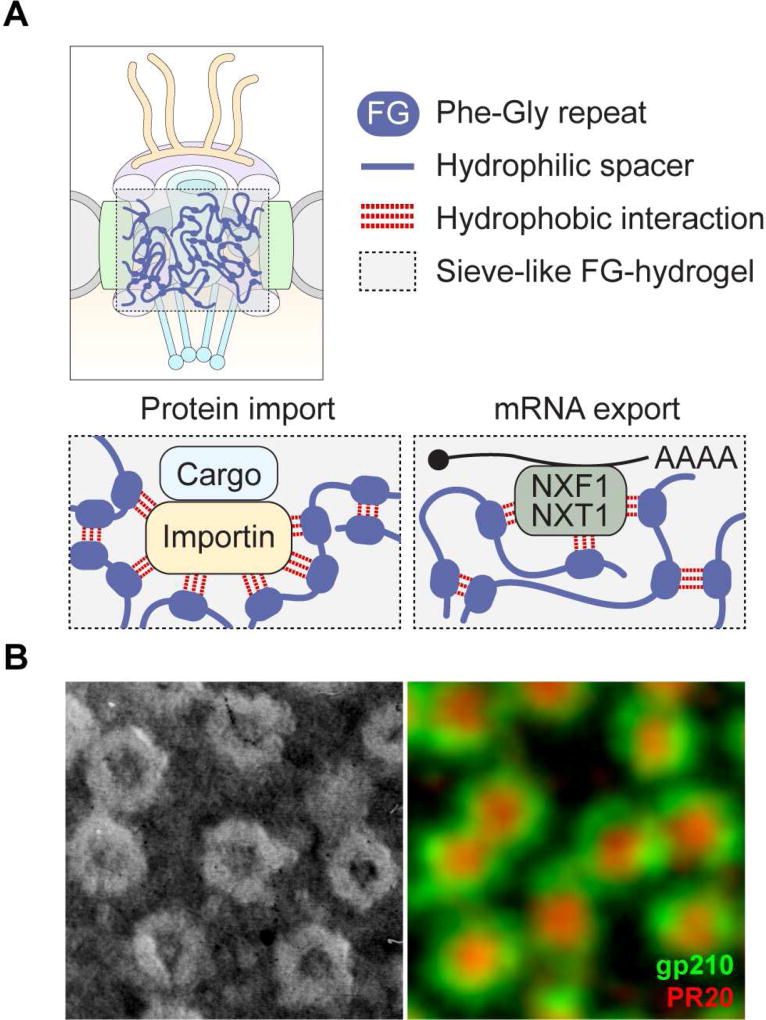
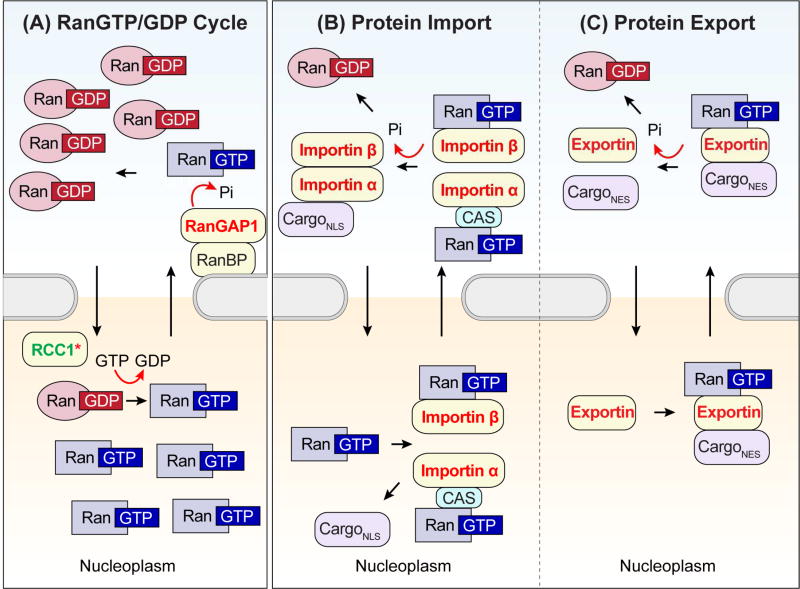
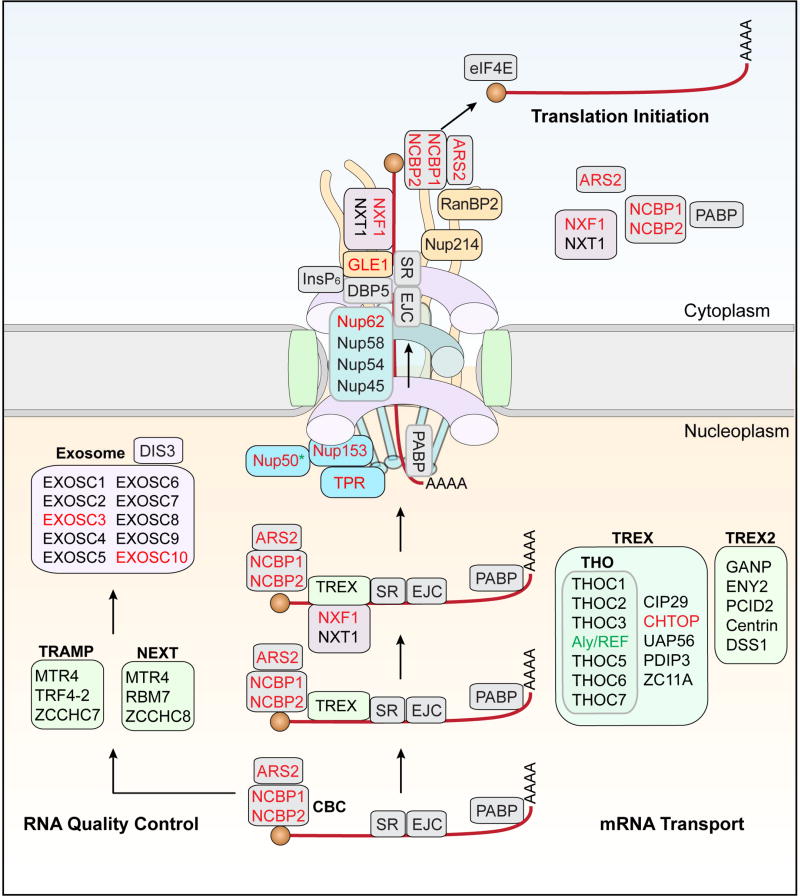
Amyotrophic lateral sclerosis (ALS) is a progressive, fatal neurodegenerative disease characterized by degeneration of upper and lower motor neurons in the brain and spinal cord. The hallmark pathological feature in most cases of ALS is nuclear depletion and cytoplasmic accumulation of the protein TDP-43 in degenerating neurons. Consistent with this pattern of intracellular protein redistribution, impaired nucleocytoplasmic trafficking has emerged as a mechanism contributing to ALS pathology. Dysfunction in nucleocytoplasmic transport is also an emerging theme in physiological aging and other related neurodegenerative diseases, such as Huntington's and Alzheimer's diseases. Here we review transport through the nuclear pore complex, pointing out vulnerabilities that may underlie ALS and potentially contribute to this and other age-related neurodegenerative diseases.
肌萎缩侧索硬化症(ALS)是一种进行性、致命的神经退行性疾病,其特征是大脑和脊髓中的上、下运动神经元退化。大多数ALS病例的标志性病理特征是退化神经元中蛋白质TDP-43的核内耗竭和细胞质积累。与这种细胞内蛋白质重新分布模式一致,核质运输受损已成为导致ALS病理的一种机制。核质运输功能障碍也是生理衰老和其他相关神经退行性疾病(如亨廷顿病和阿尔茨海默病)中出现的一个共同主题。在这里,我们回顾了通过核孔复合体的运输,指出了可能是ALS基础并可能导致这种及其他与年龄相关神经退行性疾病的潜在脆弱性。