Cooper Edwin L, Ma Melissa J
Laboratory of Comparative Immunology, Department of Neurobiology, David Geffen School of Medicine, UCLA, Los Angeles, CA 90095-1763, USA.
J Tradit Complement Med. 2017 Jan 16;7(4):380-385. doi: 10.1016/j.jtcme.2016.12.003. eCollection 2017 Oct.
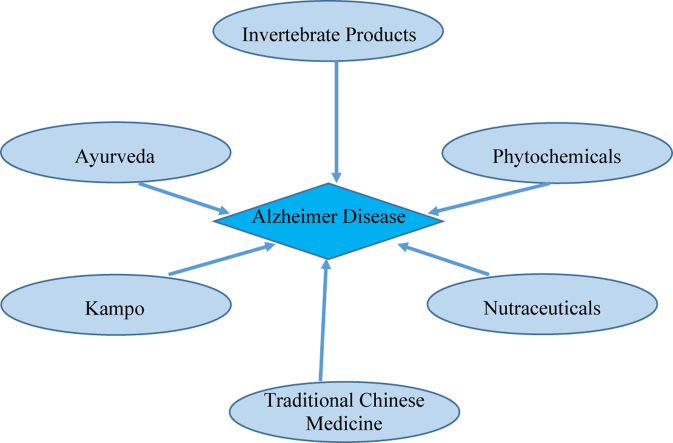
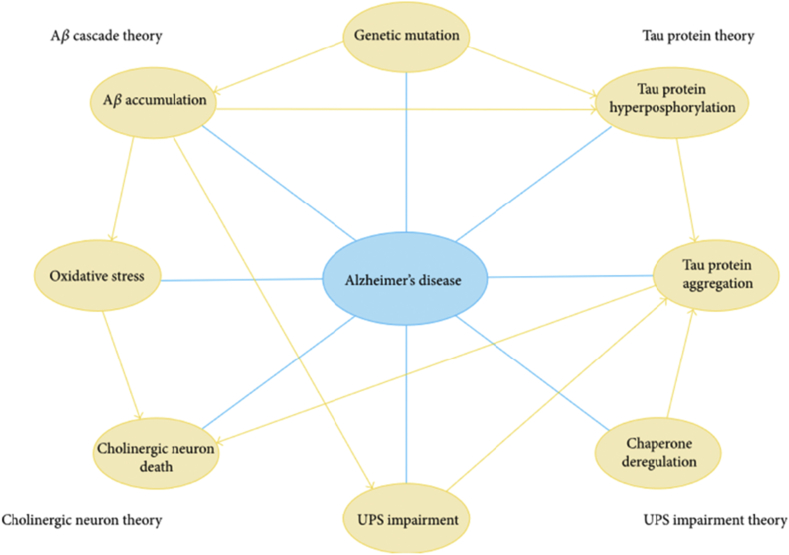
Despite modern medicine's incredible innovation and resulting accumulation of valuable knowledge, many of the world's most problematic diseases such as Alzheimer Disease (AD) still lack effective cures and treatments. Western medicine has revealed many genetic, cellular, and molecular processes that characterize AD such as protein aggregation and inflammation. As the need for novel and effective treatments increases, researchers have turned towards traditional medicine as a resource. Modern, evidence based research examining traditional and complementary remedies for AD has generated promising results within the last decade. Animal based products inhibiting cellular toxicity, anti-inflammatory nutraceuticals such as omega-3 fatty acids, and plant based compounds derived from herbal medicine demonstrate viability as neuroprotective treatments and possible application in developing pharmaceuticals. Analysis of antioxidant, anti-inflammatory, and neuroprotective phytochemicals used in various traditional medicines around the world reveal potential to ameliorate and prevent the devastating neurodegeneration observed in AD.
尽管现代医学有令人难以置信的创新以及由此积累的宝贵知识,但世界上许多最具问题的疾病,如阿尔茨海默病(AD),仍然缺乏有效的治愈方法和治疗手段。西医已经揭示了许多表征AD的遗传、细胞和分子过程,如蛋白质聚集和炎症。随着对新型有效治疗方法需求的增加,研究人员已将传统医学作为一种资源。在过去十年中,基于现代证据的研究对AD的传统和补充疗法进行了检验,已产生了有前景的结果。抑制细胞毒性的动物源性产品、抗炎营养保健品如ω-3脂肪酸,以及源自草药的植物性化合物,都证明了作为神经保护治疗方法的可行性以及在开发药物中的可能应用。对世界各地各种传统药物中使用的抗氧化、抗炎和神经保护植物化学物质的分析表明,它们有改善和预防AD中观察到的毁灭性神经退行性变的潜力。