Cerdá Jorge, Mohan Sumit, Garcia-Garcia Guillermo, Jha Vivekanand, Samavedam Srinivas, Gowrishankar Swarnalata, Bagga Arvind, Chakravarthi Rajasekara, Mehta Ravindra
Department of Medicine, Division of Nephrology, Albany Medical College, Albany, New York, USA.
Department of Medicine, Columbia University College of Physicians and Surgeons, New York, New York, USA.
Kidney Int Rep. 2017 Jul;2(4):530-543. doi: 10.1016/j.ekir.2017.04.009. Epub 2017 Apr 25.
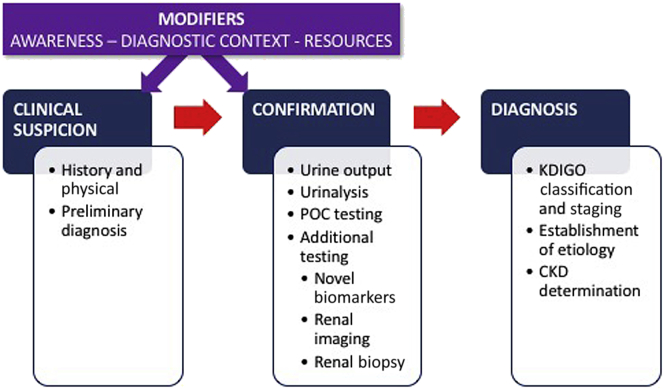
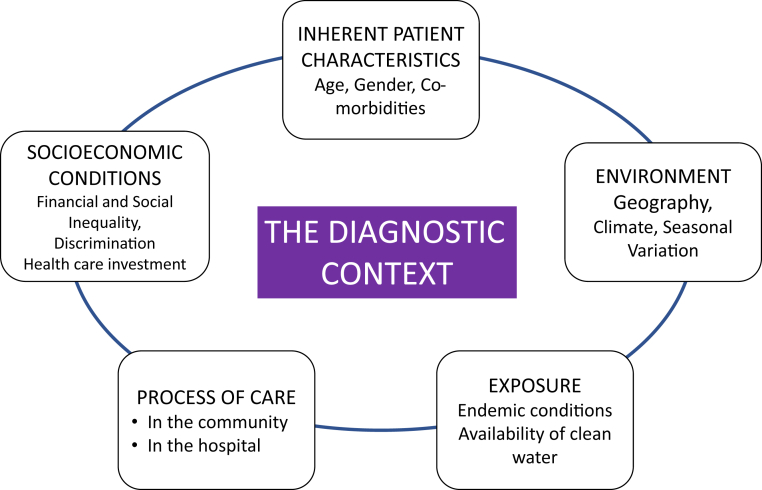
Acute kidney injury (AKI) is increasingly common around the world. Because of the low availability of effective therapies and resource limitations, early preventive and therapeutic measures are essential to decrease morbidity, mortality, and cost. Timely recognition and diagnosis of AKI requires a heightened degree of suspicion in the appropriate clinical and environmental context. In low- and middle-income countries (LMICs), early detection is impaired by limited resources and low awareness. In this article, we report the consensus recommendations of the 18th Acute Dialysis Quality Initiative meeting in Hyderabad, India, on how to improve recognition of AKI. We expect these recommendations will lead to an earlier and more accurate diagnosis of AKI, and improved research to promote a better understanding of the epidemiology, etiology, and histopathology of AKI in LMICs.
急性肾损伤(AKI)在全球范围内日益常见。由于有效治疗方法的可及性低以及资源限制,早期预防和治疗措施对于降低发病率、死亡率和成本至关重要。及时识别和诊断AKI需要在适当的临床和环境背景下提高警惕。在低收入和中等收入国家(LMICs),早期检测因资源有限和认知度低而受到影响。在本文中,我们报告了在印度海得拉巴举行的第18届急性透析质量倡议会议关于如何提高AKI识别的共识性建议。我们期望这些建议将导致对AKI的更早、更准确诊断,并推动相关研究,以更好地了解LMICs中AKI的流行病学、病因学和组织病理学。