Key Laboratory of Crop Integrated Pest Management in South China, Ministry of Agriculture, Key Laboratory of Natural Pesticide and Chemical Biology, Ministry of Education, South China Agricultural University, Guangzhou, People's Republic of China.
Sci Rep. 2017 Oct 16;7(1):13231. doi: 10.1038/s41598-017-12713-9.
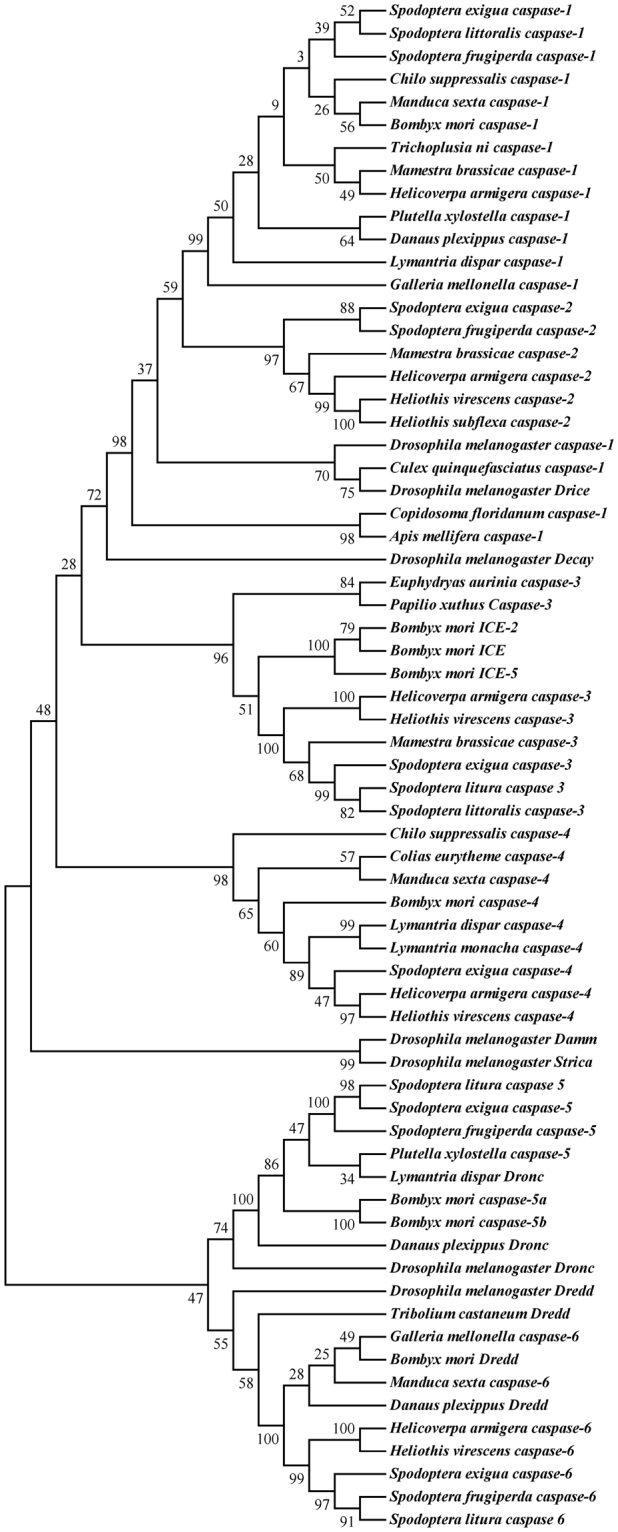
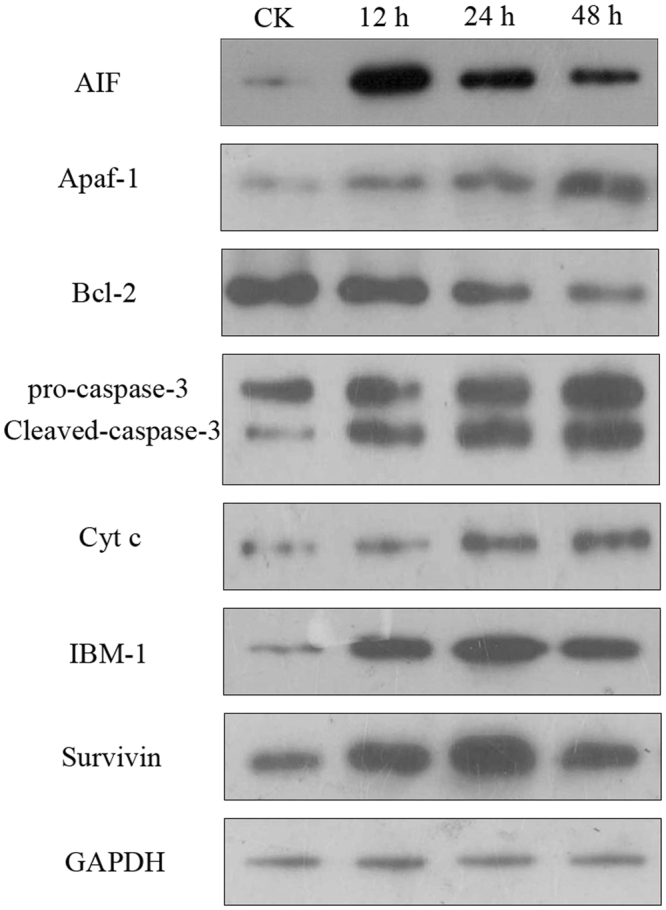
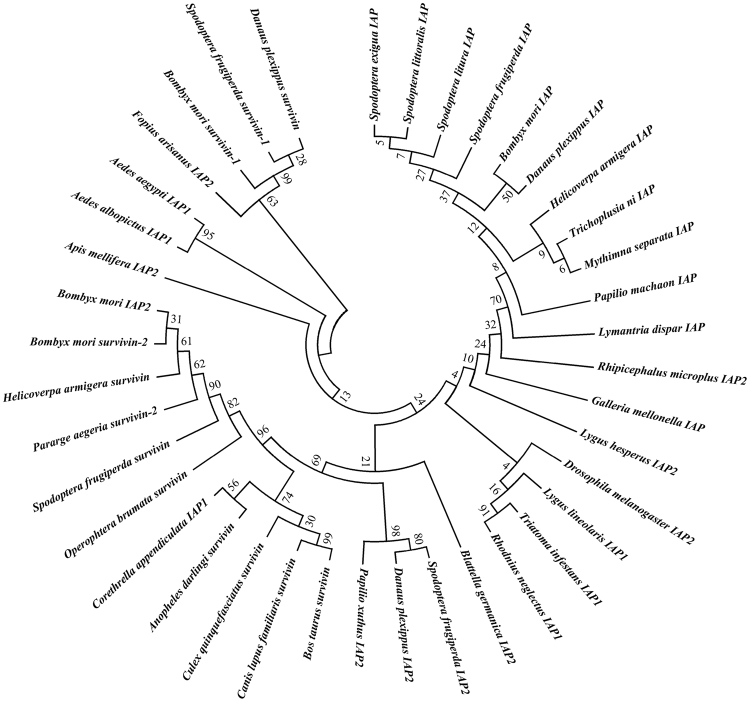
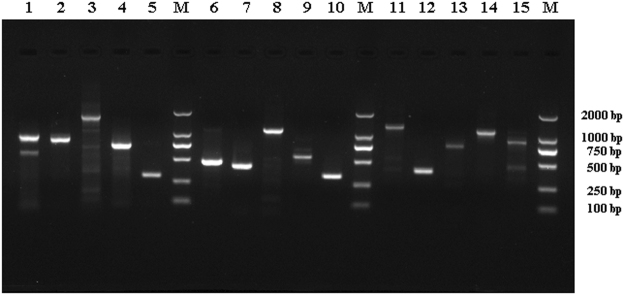
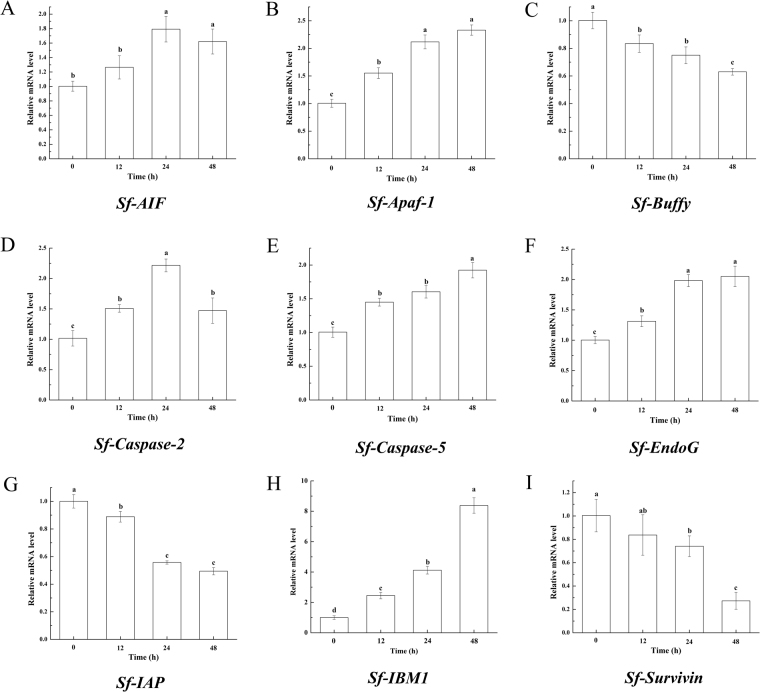
As an important botanical pesticide, azadirachtin demonstrates broad insecticidal activity against many agricultural pests. The results of a previous study indicated the toxicity and apoptosis induction of azadirachtin in Spodoptera frugiperda Sf9 cells. However, the lack of genomic data has hindered a deeper investigation of apoptosis in Sf9 cells at a molecular level. In the present study, the complete transcriptome data for Sf9 cell line was accomplished using Illumina sequencing technology, and 97 putative apoptosis-related genes were identified through BLAST and KEGG orthologue annotations. Fragments of potential candidate apoptosis-related genes were cloned, and the mRNA expression patterns of ten identified genes regulated by azadirachtin were examined using qRT-PCR. Furthermore, Western blot analysis showed that six putative apoptosis-related proteins were upregulated after being treated with azadirachtin while the protein Bcl-2 were downregulated. These data suggested that both intrinsic and extrinsic apoptotic signal pathways comprising the identified potential apoptosis-related genes were potentially active in S. frugiperda. In addition, the preliminary results revealed that caspase-dependent or caspase-independent apoptotic pathways could function in azadirachtin-induced apoptosis in Sf9 cells.
作为一种重要的植物源农药,印楝素对许多农业害虫具有广谱的杀虫活性。先前的一项研究结果表明,印楝素对 Sf9 细胞具有毒性和诱导细胞凋亡的作用。然而,由于缺乏基因组数据,阻碍了我们在分子水平上更深入地研究 Sf9 细胞中的细胞凋亡。在本研究中,我们使用 Illumina 测序技术完成了 Sf9 细胞系的完整转录组数据,并通过 BLAST 和 KEGG 直系同源注释鉴定了 97 个可能与细胞凋亡相关的基因。克隆了潜在候选凋亡相关基因的片段,并通过 qRT-PCR 检测了 10 个鉴定的基因在受到印楝素调节后的 mRNA 表达模式。此外,Western blot 分析表明,在受到印楝素处理后,6 种潜在的凋亡相关蛋白上调,而蛋白 Bcl-2 下调。这些数据表明,所鉴定的潜在凋亡相关基因组成的内在和外在凋亡信号通路可能在 S. frugiperda 中是活跃的。此外,初步结果表明,caspase 依赖性或 caspase 非依赖性凋亡途径可能在 Sf9 细胞中参与了印楝素诱导的细胞凋亡。