Xu Ying-Chen, Liang Chao-Jie, Zhang Dong-Xin, Li Guan-Qun, Gao Xia, Fu Jian-Zhu, Xia Feng, Ji Jia-Jun, Zhang Li-Jun, Li Guang-Ming, Wu Ji-Xiang
Department of General Surgery, Beijing Tongren Hospital, Capital Medical University, Beijing 100730, China.
Oncotarget. 2017 Aug 3;8(41):70630-70641. doi: 10.18632/oncotarget.19906. eCollection 2017 Sep 19.
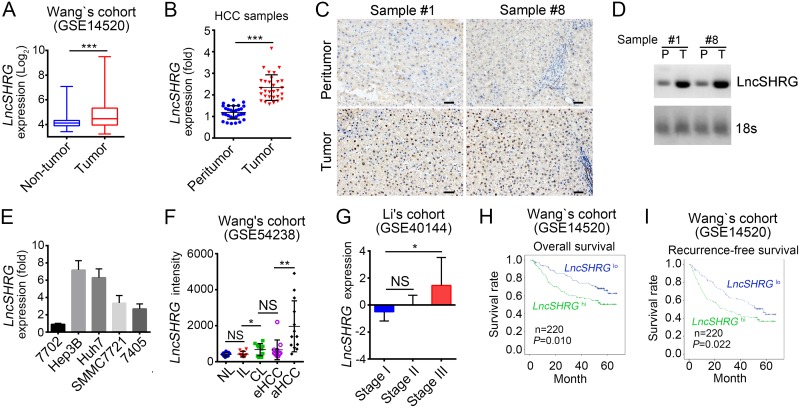
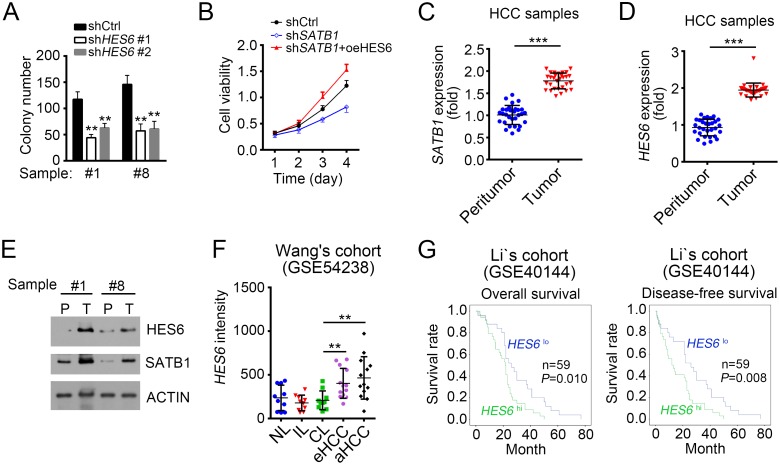
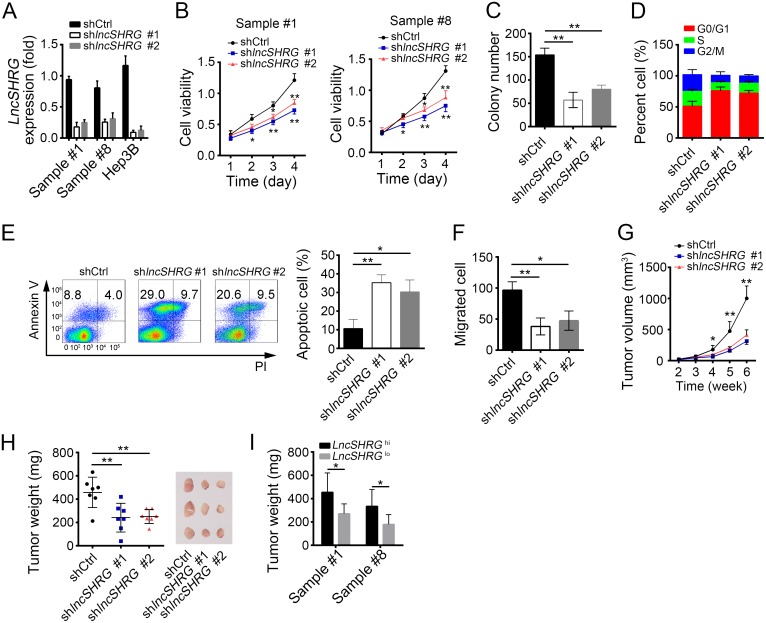
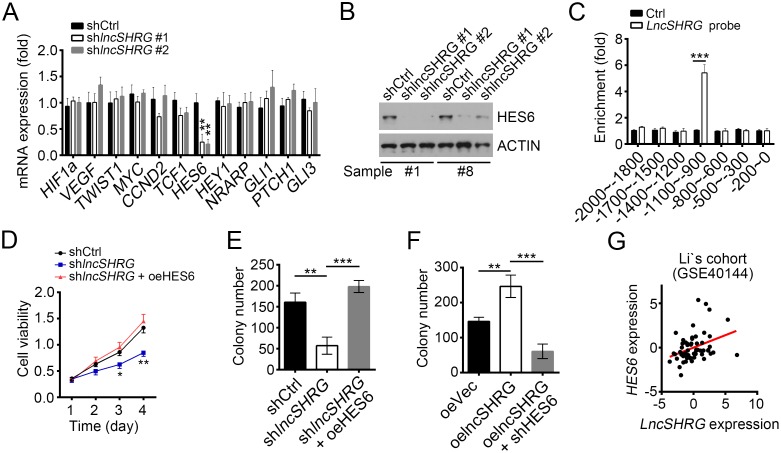
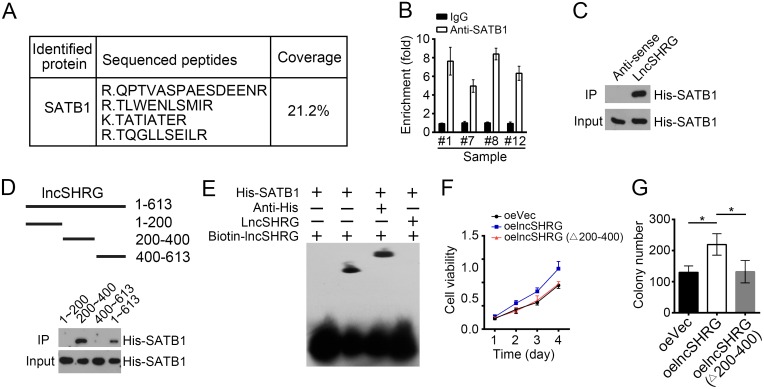
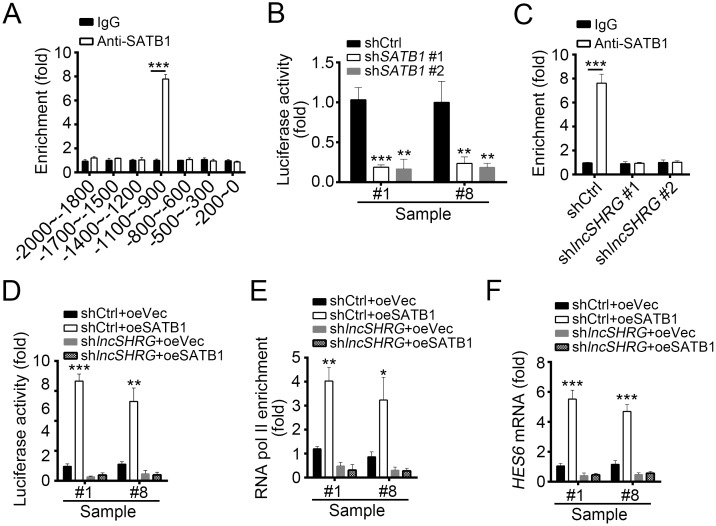
Hepatocellular carcinoma, one of the most common cancers, leads to mass mortality worldwide currently. However, the underlying mechanism of its oncogenesis remains to be elucidated. Here we identified that a long noncoding RNA, , was greatly upregulated in human hepatocellular carcinoma samples. We found that lncSHRG was essential for liver cancer cell proliferation and tumor propagation in mice. In mechanism, recruits SATB1 to bind to promoter and initiates expression. HES6, which is highly expressed in hepatocellular carcinoma, promotes tumor cell proliferation. High expression level of HES6 is positively correlated with clinical severity and poor prognosis of people with hepatocellular carcinoma. Altogether, our research provides a new insight on the mechanism of hepatocellular carcinoma progression.
肝细胞癌是最常见的癌症之一,目前在全球导致大量死亡。然而,其肿瘤发生的潜在机制仍有待阐明。在此,我们发现一种长链非编码RNA,在人类肝细胞癌样本中显著上调。我们发现lncSHRG对小鼠肝癌细胞增殖和肿瘤生长至关重要。机制上,招募SATB1结合到启动子并启动表达。在肝细胞癌中高表达的HES6促进肿瘤细胞增殖。HES6的高表达水平与肝细胞癌患者的临床严重程度和不良预后呈正相关。总之,我们的研究为肝细胞癌进展机制提供了新的见解。