Chen Ruiling, Wang Gangyang, Zheng Ying, Hua Yingqi, Cai Zhengdong
Department of Orthopaedics, Shanghai Bone Tumor Institute, Shanghai General Hospital, Shanghai Jiao Tong University School of Medicine, Shanghai, China.
Oncotarget. 2017 Mar 21;8(12):20462-20475. doi: 10.18632/oncotarget.14726.
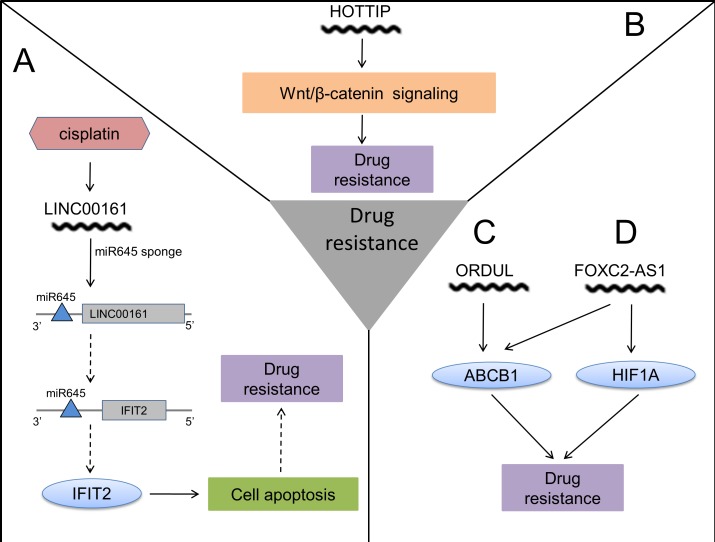
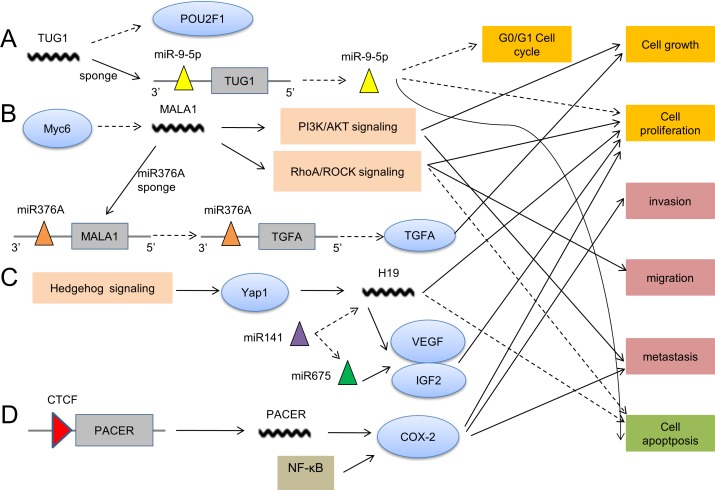
Long non-coding RNAs (lncRNAs) with more than 200 nuleotides, have been explored to participate in various cancer types including osteosarcoma (OS), which is the most common kind of primary bone tumors with high morbidity in infants and adolescents. These oncogenic or tumor suppressive lncRNAs regulate OS pathogenesis, such as cell growth, proliferation, invasion, migration, metastasis and cell apoptosis, serve as independent prognostic biomarkers or play a significant role in multidrug resistance (MDR) in OS cells. In this review, we attempt to dissect the participation of lncRNAs in pathogenesis of OS and their potential clinical values, and also provide an outlook for viable biomarkers and therapeutic targets in OS.
长度超过200个核苷酸的长链非编码RNA(lncRNAs)已被研究参与包括骨肉瘤(OS)在内的多种癌症类型,骨肉瘤是婴幼儿和青少年中最常见的原发性骨肿瘤,发病率很高。这些致癌或抑癌lncRNAs调节骨肉瘤的发病机制,如细胞生长、增殖、侵袭、迁移、转移和细胞凋亡,作为独立的预后生物标志物或在骨肉瘤细胞的多药耐药性(MDR)中发挥重要作用。在这篇综述中,我们试图剖析lncRNAs在骨肉瘤发病机制中的参与情况及其潜在的临床价值,并为骨肉瘤中可行的生物标志物和治疗靶点提供展望。