• 文献检索
  • 文档翻译
  • 深度研究
  • 学术资讯
  • Suppr Zotero 插件Zotero 插件
  • 邀请有礼
  • 套餐&价格
  • 历史记录
应用&插件
Suppr Zotero 插件Zotero 插件浏览器插件Mac 客户端Windows 客户端微信小程序
定价
高级版会员购买积分包购买API积分包
服务
文献检索文档翻译深度研究API 文档MCP 服务
关于我们
关于 Suppr公司介绍联系我们用户协议隐私条款
关注我们

Suppr 超能文献

核心技术专利:CN118964589B侵权必究
粤ICP备2023148730 号-1Suppr @ 2026

文献检索

告别复杂PubMed语法,用中文像聊天一样搜索,搜遍4000万医学文献。AI智能推荐,让科研检索更轻松。

立即免费搜索

文件翻译

保留排版,准确专业,支持PDF/Word/PPT等文件格式,支持 12+语言互译。

免费翻译文档

深度研究

AI帮你快速写综述,25分钟生成高质量综述,智能提取关键信息,辅助科研写作。

立即免费体验

少即是多:慢性失语症患者命名障碍治疗的神经机制。

Less is more: neural mechanisms underlying anomia treatment in chronic aphasic patients.

机构信息

Institute of Cognitive Neuroscience, University College London, London, UK.

Division of Language and Communication Science, City University London, London, UK.

出版信息

Brain. 2017 Nov 1;140(11):3039-3054. doi: 10.1093/brain/awx234.

DOI:10.1093/brain/awx234
PMID:29053773
原文链接:https://pmc.ncbi.nlm.nih.gov/articles/PMC5808641/
Abstract

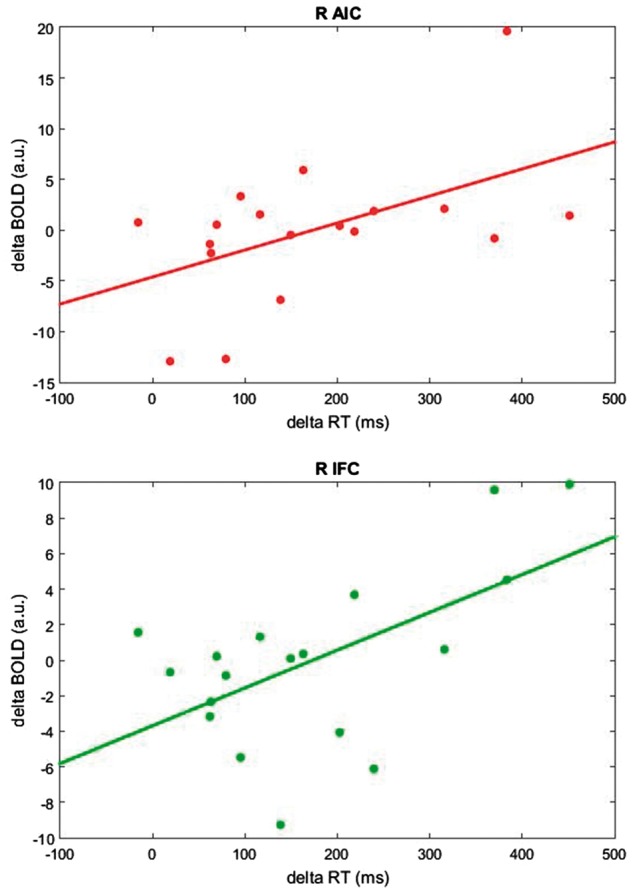
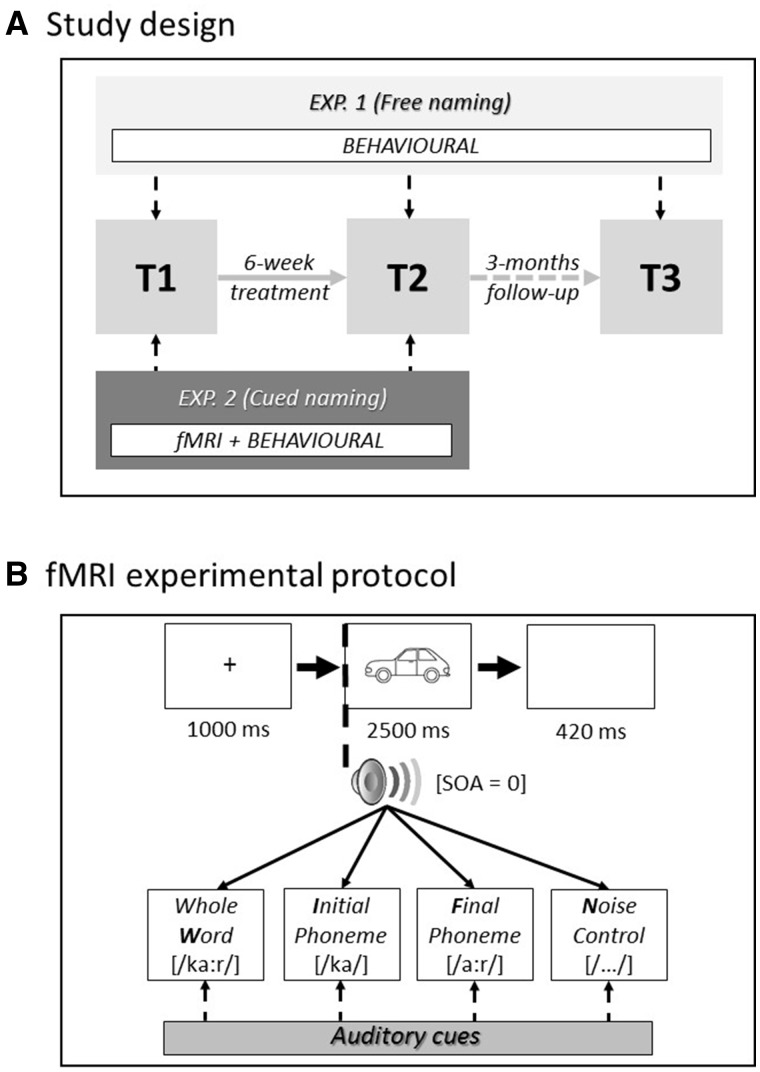
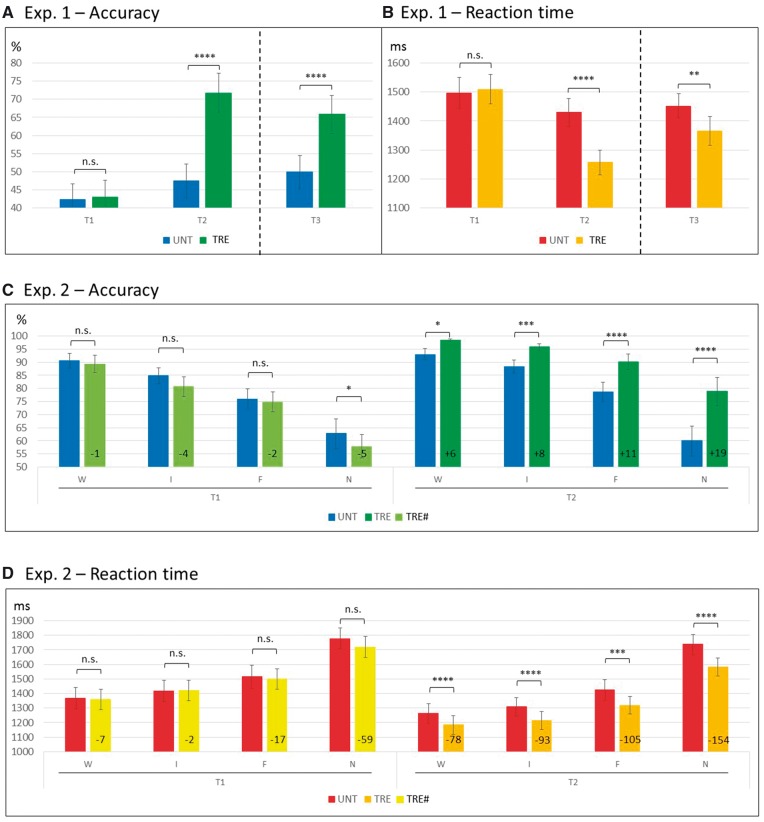
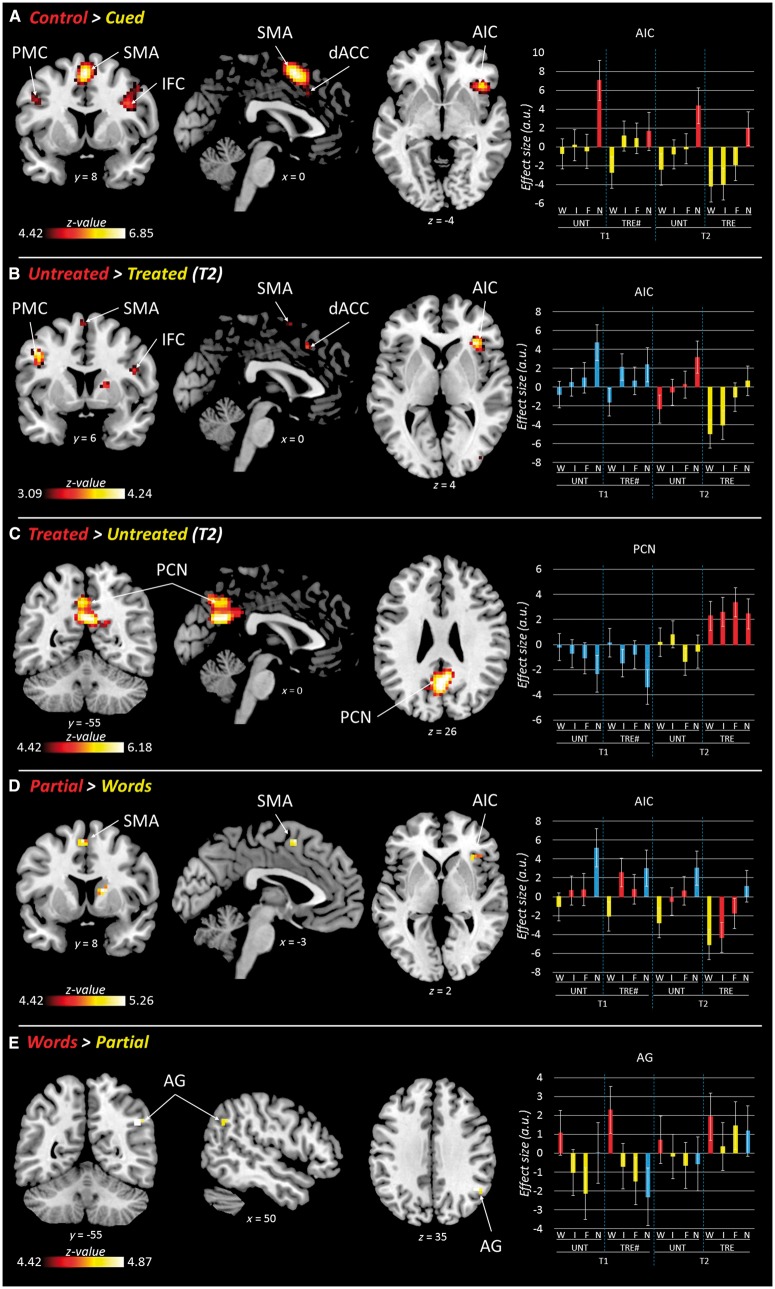
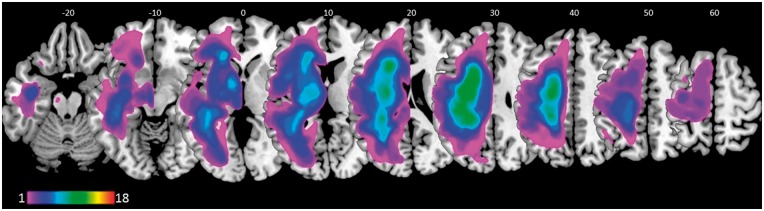
See Thompson and Woollams (doi:10.1093/brain/awx264) for a scientific commentary on this article. Previous research with aphasic patients has shown that picture naming can be facilitated by concurrent phonemic cueing [e.g. initial phoneme(s) of the word that the patient is trying to retrieve], both as an immediate word retrieval technique, and when practiced repeatedly over time as a long-term anomia treatment. Here, to investigate the neural mechanisms supporting word retrieval, we adopted—for the first time—a functional magnetic resonance imaging task using the same naming procedure as it occurs during the anomia treatment process. Before and directly after a 6-week anomia treatment programme, 18 chronic aphasic stroke patients completed our functional magnetic resonance imaging protocol—a picture naming task aided by three different types of phonemic cues (whole words, initial phonemes, final phonemes) and a noise-control condition. Patients completed a naming task based on the training materials, and a more general comprehensive battery of language tests both before and after the anomia treatment, to determine the effectiveness and specificity of the therapy. Our results demonstrate that the anomia treatment was effective and specific to speech production, significantly improving both patients’ naming accuracy and reaction time immediately post-treatment (unstandardized effect size: 29% and 17%, respectively; Cohen’s d: 3.45 and 1.83). Longer term gains in naming were maintained 3 months later. Functional imaging results showed that both immediate and long-term facilitation of naming involved a largely overlapping bilateral frontal network including the right anterior insula, inferior frontal and dorsal anterior cingulate cortices, and the left premotor cortex. These areas were associated with a neural priming effect (i.e. reduced blood oxygen level-dependent signal) during both immediate (phonemically-cued versus control-cue conditions), and long-term facilitation of naming (i.e. treated versus untreated items). Of note is that different brain regions were sensitive to different phonemic cue types. Processing of whole word cues was associated with increased activity in the right angular gyrus; whereas partial word cues (initial and final phonemes) recruited the left supplementary motor area, and right anterior insula, inferior frontal cortex, and basal ganglia. The recruitment of multiple and bilateral areas may help explain why phonemic cueing is such a successful behavioural facilitation tool for anomia treatment. Our results have important implications for optimizing current anomia treatment approaches, developing new treatments, and improving speech outcome for aphasic patients.

摘要

请参阅 Thompson 和 Woollams(doi:10.1093/brain/awx264)的科学评论,了解本文的相关内容。先前针对失语症患者的研究表明,图片命名可以通过同时进行语音提示来促进[例如,患者试图检索的单词的首字母(s)],既可以作为即时单词检索技术,也可以在一段时间内重复练习作为长期命名障碍治疗。在这里,为了研究支持单词检索的神经机制,我们首次采用功能磁共振成像任务,使用与命名障碍治疗过程中相同的命名程序。在进行为期 6 周的命名障碍治疗计划之前和之后,18 名慢性失语症中风患者完成了我们的功能磁共振成像协议 - 图片命名任务,辅助使用三种不同类型的语音提示(完整单词、首字母、尾字母)和噪音控制条件。患者根据训练材料完成命名任务,并在命名障碍治疗前后完成更全面的综合语言测试,以确定治疗的有效性和特异性。我们的结果表明,命名障碍治疗是有效的,并且对言语生成具有特异性,可显著提高患者治疗后即刻的命名准确性和反应时间(未标准化效应大小:分别为 29%和 17%;Cohen 的 d:3.45 和 1.83)。3 个月后,命名的长期收益得以维持。功能成像结果表明,命名的即时和长期促进都涉及一个基本重叠的双侧额网络,包括右侧前岛叶、下额和背侧前扣带皮层以及左侧运动前皮层。这些区域与神经启动效应(即依赖血氧水平的信号减少)相关,无论是在即时(语音提示与对照提示条件)还是长期促进命名(即治疗与未治疗项目)。值得注意的是,不同的大脑区域对不同的语音提示类型敏感。处理完整单词提示会引起右侧角回的活动增加;而部分单词提示(首字母和尾字母)会募集左侧辅助运动区、右侧前岛叶、下额和基底节。多个和双侧区域的募集可能有助于解释为什么语音提示是命名障碍治疗如此成功的行为促进工具。我们的结果对优化当前的命名障碍治疗方法、开发新的治疗方法以及改善失语症患者的言语预后具有重要意义。
https://cdn.ncbi.nlm.nih.gov/pmc/blobs/11c1/5808641/13bbbdb12b1a/awx234f5.jpg
https://cdn.ncbi.nlm.nih.gov/pmc/blobs/11c1/5808641/4615af23a26d/awx234f1.jpg
https://cdn.ncbi.nlm.nih.gov/pmc/blobs/11c1/5808641/98a98d3ca280/awx234f2.jpg
https://cdn.ncbi.nlm.nih.gov/pmc/blobs/11c1/5808641/76a564aa1e13/awx234f3.jpg
https://cdn.ncbi.nlm.nih.gov/pmc/blobs/11c1/5808641/9bbbe300a201/awx234f4.jpg
https://cdn.ncbi.nlm.nih.gov/pmc/blobs/11c1/5808641/13bbbdb12b1a/awx234f5.jpg
https://cdn.ncbi.nlm.nih.gov/pmc/blobs/11c1/5808641/4615af23a26d/awx234f1.jpg
https://cdn.ncbi.nlm.nih.gov/pmc/blobs/11c1/5808641/98a98d3ca280/awx234f2.jpg
https://cdn.ncbi.nlm.nih.gov/pmc/blobs/11c1/5808641/76a564aa1e13/awx234f3.jpg
https://cdn.ncbi.nlm.nih.gov/pmc/blobs/11c1/5808641/9bbbe300a201/awx234f4.jpg
https://cdn.ncbi.nlm.nih.gov/pmc/blobs/11c1/5808641/13bbbdb12b1a/awx234f5.jpg

相似文献

1
Less is more: neural mechanisms underlying anomia treatment in chronic aphasic patients.少即是多:慢性失语症患者命名障碍治疗的神经机制。
Brain. 2017 Nov 1;140(11):3039-3054. doi: 10.1093/brain/awx234.
2
Facilitating Spoken Word Retrieval in Chronic Aphasia: A Case Series Investigation of Orthographic Cues With and Without Phonological Support.促进慢性失语症患者的口语单词提取:一项关于有和没有语音支持的正字法线索的病例系列研究。
Int J Lang Commun Disord. 2025 May-Jun;60(3):e70048. doi: 10.1111/1460-6984.70048.
3
Mechanisms underlying anomia treatment outcomes.命名障碍治疗效果的作用机制。
J Commun Disord. 2020 Nov-Dec;88:106048. doi: 10.1016/j.jcomdis.2020.106048. Epub 2020 Sep 29.
4
Time for a quick word? The striking benefits of training speed and accuracy of word retrieval in post-stroke aphasia.有时间说句话吗?在中风后失语症中,训练单词检索的速度和准确性具有显著的益处。
Brain. 2018 Jun 1;141(6):1815-1827. doi: 10.1093/brain/awy087.
5
Using phonemic cueing of spontaneous naming to predict item responsiveness to therapy for anomia in aphasia.利用自发命名的语音提示预测失语症命名障碍治疗中项目的反应性。
Arch Phys Med Rehabil. 2012 Jan;93(1 Suppl):S53-60. doi: 10.1016/j.apmr.2011.07.205.
6
Baseline structural imaging correlates of treatment outcomes in semantic variant primary progressive aphasia.语义变异型原发性进行性失语症治疗结果的基线结构影像学相关性。
Cortex. 2023 Jan;158:158-175. doi: 10.1016/j.cortex.2022.10.004. Epub 2022 Dec 1.
7
Facilitating Word Retrieval in Aphasia: Which Type of Cues for Which Aphasic Speakers?促进失语症患者的词汇检索:针对哪些失语症患者使用哪种类型的线索?
Front Hum Neurosci. 2021 Nov 26;15:747391. doi: 10.3389/fnhum.2021.747391. eCollection 2021.
8
Neural underpinnings for model-oriented therapy of aphasic word production.失语症词汇生成的面向模型治疗的神经基础。
Neuropsychologia. 2014 May;57:154-65. doi: 10.1016/j.neuropsychologia.2014.03.010. Epub 2014 Mar 28.
9
Therapy-induced brain reorganization patterns in aphasia.治疗引起的失语症的大脑重组模式。
Brain. 2015 Apr;138(Pt 4):1097-112. doi: 10.1093/brain/awv022. Epub 2015 Feb 15.
10
Preservation and modulation of specific left hemisphere regions is vital for treated recovery from anomia in stroke.保护和调节特定的左半球区域对于中风后命名障碍的治疗恢复至关重要。
J Neurosci. 2010 Sep 1;30(35):11558-64. doi: 10.1523/JNEUROSCI.2227-10.2010.

引用本文的文献

1
Predicting language outcome after stroke using machine learning: in search of the big data benefit.使用机器学习预测中风后的语言结果:探寻大数据的益处。
Neuroimage Clin. 2025 Aug 6;48:103858. doi: 10.1016/j.nicl.2025.103858.
2
Functional neuroplasticity in chronic post-stroke aphasia following a singing intervention in a cross-over randomised trial.交叉随机试验中歌唱干预后慢性中风后失语症的功能性神经可塑性
Sci Rep. 2025 Jul 29;15(1):27639. doi: 10.1038/s41598-025-11288-0.
3
Role for Left Dorsomedial Prefrontal Cortex in Self-Generated, but not Externally Cued, Language Production.

本文引用的文献

1
Intensive speech and language therapy in patients with chronic aphasia after stroke: a randomised, open-label, blinded-endpoint, controlled trial in a health-care setting.在脑卒中后慢性失语症患者中进行强化语言治疗:一项在医疗保健环境中进行的随机、开放标签、盲终点、对照试验。
Lancet. 2017 Apr 15;389(10078):1528-1538. doi: 10.1016/S0140-6736(17)30067-3. Epub 2017 Mar 1.
2
Phonological Treatment Approaches for Spoken Word Production in Aphasia.失语症口语单词产出的语音治疗方法
Semin Speech Lang. 2017 Feb;38(1):62-74. doi: 10.1055/s-0036-1597258. Epub 2017 Feb 15.
3
Distinct Effects of Lexical and Semantic Competition during Picture Naming in Younger Adults, Older Adults, and People with Aphasia.
左背内侧前额叶皮质在自我生成而非外部提示的语言产生中的作用。
Neurobiol Lang (Camb). 2025 Jun 12;6. doi: 10.1162/nol_a_00166. eCollection 2025.
4
A systematic review of alterations in brain activation and intensity following stroke: implications for integration and functional outcomes.中风后大脑激活和强度变化的系统评价:对整合和功能结局的影响
Front Neurol. 2025 May 26;16:1544008. doi: 10.3389/fneur.2025.1544008. eCollection 2025.
5
Machine Learning Predictions of Recovery in Bilingual Poststroke Aphasia: Aligning Insights With Clinical Evidence.机器学习对双语中风后失语症恢复的预测:将见解与临床证据相结合。
Stroke. 2025 Feb;56(2):494-504. doi: 10.1161/STROKEAHA.124.047867. Epub 2025 Jan 2.
6
Efficacy of a gamified digital therapy for speech production in people with chronic aphasia (iTalkBetter): behavioural and imaging outcomes of a phase II item-randomised clinical trial.一种用于慢性失语症患者言语产生的游戏化数字疗法(iTalkBetter)的疗效:一项II期项目随机临床试验的行为和影像学结果
EClinicalMedicine. 2024 Feb 21;70:102483. doi: 10.1016/j.eclinm.2024.102483. eCollection 2024 Apr.
7
The role of language-related functional brain regions and white matter tracts in network plasticity of post-stroke aphasia.语言相关功能脑区和白质束在卒中后失语症网络可塑性中的作用。
J Neurol. 2024 Jun;271(6):3095-3115. doi: 10.1007/s00415-024-12358-5. Epub 2024 Apr 12.
8
Multilevel factors predict treatment response following semantic feature-based intervention in bilingual aphasia.多水平因素预测双语失语症患者基于语义特征干预后的治疗反应。
Biling (Camb Engl). 2024 Mar;27(2):246-262. doi: 10.1017/s1366728923000391. Epub 2023 Aug 22.
9
Therapies and Challenges in the Post-Stroke Aphasia Rehabilitation Arena: Current and Future Prospects.卒中后失语症康复领域的治疗方法和挑战:现状与未来展望。
Medicina (Kaunas). 2023 Sep 17;59(9):1674. doi: 10.3390/medicina59091674.
10
A Review on Treatment-Related Brain Changes in Aphasia.失语症中与治疗相关的脑变化综述。
Neurobiol Lang (Camb). 2020 Oct 1;1(4):402-433. doi: 10.1162/nol_a_00019. eCollection 2020.
词汇和语义竞争在年轻人、老年人及失语症患者图片命名过程中的不同影响。
Front Psychol. 2016 Jun 2;7:813. doi: 10.3389/fpsyg.2016.00813. eCollection 2016.
4
The role of the supplementary motor area for speech and language processing.补充运动区在言语和语言处理中的作用。
Neurosci Biobehav Rev. 2016 Sep;68:602-610. doi: 10.1016/j.neubiorev.2016.06.030. Epub 2016 Jun 22.
5
Speech and language therapy for aphasia following stroke.中风后失语症的言语和语言治疗
Cochrane Database Syst Rev. 2016 Jun 1;2016(6):CD000425. doi: 10.1002/14651858.CD000425.pub4.
6
Right hemisphere structures predict poststroke speech fluency.右半球结构可预测中风后的言语流畅性。
Neurology. 2016 Apr 26;86(17):1574-81. doi: 10.1212/WNL.0000000000002613. Epub 2016 Mar 30.
7
The relationships between the amount of spared tissue, percent signal change, and accuracy in semantic processing in aphasia.失语症中保留组织量、信号变化百分比与语义加工准确性之间的关系。
Neuropsychologia. 2016 Apr;84:113-26. doi: 10.1016/j.neuropsychologia.2015.10.019. Epub 2016 Jan 13.
8
The relationship between novel word learning and anomia treatment success in adults with chronic aphasia.慢性失语症成人中新颖词汇学习与失语症治疗成功之间的关系。
Neuropsychologia. 2016 Jan 29;81:186-197. doi: 10.1016/j.neuropsychologia.2015.12.026. Epub 2015 Dec 25.
9
Right hemisphere grey matter structure and language outcomes in chronic left hemisphere stroke.慢性左半球卒中患者的右半球灰质结构与语言结局
Brain. 2016 Jan;139(Pt 1):227-41. doi: 10.1093/brain/awv323. Epub 2015 Oct 31.
10
Brain Stimulation and the Role of the Right Hemisphere in Aphasia Recovery.脑刺激与右半球在失语症康复中的作用。
Curr Neurol Neurosci Rep. 2015 Nov;15(11):72. doi: 10.1007/s11910-015-0593-6.