Sanna Passino Eraldo, Rocca Stefano, Caggiu Sabrina, Columbano Nicolò, Castagna Alessandro, Fontani Vania, Rinaldi Salvatore
Department of Veterinary Medicine, University of Sassari, Sassari, Italy.
Comparative Surgery Research Laboratory, University of Sassari, Sassari, Italy.
Clin Interv Aging. 2017 Sep 14;12:1471-1479. doi: 10.2147/CIA.S140976. eCollection 2017.
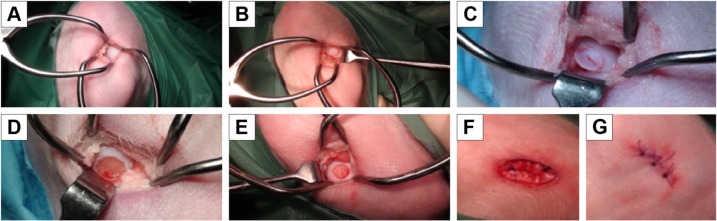
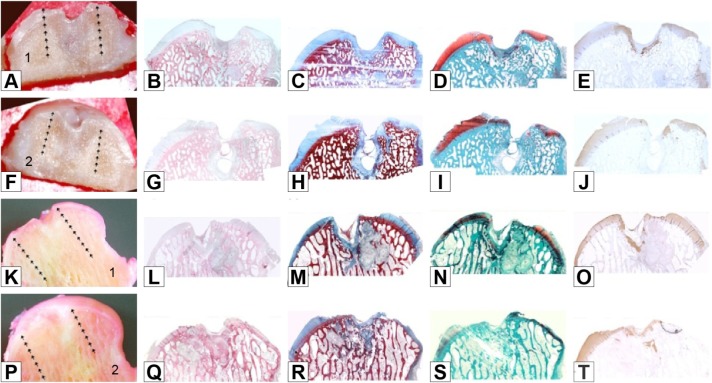
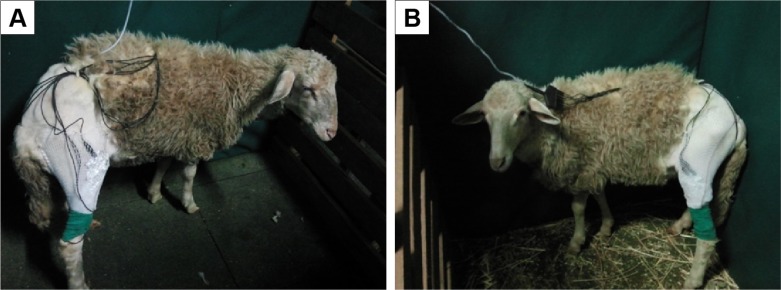
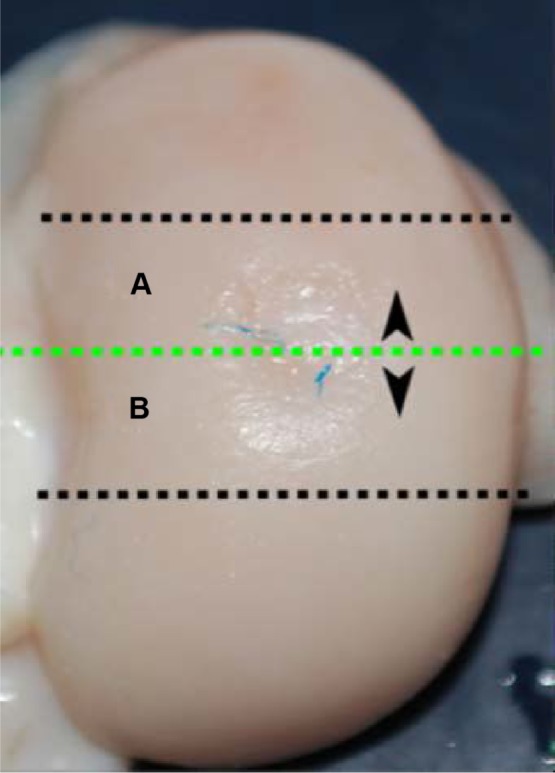
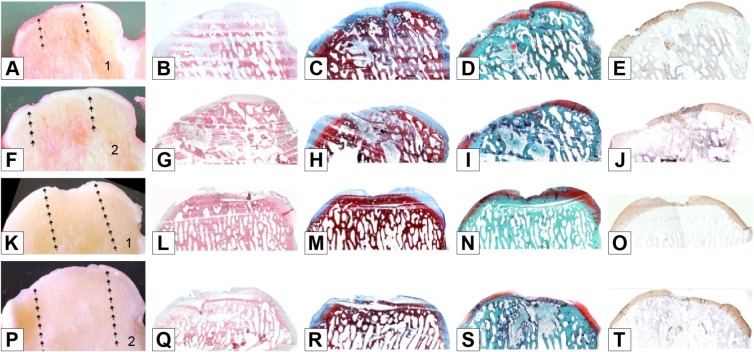
Radioelectric asymmetric conveyor (REAC) technology is a platform designed to optimize cell polarity. Cell polarity is a universal biological phenomenon that is implicated in cell differentiation, proliferation, morphogenesis, aging, and rejuvenation. In this work, we investigate a timing and administration protocol for tissue optimization regenerative treatment type C, in order to treat aging-related chondral damage or injuries and gain insights into regenerative processes of articular cartilage in humans. The chondral lesion produced in this study in an animal model (6 knee joints of 4 adult sheep) was 6 mm in diameter and about 2 mm deep. These lesions, which did not involve subchondral bone, tend to increase in size and depth and are not completely repaired with normal hyaline articular cartilage since adult articular cartilage is avascular and has a very slow turnover at the cellular and molecular level. Moreover, the hydration of articular cartilage is reduced with aging and with decreased mitotic activity, synthesis, and population size of chondrocytes. Six months posttreatment, lesions appeared filled, though not completely, with newly generated tissue of the light opalescent color of healthy articular cartilage, which otherwise covered the underlying subchondral bone. The newly formed tissue surface appeared to be quite regular. Nearly complete regeneration of subchondral bone occurred, with little vascularization and ossification nuclei almost absent. The results of this study confirm previous data obtained in vitro on the regenerative effects of REAC technology on human normal and osteoarthritic chondrocytes exposed to IL-1β. The present findings indicate that REAC tissue optimization-regenerative treatment type C is a promising therapeutic tool among the other REAC regenerative treatment protocols for the treatment of cartilage lesions.
射频电不对称输送(REAC)技术是一个旨在优化细胞极性的平台。细胞极性是一种普遍的生物学现象,与细胞分化、增殖、形态发生、衰老和年轻化有关。在这项工作中,我们研究了组织优化再生治疗C型的时间安排和给药方案,以治疗与衰老相关的软骨损伤或创伤,并深入了解人类关节软骨的再生过程。本研究在动物模型(4只成年绵羊的6个膝关节)中产生的软骨损伤直径为6毫米,深度约为2毫米。这些损伤不涉及软骨下骨,其大小和深度往往会增加,并且由于成年关节软骨无血管,在细胞和分子水平上更新非常缓慢,因此无法用正常的透明关节软骨完全修复。此外,随着衰老以及软骨细胞有丝分裂活性、合成和数量的减少,关节软骨的水合作用会降低。治疗六个月后,损伤部位似乎被填充,尽管没有完全被填充,填充的是新生成的组织,其颜色为健康关节软骨的淡乳白色,而健康的关节软骨覆盖着下面的软骨下骨。新形成的组织表面似乎相当规则。软骨下骨几乎完全再生,血管化程度很低,几乎没有骨化核。本研究结果证实了先前在体外获得的数据,即REAC技术对暴露于IL-1β的人类正常和骨关节炎软骨细胞的再生作用。目前的研究结果表明在其他REAC再生治疗方案中,REAC组织优化再生治疗C型是治疗软骨损伤的一种有前景的治疗工具。