Public Health and Community Medicine Department, Faculty of Medicine, Menoufia University, Egypt.
Zoology Department, Faculty of Science, Menoufia University, Egypt.
Ind Health. 2018 Apr 7;56(2):132-140. doi: 10.2486/indhealth.2017-0126. Epub 2017 Oct 25.
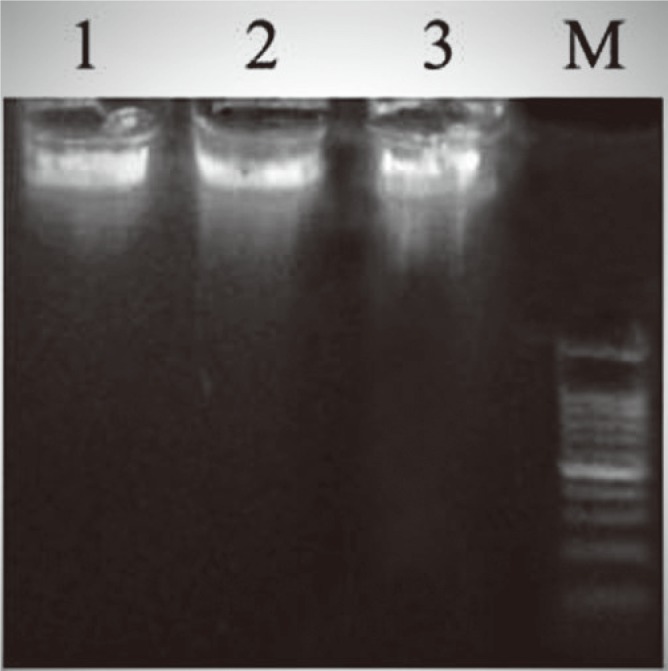
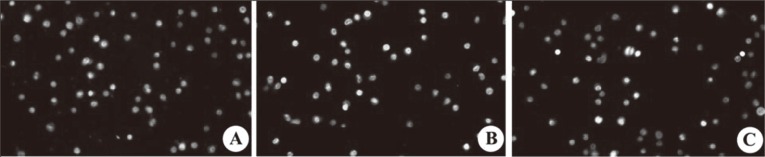
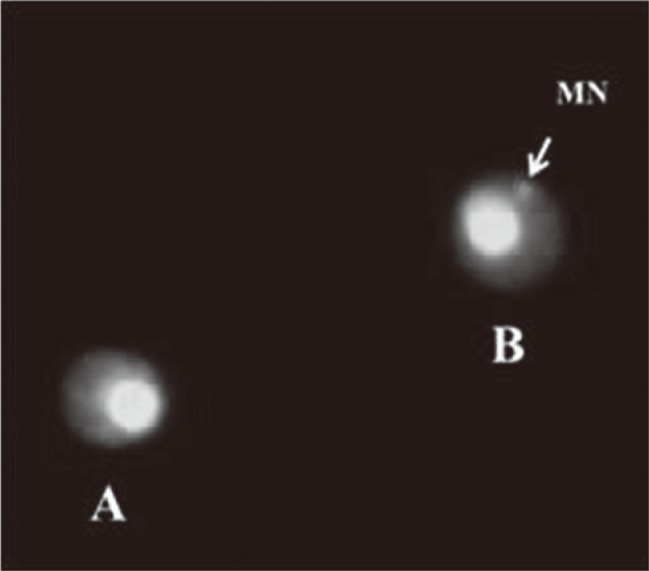
Benzene, a hazardous component of gasoline, is a genotoxic class I human carcinogen. This study evaluated the genotoxic effects of occupational exposure to benzene in gasoline stations. Genotoxicity of exposure to benzene was assessed in peripheral blood leucocytes of 62 gasoline station workers and compared with an equal numbers of matched controls using total genomic DNA fragmentation, micronucleus test and cell viability test. An ambient air samples were collected and analyzed for Monitoring of benzene, toluene, ethyl benzene and xylene (BTEX) in work environment and control areas. DNA fragmentation, micronucleus and dead cells percent were significantly higher in exposed workers than controls. Level of benzene, Toluene, Ethyl benzene and xylene in the work environment were higher than the control areas and the permissible limits. Gasoline station workers occupationally exposed to benzene are susceptible to genotoxic effects indicated by increased DNA fragmentation, higher frequency of micronucleus and decreased leukocytes viability.
苯是汽油中的一种有害成分,属于致基因突变类别 1 类人类致癌物。本研究评估了加油站职业接触苯的遗传毒性效应。通过外周血白细胞总基因组 DNA 片段化、微核试验和细胞活力试验,对 62 名加油站工人的苯暴露遗传毒性进行了评估,并与相同数量的匹配对照组进行了比较。采集环境空气样本,用于监测工作环境和对照区的苯、甲苯、乙苯和二甲苯 (BTEX)。暴露组工人的 DNA 片段化、微核和死细胞百分比明显高于对照组。工作环境中的苯、甲苯、乙苯和二甲苯的水平高于对照区和允许限度。职业接触苯的加油站工人易受遗传毒性影响,表现为 DNA 片段化增加、微核频率升高和白细胞活力降低。