Rossi Daniela, Palmio Johanna, Evilä Anni, Galli Lucia, Barone Virginia, Caldwell Tracy A, Policke Rachel A, Aldkheil Esraa, Berndsen Christopher E, Wright Nathan T, Malfatti Edoardo, Brochier Guy, Pierantozzi Enrico, Jordanova Albena, Guergueltcheva Velina, Romero Norma Beatriz, Hackman Peter, Eymard Bruno, Udd Bjarne, Sorrentino Vincenzo
Molecular Medicine Section, Department of Molecular and Developmental Medicine, University of Siena and Azienda Ospedaliera Universitaria Senese, Siena, Italy.
Neuromuscular Research Center, Tampere University and University Hospital, Tampere, Finland.
PLoS One. 2017 Oct 26;12(10):e0186642. doi: 10.1371/journal.pone.0186642. eCollection 2017.
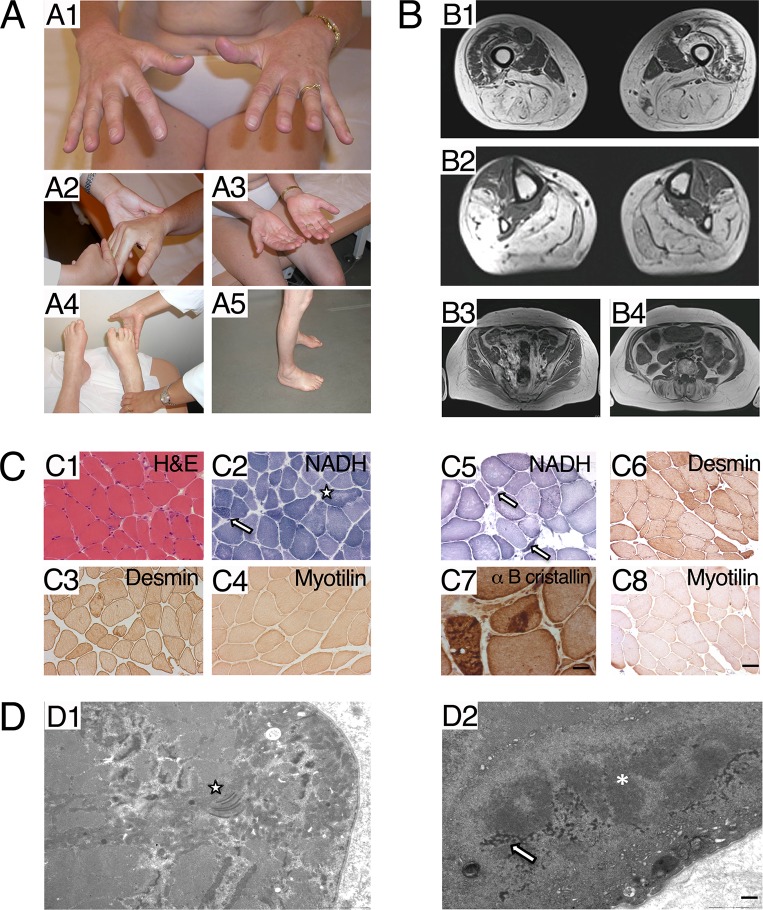
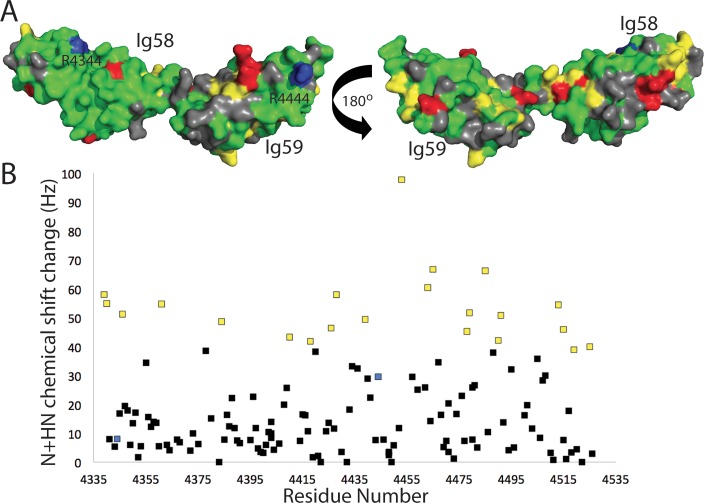
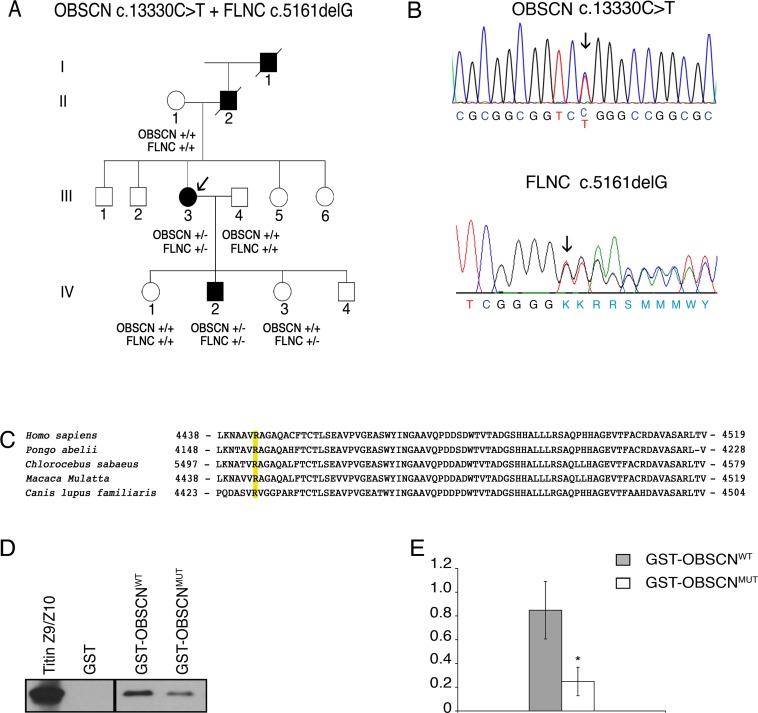
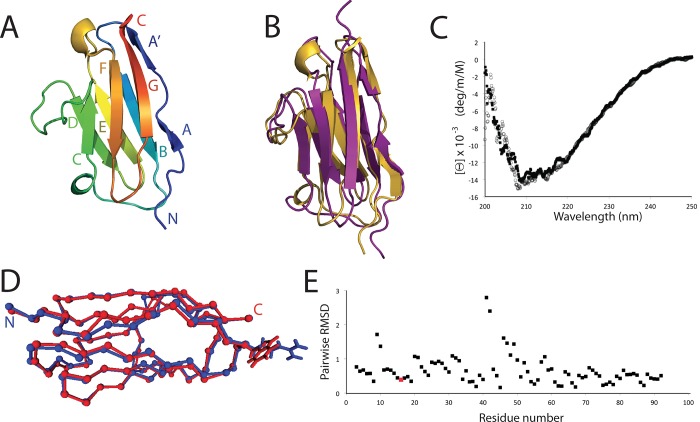
A novel FLNC c.5161delG (p.Gly1722ValfsTer61) mutation was identified in two members of a French family affected by distal myopathy and in one healthy relative. This FLNC c.5161delG mutation is one nucleotide away from a previously reported FLNC mutation (c.5160delC) that was identified in patients and in asymptomatic carriers of three Bulgarian families with distal muscular dystrophy, indicating a low penetrance of the FLNC frameshift mutations. Given these similarities, we believe that the two FLNC mutations alone can be causative of distal myopathy without full penetrance. Moreover, comparative analysis of the clinical manifestations indicates that patients of the French family show an earlier onset and a complete segregation of the disease. As a possible explanation of this, the two French patients also carry a OBSCN c.13330C>T (p.Arg4444Trp) mutation. The p.Arg4444Trp variant is localized within the OBSCN Ig59 domain that, together with Ig58, binds to the ZIg9/ZIg10 domains of titin at Z-disks. Structural and functional studies indicate that this OBSCN p.Arg4444Trp mutation decreases titin binding by ~15-fold. On this line, we suggest that the combination of the OBSCN p.Arg4444Trp variant and of the FLNC c.5161delG mutation, can cooperatively affect myofibril stability and increase the penetrance of muscular dystrophy in the French family.
在一个受远端肌病影响的法国家庭的两名成员以及一名健康亲属中,发现了一种新的FLNC基因c.5161delG(p.Gly1722ValfsTer61)突变。该FLNC基因c.5161delG突变与先前报道的FLNC基因突变(c.5160delC)仅相差一个核苷酸,后者是在三个患有远端肌营养不良的保加利亚家庭的患者和无症状携带者中发现的,这表明FLNC移码突变的外显率较低。鉴于这些相似性,我们认为仅这两种FLNC突变就可能是导致远端肌病但未完全外显的原因。此外,对临床表现的比较分析表明,法国家庭的患者发病更早,且疾病完全呈孟德尔遗传。对此的一种可能解释是,这两名法国患者还携带OBSCN基因c.13330C>T(p.Arg4444Trp)突变。p.Arg4444Trp变体位于OBSCN基因的Ig59结构域内,该结构域与Ig58一起,在Z盘处与肌联蛋白的ZIg9/ZIg10结构域结合。结构和功能研究表明,这种OBSCN基因p.Arg4444Trp突变使肌联蛋白结合减少约15倍。据此,我们认为OBSCN基因p.Arg4444Trp变体与FLNC基因c.5161delG突变的组合可能协同影响肌原纤维稳定性,并增加法国家庭中肌营养不良的外显率。