Weiss Ido D, Huff Lyn M, Evbuomwan Moses O, Xu Xin, Dang Hong Duc, Velez Daniel S, Singh Satya P, Zhang Hongwei H, Gardina Paul J, Lee Jae-Ho, Lindenberg Liza, Myers Timothy G, Paik Chang H, Schrump David S, Pittaluga Stefania, Choyke Peter L, Fojo Tito, Farber Joshua M
Laboratory of Molecular Immunology, National Institute of Allergy and Infectious Diseases, National Institutes of Health, Bethesda, MD, USA.
Medical Oncology Branch, Center for Cancer Research, National Cancer Institute, National Institutes of Health, Bethesda, MD, USA.
Oncotarget. 2017 Aug 4;8(43):73387-73406. doi: 10.18632/oncotarget.19945. eCollection 2017 Sep 26.
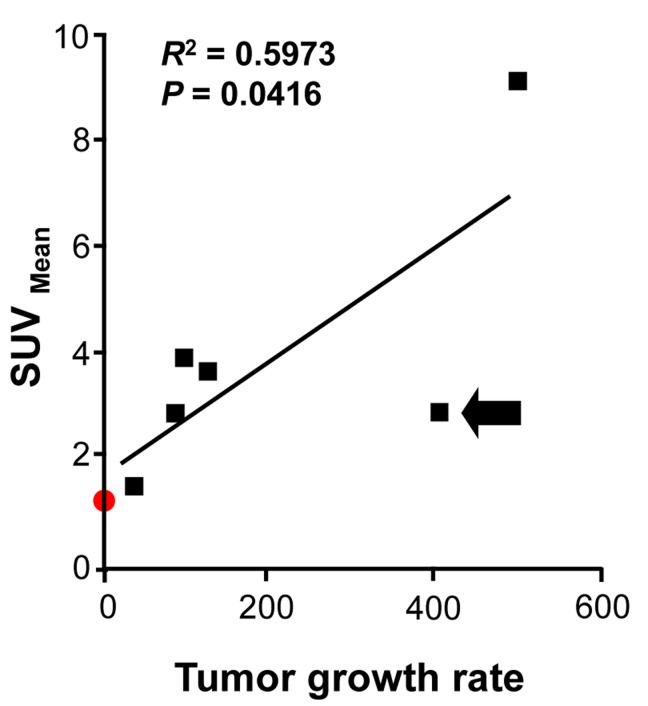
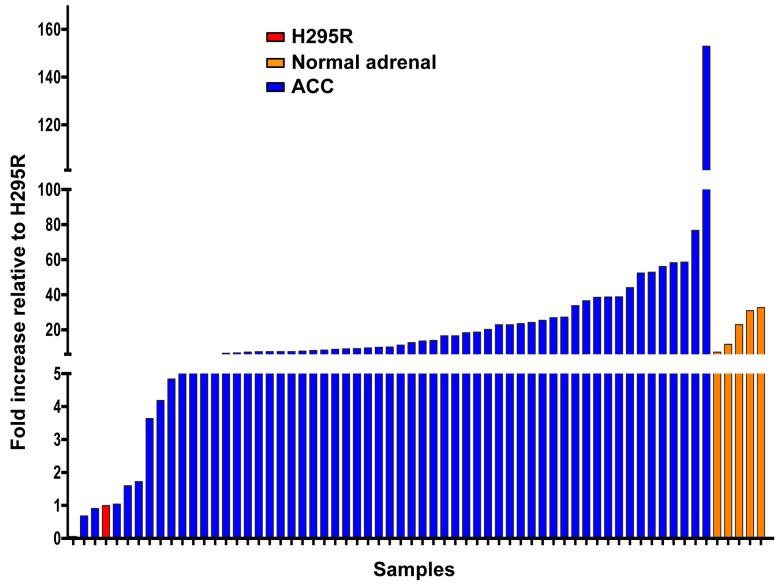
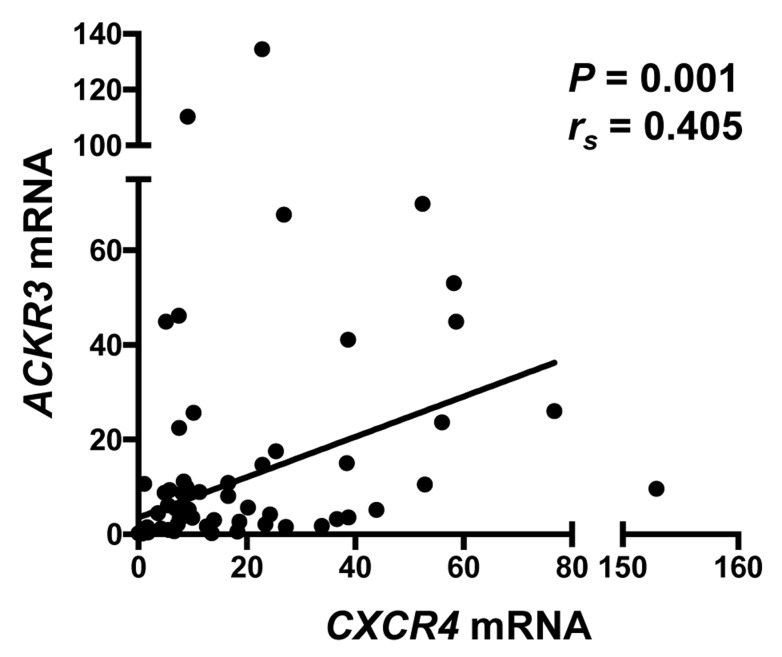
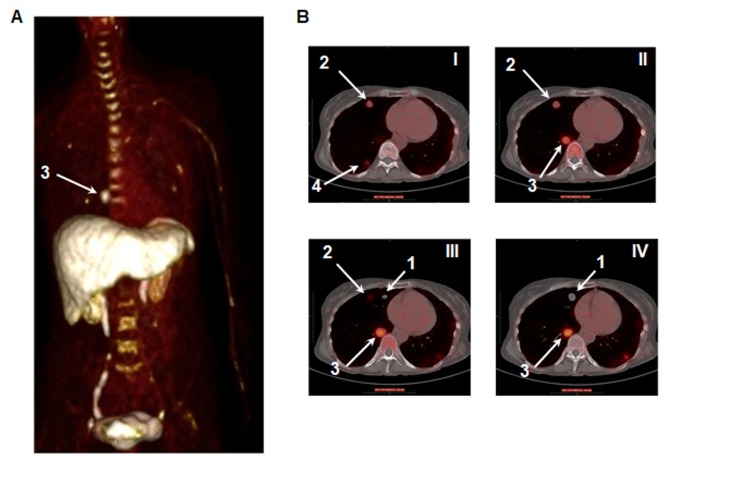
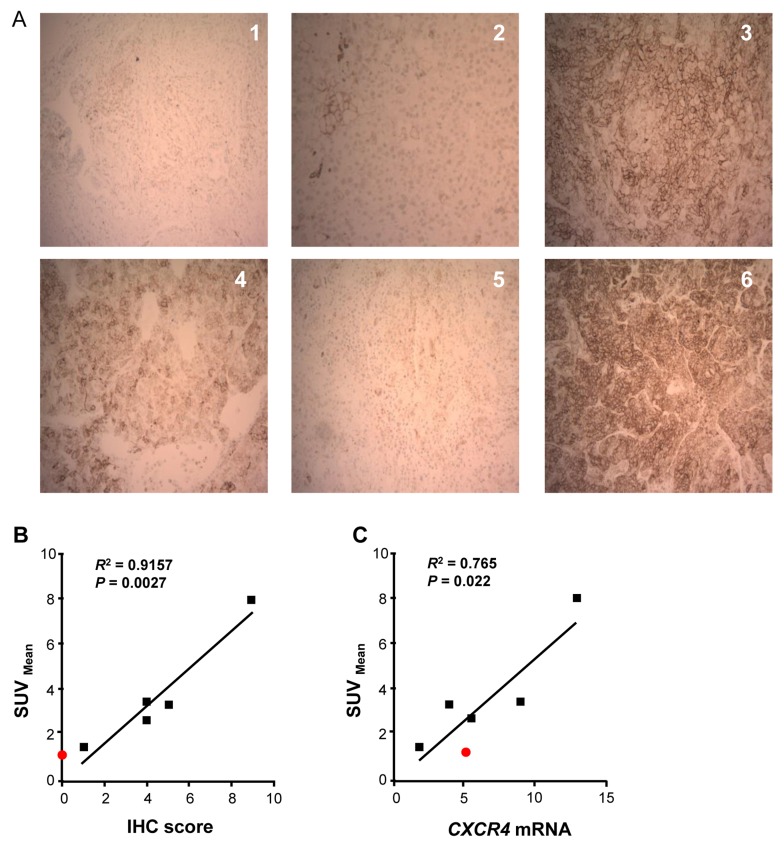
Expression of the chemokine receptor CXCR4 by many cancers correlates with aggressive clinical behavior. As part of the initial studies in a project whose goal was to quantify CXCR4 expression on cancers non-invasively, we examined CXCR4 expression in cancer samples by immunohistochemistry using a validated anti-CXCR4 antibody. Among solid tumors, we found expression of CXCR4 on significant percentages of major types of kidney, lung, and pancreatic adenocarcinomas, and, notably, on metastases of clear cell renal cell carcinoma and squamous cell carcinoma of the lung. We found particularly high expression of CXCR4 on adrenocortical cancer (ACC) metastases. Microarrays of ACC metastases revealed correlations between expression of and other chemokine system genes, particularly , which encodes an atypical chemokine receptor that shares a ligand, CXCL12, with CXCR4. A first-in-human study using Cu-plerixafor for PET in an ACC patient prior to resection of metastases showed heterogeneity among metastatic nodules and good correlations among PET SUVs, CXCR4 staining, and mRNA. Additionally, we were able to show that CXCR4 expression correlated with the rates of growth of the pulmonary lesions in this patient. Further studies are needed to understand better the role of CXCR4 in ACC and whether targeting it may be beneficial. In this regard, non-invasive methods for assessing CXCR4 expression, such as PET using Cu-plerixafor, should be important investigative tools.
许多癌症中趋化因子受体CXCR4的表达与侵袭性临床行为相关。作为一个旨在非侵入性定量癌症中CXCR4表达的项目的初步研究的一部分,我们使用经过验证的抗CXCR4抗体,通过免疫组织化学检查癌症样本中的CXCR4表达。在实体瘤中,我们发现主要类型的肾、肺和胰腺腺癌中有相当比例表达CXCR4,值得注意的是,透明细胞肾细胞癌和肺鳞状细胞癌的转移灶也表达CXCR4。我们发现肾上腺皮质癌(ACC)转移灶中CXCR4表达特别高。ACC转移灶的微阵列显示CXCR4与其他趋化因子系统基因的表达之间存在相关性,特别是与编码一种非典型趋化因子受体的基因存在相关性,该受体与CXCR4共享一种配体CXCL12。一项在ACC患者转移灶切除术前使用铜普乐沙福进行PET的首例人体研究显示,转移结节之间存在异质性,PET SUV、CXCR4染色和该基因的mRNA之间存在良好的相关性。此外,我们能够证明该患者中CXCR4表达与肺部病变的生长速度相关。需要进一步研究以更好地了解CXCR4在ACC中的作用以及靶向该受体是否有益。在这方面,评估CXCR4表达的非侵入性方法,如使用铜普乐沙福的PET,应该是重要的研究工具。