Department of Evolutionary Genetics, Max Planck Institute for Evolutionary Biology, 24306 Plön, Germany
Department of Evolutionary Genetics, Max Planck Institute for Evolutionary Biology, 24306 Plön, Germany.
Genetics. 2018 Jan;208(1):173-189. doi: 10.1534/genetics.117.300467. Epub 2017 Nov 2.
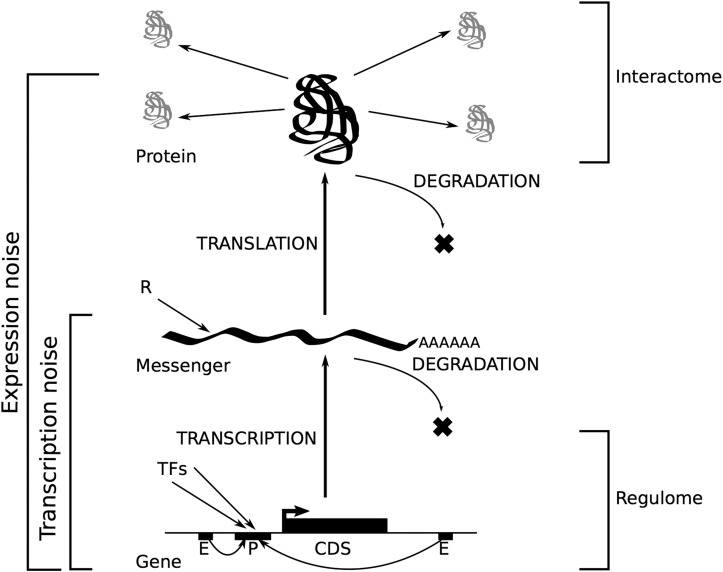
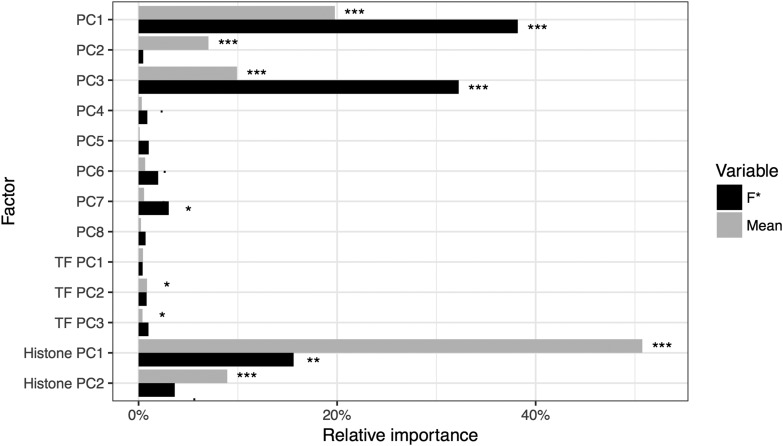
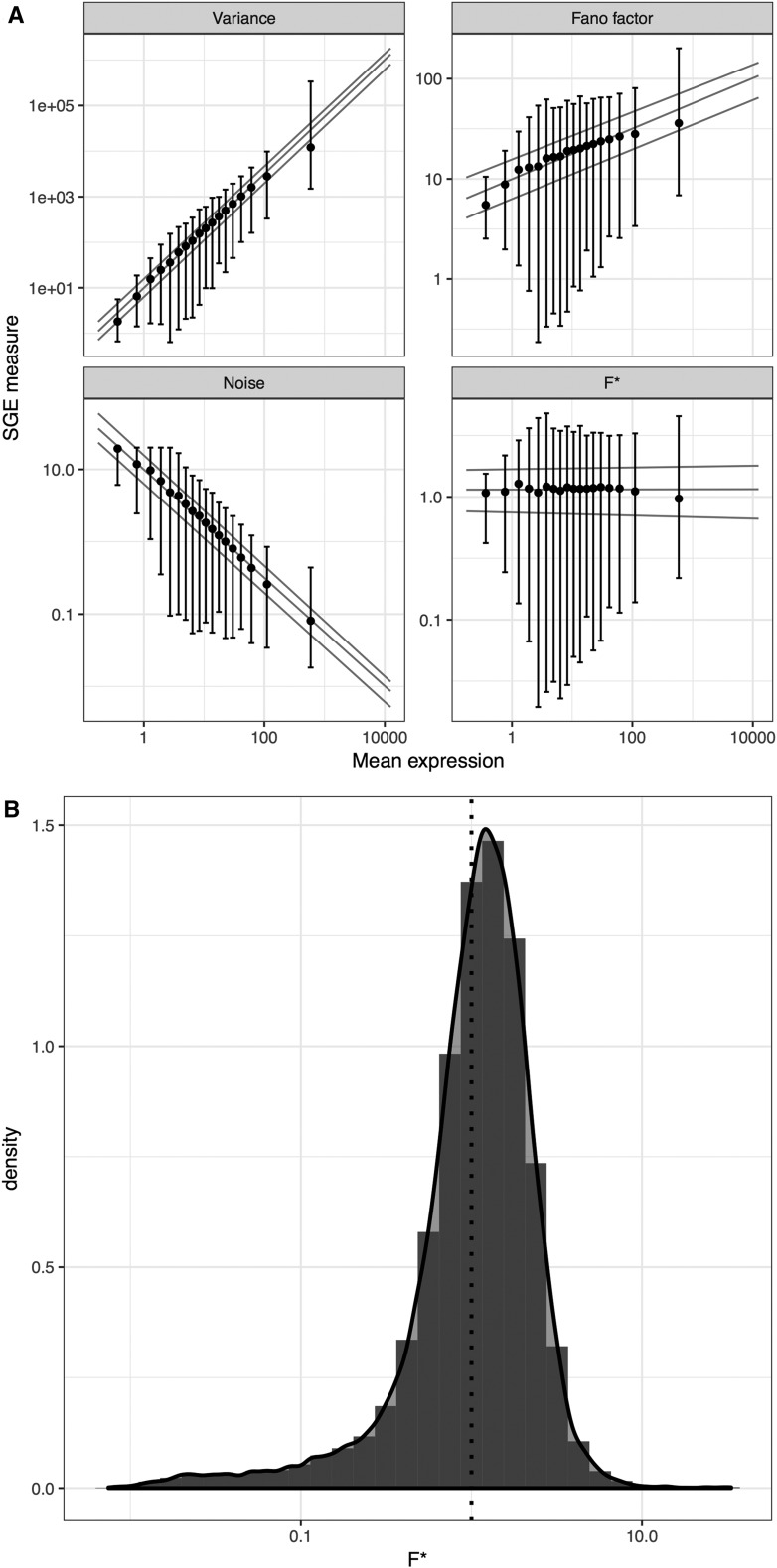
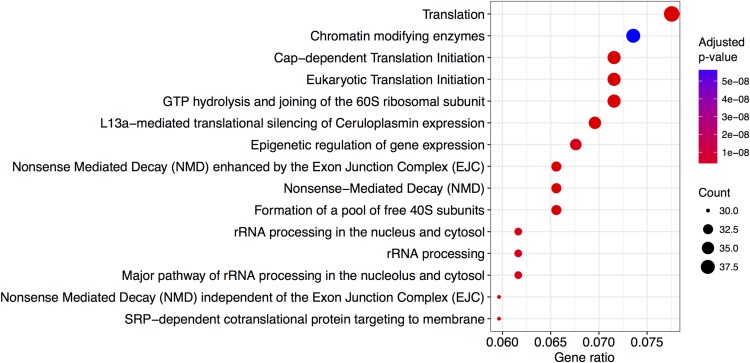
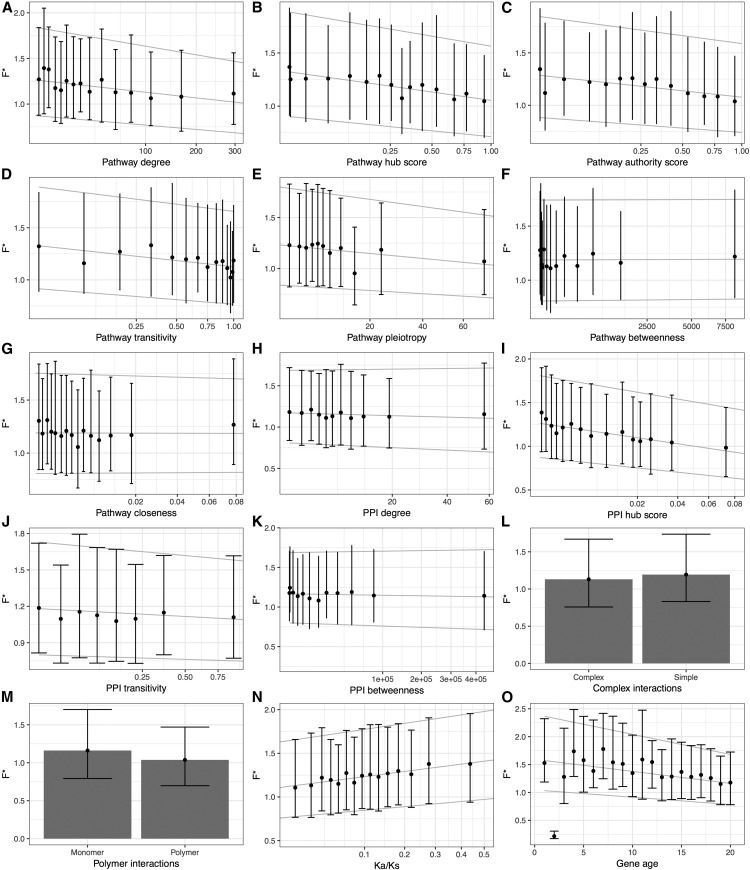
Biochemical reactions within individual cells result from the interactions of molecules, typically in small numbers. Consequently, the inherent stochasticity of binding and diffusion processes generates noise along the cascade that leads to the synthesis of a protein from its encoding gene. As a result, isogenic cell populations display phenotypic variability even in homogeneous environments. The extent and consequences of this stochastic gene expression have only recently been assessed on a genome-wide scale, owing, in particular, to the advent of single-cell transcriptomics. However, the evolutionary forces shaping this stochasticity have yet to be unraveled. Here, we take advantage of two recently published data sets for the single-cell transcriptome of the domestic mouse to characterize the effect of natural selection on gene-specific transcriptional stochasticity. We show that noise levels in the mRNA distributions (also known as transcriptional noise) significantly correlate with three-dimensional nuclear domain organization, evolutionary constraints on the encoded protein, and gene age. However, the position of the encoded protein in a biological pathway is the main factor that explains observed levels of transcriptional noise, in agreement with models of noise propagation within gene networks. Because transcriptional noise is under widespread selection, we argue that it constitutes an important component of the phenotype and that variance of expression is a potential target of adaptation. Stochastic gene expression should therefore be considered together with the mean expression level in functional and evolutionary studies of gene expression.
个体细胞内的生化反应是由分子相互作用产生的,通常数量较少。因此,结合和扩散过程的固有随机性沿着级联反应产生噪声,从而导致从其编码基因合成蛋白质。因此,即使在同质环境中,同基因细胞群体也表现出表型变异性。这种随机基因表达的程度和后果直到最近才在全基因组范围内进行评估,这主要得益于单细胞转录组学的出现。然而,塑造这种随机性的进化力量尚未被揭示。在这里,我们利用最近发表的两个关于家养小鼠单细胞转录组的数据集中的数据,来描述自然选择对基因特异性转录随机性的影响。我们表明,mRNA 分布(也称为转录噪声)的噪声水平与三维核域组织、编码蛋白的进化约束以及基因年龄显著相关。然而,编码蛋白在生物途径中的位置是解释观察到的转录噪声水平的主要因素,这与基因网络内噪声传播的模型一致。由于转录噪声受到广泛的选择,我们认为它是表型的一个重要组成部分,表达的变化是适应的潜在目标。因此,在基因表达的功能和进化研究中,应该将随机基因表达与平均表达水平一起考虑。