Wellcome Trust Centre for Neuroimaging, Institute of Neurology, University College London, WC1N 3BG, London, UK.
Sci Rep. 2017 Nov 7;7(1):14678. doi: 10.1038/s41598-017-15249-0.
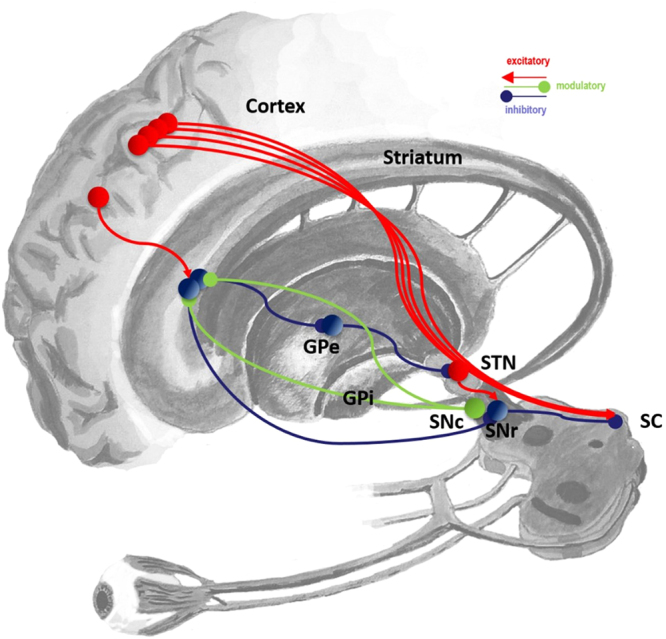
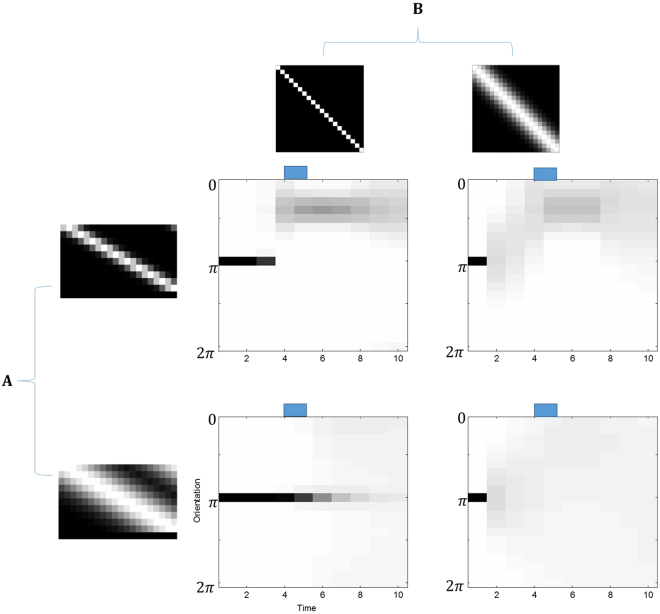
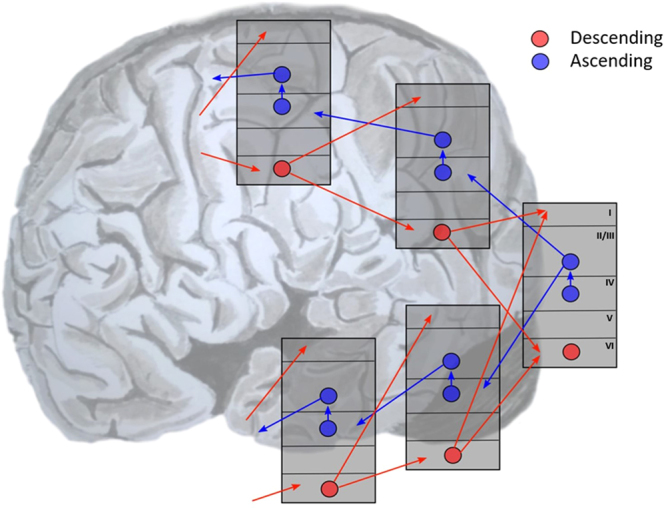
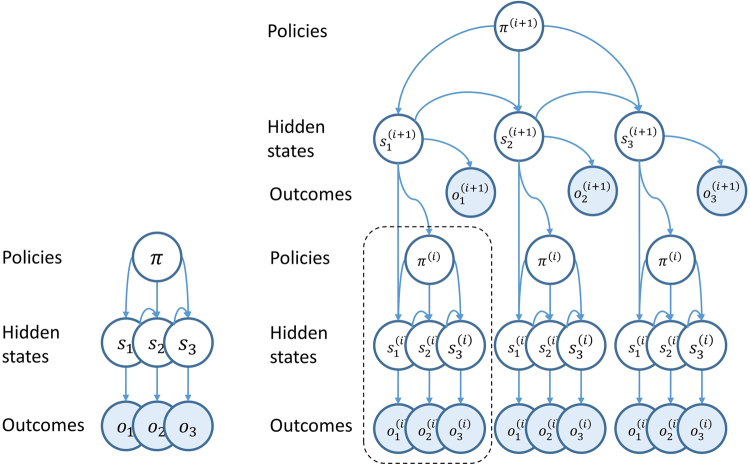
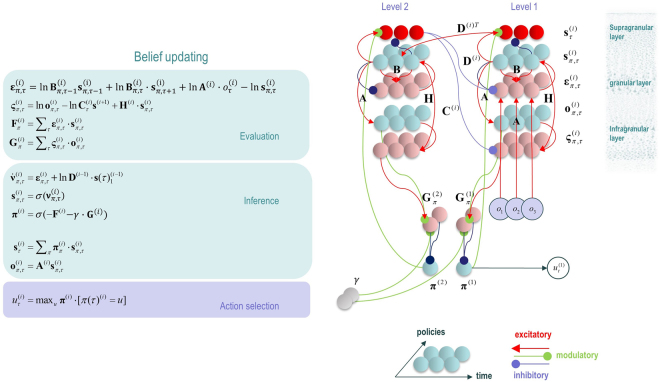
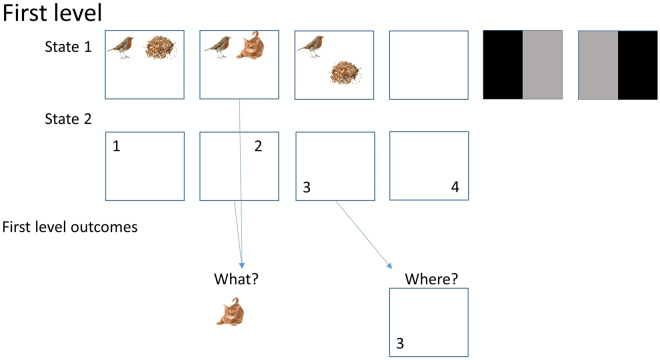
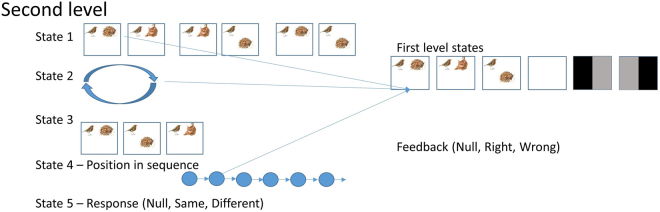
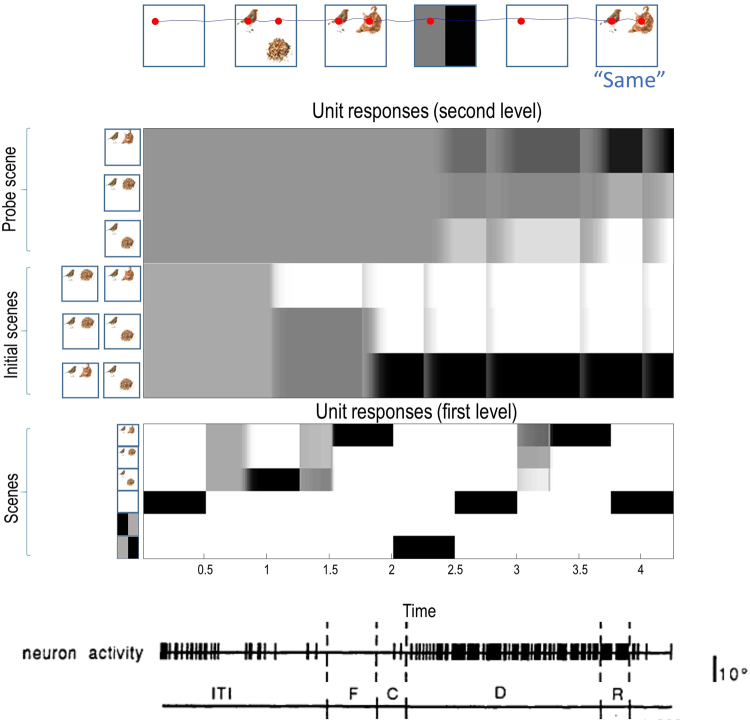
The psychological concepts of working memory and attention are widely used in the cognitive and neuroscientific literatures. Perhaps because of the interdisciplinary appeal of these concepts, the same terms are often used to mean very different things. Drawing on recent advances in theoretical neurobiology, this paper tries to highlight the correspondence between these established psychological constructs and the formal processes implicit in mathematical descriptions of brain function. Here, we consider attention and salience from the perspective offered by active inference. Using variational principles and simulations, we use active inference to demonstrate how attention and salience can be disambiguated in terms of message passing between populations of neurons in cortical and subcortical structures. In brief, we suggest that salience is something that is afforded to actions that realise epistemic affordance, while attention per se is afforded to precise sensory evidence - or beliefs about the causes of sensations.
工作记忆和注意力的心理概念在认知和神经科学文献中被广泛应用。也许是因为这些概念具有跨学科的吸引力,相同的术语经常被用来表示非常不同的含义。本文借鉴理论神经生物学的最新进展,试图强调这些既定的心理结构与大脑功能数学描述中隐含的形式过程之间的对应关系。在这里,我们从主动推断提供的角度来考虑注意力和突显。使用变分原理和模拟,我们使用主动推断来演示如何根据皮质和皮质下结构中神经元群体之间的信息传递来区分注意力和突显。简而言之,我们认为突显的是实现认知可供性的动作所具有的东西,而注意力本身则是精确的感官证据——或者是对感觉原因的信念所具有的东西。