School of Molecular and Cellular Biology, Faculty of Biological Sciences and Astbury Centre for Structural Molecular Biology, University of Leeds, Leeds, LS2 9JT, UK.
Institute of Technology, University of Tartu, Tartu, Estonia.
Sci Rep. 2017 Nov 7;7(1):14641. doi: 10.1038/s41598-017-15269-w.
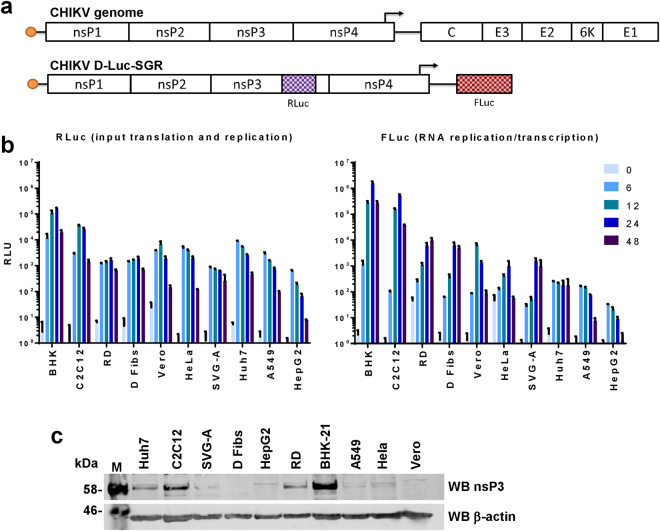
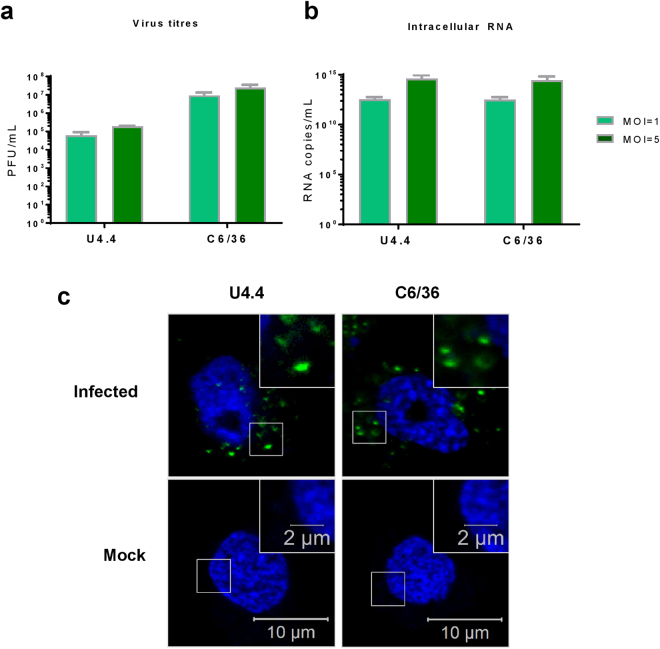
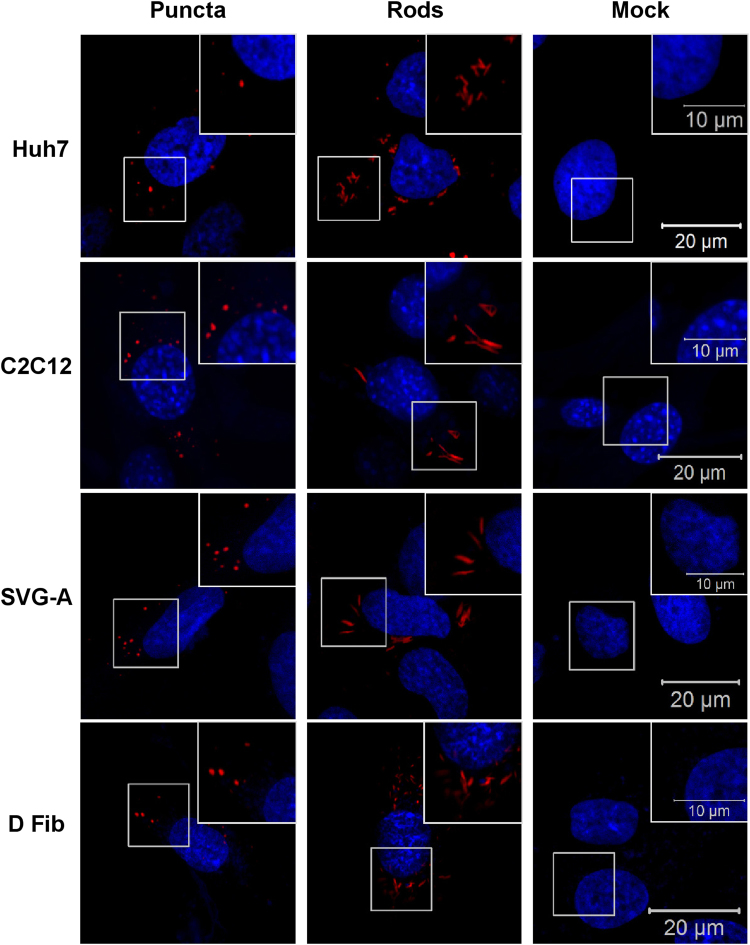
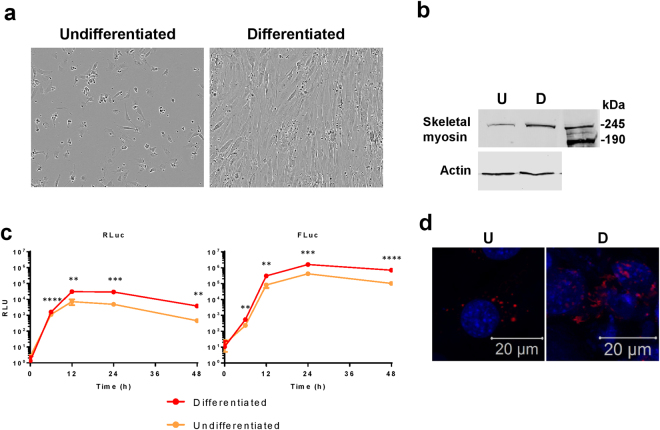
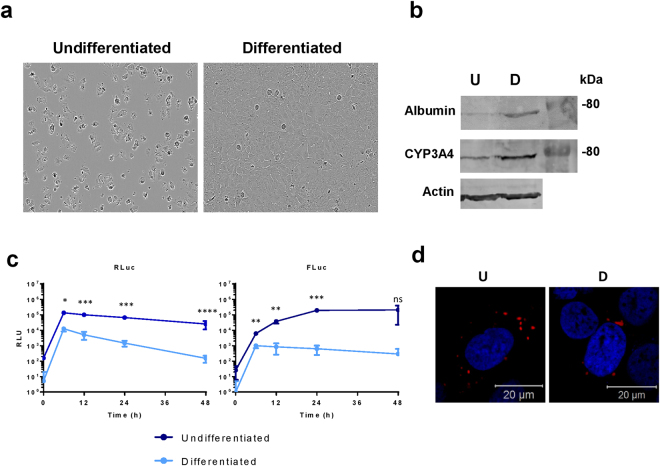
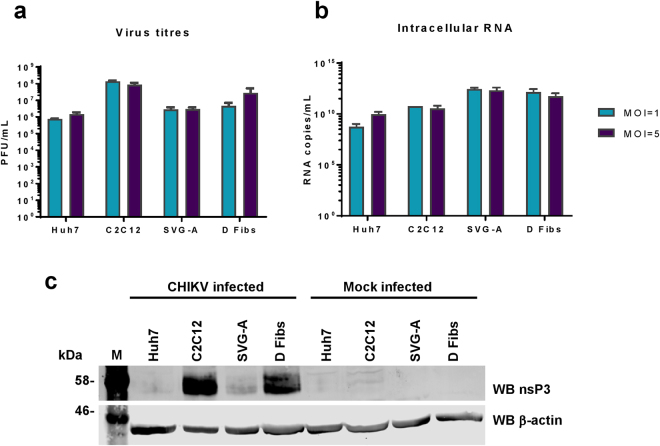
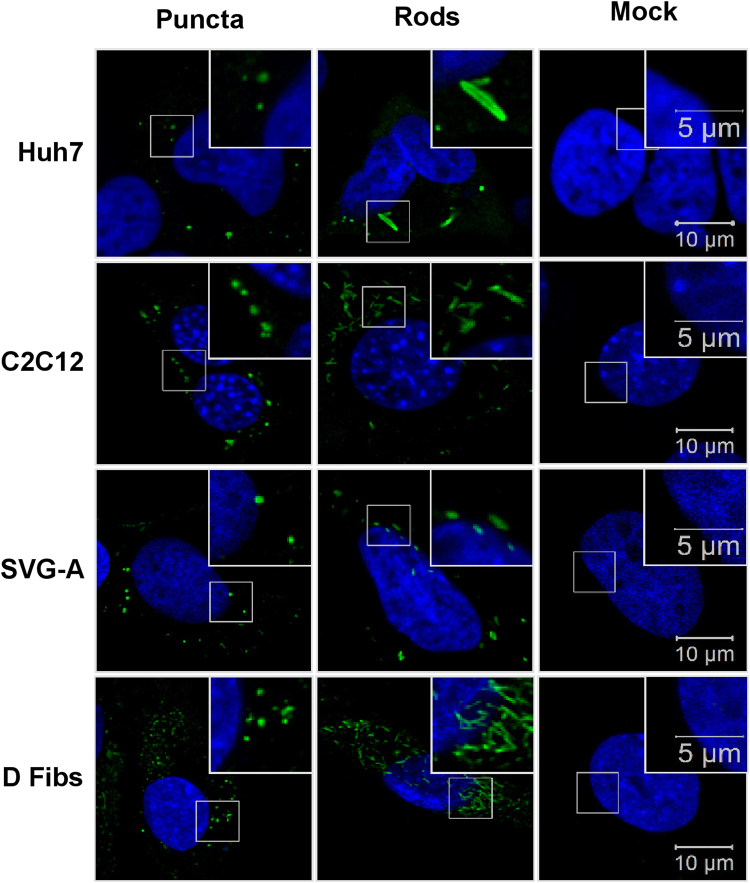
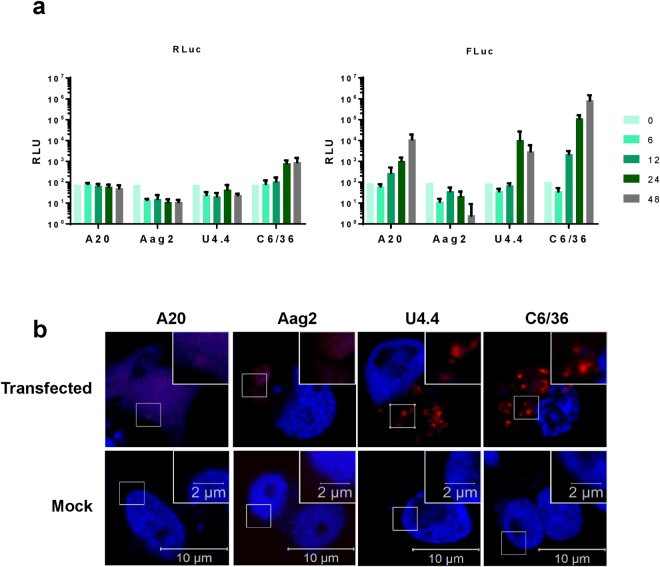
Chikungunya virus (CHIKV) is becoming an increasing global health issue which has spread across the globe and as far north as southern Europe. There is currently no vaccine or anti-viral treatment available. Although there has been a recent increase in CHIKV research, many of these in vitro studies have used a wide range of cell lines which are not physiologically relevant to CHIKV infection in vivo. In this study, we aimed to evaluate a panel of cell lines to identify a subset that would be both representative of the infectious cycle of CHIKV in vivo, and amenable to in vitro applications such as transfection, luciferase assays, immunofluorescence, western blotting and virus infection. Based on these parameters we selected four mammalian and two mosquito cell lines, and further characterised these as potential tools in CHIKV research.
基孔肯雅热病毒(CHIKV)正在成为一个日益严重的全球健康问题,已经传播到全球各地,甚至远至欧洲南部。目前尚无可用的疫苗或抗病毒治疗方法。尽管最近对 CHIKV 的研究有所增加,但这些体外研究使用了广泛的细胞系,这些细胞系与体内 CHIKV 感染的生理相关性不大。在这项研究中,我们旨在评估一组细胞系,以鉴定一组既能代表 CHIKV 体内感染周期,又能适用于转染、荧光素酶测定、免疫荧光、Western blot 和病毒感染等体外应用的细胞系。基于这些参数,我们选择了四种哺乳动物细胞系和两种蚊子细胞系,并进一步将其作为 CHIKV 研究的潜在工具进行了特征描述。