Bagot Kathleen L, Cadilhac Dominique A, Bladin Christopher F, Watkins Caroline L, Vu Michelle, Donnan Geoffrey A, Dewey Helen M, Emsley Hedley C A, Davies D Paul, Day Elaine, Ford Gary A, Price Christopher I, May Carl R, McLoughlin Alison S R, Gibson Josephine M E, Lightbody Catherine E
Stroke Division, The Florey Institute of Neuroscience and Mental Health, University of Melbourne, Melbourne, VIC, Australia.
University of Central Lancashire, Preston, UK.
BMC Health Serv Res. 2017 Nov 21;17(1):751. doi: 10.1186/s12913-017-2694-1.
Stroke telemedicine can reduce healthcare inequities by increasing access to specialists. Successful telemedicine networks require specialists adapting clinical practice to provide remote consultations. Variation in experiences of specialists between different countries is unknown. To support future implementation, we compared perceptions of Australian and United Kingdom specialists providing remote acute stroke consultations.
Specialist participants were identified using purposive sampling from two new services: Australia's Victorian Stroke Telemedicine Program (n = 6; 2010-13) and the United Kingdom's Cumbria and Lancashire telestroke network (n = 5; 2010-2012). Semi-structured interviews were conducted pre- and post-implementation, recorded and transcribed verbatim. Deductive thematic and content analysis (NVivo) was undertaken by two independent coders using Normalisation Process Theory to explore integration of telemedicine into practice. Agreement between coders was M = 91%, SD = 9 and weighted average κ = 0.70.
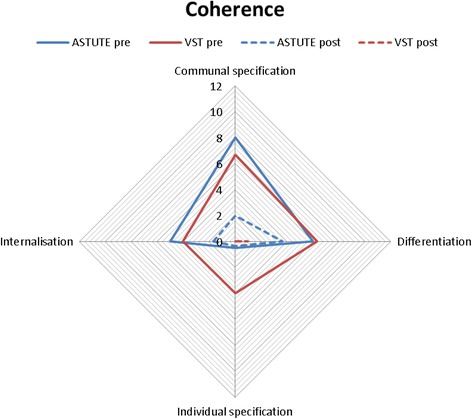
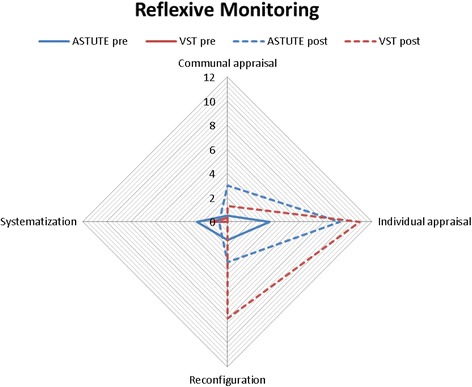
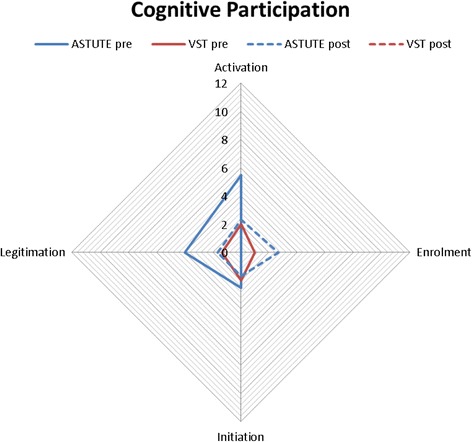
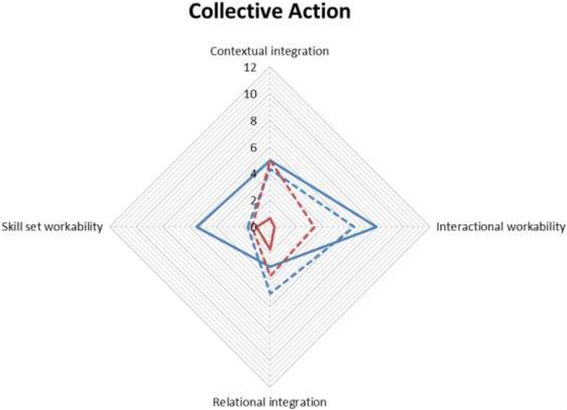
Cross-cultural similarities and differences were found. In both countries, specialists described old and new consulting practices, the purpose and value of telemedicine systems, and concerns regarding confidence in the assessment and diagnostic skills of unknown colleagues requesting telemedicine support. Australian specialists discussed how remote consultations impacted on usual roles and suggested future improvements, while United Kingdom specialists discussed system governance, policy and procedures.
Australian and United Kingdom specialists reported telemedicine required changes in work practice and development of new skills. Both groups described potential for improvements in stroke telemedicine systems with Australian specialists more focused on role change and the United Kingdom on system governance issues. Future research should examine if cross-cultural variation reflects different models of care and extends to other networks.
卒中远程医疗可通过增加专科医生服务的可及性来减少医疗保健的不平等。成功的远程医疗网络需要专科医生调整临床实践以提供远程会诊。不同国家专科医生的经历差异尚不清楚。为支持未来的实施,我们比较了澳大利亚和英国提供远程急性卒中会诊的专科医生的看法。
通过立意抽样从两项新服务中确定专科医生参与者:澳大利亚的维多利亚州卒中远程医疗项目(n = 6;2010 - 2013年)和英国的坎布里亚郡和兰开夏郡远程卒中网络(n = 5;2010 - 2012年)。在实施前后进行半结构化访谈,进行录音并逐字转录。两名独立编码员采用演绎主题和内容分析法(NVivo),运用规范化过程理论探讨远程医疗在实践中的整合情况。编码员之间的一致性为M = 91%,标准差 = 9,加权平均κ = 0.70。
发现了跨文化的异同。在两个国家,专科医生都描述了新旧会诊实践、远程医疗系统的目的和价值,以及对请求远程医疗支持的陌生同事的评估和诊断技能信心的担忧。澳大利亚的专科医生讨论了远程会诊如何影响日常工作角色并提出未来改进建议,而英国的专科医生讨论了系统治理、政策和程序。
澳大利亚和英国的专科医生报告称远程医疗需要改变工作实践并培养新技能。两组都描述了卒中远程医疗系统有改进的潜力,澳大利亚的专科医生更关注角色变化,而英国的专科医生更关注系统治理问题。未来的研究应考察跨文化差异是否反映了不同的护理模式,并是否延伸到其他网络。