Washington University Pain Center and Department of Anesthesiology, St. Louis, MO, 63110, USA.
Washington University School of Medicine, 660 S. Euclid Ave, Box 8054, St. Louis, MO, 63110, USA.
Sci Rep. 2017 Nov 20;7(1):15865. doi: 10.1038/s41598-017-16129-3.
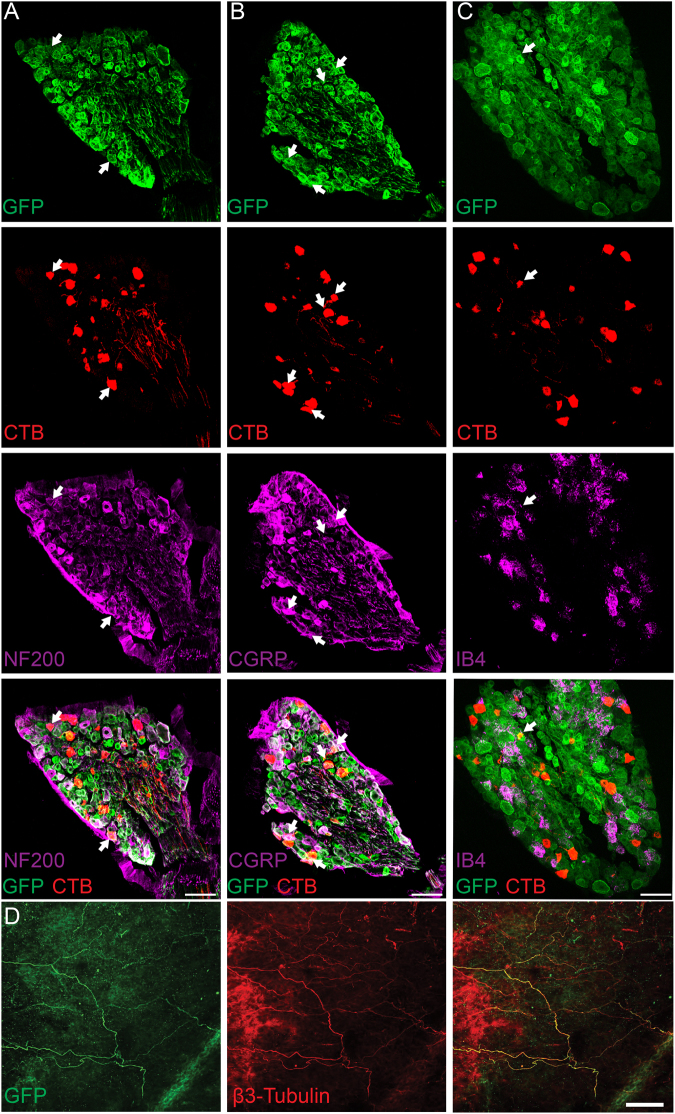
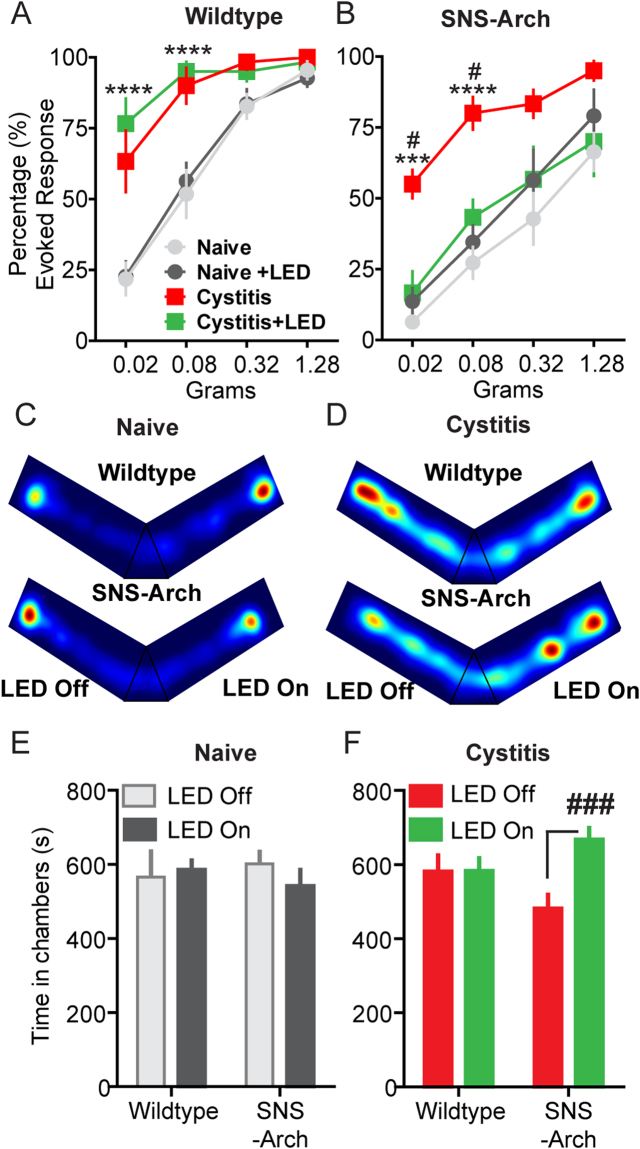
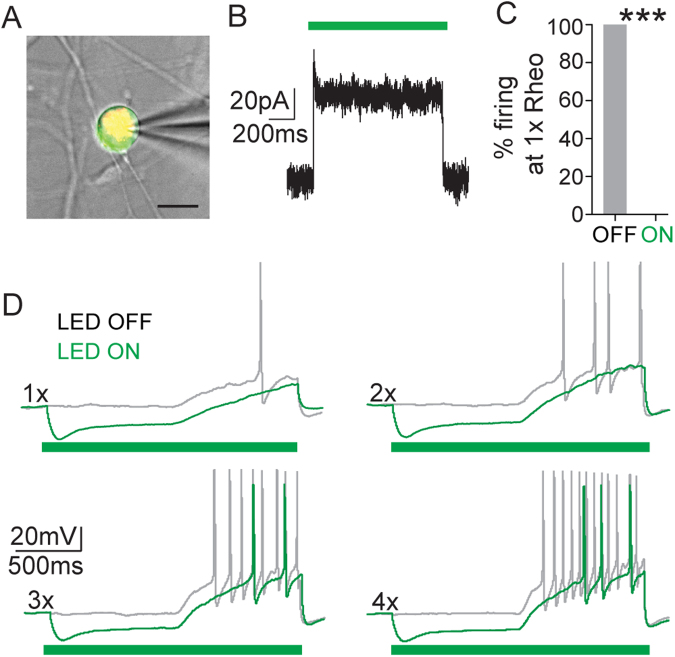
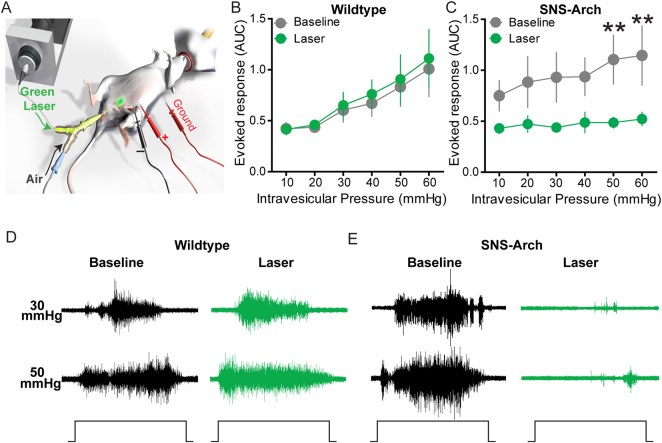
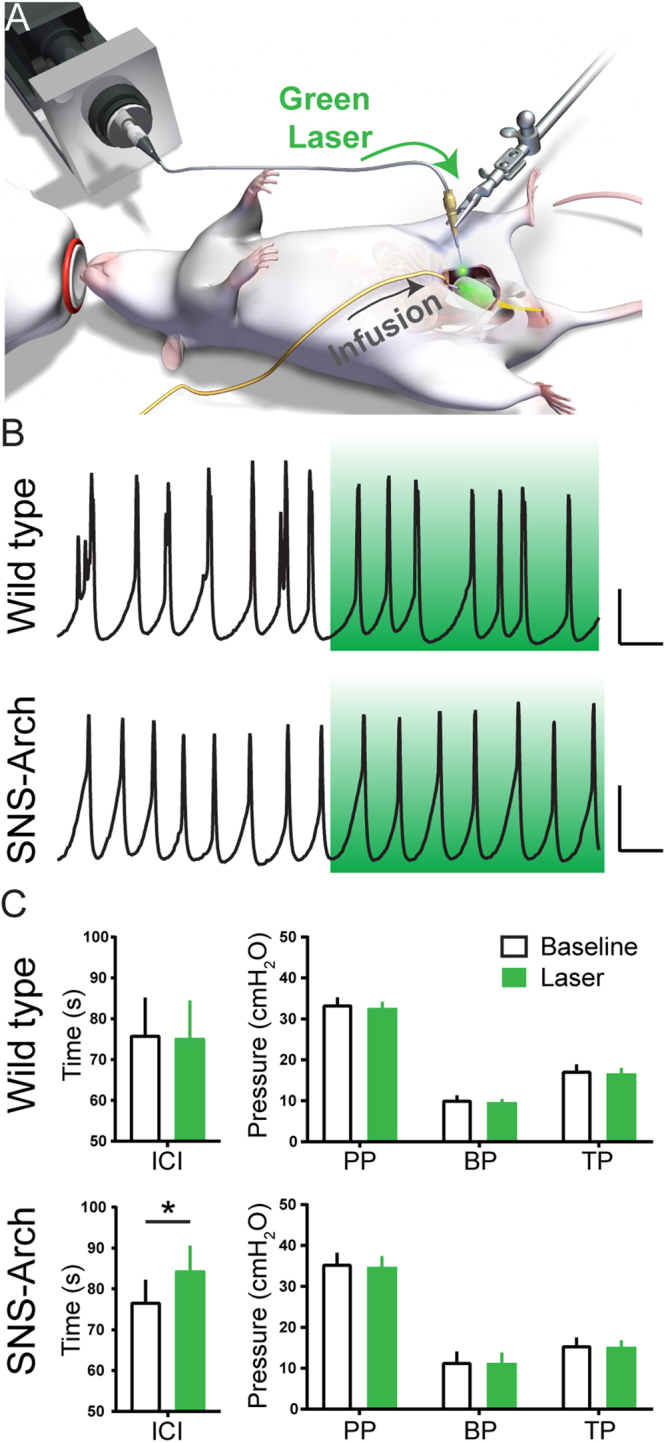
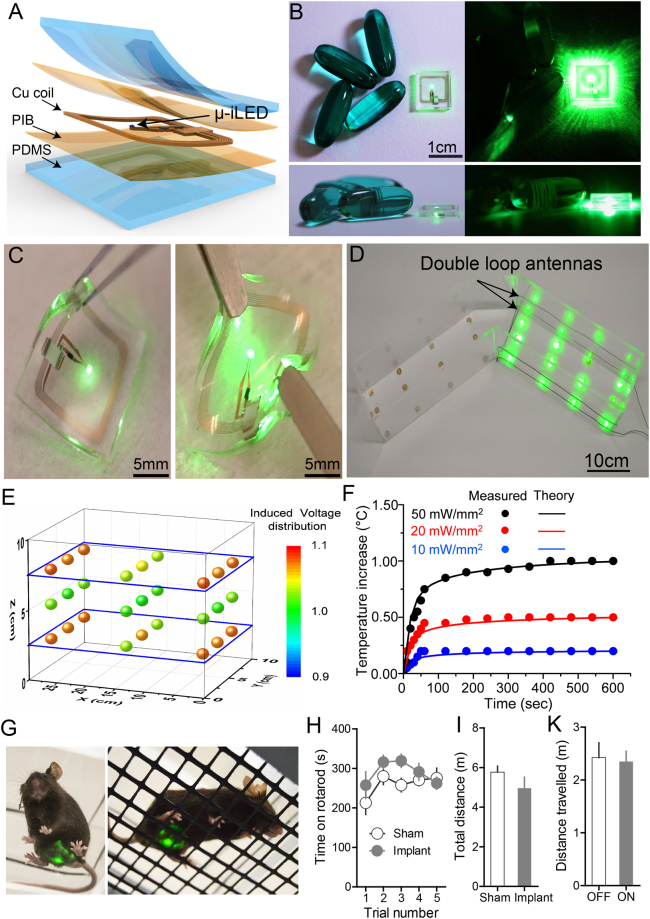
Patients with interstitial cystitis/bladder pain syndrome (IC/BPS) suffer from chronic pain that severely affects quality of life. Although the underlying pathophysiology is not well understood, inhibition of bladder sensory afferents temporarily relieves pain. Here, we explored the possibility that optogenetic inhibition of nociceptive sensory afferents could be used to modulate bladder pain. The light-activated inhibitory proton pump Archaerhodopsin (Arch) was expressed under control of the sensory neuron-specific sodium channel (sns) gene to selectively silence these neurons. Optically silencing nociceptive sensory afferents significantly blunted the evoked visceromotor response to bladder distension and led to small but significant changes in bladder function. To study of the role of nociceptive sensory afferents in freely behaving mice, we developed a fully implantable, flexible, wirelessly powered optoelectronic system for the long-term manipulation of bladder afferent expressed opsins. We found that optogenetic inhibition of nociceptive sensory afferents reduced both ongoing pain and evoked cutaneous hypersensitivity in the context of cystitis, but had no effect in uninjured, naïve mice. These results suggest that selective optogenetic silencing of nociceptive bladder afferents may represent a potential future therapeutic strategy for the treatment of bladder pain.
间质性膀胱炎/膀胱疼痛综合征(IC/BPS)患者患有慢性疼痛,严重影响生活质量。尽管其潜在的病理生理学机制尚不清楚,但抑制膀胱感觉传入纤维可暂时缓解疼痛。在这里,我们探讨了利用光遗传学抑制伤害性感觉传入纤维来调节膀胱疼痛的可能性。光激活抑制性质子泵 Archaeerhodopsin(Arch)受感觉神经元特异性钠离子通道(sns)基因的控制表达,以选择性沉默这些神经元。光沉默伤害性感觉传入纤维可显著减弱膀胱扩张引起的内脏运动反应,并导致膀胱功能的微小但显著变化。为了研究伤害性感觉传入纤维在自由活动小鼠中的作用,我们开发了一种完全可植入的、灵活的、无线供电的光电系统,用于长期操纵表达 opsin 的膀胱传入纤维。我们发现,伤害性感觉传入纤维的光遗传学抑制可减少膀胱炎背景下的持续性疼痛和诱发的皮肤过敏,但在未受伤的、未致敏的小鼠中没有效果。这些结果表明,选择性光遗传学沉默伤害性膀胱传入纤维可能代表治疗膀胱疼痛的一种潜在的未来治疗策略。