Department of Pharmaceutical Sciences, St. Jude Children's Research Hospital, 262 Danny Thomas Place, Memphis, TN 38105-2794, USA.
Int J Mol Sci. 2017 Nov 27;18(12):2544. doi: 10.3390/ijms18122544.
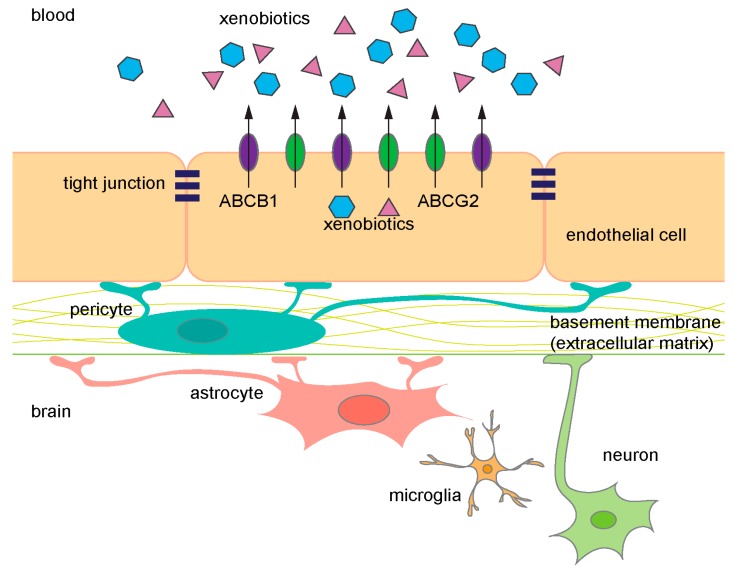
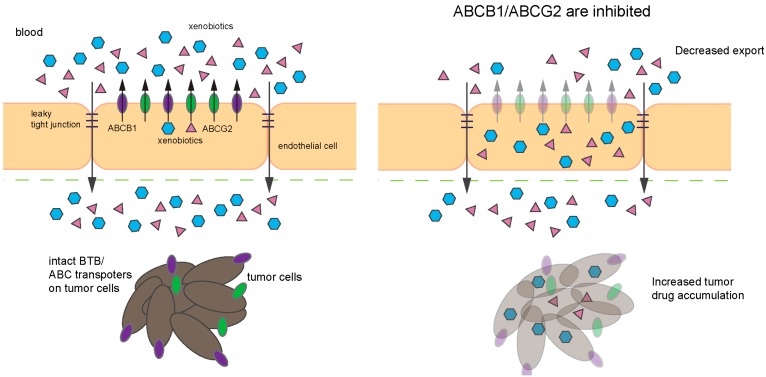
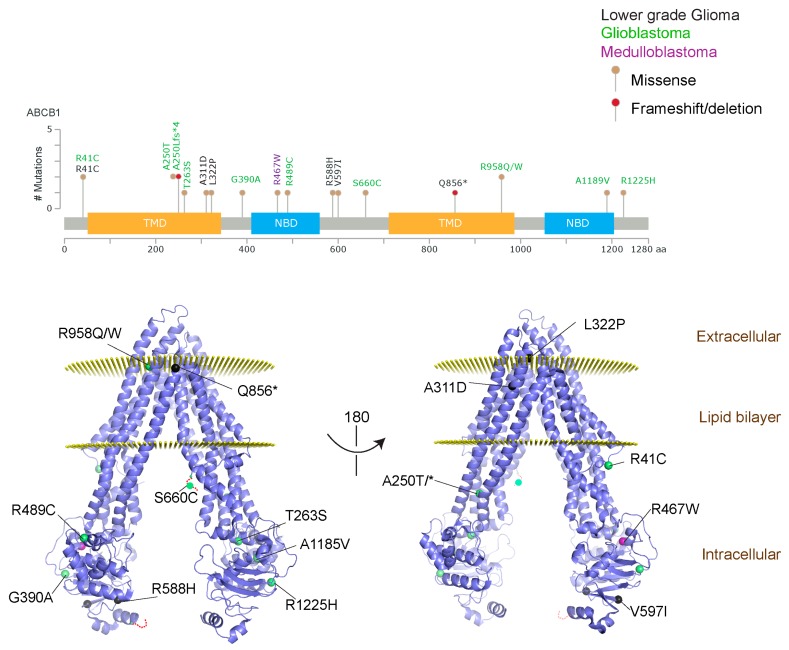
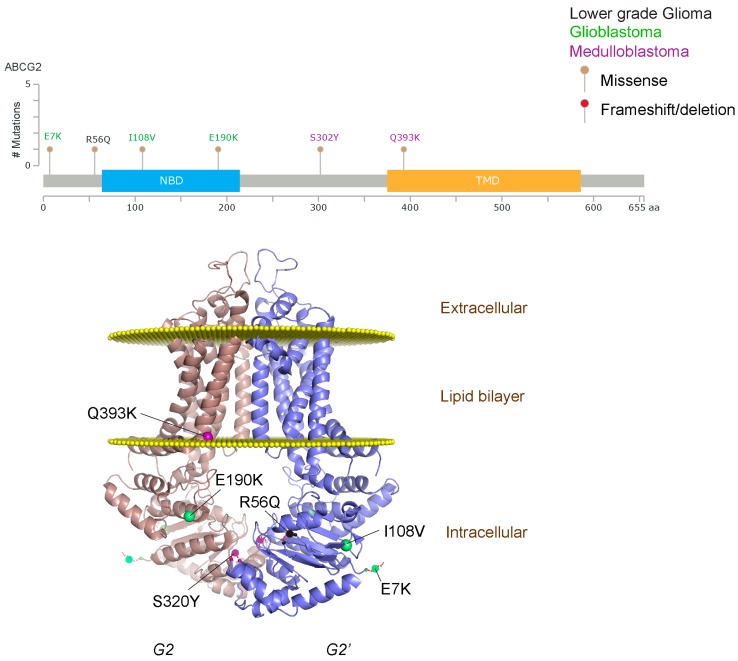
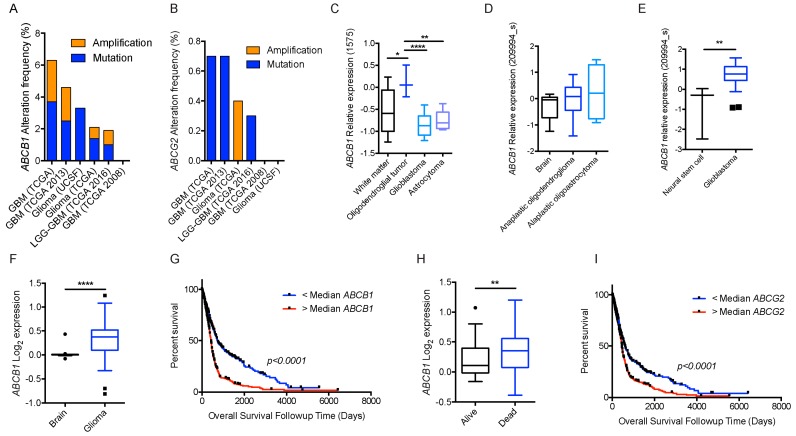
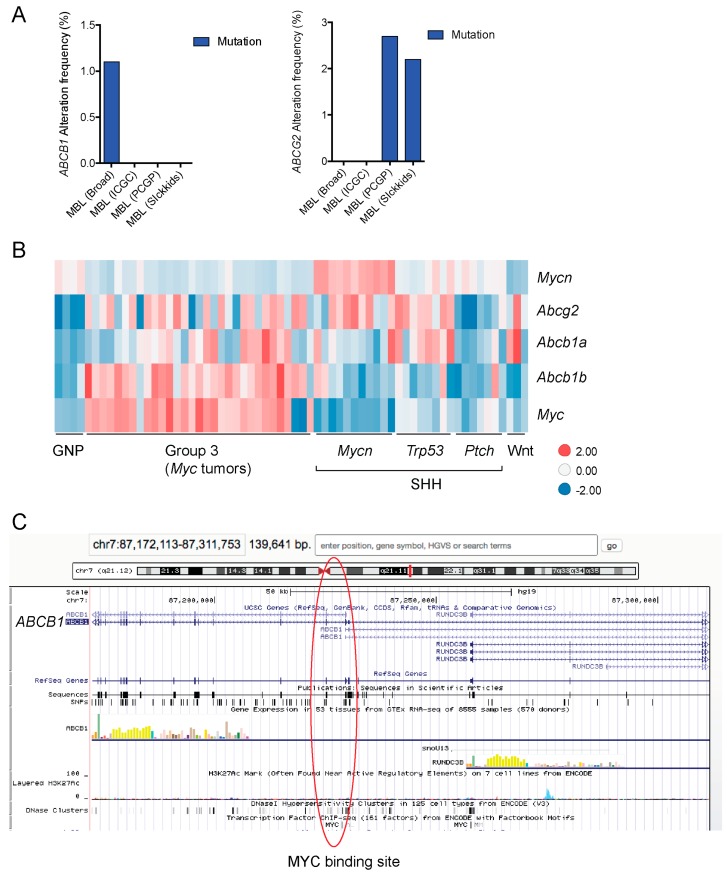
The delivery of cancer chemotherapy to treat brain tumors remains a challenge, in part, because of the inherent biological barrier, the blood-brain barrier. While its presence and role as a protector of the normal brain parenchyma has been acknowledged for decades, it is only recently that the important transporter components, expressed in the tightly knit capillary endothelial cells, have been deciphered. These transporters are ATP-binding cassette (ABC) transporters and, so far, the major clinically important ones that functionally contribute to the blood-brain barrier are ABCG2 and ABCB1. A further limitation to cancer therapy of brain tumors or brain metastases is the blood-tumor barrier, where tumors erect a barrier of transporters that further impede drug entry. The expression and regulation of these two transporters at these barriers, as well as tumor derived alteration in expression and/or mutation, are likely obstacles to effective therapy.
将癌症化疗药物递送到大脑肿瘤部位仍然是一个挑战,部分原因在于存在血脑屏障这一固有生物学屏障。几十年来,人们已经认识到血脑屏障的存在及其作为正常脑实质保护者的作用,但直到最近,其重要的转运体组成部分才在紧密连接的毛细血管内皮细胞中被破译。这些转运体是 ATP 结合盒(ABC)转运体,到目前为止,对血脑屏障功能有重要贡献的主要临床相关转运体是 ABCG2 和 ABCB1。脑瘤或脑转移瘤的癌症治疗还受到血肿瘤屏障的限制,肿瘤在其中竖起一道转运体屏障,进一步阻碍药物进入。这两种转运体在这些屏障中的表达和调节,以及肿瘤来源的表达改变和/或突变,可能是有效治疗的障碍。