Okoye Isobel, Namdar Afshin, Xu Lai, Crux Nicole, Elahi Shokrollah
Department of Dentistry, Faculty of Medicine and Dentistry, University of Alberta, Edmonton, T6G 2E1 Canada.
Department of Medical Microbiology and Immunology, Faculty of Medicine and Dentistry, University of Alberta, Edmonton, T6G 2E1 Canada.
Oncotarget. 2017 Sep 18;8(58):98215-98232. doi: 10.18632/oncotarget.21003. eCollection 2017 Nov 17.
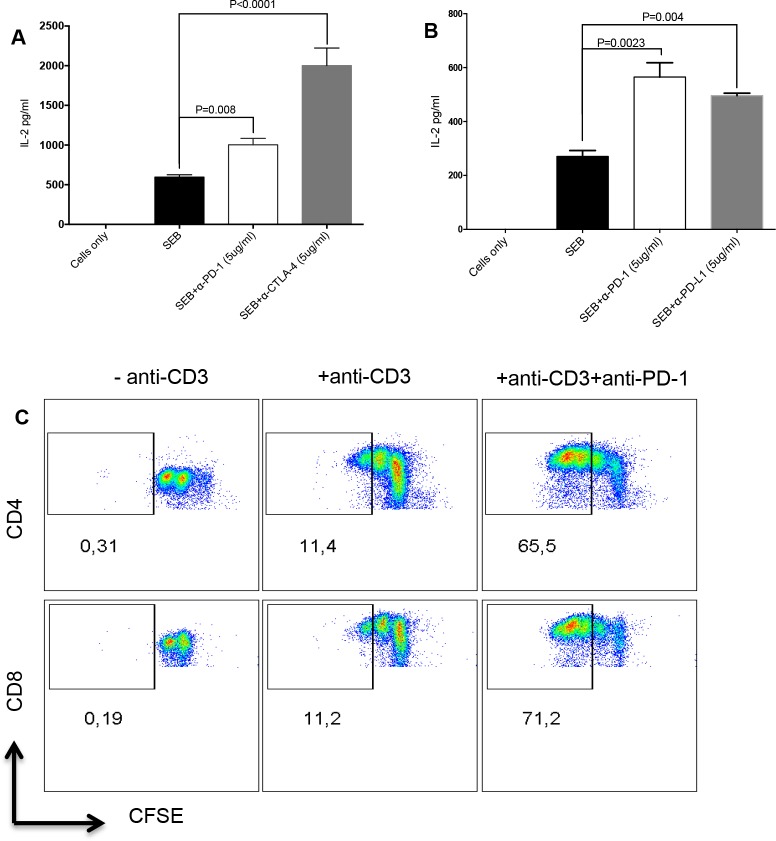
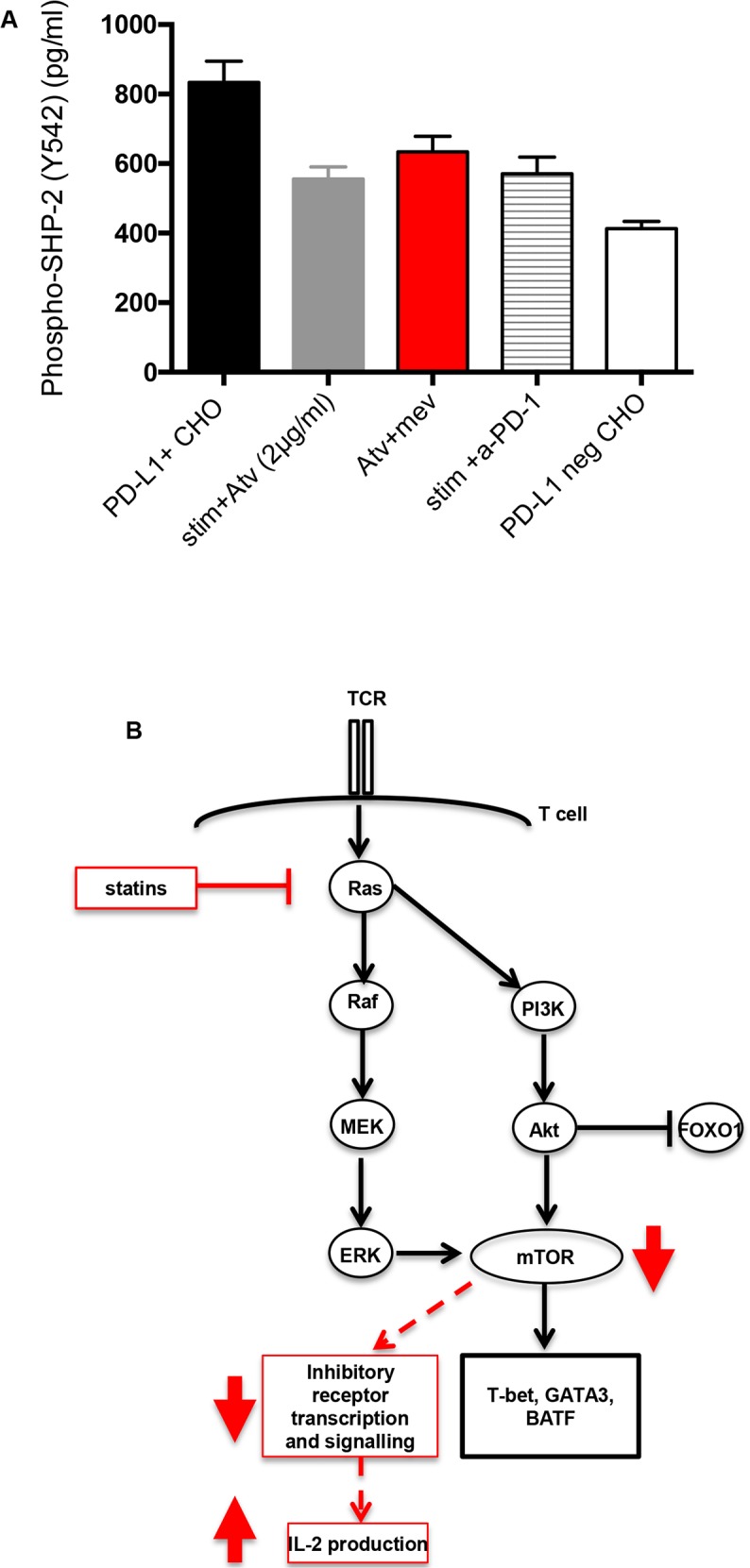
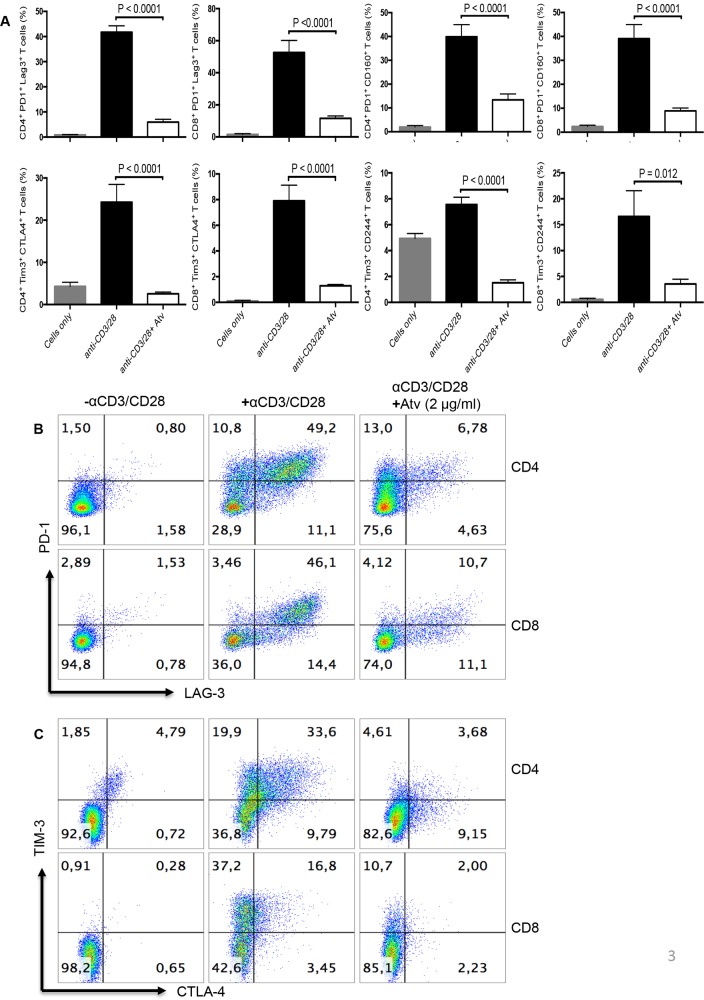
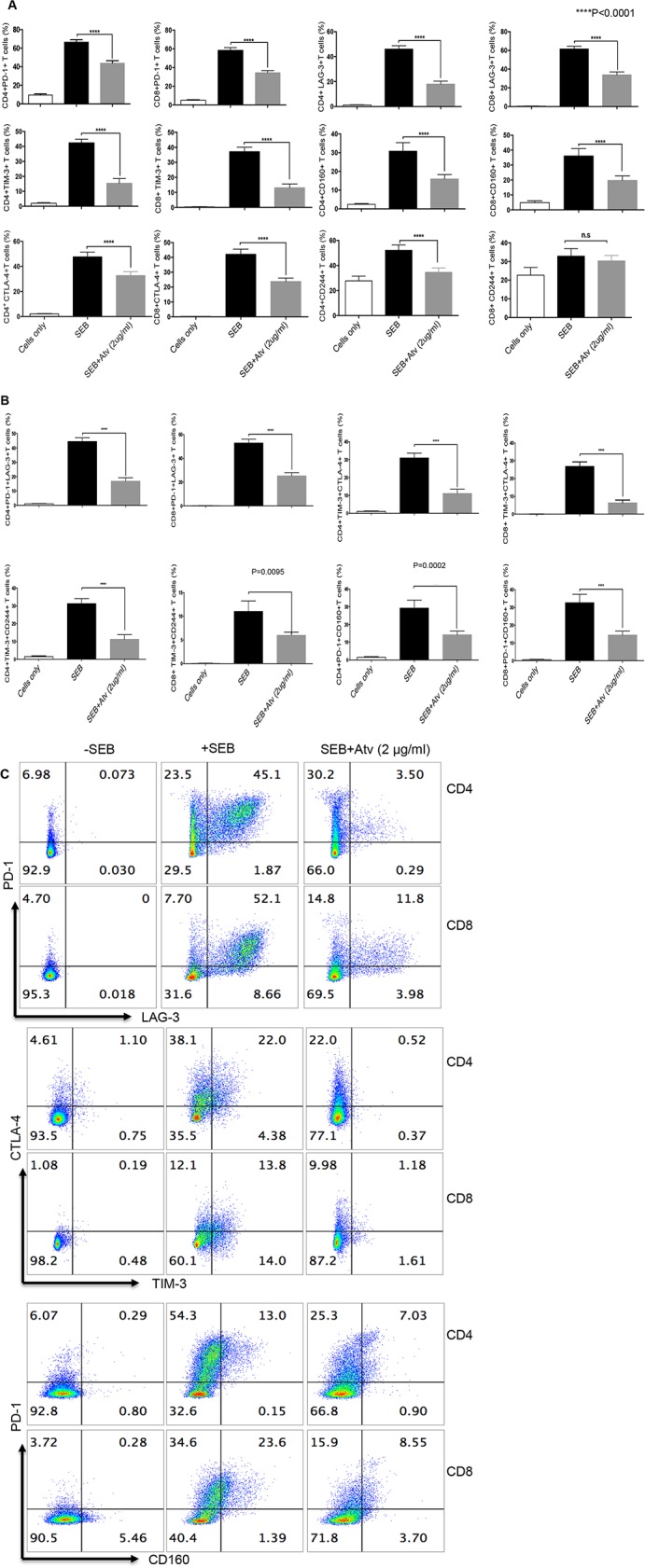
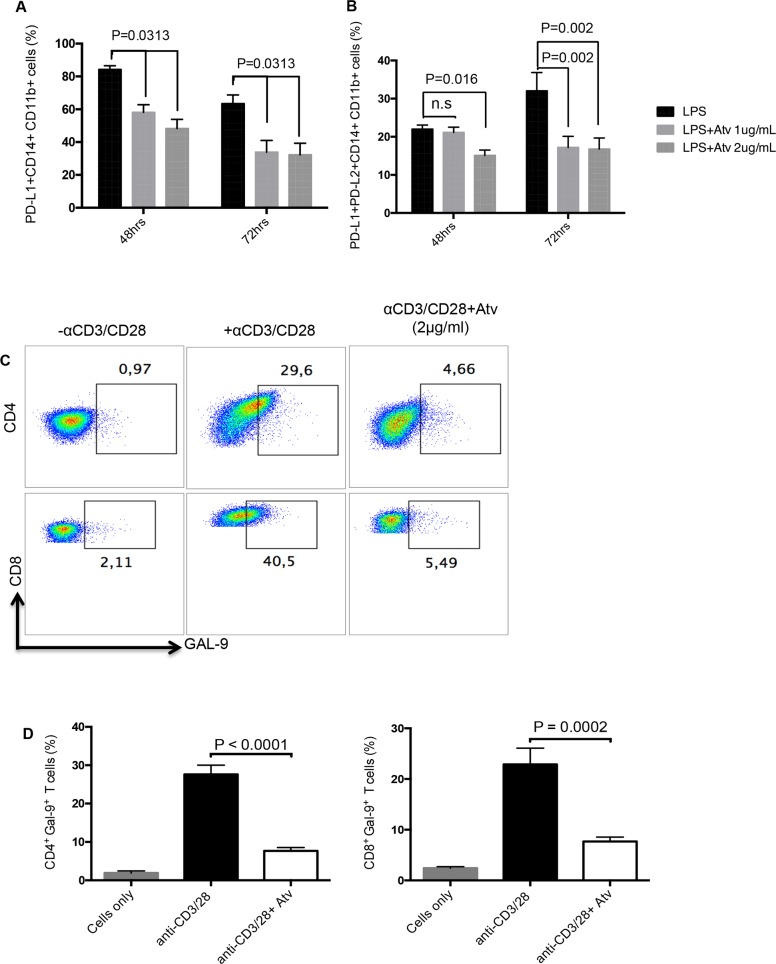
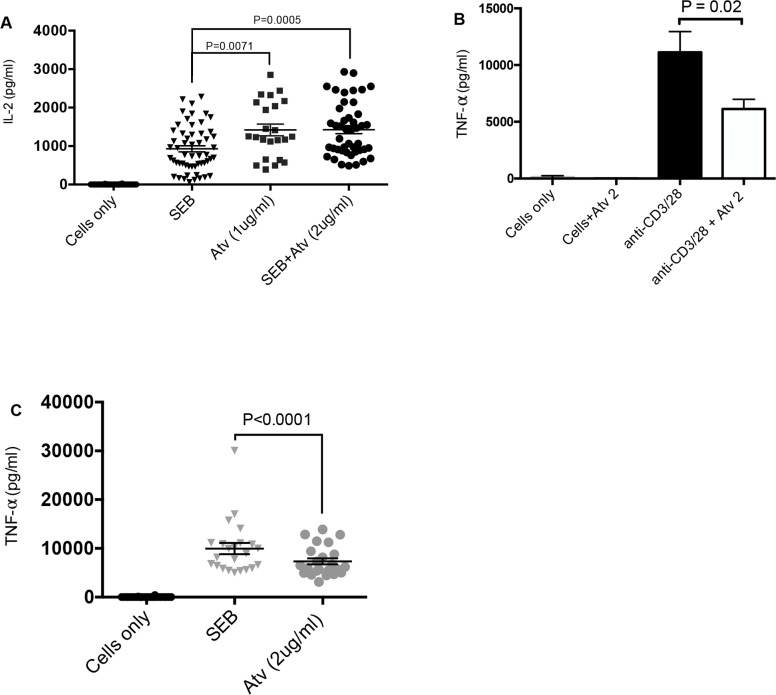
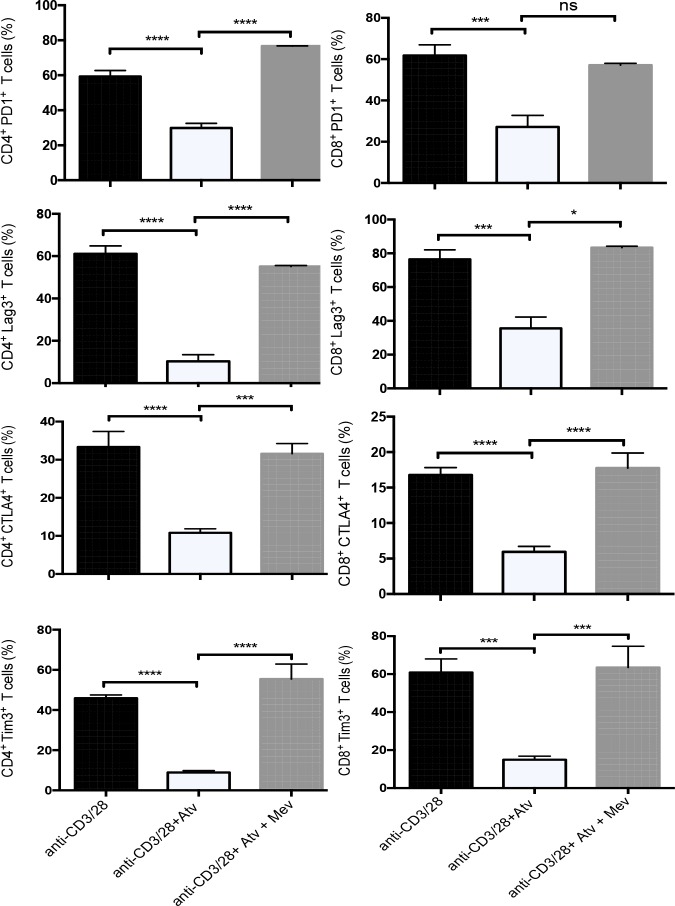
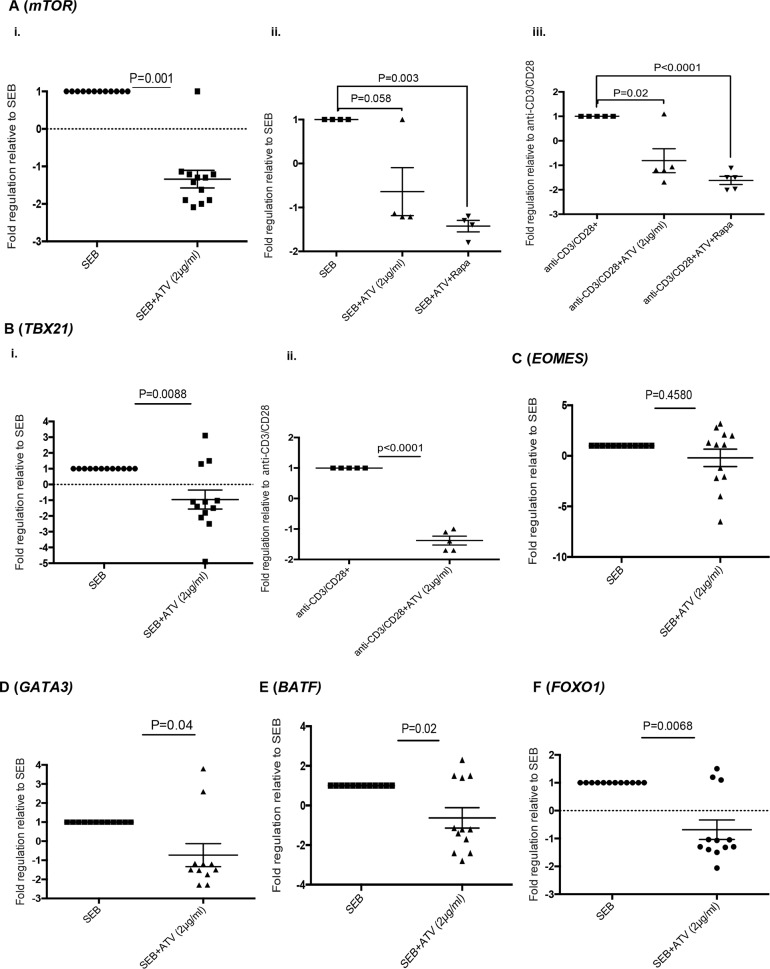
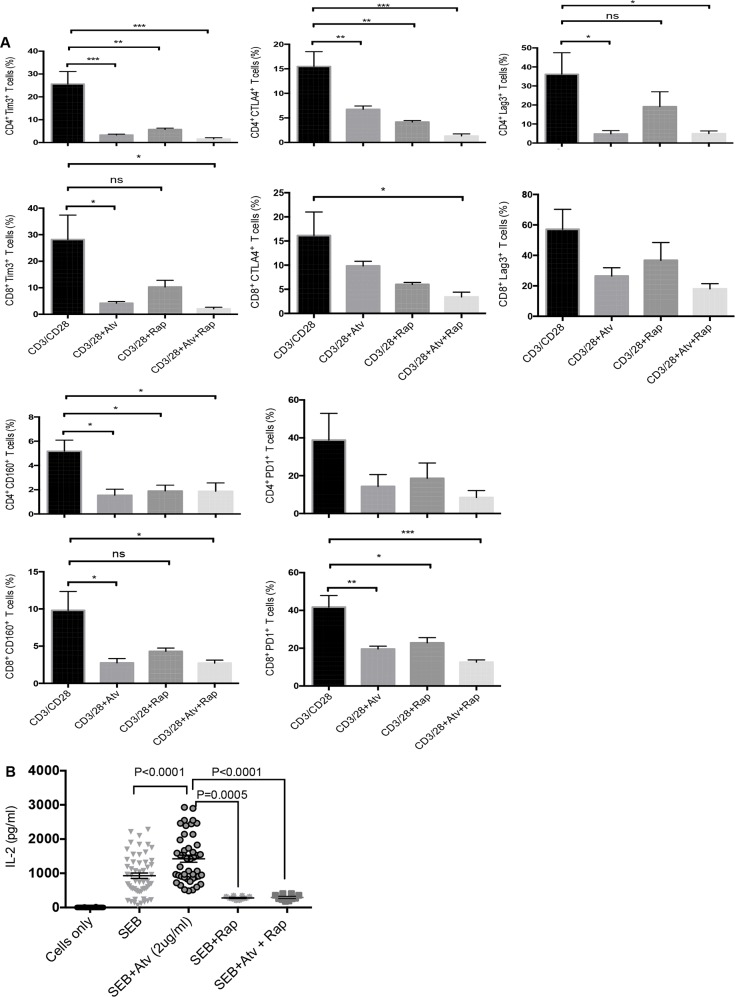
Regulation of T cell function in the steady state is mediated by co-inhibitory receptors or immune checkpoints such as PD-1, CTLA-4, TIM-3 and LAG-3. Persistent antigen stimulation, during chronic viral infections and cancer, results in sustained expression of multiple co-inhibitory receptors and subsequently poor effector T cell function. Immune checkpoint blockade using monoclonal antibodies against PD-1, PDL-1 and CTLA-4 has been implemented as an immunotherapy strategy- resulting in restoration of T cell function and reduction of viral load or tumour growth. Immunomodulatory roles of commonly used cholesterol-lowering medications, atorvastatin and other statins, are widely documented. We have previously shown that atorvastatin can inhibit HIV-1 infection and replication. Here, for the very first time we discovered that atorvastatin also regulates activated T cell function by mediating downregulation of multiple co-inhibitory receptors, which corresponded with increased IL-2 production by stimulated T cells. In addition, we found that atorvastatin treatment reduces expression of mTOR and downstream T cell effector genes. We demonstrate a novel mechanism showing that atorvastatin inhibition of Ras-activated MAPK and PI3K-Akt pathways, and subsequent mTOR signalling promotes gross downregulation of co-inhibitory receptors. Thus, our results suggest that statins may hold particular promise in reinvigorating T cell function in chronic conditions.
稳态下T细胞功能的调节由共抑制受体或免疫检查点介导,如PD-1、CTLA-4、TIM-3和LAG-3。在慢性病毒感染和癌症期间,持续的抗原刺激会导致多种共抑制受体的持续表达,进而导致效应T细胞功能不佳。使用抗PD-1、PDL-1和CTLA-4单克隆抗体进行免疫检查点阻断已作为一种免疫治疗策略得以实施,从而恢复T细胞功能并降低病毒载量或肿瘤生长。常用的降胆固醇药物阿托伐他汀和其他他汀类药物的免疫调节作用已有广泛记载。我们之前已表明阿托伐他汀可抑制HIV-1感染和复制。在此,我们首次发现阿托伐他汀还通过介导多种共抑制受体的下调来调节活化T细胞的功能,这与受刺激T细胞IL-2产生的增加相对应。此外,我们发现阿托伐他汀治疗可降低mTOR及下游T细胞效应基因的表达。我们展示了一种新机制,表明阿托伐他汀对Ras激活的MAPK和PI3K-Akt通路的抑制以及随后的mTOR信号传导促进了共抑制受体的总体下调。因此,我们的结果表明他汀类药物在重振慢性疾病中的T细胞功能方面可能具有特殊前景。