Department of Molecular and Cell Biology, Cancer Research Laboratory, University of California, Berkeley, United States.
Elife. 2017 Dec 12;6:e30881. doi: 10.7554/eLife.30881.
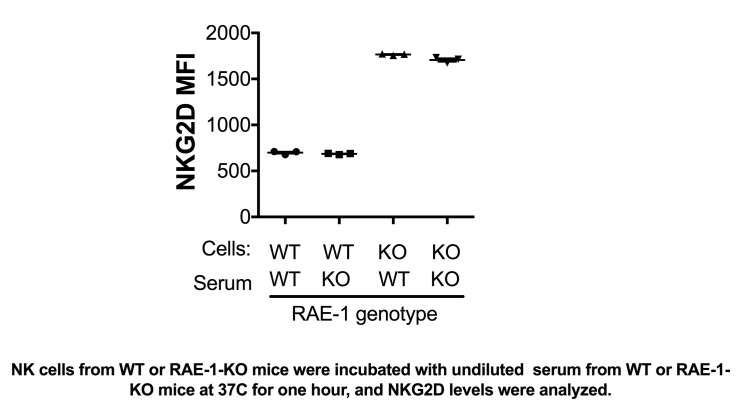
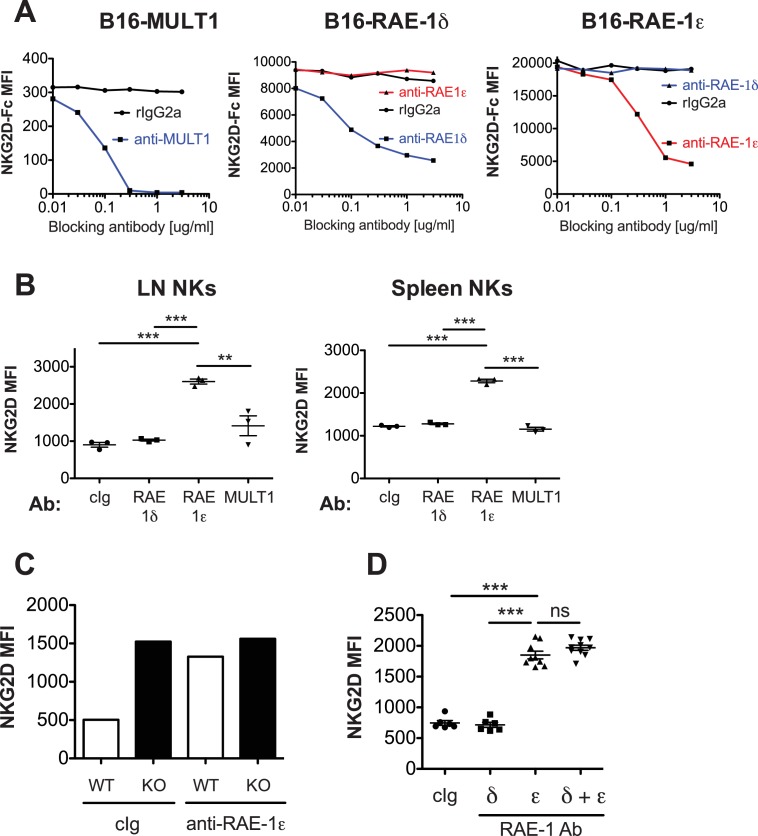
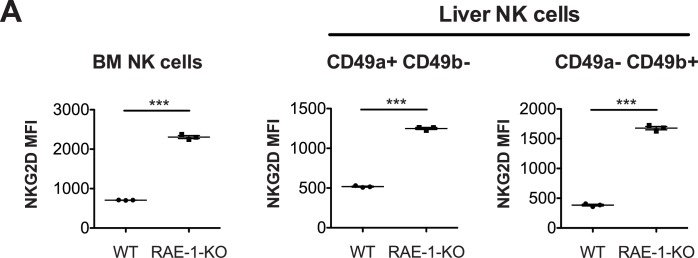
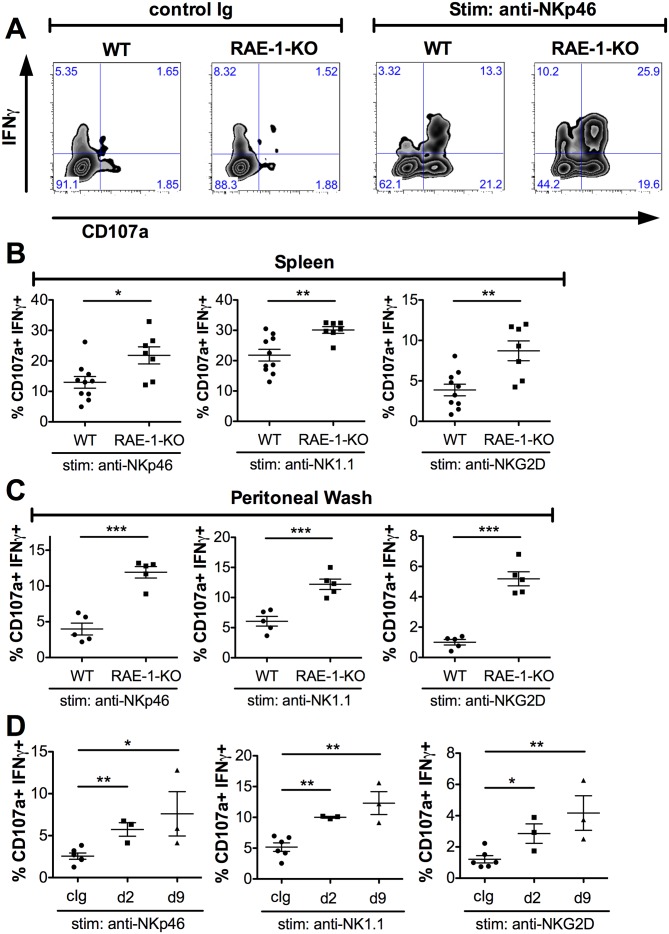
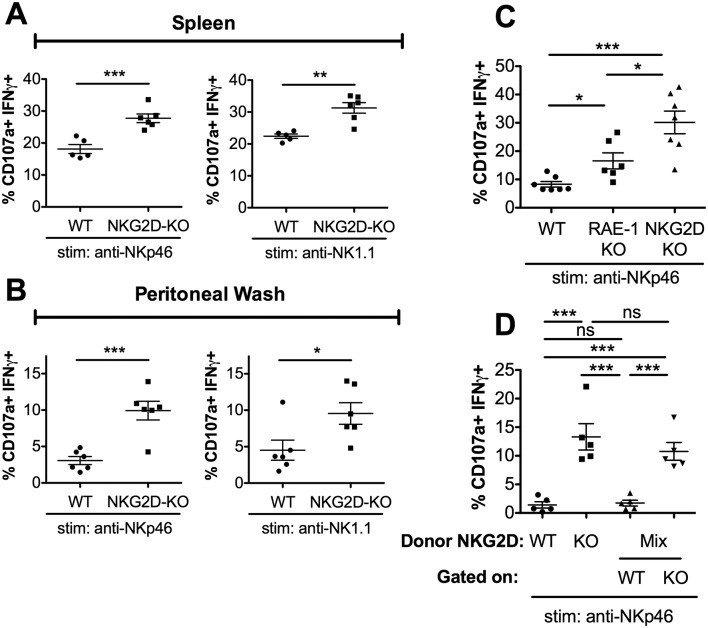
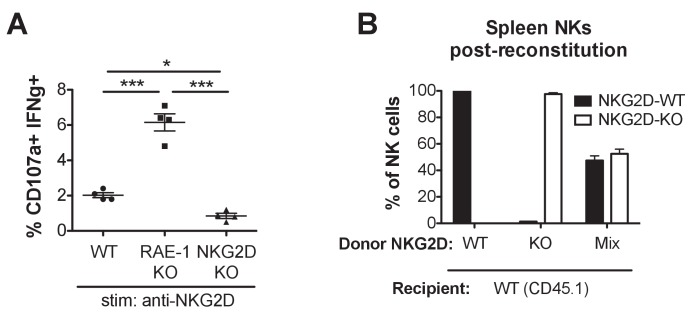
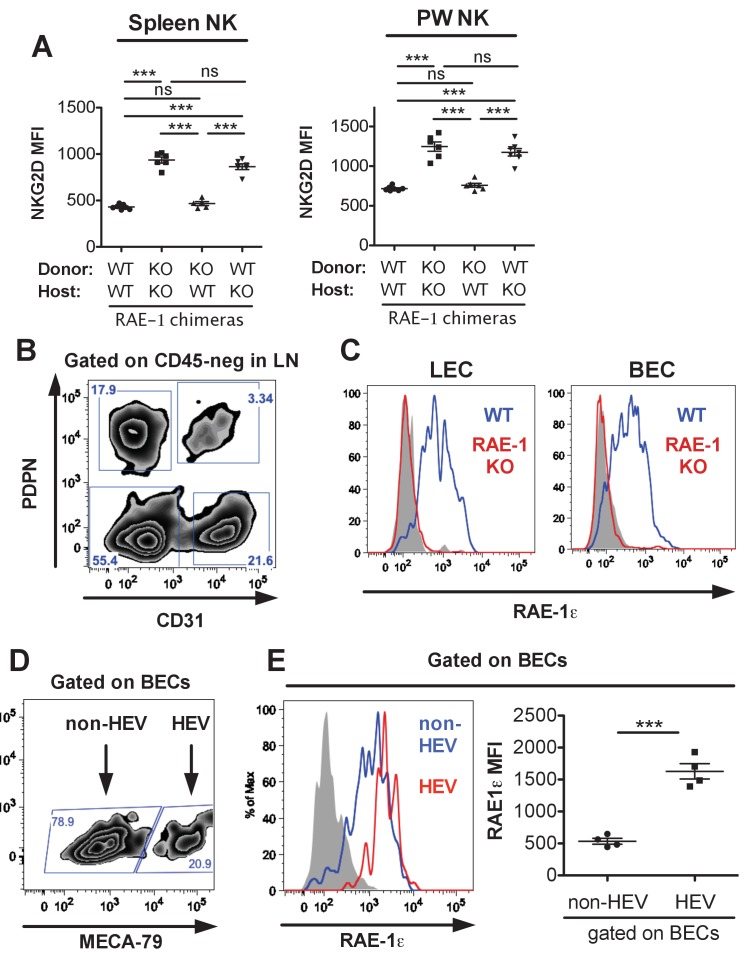
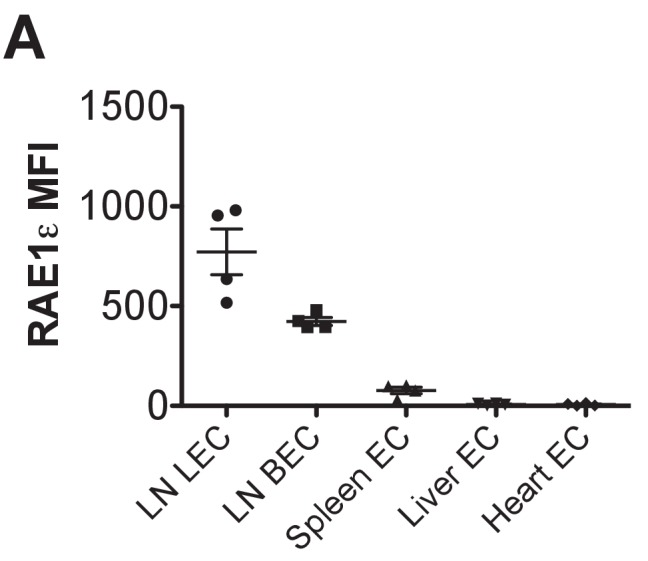
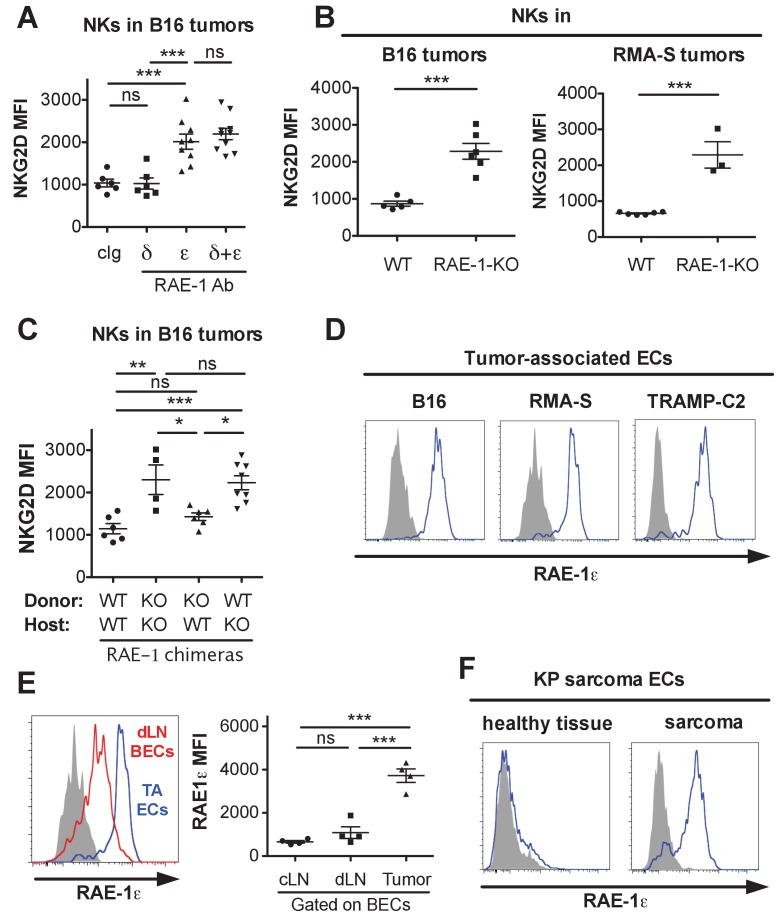
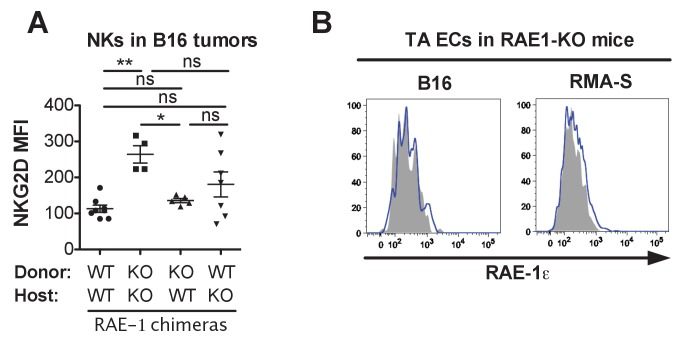
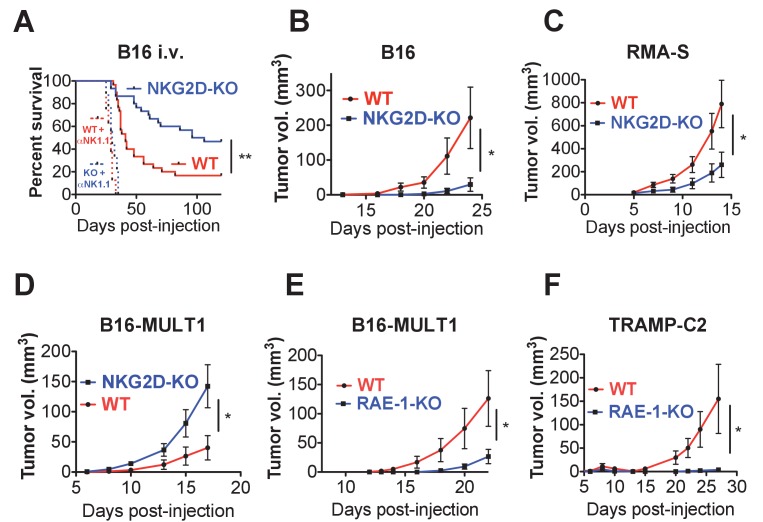
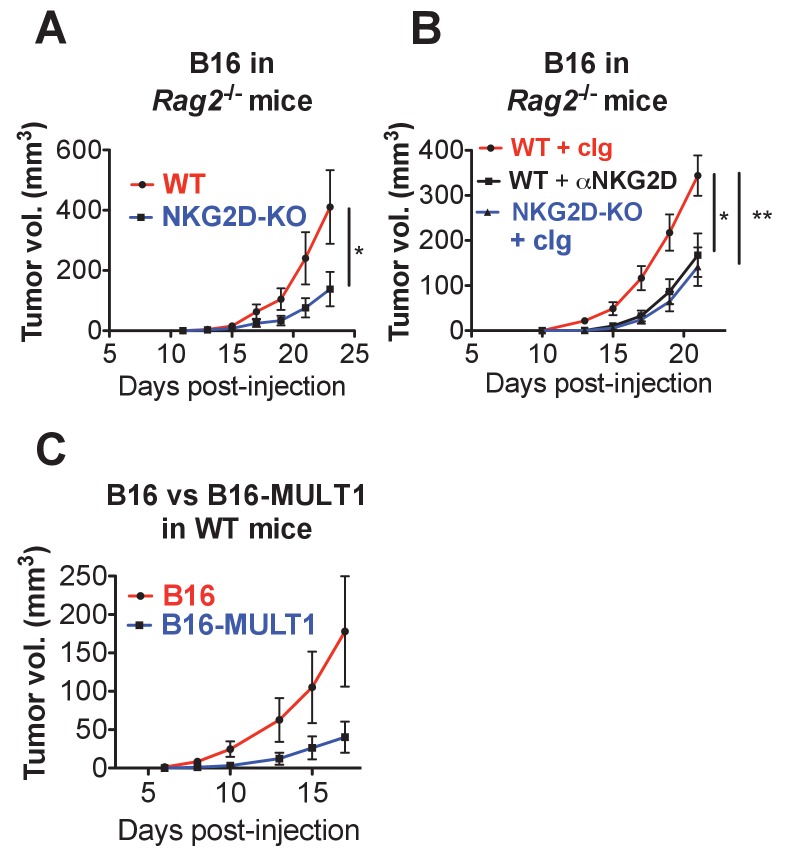
Natural Killer (NK) cells confer protection from tumors and infections by releasing cytotoxic granules and pro-inflammatory cytokines upon recognition of diseased cells. The responsiveness of NK cells to acute stimulation is dynamically tuned by steady-state receptor-ligand interactions of an NK cell with its cellular environment. Here, we demonstrate that in healthy WT mice the NK activating receptor NKG2D is engaged in vivo by one of its ligands, RAE-1ε, which is expressed constitutively by lymph node endothelial cells and highly induced on tumor-associated endothelium. This interaction causes internalization of NKG2D from the NK cell surface and transmits an NK-intrinsic signal that desensitizes NK cell responses globally to acute stimulation, resulting in impaired NK antitumor responses in vivo.
自然杀伤 (NK) 细胞通过识别病变细胞释放细胞毒性颗粒和促炎细胞因子来提供对肿瘤和感染的保护。NK 细胞对急性刺激的反应性通过 NK 细胞与其细胞环境之间的稳态受体-配体相互作用动态调节。在这里,我们证明在健康的 WT 小鼠中,NK 激活受体 NKG2D 通过其配体之一 RAE-1ε 体内结合,RAE-1ε 由淋巴结内皮细胞组成性表达,并在肿瘤相关内皮细胞上高度诱导。这种相互作用导致 NKG2D 从 NK 细胞表面内化,并传递一种 NK 内在信号,使 NK 细胞对急性刺激的反应普遍脱敏,导致体内 NK 抗肿瘤反应受损。