Gielda Lindsay, Rigg Stefanie
Department of Biological Sciences, Purdue University-Northwest, 1401 S. US 421, Westville, IN, 46391, USA.
BMC Res Notes. 2017 Dec 13;10(1):737. doi: 10.1186/s13104-017-3066-y.
The expansion of molecular techniques in medical diagnosis, forensics, and education requires the development of improved techniques of DNA extraction from fixed tissues. Cadaver tissues are not commonly used for genetic analysis due to DNA degradation resulting from the embalming fixation. Modification of existing techniques of tissue disruption combined with phenol-chloroform treatment was done to produce an efficient method of extracting amplifiable DNA of high quality and quantity from non-paraffin embedded embalmed cadaver tissue.
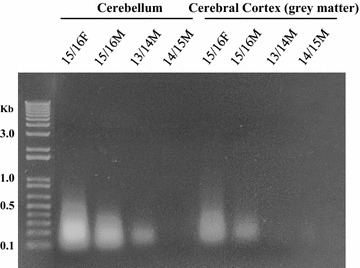
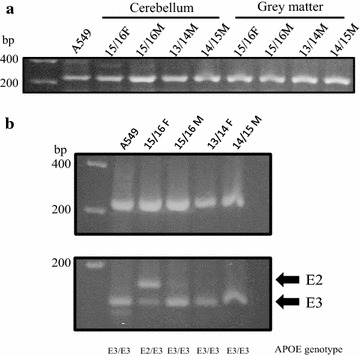
Tissues (cerebellum, cerebral cortex, heart, and bone) from four cadavers were used to develop a procedure for DNA isolation, which includes a high heat treatment. The location and age of the tissue had a significant effect on the quantity of DNA recovered. Targeted PCR amplification of the Apolipoprotein gene was used to assess the efficacy of genotypic analysis from the recovered DNA. We report the development of a simple, reliable, and low-cost method of DNA isolation utilizing brain tissue from embalmed tissues that could be used for PCR amplification and genetic analysis.
分子技术在医学诊断、法医学和教育领域的扩展需要开发从固定组织中提取DNA的改进技术。由于防腐固定导致DNA降解,尸体组织通常不用于基因分析。对现有的组织破碎技术与酚-氯仿处理相结合进行了改进,以产生一种从非石蜡包埋的防腐尸体组织中提取高质量和高数量可扩增DNA的有效方法。
使用来自四具尸体的组织(小脑、大脑皮层、心脏和骨骼)开发了一种DNA分离程序,其中包括高温处理。组织的位置和年龄对回收的DNA数量有显著影响。使用载脂蛋白基因的靶向PCR扩增来评估从回收的DNA中进行基因分型分析的功效。我们报告了一种利用防腐组织中的脑组织进行DNA分离的简单、可靠且低成本的方法的开发,该方法可用于PCR扩增和基因分析。