Worsham McLean L D, Julius Eric P, Nice Chris C, Diaz Peter H, Huffman David G
Department of Biology Texas State University San Marcos TX USA.
Department of Zoology University of Hawaii Honolulu HI USA.
Ecol Evol. 2017 Oct 27;7(23):10278-10288. doi: 10.1002/ece3.3474. eCollection 2017 Dec.
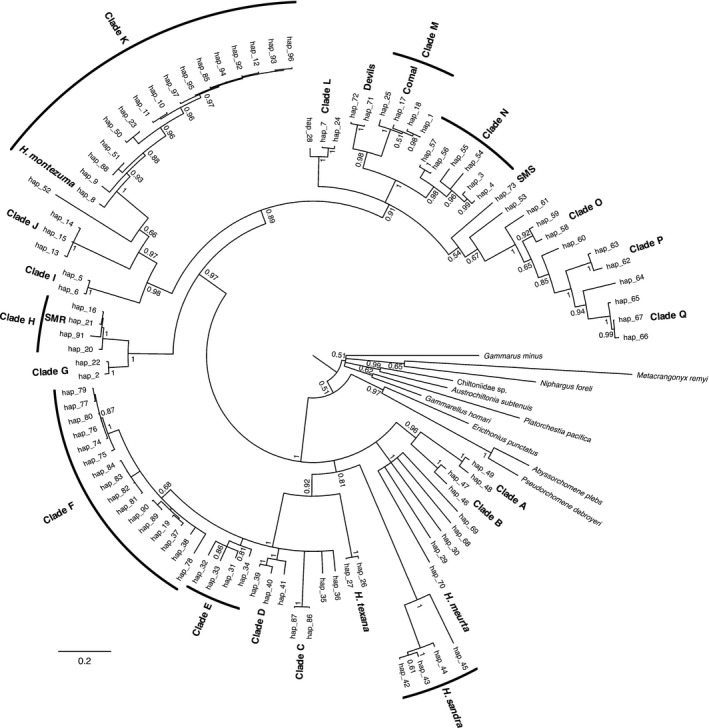
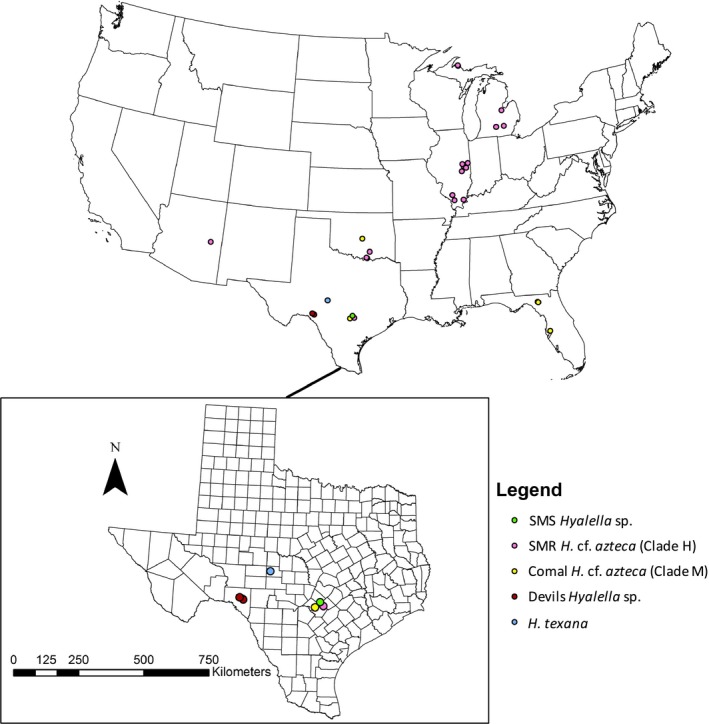
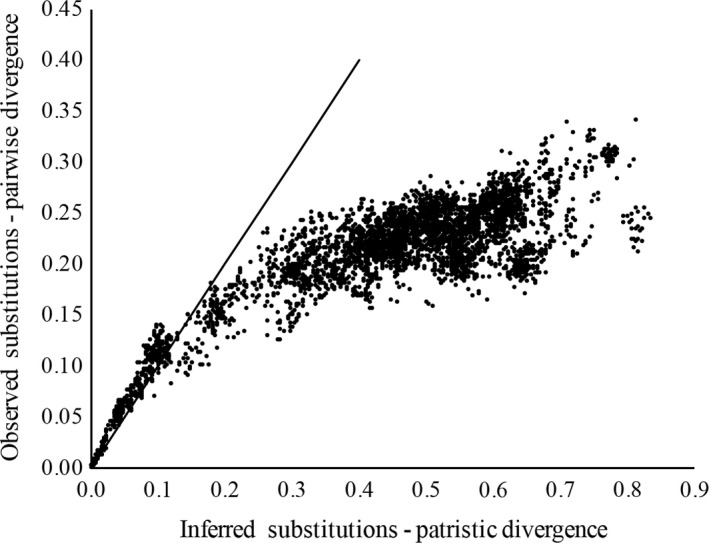
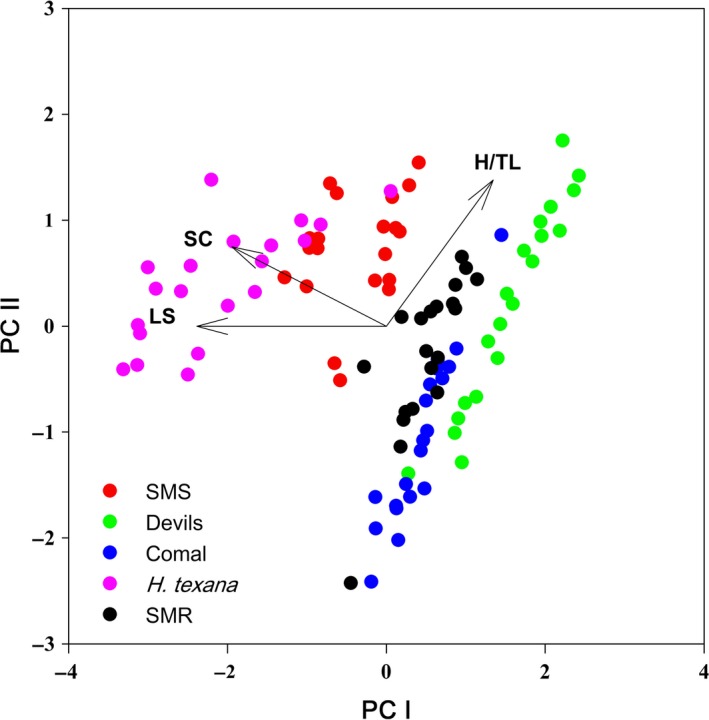
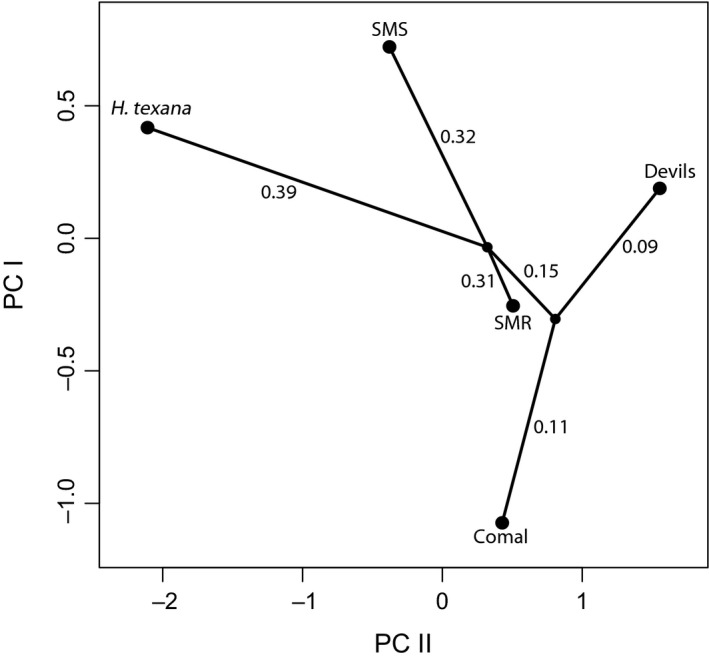
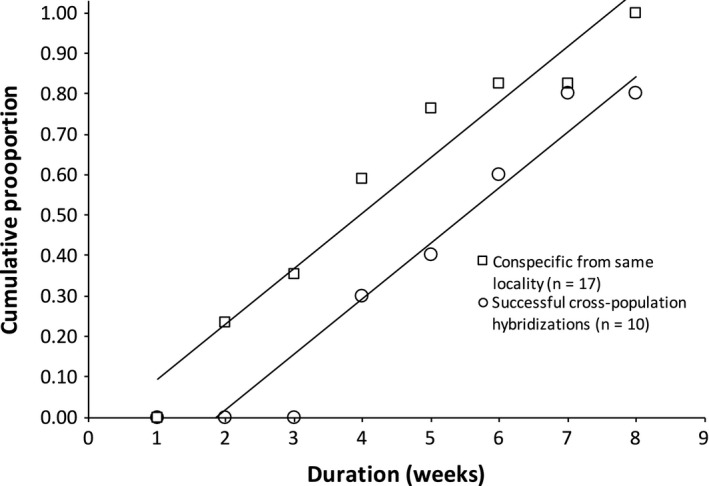
Geographic isolation is known to contribute to divergent evolution, resulting in unique phenotypes. Oftentimes morphologically distinct populations are found to be interfertile while reproductive isolation is found to exist within nominal morphological species revealing the existence of cryptic species. These disparities can be difficult to predict or explain especially when they do not reflect an inferred history of common ancestry which suggests that environmental factors affect the nature of ecological divergence. A series of laboratory experiments and observational studies were used to address what role biogeographic factors may play in the ecological divergence of amphipods. It was found that geographic isolation plays a key role in the evolution of reproductive isolation and divergent morphology and that divergence cannot be explained by molecular genetic variation.
众所周知,地理隔离会导致趋异进化,产生独特的表型。通常会发现形态上不同的种群具有可育性,而在名义上的形态物种内却存在生殖隔离,这揭示了隐存种的存在。这些差异可能很难预测或解释,尤其是当它们不能反映出推断的共同祖先历史时,这表明环境因素会影响生态趋异的性质。一系列实验室实验和观察研究被用来探讨生物地理因素在双足类动物生态趋异中可能发挥的作用。研究发现,地理隔离在生殖隔离和形态趋异的进化中起着关键作用,而且趋异不能用分子遗传变异来解释。