Li Benjamin J, Bailenson Jeremy N, Pines Adam, Greenleaf Walter J, Williams Leanne M
Department of Communication, Stanford University, Stanford, CA, United States.
Department of Psychiatry and Behavioral Sciences, School of Medicine, Stanford University, Stanford, CA, United States.
Front Psychol. 2017 Dec 5;8:2116. doi: 10.3389/fpsyg.2017.02116. eCollection 2017.
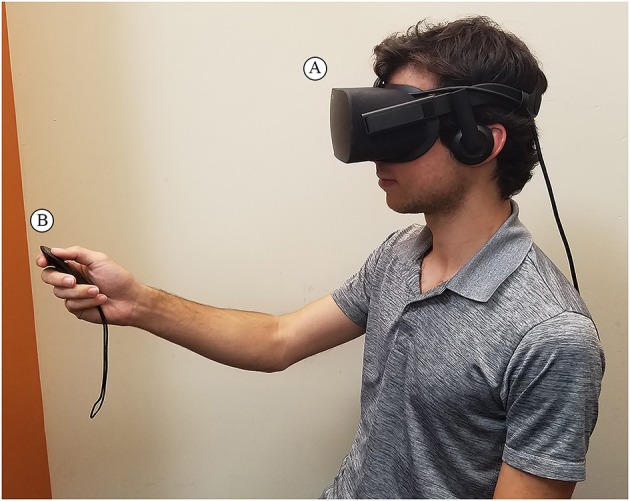
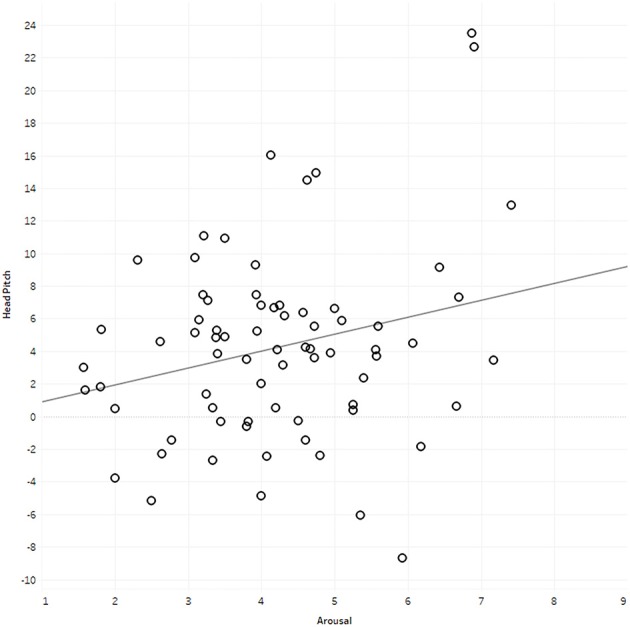
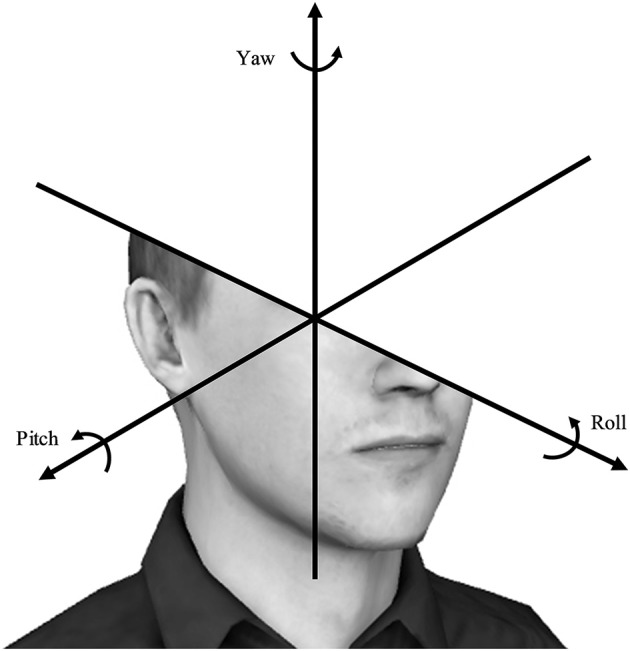
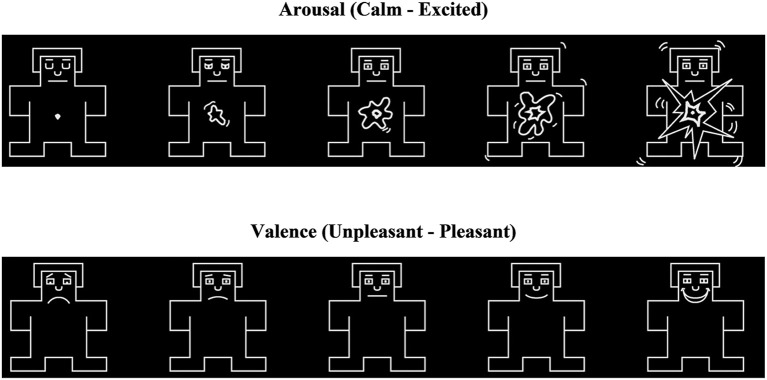
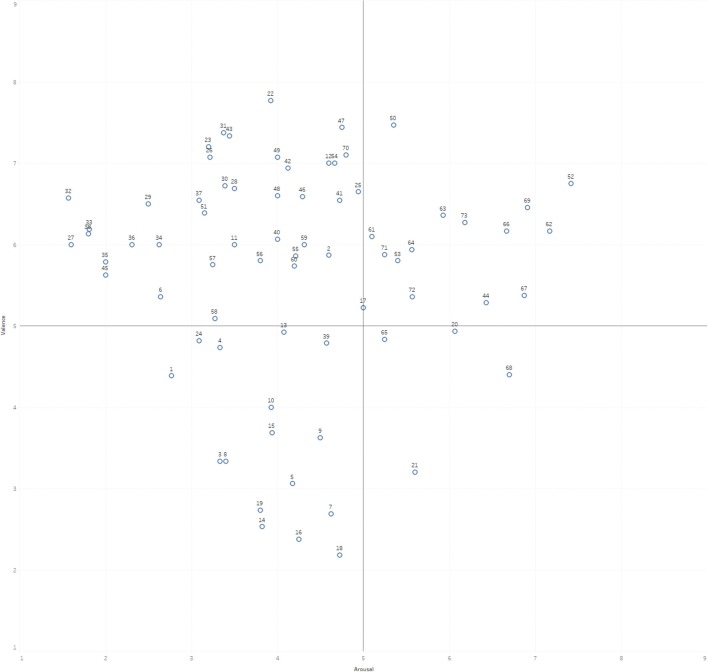
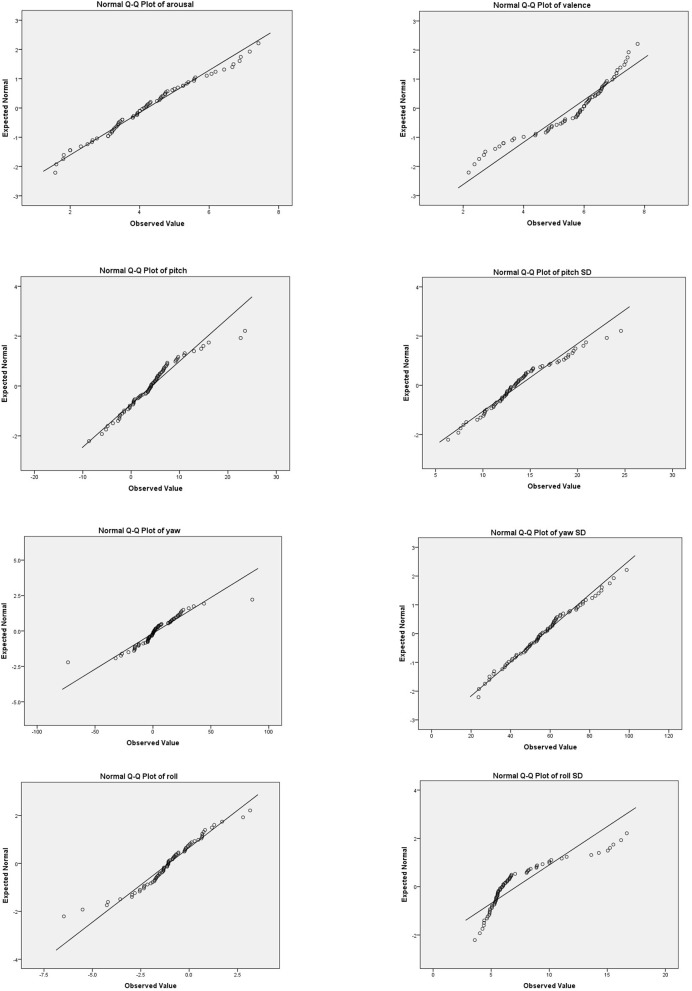
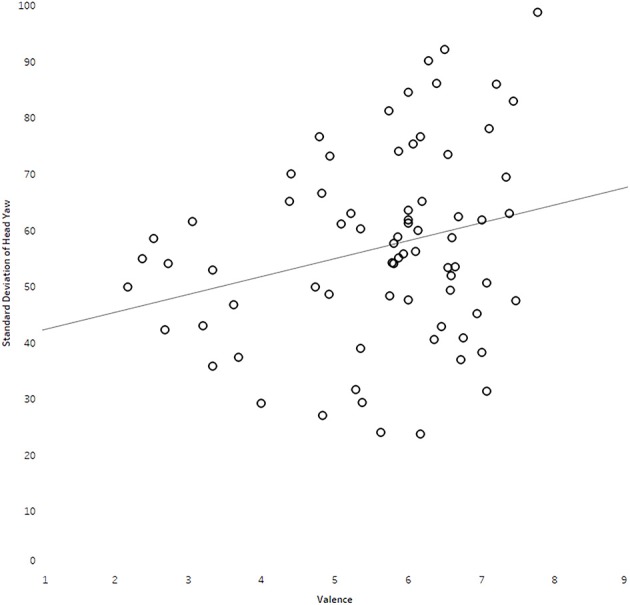
Virtual reality (VR) has been proposed as a methodological tool to study the basic science of psychology and other fields. One key advantage of VR is that sharing of virtual content can lead to more robust replication and representative sampling. A database of standardized content will help fulfill this vision. There are two objectives to this study. First, we seek to establish and allow public access to a database of immersive VR video clips that can act as a potential resource for studies on emotion induction using virtual reality. Second, given the large sample size of participants needed to get reliable valence and arousal ratings for our video, we were able to explore the possible links between the head movements of the observer and the emotions he or she feels while viewing immersive VR. To accomplish our goals, we sourced for and tested 73 immersive VR clips which participants rated on valence and arousal dimensions using self-assessment manikins. We also tracked participants' rotational head movements as they watched the clips, allowing us to correlate head movements and affect. Based on past research, we predicted relationships between the standard deviation of head yaw and valence and arousal ratings. Results showed that the stimuli varied reasonably well along the dimensions of valence and arousal, with a slight underrepresentation of clips that are of negative valence and highly arousing. The standard deviation of yaw positively correlated with valence, while a significant positive relationship was found between head pitch and arousal. The immersive VR clips tested are available online as supplemental material.
虚拟现实(VR)已被提议作为一种研究心理学及其他领域基础科学的方法工具。VR的一个关键优势在于虚拟内容的共享能够带来更强大的复制和代表性抽样。一个标准化内容的数据库将有助于实现这一愿景。本研究有两个目标。首先,我们试图建立一个沉浸式VR视频片段数据库并允许公众访问,该数据库可作为利用虚拟现实进行情绪诱导研究的潜在资源。其次,鉴于为我们的视频获取可靠的效价和唤醒评分需要大量参与者样本,我们能够探索观察者的头部运动与观看沉浸式VR时所感受到的情绪之间的可能联系。为实现我们的目标,我们收集并测试了73个沉浸式VR片段,参与者使用自评模型对这些片段在效价和唤醒维度上进行评分。我们还在参与者观看片段时跟踪他们的头部旋转运动,从而使我们能够将头部运动与情感联系起来。基于以往的研究,我们预测了头部偏航标准差与效价和唤醒评分之间的关系。结果表明,刺激在效价和唤醒维度上变化较为合理,只是负效价且高度唤醒的片段略有不足。偏航标准差与效价呈正相关,而头部俯仰与唤醒之间存在显著的正相关关系。所测试的沉浸式VR片段作为补充材料可在线获取。