Toh Wei Quan, Tan Xipeng, Bhowmik Ayan, Liu Erjia, Tor Shu Beng
Singapore Centre for 3D Printing, School of Mechanical and Aerospace Engineering, Nanyang Technological University, 50 Nanyang Avenue, Singapore 639798, Singapore.
Rolls-Royce@NTU Corporate Lab, Nanyang Technological University, 50 Nanyang Avenue, Singapore 639798, Singapore.
Materials (Basel). 2017 Dec 26;11(1):30. doi: 10.3390/ma11010030.
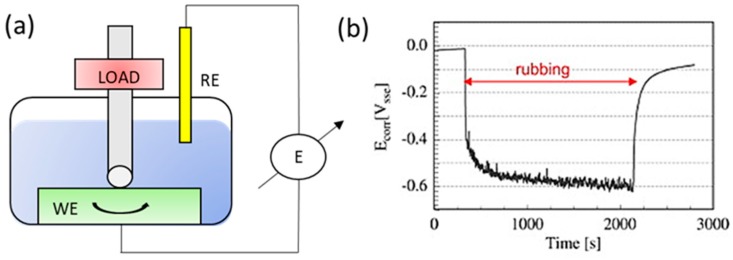
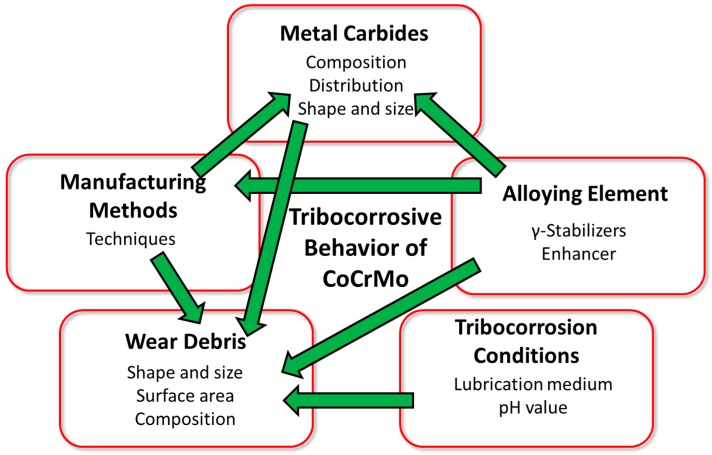
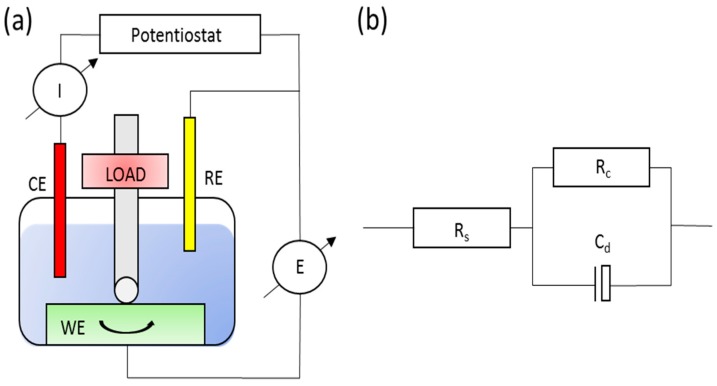
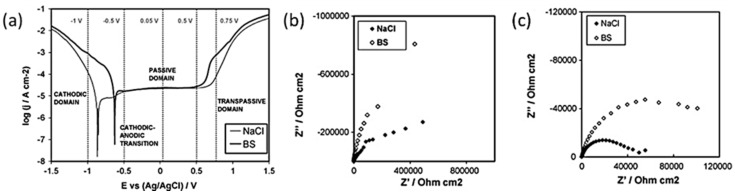
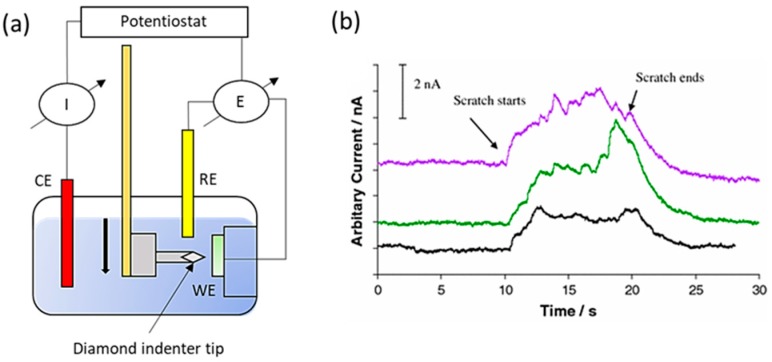
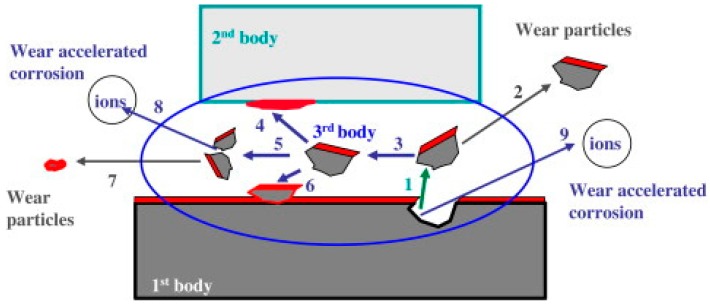
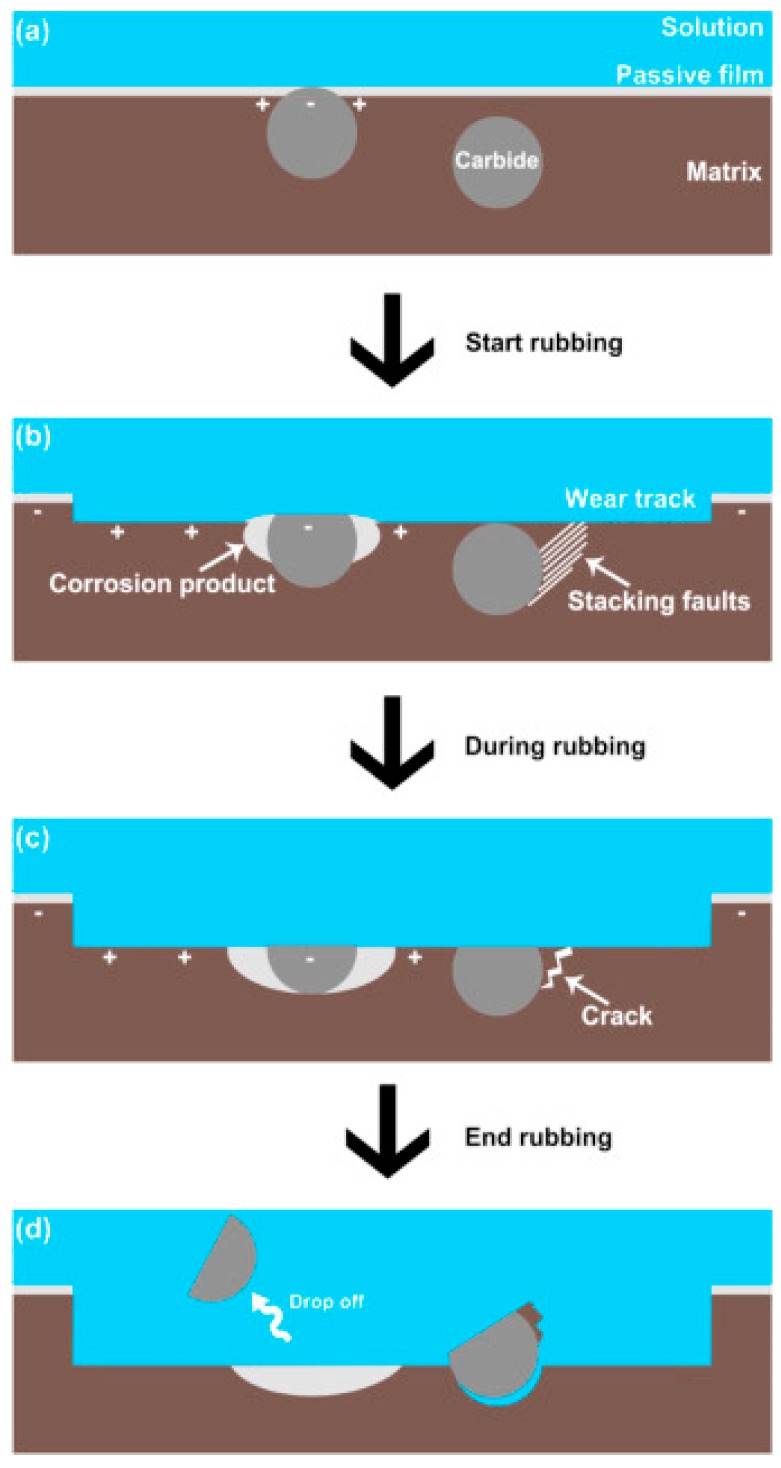
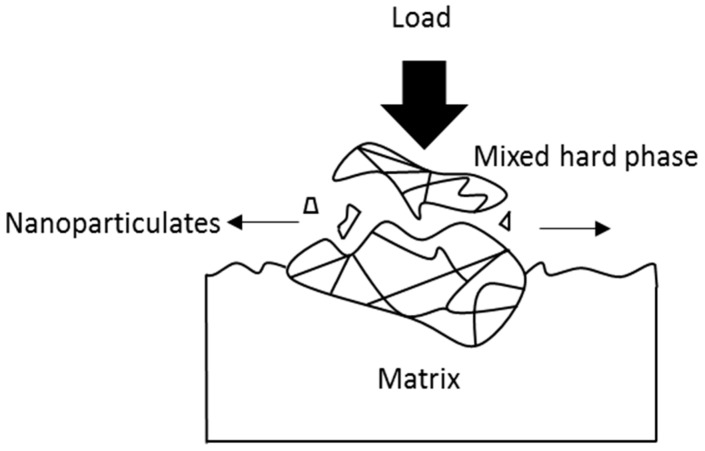
Orthopedic implants first started out as an all-metal hip joint replacement. However, poor design and machinability as well as unsatisfactory surface finish subjected the all-metal joint replacement to being superseded by a polyethylene bearing. Continued improvement in manufacturing techniques together with the reality that polyethylene wear debris can cause hazardous reactions in the human body has brought about the revival of metal-on-metal (MOM) hip joints in recent years. This has also led to a relatively new research area that links tribology and corrosion together. This article aims at reviewing the commonly used tribochemical methods adopted in the analysis of tribocorrosion and putting forward some of the models and environmental factors affecting the tribocorrosive behavior of CoCrMo alloys, a widely-used class of biomaterial for orthopedic implants.
骨科植入物最初是作为全金属髋关节置换物出现的。然而,由于设计不佳、可加工性差以及表面光洁度不理想,全金属关节置换物被聚乙烯轴承所取代。制造技术的不断改进以及聚乙烯磨损颗粒会在人体中引发有害反应这一现实,使得金属对金属(MOM)髋关节在近年来得以复兴。这也催生了一个将摩擦学和腐蚀联系在一起的相对较新的研究领域。本文旨在综述在摩擦腐蚀分析中常用的摩擦化学方法,并提出一些影响CoCrMo合金摩擦腐蚀行为的模型和环境因素,CoCrMo合金是一类广泛用于骨科植入物的生物材料。